Start with one medium roast decaf, use the brew method you already have, and buy a small bag from a water-processed or Swiss Water decaf; if you want the safest first pick, choose medium roast whole bean for drip or pour-over. The wrong roast or process can leave you with flat, sour, or overbitter coffee and waste money on a full bag. This guide shows a beginner path by equipment, flavor tolerance, and effort level so you can choose your first decaf with confidence.
Quick picks
- Best overall starter pick: medium roast whole bean decaf if you have a grinder and want the widest flavor range.
- Best for lowest effort: decaf pods that are named for your exact pod system.
- Best for strongest coffee flavor: dark roast whole bean or ground decaf with a water-processed label cue.
Decaf still has some caffeine, so the right first bag is less about “zero caffeine” and more about matching format, roast, and method to your routine. Flavor varies by origin and roast level, and a good decaf can taste like regular coffee, not a weak stand-in.
Quick comparison
| Product | Badge | Best for | Price | ||
|---|---|---|---|---|---|
 | Folgers Decaf Coffee, Ground Coffee, Classic Medium Roast,Folgers | Our pick | 19.2 oz · ground · classic medium roast | $25.47 Price as of 17 Oct 2026 | View |
 | Starbucks Ground Coffee, Medium Roast Hot or Iced Coffee,Starbucks | Also great | Six 12 oz bags · ground · medium roast | $52.74 Price as of 17 Oct 2026 | View |
 | Peet’s_Coffee, Dark Roast Ground_Coffee, DecaffeinatedPeet’s Coffee | Upgrade pick | 2 bags · ground · dark roast decaf | $19.96 Price as of 17 Oct 2026 | View |
 | Lavazza Dek Filtro Whole Bean Coffee Medium Roast 1.1LB BagLavazza | Pair with it | 1.1 lb · whole bean · medium roast | $17.45 Price as of 17 Oct 2026 | View |
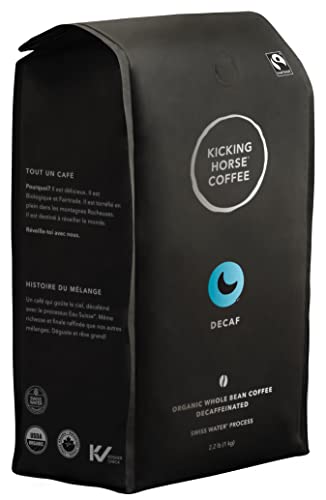 | Kicking Horse Coffee Decaf, Swiss Water Process, DarkKicking Horse | Also great | 6 packs · whole bean · dark roast | $237.60 Price as of 17 Oct 2026 | View |
Use the table that appears here to compare the first-bag risk factors side by side. The goal is not one universal winner; it is the format that fits your gear and how much work you want.
How we chose
The best beginner decaf is the one least likely to fail in your kitchen. That means matching the grind to your brewer, choosing a roast level you already like, and favoring label cues that usually signal careful processing.
- Format match: whole bean, ground, or pod based on the brewer you already use.
- Flavor tolerance: medium roast first, then dark if you want more body and less acidity.
- Convenience and cleanup: pods for low effort, ground for easy brewing, whole bean for more control.
- Freshness and label cues: look for roast date when possible and a clear decaf process.
Swiss Water decaf: best for first-time buyers
This is a strong first stop if you want a clear quality cue on the bag. Swiss Water Process uses only water and filters, and the guide position for it is flavor retention, which is why it often shows up as the beginner-friendly label to look for.
It suits buyers who want a fuller coffee experience without learning a lot of process language. A dark roast whole bean like this one gives you more body and more room for grinder and brew adjustments, but it still requires a grinder, and dark roast can read too bold if you prefer a lighter, brighter cup.
The honest drawback is cost and fit. Packs like this can be more coffee than a true first-timer needs, and whole bean only helps if you actually grind it fresh.
Whole bean decaf: best for flavor control
Choose whole bean if you want the best flavor potential and you already have a grinder. Whole bean decaf works for drip, pour-over, espresso, and French press, so it gives you the widest range of brewing options with one bag.
This medium roast is the safest starting point for flavor control because it usually lands between sharp and heavy. That balance helps beginners find out what they like without locking them into one brew method or a pre-ground grind size.
The drawback is simple: no grinder, no easy cup. If you buy whole bean and then use it without grinding, you are buying the wrong format for the job.
Ground decaf coffee: best for drip and French press
Ground decaf is the easiest step up if you want to skip grinding. It is recommended for drip brewers and French press without a grinder, which makes it the most practical option for many beginner kitchens.
This medium roast can work well when you want a straightforward cup and a neat canister. The key is to match the grind to your brew method, because drip and French press need different grind behavior, and the wrong grind can give you watery coffee or sludge in the cup.
The drawback is freshness after opening. Ground coffee stales faster than whole bean, so airtight storage matters more, and a big canister is only useful if you finish it in a reasonable window.
K-Cup decaf: best for the least effort
Pods make sense when convenience matters more than control. A decaf pod can be the most beginner-friendly way to get a cup fast, especially if you already own a compatible pod machine and do not want to measure or grind.
This is also the format that leaves the fewest cleanup steps. The tradeoff is compatibility: pod machines need a pod explicitly named for that system, and pod names are not universal compatibility claims.
The drawback is that pods usually narrow your flavor options and can cost more per cup than ground coffee. They are a smart entry point for low-effort brewing, not the best path to maximum flavor control.
Dark roast decaf: best for fuller body
Dark roast decaf is a good choice if you want a bolder cup and already know you prefer less acidity. This one is ground, so it fits drip and pour-over brewing without a grinder, and the product details say it is naturally water processed decaf.
That makes it appealing for beginners who want more coffee-like weight in the cup without extra gear. A darker roast can cover some brewing errors better than a very light roast, which helps when you are still learning your method.
The drawback is taste tolerance. Dark roast can read smoky or heavy for some beginners, and it is less forgiving if you already dislike bitter coffee.
Which one should you buy?
If you want the least fussy cup, start with a pod that matches your exact machine. If you want better flavor, choose medium roast whole bean and grind fresh. If you want a safer label cue, look for Swiss Water Process or another clear water-processed decaf on a bag that also matches your brewer.
A common first-timer mistake is buying a great-sounding coffee in the wrong format. A French press user who buys espresso grind will get mud and over-extraction. A pod machine owner who buys a generic pod name may find it does not fit at all.
Say you brew one cup each morning with a drip machine and want the fewest surprises. Medium roast ground decaf is the simplest first bag, because it matches the brewer, keeps prep easy, and avoids the compatibility guesswork of pods.
Say you already own a grinder and want your first decaf to taste as close to real coffee as possible. Medium roast whole bean is the better start, because you can tune the grind for your brewer and keep more of the flavor potential after opening.
Decaf starter table
| Brewing setup | Safest first decaf format | Roast/process to start with | Common mistake to avoid |
|---|---|---|---|
| Drip machine | Ground decaf or whole bean if you grind fresh | Medium roast, Swiss Water or another water-processed label cue | Buying a grind that is too coarse or too fine for drip |
| French press | Ground decaf made for immersion, or whole bean with grinder | Medium or dark roast for more body | Using fine drip grind and getting sludge |
| Pour-over | Whole bean, or ground coffee that is labeled for pour-over | Medium roast to start, then adjust by origin and taste | Buying stale ground coffee and expecting clean flavor |
| Espresso | Whole bean with a grinder | Medium to dark roast, based on bitterness tolerance | Assuming any ground decaf will pull a good shot |
| Pod machine | K-Cup or pod decaf named for that exact system | Medium roast for the broadest beginner fit | Assuming all pods fit every pod machine |
| Simple score — taste: whole bean 5, ground 4, pods 3. Convenience: pods 5, ground 4, whole bean 2. Forgiveness: medium roast 5, dark roast 4, light roast 2. | |||
What the label tells you
Swiss Water Process is a common quality cue because the method uses only water and filters, and the guide position for it is best for flavor retention. CO2 process decaf uses pressurized carbon dioxide, and solvent-process decaf is the most common and cheapest method, so a beginner should learn the label language before buying.
BOBKAFE says its decaf uses Swiss Water Process and notes that there are three ways caffeine can be removed. Tayst describes its ground decaf as Swiss Water Process and says it also suits pour-over, which is useful when you want a ground option that is not limited to drip only.
What flavor to expect
Decaf can taste good, and it is not automatically weak. Body, acidity, and bitterness shift with origin and roast level, so one decaf can taste nutty and balanced while another reads darker and heavier.
Medium roast is usually the easiest place to start because it gives you more room in both directions. Light roast can taste sharper. Dark roast can feel fuller but also more bitter if you already dislike bold coffee.
When it is worth paying more
Pay more when the bag format fits your setup and the label gives you confidence. A Swiss Water whole bean bag is usually worth the extra cost if you grind fresh and care about flavor. A cheap bag is not a win if it is stale, the grind is wrong, or the format does not fit your brewer.
Should I start with whole bean, ground, or pods?
Start with whole bean if you have a grinder and want the best flavor potential. Start with ground coffee if you brew drip or French press and want an easy setup. Start with pods if you want the least effort and already own the exact pod system listed on the box.
Whole bean gives the most control, but only if you can grind it properly. Ground coffee is simpler, but the grind must match the brewer. Pods are the easiest route, yet they trade away flexibility and require exact machine compatibility.
How to avoid the first-bag mistake
Do not buy a whole bean bag and hope pre-ground brewing will work out. Do not buy espresso-style ground coffee for a French press. Do not assume a pod labeled for one system fits all systems.
The simplest rule is this: pick the format your brewer was built for, then choose the roast level you already like.
What roast level is easiest to like in decaf coffee?
Medium roast is the easiest starting point for most beginners. It usually gives enough body to feel like coffee without the sharpness of a very light roast or the heaviness of some dark roasts.
If you want more brightness and cleaner flavor, a lighter roast may fit better, but it is less forgiving. If you want a fuller, more bold cup, dark roast is easier to like for some drinkers, though it can also bring more bitterness.
How roast interacts with process
A Swiss Water or other water-processed bag does not lock you into one roast style. The process and the roast are separate choices. A medium roast Swiss Water bag can taste very different from a dark roast solvent-process bag, even if both are decaf.
That is why you should not choose decaf by process alone. The best first bag comes from combining process, roast, and brew method.
Freshness and storage reminders
Buy freshly roasted coffee when possible, because roast date matters more than a vague “fresh” label. Coffee starts to lose aroma and liveliness after opening, especially if it is pre-ground.
Store it in an airtight container after opening. That simple step helps slow staling and keeps the cup closer to what the roaster intended.
How do I tell if a decaf will taste good before buying it?
Look for three signals: a clear decaf process, a roast level that matches your taste, and a format that fits your brewer. If the bag says Swiss Water Process, lists a roast level you like, and matches your grinder or machine, your odds are better than if you buy by brand name alone.
The easiest beginner filter is to ask whether the bag answers your practical questions before you buy it. If it does not tell you the brew fit, the roast, or the process, the purchase is a guess.
What to check on the label
- Decaf process: Swiss Water, CO2, or solvent-process.
- Format: whole bean, ground, or pod.
- Roast level: light, medium, or dark.
- Brew fit: drip, French press, pour-over, espresso, or exact pod system.
- Freshness cue: roast date when available.
Say your drip brewer makes thin coffee and the bag is a very light roast with a coarse grind. That is a mismatch problem, not proof that decaf “tastes bad.” A medium roast ground bag designed for drip will usually give a more reliable result.
Which decaf brewing method is the least fussy for beginners?
For most beginners, pods are the least fussy because they cut out grinding, measuring, and cleanup. If you already use a drip machine, ground coffee is the next easiest option. Whole bean takes more effort but gives more control and usually better flavor potential.
The least fussy choice is not always the best-tasting choice. The right answer depends on whether your priority is speed, ease, or a more coffee-like cup.
Basic brewing tips for decaf
Match grind to brewer, especially for drip, French press, and pour-over. Keep water temperature and dose consistent so you can taste the coffee instead of the mistake. If the first cup is watery, the grind may be too coarse or the dose too light. If it is harsh, the grind may be too fine or the roast too dark for your taste.
Decaf does not need special treatment, but it does reward a little care. Fresh grounds, the right grind, and a clean brewer matter more than chasing a fancy label alone.
Does decaf coffee still have caffeine?
Yes. Decaf still contains some caffeine, so it is lower caffeine, not caffeine-free. That is important if you are choosing decaf for evening drinking, sensitivity, or a gradual step away from regular coffee.
The amount varies by product and process, which is why the label and the serving size both matter. A beginner should treat decaf as a reduced-caffeine option, not a zero-caffeine guarantee.
How fresh should decaf coffee be when I buy it?
Buy the freshest roast date you can find, especially for whole bean coffee. Freshness matters because aroma fades after roasting, and pre-ground coffee loses that aroma faster after opening. A bag that has sat too long can taste flat no matter how good the process is.
After opening, keep the coffee in an airtight container and use it promptly. That advice matters most for ground coffee, which is more exposed to air than whole bean.
Freshness by format
Whole bean gives you the widest freshness window after purchase because the beans keep more of their aroma until you grind them. Ground coffee is more convenient, but its freshness window is shorter after opening. Pods are sealed for convenience, yet they still should be matched to a system and a roast style you actually like.
Frequently asked questions
What is the best decaf coffee for beginners?
For most beginners, the best first decaf is a medium roast that matches the brewer already in the kitchen, with Swiss Water Process as a helpful label cue. If you have a grinder, whole bean gives the best flavor potential. If you do not, choose ground coffee that fits your brew method.
Is Swiss Water decaf better for beginners?
It is often a strong beginner cue, but not the only good option. Swiss Water Process uses only water and filters, and it is often positioned for flavor retention, so it is easy to trust on a first purchase. Still, the roast and grind need to fit your brewer or the cup can miss the mark.
Products related to this article
Sponsored / affiliate links. As an Amazon Associate I earn from qualifying purchases. I may earn additional commission from eligible campaigns.