You’re staring at a soggy, brown disc after brewing your morning cup. It did its job, but what exactly was it? Most people never think about it until they run out and grab the wrong size. Then the questions start.
This article covers the actual materials inside coffee paper filters, how they’re made, and why some filters taste different than others. You’ll also learn what those compostability claims actually mean for your kitchen bin.

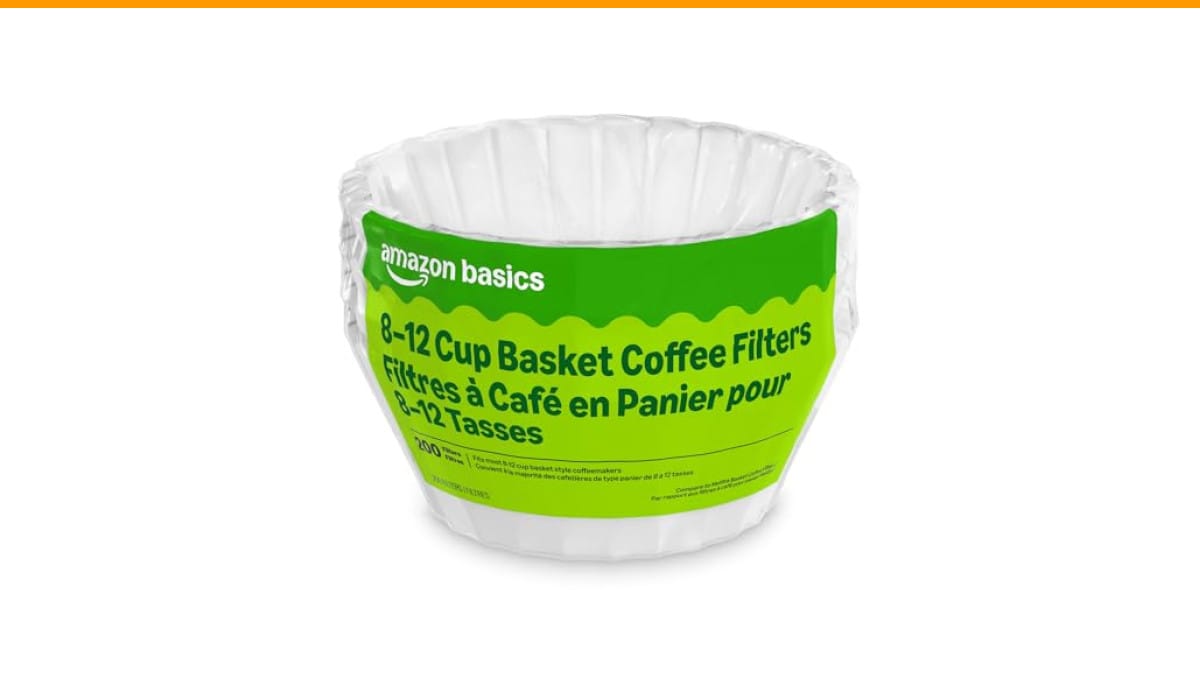
Amazon Basics
Amazon Basics Basket Coffee Filters for 8-12…
- SHIPMENT CONTAINS: 200 white basket coffee filters that fit most 8-12 cup basket coffeemakers
- SUPERIOR FILTRATION: Provides excellent coffee filtration that eliminates gritty sediment while allowing the great coffee taste to…
- INDUSTRIALLY COMPOSTABLE DESIGN: Filter meets ASTM D6868-11 standard and can be composted where municipal or industrial composting…
As an Amazon Associate I earn from qualifying purchases.
By the end, you’ll know exactly what you’re brewing through and how to pick the right filter for your coffee maker.
If you use a standard drip machine, the Amazon Basics Basket Coffee Filters are a solid, no-nonsense option. They fit most 8-12 cup basket brewers and are certified by the Sustainable Forestry Initiative. They filter out sediment without slowing the brew time, which matters more than you’d think.
The Raw Material: It Starts as Wood
Coffee paper filters are made from cellulose fibers. Cellulose is the structural material in plants, and for filters, that plant is usually wood pulp. Specifically, manufacturers use fibers from fast-growing trees like pine, spruce, or eucalyptus.
The wood gets chipped and cooked with chemicals to separate the cellulose fibers from lignin, the glue that holds wood together. This process creates a pulp. The pulp is then washed, beaten, and formed into thin sheets on a wire mesh. The water drains away, leaving a porous mat of fibers. That mat becomes your filter.
Some filters use a blend of wood pulp and other plant fibers, like abaca (a type of banana plant) or hemp. These fibers are longer and stronger, which means the filter holds together better when wet. This is why some premium filters feel thicker and don’t tear when you pull them out of the basket.
Bleached vs. Unbleached: What’s the Difference?
You have two choices at the store: white or brown. Both are made of the same base material. The difference is processing.
- Unbleached filters retain their natural brown color. They go through a water-washing process to remove impurities but skip the chemical whitening step.
- Bleached filters are treated with oxygen, chlorine dioxide, or hydrogen peroxide to remove the brown color. This makes them white and removes some of the papery taste that unbleached filters can have.
Oxygen-bleached filters are the better choice if you care about chemicals. They don’t use chlorine, so no dioxins end up in your compost. Most major brands, including Amazon Basics, use oxygen-based bleaching.
Does the paper taste matter? Yes, slightly. Unbleached filters can impart a faint cardboard flavor to the first few sips. Some people notice it; most don’t. If you’re brewing a delicate, lightly roasted bean, a bleached filter keeps the cup cleaner. For a dark roast with bold flavors, you won’t tell the difference.
How Filter Thickness and Pore Size Affect Your Cup
Filters aren’t just paper. They’re engineered to let specific particle sizes through.
The pore size of a standard paper filter is around 20 to 30 microns. That’s small enough to catch nearly all coffee grounds, including the fine silt produced by a burr grinder. It’s also small enough to trap the oils and micro-grounds that give French press coffee its cloudy look and heavier mouthfeel.
Thicker filters, like those used for pour-over methods, slow the water flow. Slower flow means more contact time between water and grounds, which extracts more flavor. But if the filter is too thick, the brew stalls and over-extracts, turning bitter.
Basket filters, like the ones for standard drip machines, are typically thinner than cone filters. They need to be. The water in a drip machine falls quickly, and a thin filter lets it pass through at a steady rate. A thick filter would back up the basket and cause overflow.
There’s a trade-off here. Thinner filters let more fines through. That’s why cheap basket filters sometimes leave a thin layer of sediment in your mug. Higher-quality filters use more uniform fibers to reduce this without changing the thickness.
Compostability Claims, Explained
You’ll see the words “compostable” or “biodegradable” on most filter boxes. Those terms aren’t interchangeable.
Biodegradable just means something will break down eventually. It could take years. Compostable means it breaks down within a specific timeframe under specific conditions. For coffee filters, the standard is ASTM D6868. This test verifies that the material will disintegrate within 12 weeks in an industrial composting facility.
Here’s the catch: most home compost piles don’t get hot enough to meet that standard. A backyard bin might take six months to a year to break down a paper filter. It will still decompose, just slower. If you have a worm bin, tear the filter into strips first. Worms love the paper, but they’ll take forever on a whole sheet.
Filters with plastic reinforcing rings or any synthetic fibers aren’t compostable at all. Check the box before tossing it in the pile. Most standard filters are pure cellulose and fine to compost, but some specialty filters add polymers for strength.
Paper Filters vs. Metal and Cloth Alternatives
Paper filters aren’t the only game in town. Metal mesh and cloth filters have dedicated fans. Here’s how they stack up in real use.
| Filter Type | Material | Cup Body | Flavor Profile | Cleanup | Cost Per Cup |
|---|---|---|---|---|---|
| Paper (Bleached) | Oxygen-bleached wood pulp | Light, clean | Crisp, no oils | Throw away | 2-5 cents |
| Paper (Unbleached) | Natural wood pulp | Light, clean | Can add papery note | Throw away | 2-5 cents |
| Metal Mesh | Stainless steel | Heavy, oily | Full-bodied, rich | Rinse, occasional soak | One-time cost |
| Cloth | Organic cotton or hemp | Medium | Balanced, some oils | Rinse, boil weekly | ~10 cents after initial buy |
Metal filters let coffee oils through. Those oils carry flavor compounds that paper traps. If you prefer a heavier, syrupy cup, metal is the way to go. If you like a clean, bright cup with no sediment, paper wins.
Cloth filters sit in the middle. They let some oil through but catch more fines than metal. They also require maintenance. A cloth filter must be kept wet or it can grow mold. Boiling it weekly is non-negotiable.
Paper filters are the most consistent. Every filter from the box performs the same. Metal and cloth have variables: how tight the mesh is, how clogged it’s getting, how you cleaned it last time. For a reliable morning brew, paper is hard to beat.
Common Questions About Coffee Paper Filters
Are coffee filters bleached with chlorine?
Some are, but most major brands switched to oxygen or hydrogen peroxide bleaching years ago. Chlorine-bleached filters can leave trace dioxins, which aren’t something you want in your cup. If the box says “oxygen-bleached” or “chlorine-free,” you’re good. If it doesn’t say, assume it might be chlorine-bleached and buy a brand that’s transparent.
Can you reuse a paper coffee filter?
Technically, yes. Practically, no. The filter holds onto coffee oils that go rancid quickly. A reused filter will impart a stale, bitter taste. It also breaks down structurally after one use, so it’s likely to tear or collapse on the second brew. Filters cost pennies. Throw it away.
Do paper filters remove cholesterol-raising compounds from coffee?
Yes. Coffee contains diterpenes, specifically cafestol and kahweol, which can raise LDL cholesterol. Paper filters trap these compounds effectively. A paper-filtered cup has nearly undetectable levels of diterpenes. Metal and cloth filters don’t, which is why French press coffee is linked to higher cholesterol readings in some studies.
Why does my filter collapse during brewing?
Usually, it’s a size mismatch. A filter that’s too small for the basket won’t sit flush against the walls, and water will push it around. It could also be a cheap filter with weak fiber bonding. Higher-quality filters use longer fibers that hold their shape when wet. Check that you’re using the correct size for your brewer.
Do unbleached filters change the taste of coffee?
They can. The natural paper has a woodsy, slightly astringent note. Rinsing the filter with hot water before adding grounds removes most of that. It also preheats your mug and brewer. Some tasters swear unbleached filters mute bright, fruity notes in light roasts. If you’re sensitive to that, stick with bleached.
What to Remember When Buying Filters
You don’t need a PhD in materials science to pick a good filter, but a few things matter.
- Check the fiber source. SFI or FSC certification means the wood pulp comes from responsibly managed forests, not clear-cut old growth.
- Match the filter shape to your brewer. Basket filters are flat with pleated sides. Cone filters are pointy. Using the wrong one causes overflow and weak extraction.
- Rinse your filter before brewing, especially unbleached ones. It takes five seconds and removes paper dust and flavor.
- If you compost, look for the ASTM D6868 label. It confirms the filter will break down in an industrial facility, not just sit in a landfill.
- Don’t buy the cheapest filter you can find. The thinnest, lowest-quality papers tear easily and let sediment through. A mid-range option like the Amazon Basics basket filters strikes the right balance between price and performance.
- Store filters in a dry place. Humidity makes the paper weak and can cause them to stick together.
- If your coffee tastes bitter after switching filters, check your grind size, not the paper. A filter change alone rarely causes bitterness, but a clogged or collapsed filter will stall the brew. See our guide on bitter coffee causes for more.
Paper filters are simple, but they’re not all the same. The material, the bleaching process, and the fiber quality all affect your cup. Now you know what to look for, so you can buy with confidence and brew a cleaner, better-tasting coffee tomorrow morning.
Products related to this article
Sponsored / affiliate links. As an Amazon Associate I earn from qualifying purchases. I may earn additional commission from eligible campaigns.