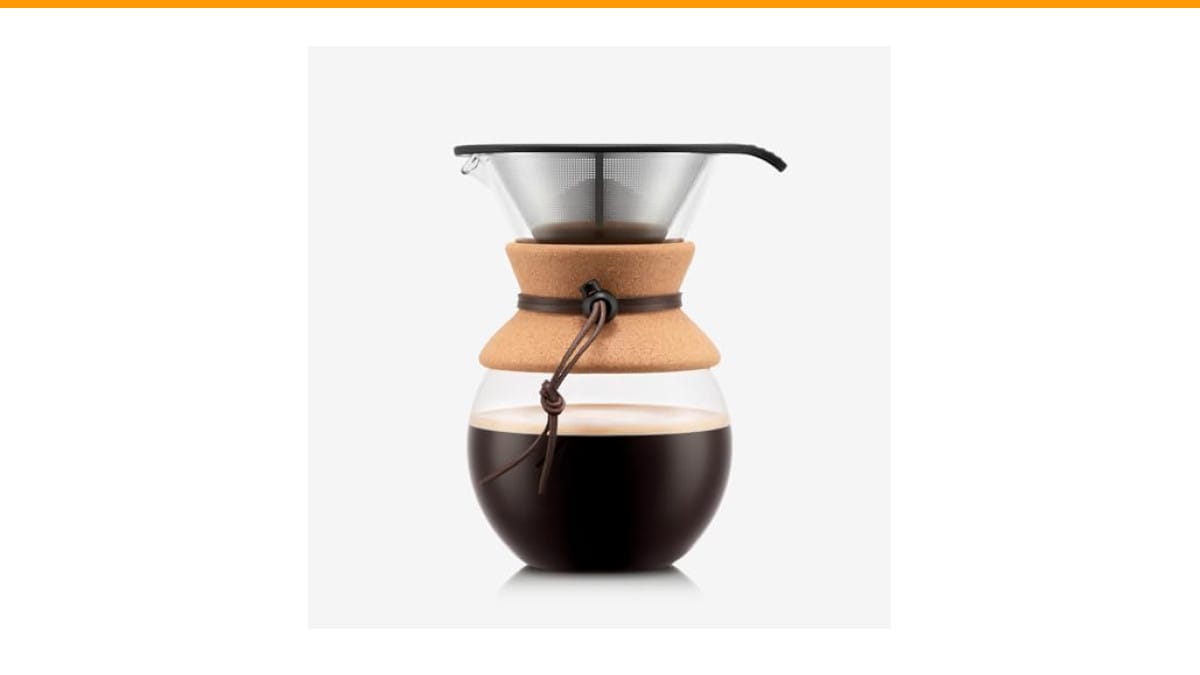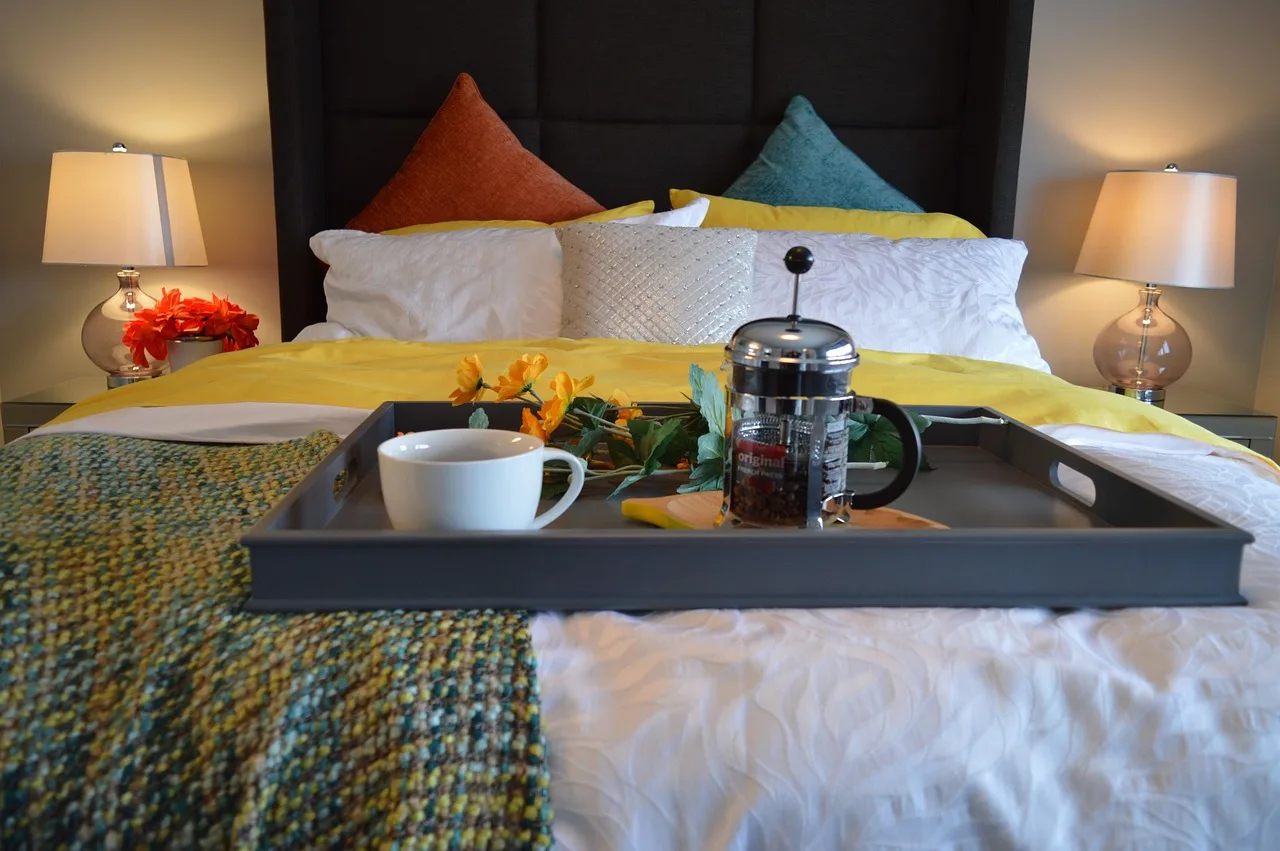
With the same coffee dose and brew ratio, French press can deliver slightly more caffeine per cup than drip. The bigger shift comes from water yield and concentration, not a large extraction gap. If you ignore dose and ratio, you compare cups that are not actually equal and misread the caffeine difference. This guide compares both methods under the same-dose setup, shows where the numbers differ, and explains what to change at home.
| Factor | Drip coffee caffeine | French press | Winner |
|---|---|---|---|
| Caffeine control | More predictable when you keep dose and yield steady; paper filters do not create much variation on their own. | Can run a little higher per cup, but the result shifts more with grind, steep time, and how hard you plunge. | Drip coffee caffeine |
| Body and clarity | Cleaner, brighter cup with less oil and sediment. | More body, more oils, and some fine sediment in the cup. | French press |
| Cholesterol relevance | Paper filtration removes most cafestol and kahweol. | Metal mesh leaves more of those diterpenes in the brew. | Drip coffee caffeine |
| Cleanup and consistency | Usually easier to clean, especially with a paper filter and an automatic brewer. | More hands-on, with grounds to rinse and a plunger to clean. | Drip coffee caffeine |
| Stronger-tasting cup | Can taste strong if the dose is high, but often reads lighter on the tongue. | Usually reads stronger in body and texture at the same dose. | French press |
Body, clarity, and why dose outweighs ratio for caffeine
The trade-off is straightforward. Drip coffee gives a cleaner cup with paper filtration, while French press keeps more oils and fine particles in the drink, which changes texture more than caffeine on its own. If you want a direct caffeine comparison, keep dose, water, and yield matched first.
What changes when you switch filters and brew style
French press brews by steeping grounds in water for about four minutes, then a metal filter separates the liquid from most of the grounds. Drip coffee sends water through a paper filter, which makes the brew cleaner and milder. Those differences matter for body, clarity, and sediment.
Why dose matters more than brew ratio for total caffeine
Total caffeine depends mostly on how much coffee you dose. Brew ratio changes concentration more than total caffeine, unless the ratio also changes the final yield or pushes extraction far enough to alter what ends up in the cup. A smaller cup can taste stronger without carrying much more caffeine.
Say your French press steeps a full carafe for four minutes, while a drip machine turns the same amount of grounds into a larger, milder batch. The French press may taste bolder because less water dilutes the result, but that does not automatically mean the cup contains much more caffeine.
Drip coffee caffeine vs French press table
| Criterion | Drip coffee caffeine | French press | Winner |
|---|---|---|---|
| Target ratio | About 1:16 starting point. | About 1:15 to 1:17. | Tie |
| Expected cup volume | Often a fuller yield because the paper bed holds back liquid differently. | Often a slightly smaller, more concentrated serving after plunging. | Drip coffee caffeine |
| Likely caffeine range per 8 oz | Recipe-dependent; one cited comparison gives 8.6 mg of caffeine per gram. | Recipe-dependent; one cited comparison gives 12.1 mg of caffeine per gram. | French press |
| Body and sediment level | Low sediment, lighter texture. | Higher body with visible fine sediment. | French press |
| Cholesterol relevance | Lower concern because paper filtration removes most diterpenes. | Higher concern because metal mesh retains cafestol and kahweol. | Drip coffee caffeine |
| Common failure mode | Too-fine grind can clog the filter or slow the brew, which can turn bitter. | Too-fine grind can create sludge and bitterness. | Drip coffee caffeine |
Does French press or drip coffee have more caffeine?
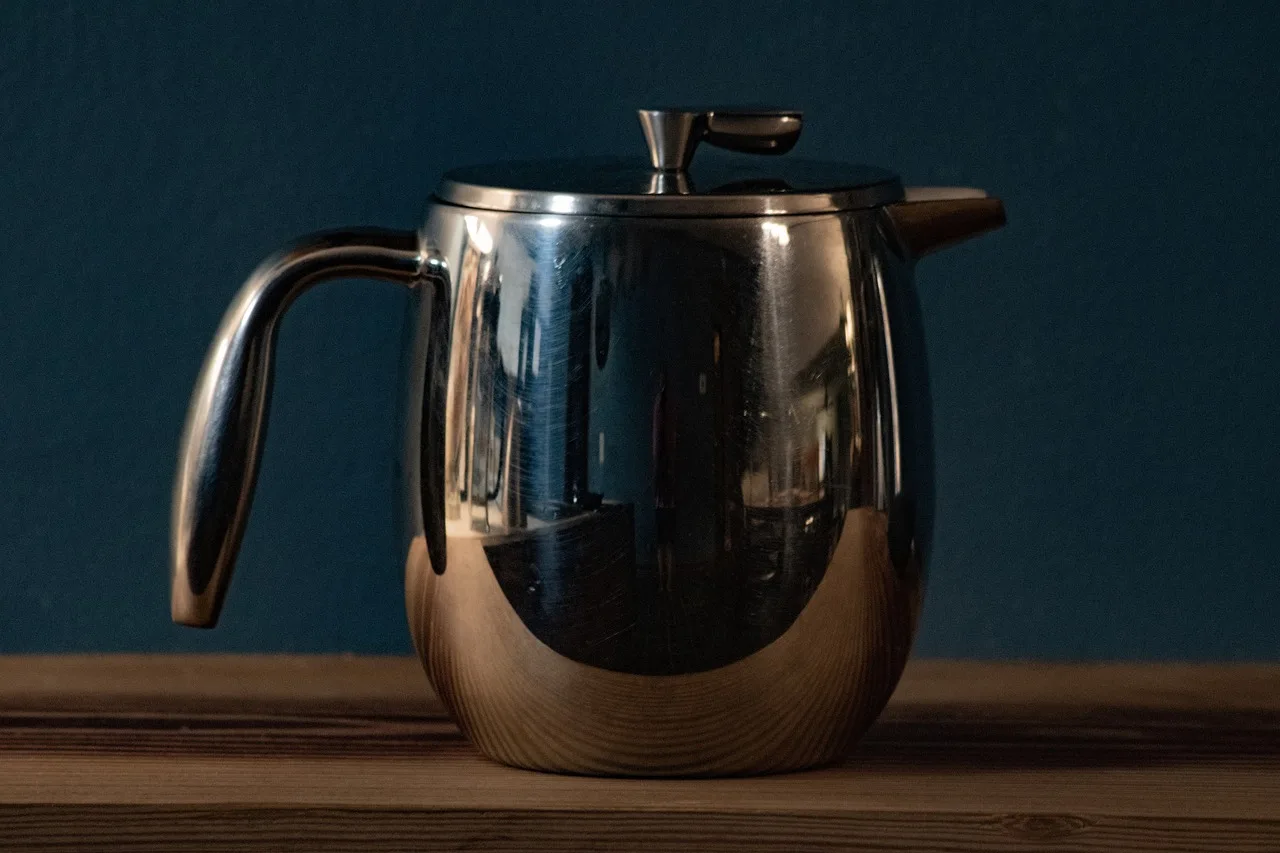
French press often comes out a little higher per cup in same-dose comparisons, but that is not a fixed rule. The numbers move with dose, yield, grind, and extraction, so a larger drip serving can equal or beat a smaller French press cup. The safest comparison is caffeine per gram, then caffeine per 8 oz cup.
Caffeine per gram versus caffeine per 8 oz cup
One cited comparison places French press at 12.1 mg of caffeine per gram and drip at 8.6 mg per gram. That is a recipe-specific comparison, not a universal rule. Per 8 oz, the final number still depends on how much coffee you used and how much liquid ended up in the cup.
How dose, yield, grind, and extraction shift the numbers
Dose is the main lever. Ratio matters because it changes concentration and final serving size, while grind and contact time change how much soluble material moves into the water. French press uses a coarse grind and about a four-minute steep; drip usually uses a medium grind and a 5-7 minute brew window. Those settings affect extraction, but they do not override dose.
Suppose two brews both use 18 grams of the same beans. If the French press yields a smaller 8 oz serving and the drip brewer yields a larger one, the press can taste stronger and show a slightly higher caffeine density per ounce without proving that immersion itself created a large caffeine jump.
Why a stronger-tasting cup is not always a higher-caffeine cup
Strength on the tongue is not the same as caffeine load. French press often tastes fuller because the mesh filter passes oils and fine particles that add weight to the cup. Drip coffee can taste lighter and brighter even when the caffeine level is close, because paper filtration removes much of that material.
How filtration changes body, clarity, and sediment
Filtration is where the sensory gap opens up most clearly. Metal mesh lets more oils and fine sediment into the cup, so French press usually feels heavier and less bright. Paper filtration strips out more of those compounds, so drip coffee tastes cleaner and shows less grit at the bottom of the mug.
Metal mesh filter in French press
The mesh filter is coarse enough to keep grounds out, but not fine enough to remove all oils and particles. That is why French press coffee usually looks denser in the cup and leaves some sediment after the last sip. The result is a rounder mouthfeel, plus more cleanup at the sink.
Paper filter in drip coffee
Paper filters trap fine sediment and most of the oils that make coffee feel heavier. That leaves a cleaner, milder brew with more visible separation between aroma and texture. If you want a brighter cup and less grit, paper filtration usually gets you there faster than changing beans.
Is drip coffee healthier than french press?
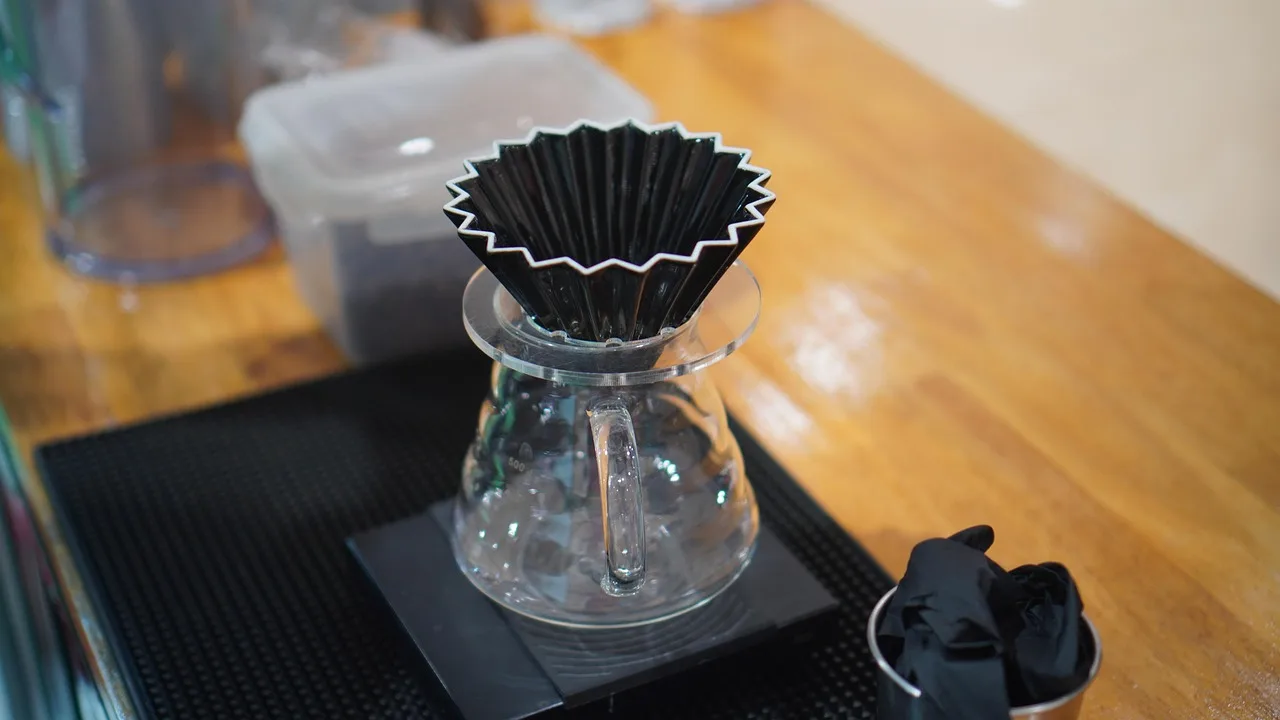
For people watching LDL cholesterol, drip coffee is usually the safer daily habit because paper filters remove most cafestol and kahweol. French press keeps more of those diterpenes in the cup because it lacks paper filtration. The practical question is less about “healthy” versus “unhealthy” and more about how often you drink unfiltered coffee. (Wikipedia)
Cafestol and kahweol in unfiltered coffee
Cafestol and kahweol are the compounds that matter here. French press retains more of them because the metal filter does not remove what paper does. That does not make French press a bad choice for everyone, but it does make it the less cautious choice for anyone tracking cholesterol closely.
Why paper filters matter for LDL cholesterol concerns
Paper-filtered coffee is generally better when cholesterol is the main concern. If you drink several cups a day, the filter choice matters more than if you only drink an occasional mug. A single unfiltered cup is not the same risk profile as a daily habit built around unfiltered brewing.
A common first-timer mistake is assuming drip coffee and French press always deliver the same caffeine kick because they start with the same beans. A person worried about reflux may care most about acidity and serving size, while someone with high LDL should focus first on filtration and how many unfiltered cups they drink each week.
What brew settings give the cleanest comparison?
Use the same beans, the same dose, and the same water if you want the method difference to stand out. For French press, a coarse grind and about four minutes of steeping is the baseline. For drip, a medium grind, paper filter, and a 1:16 starting ratio are the cleaner starting point.
French press ratio and coarse grind targets
French press commonly starts around 1:15 and can live in the 1:15 to 1:17 range. Coarse grind matters because too fine a grind increases sludge and bitterness, and it can make plunging harder. If you over-steep, the cup can turn muddy and harsh even when the dose is right.
Drip ratio, medium grind, and paper filter setup
Drip coffee usually starts around 1:16, with a medium grind that allows water to move through the bed without clogging. The 5-7 minute brew window helps extraction stay in range for many automatic brewers. If the grind is too fine, the filter can slow down and the cup can turn bitter.
Common mistakes that skew bitterness, strength, or cleanup
- Using too little coffee, which makes both methods weak regardless of brew style.
- Grinding French press coffee too fine, which creates sludge and a muddy finish.
- Grinding drip coffee too fine, which can clog the paper filter and slow the brew.
- Changing water volume without noticing it, which alters concentration and makes caffeine comparisons misleading.
- Letting French press coffee sit too long after plunging, which can push bitterness higher.
Choose drip coffee caffeine if… / Choose French press if…
Choose Drip coffee caffeine if you want easier cleanup, lower sediment, and a cup that is easier to keep consistent from day to day. Choose it too if cholesterol is a concern, because paper filtration removes most cafestol and kahweol. It also fits better when you want a cleaner, brighter cup with less hands-on work.
Choose French press if you want more body, a heavier texture, and a method that keeps the setup simple. It also suits you if you want a bold cup and do not mind rinsing grounds from the press. If you are managing LDL cholesterol closely, though, paper-filtered drip is the safer everyday default.

Frequently asked questions
Drip coffee vs french press caffeine
Under the same-dose setup, French press often lands a bit higher in caffeine per cup, but the gap is usually smaller than people expect. Dose and yield matter more than brew style alone. If the drip serving uses more water or more coffee, it can match or exceed French press.
What is better drip coffee or french press?
Neither is better for everyone. Drip coffee is usually better for cleanliness, consistency, and cholesterol concerns, while French press is better for body and a heavier mouthfeel. Your best pick depends on whether you care more about cleanup and clarity or texture and immersion brewing.
Is drip coffee healthier than french press: for LDL cholesterol concerns, drip?
For LDL cholesterol concerns, drip coffee is usually the better choice because paper filters remove most cafestol and kahweol. French press leaves more of those compounds in the cup because it uses a metal filter. If health is the main filter, paper-brewed coffee usually wins.
Which is better for a stronger cup, drip coffee or French press?
French press usually tastes stronger because it keeps more oils and fine sediment in the cup, which increases body. That does not automatically mean it has more caffeine. If you want a stronger-tasting mug, the French press usually gives that impression more easily at the same dose.
Which brewing method is easier to clean, drip coffee or French press?
Drip coffee is usually easier to clean, especially with a paper filter. You can remove the filter and spent grounds in one step, while French press grounds tend to cling to the mesh and the bottom of the carafe. That makes drip the lower-effort choice for daily use.
Products related to this article
Sponsored / affiliate links. As an Amazon Associate I earn from qualifying purchases. I may earn additional commission from eligible campaigns.
 Stainless Steel Moka Pot Coffee Filter Disc for Espresso Brewing, Coffee Maker Replacement Filter Plate for Home Office Coffee Bar Cafe (FOR 4 Cups)
 Coffee Mug Warmer,Cup Warmer with 7 Temp Settings,8H Auto Shut Off & 12H Timer,Fast Bottle Warmers for All Bottles,The Ultimate Coffee Warmer Plate for Beverage Lovers (Wood)
 HomeBeyond Espresso Coffee Maker 12 Cups, Classic Stovetop Espresso Maker, 600ml / 20oz Coffeemaker for Gas & Ceramic Stovetops (Silver)