For many adults, keeping daily caffeine intake at or below roughly 400 mg is a practical rule of thumb: an 8-ounce brewed coffee can contain about 95 to 200 milligrams, a 1-ounce espresso shot is often discussed at roughly 63 mg on average, and cold brew can run higher by cup. I see people miss this all the time. Guess badly and you can end up jittery, short on sleep, or accidentally blow past your daily limit with one large shop drink. Here I break caffeine down by brew method, drink type, and cup size, then use those numbers to help you pick low-, moderate-, or high-caffeine coffee for your target intake.
Coffee caffeine quick answer: what most cups contain

Start with one rule. Total caffeine per serving matters most for intake, while mg per ounce explains concentration.
That split clears up most of the confusion. Espresso is highly concentrated, yet a full mug of drip coffee often delivers more total caffeine than a single shot because the serving is much larger.
As a baseline, USDA FoodData Central can be useful for beverage comparisons because it offers standardized entries for brewed coffee, espresso, and other drinks. In practice, I start with the cup in front of me, then compare the brew method.
- Brewed coffee: an 8-ounce cup can contain about 95 to 200 mg.
- Espresso: many coffee menus treat a single shot as about 63 mg on average, while USDA-style database entries may list one shot as generally about 2 oz and about 127 mg.
- Cold brew: often 100 to 200 mg per 8 oz, with much bigger swings when concentrate is involved.
- Decaf: still contains caffeine, often 2 to 15 mg per 8-ounce cup.
FDA guidance sets 400 mg/day as a general upper limit for healthy adults. That is a safety frame, not a target to hit.
How to use this guide
- Pick your target dose for the drink: around 60 mg, 100 mg, 150 mg, or 200 mg.
- Check the total mg per serving first.
- Use mg per ounce when comparing concentrated drinks like espresso and cold brew.
- Adjust for cup size before assuming two drinks are similar.
- If the drink is from a cafe, check whether it uses one shot, two shots, or concentrate.
How much caffeine is in a cup of coffee?
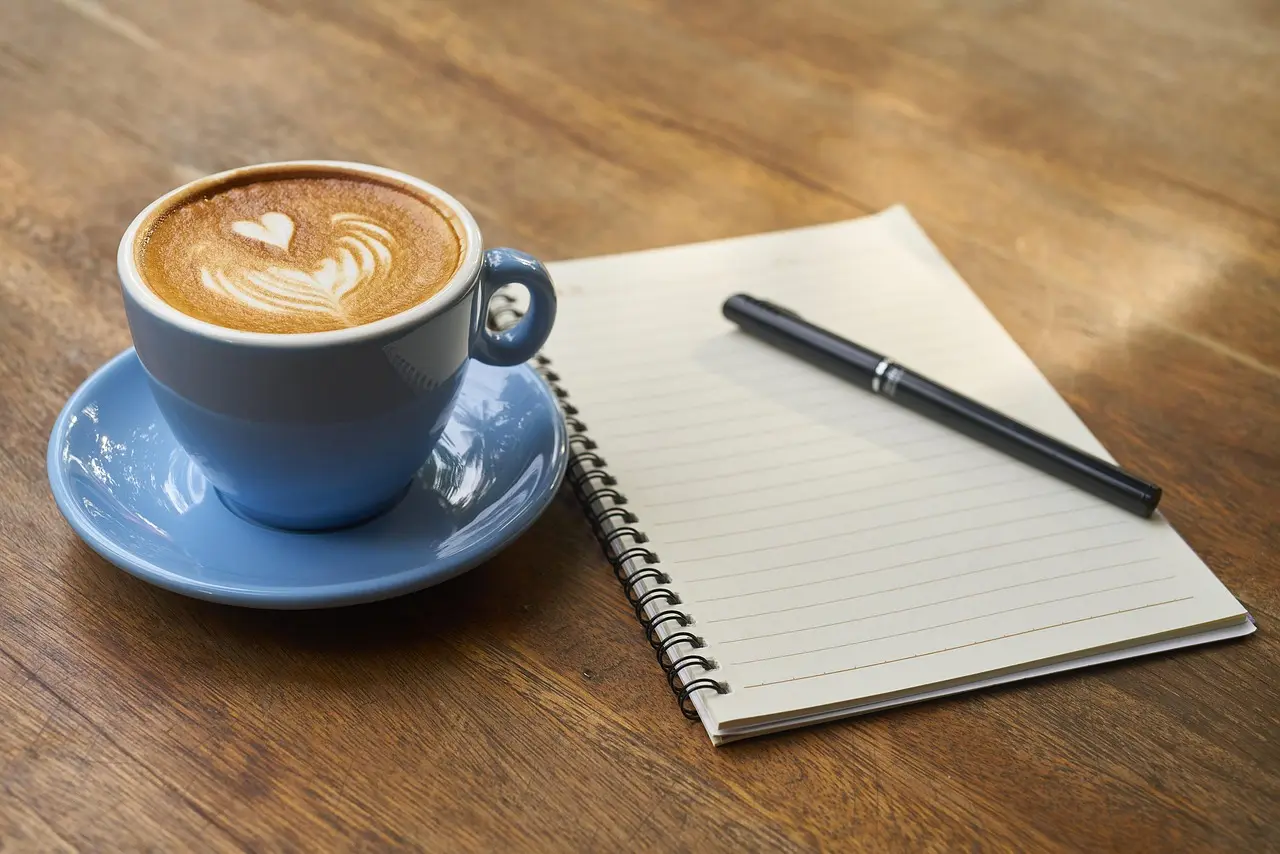
An ordinary cup of brewed coffee usually means drip or filter coffee, and the standard 8-ounce serving can contain about 95 to 200 mg of caffeine. The biggest mistake is ignoring cup size. A larger mug can raise total intake fast, even when the coffee does not taste especially strong.
Brewed coffee is the baseline
For comparison, brewed drip or filter coffee is the most useful starting point. It is the cup many people actually make at home, and it lines up well with the baseline used in USDA FoodData Central entries.
The common published range for an 8-ounce cup is 95 to 200 mg. For a 12-ounce cup, brewed coffee may contain 113 to 247 milligrams of caffeine.
At the same brew strength, a 16-ounce mug would land roughly above that again. In practice, that can push a large homemade coffee close to the same territory as two smaller cups.
Why 8 oz, 12 oz, and 16 oz matter
Serving size changes total caffeine more reliably than it changes concentration. If the brew stays the same, total mg scales up with the ounces poured.
| Drink | Serving size | Total caffeine | Mg per ounce | What it means |
|---|---|---|---|---|
| Brewed coffee | 8 oz | 95 to 200 mg | about 11.9 to 25 mg/oz | Baseline home or office cup |
| Brewed coffee | 12 oz | 113 to 247 mg | about 9.4 to 20.6 mg/oz | Common cafe small-to-medium serving |
| Brewed coffee | 16 oz | roughly 127 to 267 mg at similar strength | roughly similar concentration | Large mug with easy overconsumption risk |
Why home-brewed coffee swings so much
Home-brew variability is real. The coffee-to-water ratio, grind size, brew time, filter style, and how full the cup gets all change the final number.
I have brewed two 8-ounce cups from different recipes that felt miles apart. Total mg per serving is still the better decision tool than taste alone.
Caffeine content by cup size: brewed coffee, espresso, and beyond
Caffeine levels in coffee vary dramatically by serving size and brew method. An 8-ounce cup of drip coffee typically contains about 100 mg, but a 16-ounce mug can double that—while a single espresso shot (1 oz) may pack 63 mg despite its concentrated appearance. This breakdown clarifies how much caffeine you’re actually consuming across common brews, from cold brew to Starbucks drinks, so you can make informed choices based on your tolerance.
For precise comparisons, including decaf and specialty brands, see coffee caffeine amounts.
How more coffee grounds changes caffeine in the cup
If you want more caffeine, the simplest lever is usually the dose: using more coffee grounds generally increases caffeine in the final cup, though the exact result depends on cup size and brew method. The supporting guide breaks down the coffee grounds caffeine relationship with practical examples so you can estimate how many milligrams you’re likely to get instead of guessing.
That matters because more grounds can also make coffee taste bitter if you push extraction too far. The article explains how to raise caffeine more effectively, including how dose changes translate across 1, 2, or 4 cups and which brewing methods deliver more caffeine for the same amount of coffee.
How much caffeine is in coffee by brew method?
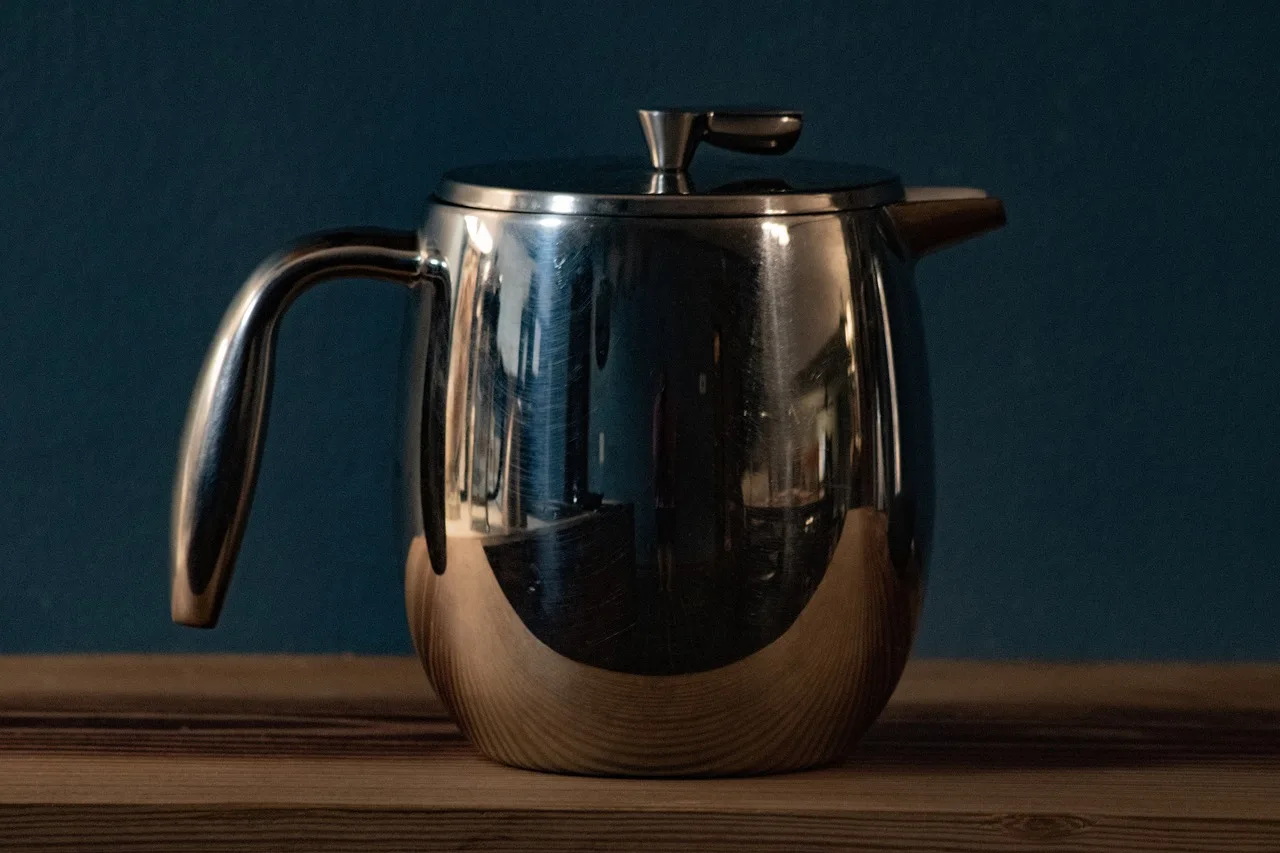
Brew method changes caffeine through contact time, pressure, and recipe. Drip coffee is the usual baseline, French press often sits somewhat below many drip brews per 8 ounces, espresso has the highest concentration per ounce, and cold brew ranges widely because dilution and concentrate recipes change the final cup.
Drip and filter coffee
Drip or filter coffee is the everyday reference point because most people know the format, and it gives the cleanest comparison across home brewers, office pots, and cafe cups. The usual 8-ounce range is 95 to 200 mg, though stronger home recipes can feel far apart even at the same cup size.
When someone asks how much caffeine is in a cup of coffee, this is usually the drink they mean.
French press and immersion brewing
French press is typically listed at 80 to 135 mg per 8 oz serving. Immersion brewing gives coffee and water direct contact for the full brew time, but the final caffeine still depends heavily on dose and steep time.
In practical terms, French press is not automatically stronger than drip. It can be, but it often is not when compared cup for cup.
Espresso and pressure brewing
Espresso uses pressure, a fine grind, and a small serving. That produces a high mg-per-ounce number, which is why espresso tastes intense and works well in milk drinks.
Two figures appear often because shot definitions differ. Many cafes and consumer guides use about 63 mg for a 1-ounce single shot, while one shot of espresso is also generally listed at about 2 oz and about 127 mg of caffeine in some database-style references.
The useful rule is this: espresso is concentrated, but it is usually small.
Cold brew and concentrate
Cold brew is typically listed at 100 to 200 mg per 8 oz serving. The long steeping extraction pulls plenty of caffeine, and many cafes start with concentrate that may or may not be diluted much before serving.
This is where readers get caught. Two 8-ounce cold brews can be far apart if one is ready to drink and the other is essentially concentrate over ice.
Does cold brew have more caffeine than drip coffee?
Sometimes yes, sometimes no. Per serving, cold brew often overlaps brewed drip at about 100 to 200 mg per 8 ounces versus 95 to 200 mg for brewed coffee. The real divider is dilution. Undiluted or lightly diluted cold brew can run much higher, while fully diluted cold brew may land close to drip.
Per serving versus per ounce
This is the comparison that clears up the cold brew debate. A ready-to-drink 8-ounce cold brew and an 8-ounce drip coffee can sit in similar total ranges, so neither wins automatically.
Per ounce, however, cold brew concentrate can be much stronger. That matters when the cup is mostly concentrate plus ice, or when the label calls for dilution and the drink is poured without much of it.
How dilution changes the glass
Cold brew is often served in ways that hide the true dose. A cafe cup can look large because of ice, yet still contain a dense amount of concentrate.
If the shop uses concentrate, ask one question: Is this ready to drink or diluted? That answer matters more than the name on the menu.
A simple choice rule when limiting caffeine
If the goal is to stay near 100 mg, drip is usually easier to judge. If the goal is a larger caffeine hit in a smaller volume, cold brew is more likely to get there fast.
When in doubt, a plain brewed coffee is the safer low-uncertainty order.
How much caffeine is in espresso and espresso drinks?
Espresso has more caffeine per ounce than other common coffee styles, but total caffeine depends on shot count. A single shot is often treated as about 63 mg on coffee menus, while database-style references may list one shot at about 2 oz and 127 mg. Milk does not reduce caffeine, shots still determine the dose.
How much caffeine is in one espresso shot?
For day-to-day ordering, one espresso shot is commonly treated as about 63 mg. That is the practical number many readers use to estimate a cappuccino, latte, or straight shot.
For standardized database comparison, one shot of espresso is also generally listed at about 2 oz and about 127 mg of caffeine. The gap comes from shot size definitions, which is why menu shot count matters more than broad assumptions.
How much caffeine is in a double shot?
A double shot of espresso can contain 200 to 300 milligrams of caffeine. In cafe terms, a double usually means twice the espresso input, so the drink carries a much larger dose even if milk makes it taste softer.
If the menu lists a drink with two shots, treat it as a moderate-to-high caffeine choice. If it has three, it is easy to move into high-caffeine territory fast.
Lattes, cappuccinos, and Americanos inherit shot count
The milk does not change the caffeine. A latte made with one shot carries one shot’s caffeine. An Americano made with two shots carries two shots’ caffeine, even though the added water makes it drink more like brewed coffee.
This is one of the most missed ordering details. Drink size and caffeine dose are often disconnected in espresso drinks.
What makes coffee high in caffeine?
High-caffeine coffee usually comes from one of five things: bean species, more coffee grounds per cup, longer or more effective extraction, concentrate use, and larger serving size. Roast level gets too much attention. In practice, species, recipe, and cup size move the final dose more than roast color alone.
Which coffee bean has the most caffeine?
Robusta has more caffeine than Arabica. Arabica beans contain 1.2-1.5% caffeine by weight, while Robusta beans contain 2.2-2.7%.
That is a major difference. Arabica is common in specialty coffee and is usually chosen for flavor first, while robusta often appears in stronger blends and in coffees marketed for a bigger kick.
Brewing variables that raise caffeine
Higher dose recipes raise caffeine fast. So do recipes with longer contact time, aggressive extraction, or concentrate use.
I see this most clearly with a strong drip ratio, a cold brew concentrate poured with little dilution, or a cafe drink built with extra shots. Those choices matter more than whether the beans are labeled light or dark roast.
Serving size is often the biggest intake driver
A larger cup is still the easiest way to overshoot a target. The caffeine can look harmless because the drink is diluted by water, milk, or ice, yet total mg keeps climbing.
Large shop coffees show the point clearly. Starbucks tall brewed coffee is listed at 260 milligrams, grande brewed coffee at 330 milligrams, and venti brewed coffee at 410 milligrams. That last number is already above the FDA 400 mg/day benchmark.
Which instant coffee packs the most caffeine?
Picking the wrong instant coffee can leave you far below the caffeine you expected, or far above your tolerance. The strongest mainstream option tested comes from Death Wish Instant, delivering roughly 300 mg per prepared 8 oz cup — but that is only one of several paths depending on whether you prioritize maximum punch, lower acidity, or better label clarity. This guide normalizes leading instant brands to the same 8 oz serving, ranks them by strength, and breaks down which pick suits premium daily drinking, travel, budget use, or a clean simple roast.
The result is a straightforward comparison that explains why label claims can mislead and how to choose reliably. See the full rankings in our guide to instant coffee caffeine for specific product details and normalized comparisons.
Which coffee order gives you the biggest caffeine hit?
If you want the strongest coffee order, the answer depends on whether you mean total caffeine or caffeine per ounce. The supporting guide breaks down the highest-caffeine drinks, showing why a large drip coffee or a strong cold brew can deliver more total caffeine than a single espresso, even though espresso is more concentrated. It also helps you choose the right order for your goal, whether that is a fast jolt, a bigger cup, or an iced option.
See the full coffee caffeine ranking for a side-by-side comparison of the main café drinks.
Which coffee beans give you the highest caffeine?
If you want the most caffeine in the cup, the supporting guide points you toward 100% robusta or a robusta-heavy blend, then explains how roast level and brewing ratio affect the final result. It also compares specific high-caffeine products so you can see which beans are designed for maximum strength, not just bold flavor.
That matters because bean type can change caffeine content before you even adjust grind or brew method. A darker roast may taste stronger, but light roast often delivers more caffeine by weight. For a practical breakdown of the highest-strength options, see this high caffeine beans guide.
Coffee caffeine decision matrix
Use this matrix as an ordering tool. Start with total mg if intake is the main concern. Use mg per ounce to compare concentration when choosing between drip, espresso, and cold brew.
| Drink type | Serving size | Total caffeine | Mg per ounce | Best use case |
|---|---|---|---|---|
| Decaf coffee | 8 oz | 2 to 15 mg | about 0.25 to 1.9 mg/oz | Low-caffeine choice, late-day cup, flavor without much intake |
| French press | 8 oz | 80 to 135 mg | about 10 to 16.9 mg/oz | Moderate-caffeine cup with less guesswork than cold brew concentrate |
| Brewed drip coffee | 8 oz | 95 to 200 mg | about 11.9 to 25 mg/oz | Baseline moderate-to-high caffeine, easiest to judge by cup |
| Cold brew | 8 oz | 100 to 200 mg | about 12.5 to 25 mg/oz | Moderate-to-high caffeine, especially useful when a smaller volume is preferred |
| Espresso single | 1 oz | about 63 mg on many menus | about 63 mg/oz | Measured moderate hit in a small serving |
| Espresso shot, database-style entry | 2 oz | about 127 mg | about 63.5 mg/oz | High concentration reference point for comparisons |
| Double espresso | 2 shots | 200 to 300 mg | high concentration | High-caffeine choice when a large dose is the goal |
If you want about 60 mg, 100 mg, 150 mg, or 200 mg, order this
- About 60 mg: one standard espresso shot on a cafe menu is the clearest fit.
- About 100 mg: an 8-ounce French press or lighter brewed coffee is the easiest target.
- About 150 mg: a stronger 8-ounce brewed coffee or a typical 8-ounce cold brew can land near this zone.
- About 200 mg: a high-end 8-ounce brewed coffee, a stronger cold brew, or some double-shot drinks can reach it.
Low-, moderate-, and high-caffeine picks
Low-caffeine: decaf, half-caf if available, or a single espresso instead of a full mug.
Moderate-caffeine: 8-ounce brewed coffee, French press, or a one-shot milk drink.
High-caffeine: cold brew made from concentrate, large brewed coffee, or double-shot espresso drinks.
Bean Type: Arabica vs Robusta Caffeine Levels
The chemical difference between arabica and robusta beans is one of the primary drivers of total caffeine intake, often outweighing roast level. Robusta beans contain roughly twice the caffeine of arabica, with typical concentrations ranging from 1.7% to 3.5% by bean weight compared to just 0.8% to 1.4% for arabica. While serving size remains a critical factor, understanding these baseline differences helps explain why a standard cup of robusta-based blend may deliver a stronger stimulant effect than its arabica counterpart. The detailed chemical breakdown and practical brewing implications are covered in arabica vs robusta caffeine.
Coffee Caffeine vs Matcha Caffeine: Strength, Stomach Comfort, and Sleep Timing
An 8 oz cup of coffee delivers roughly 95 mg of caffeine, while a serving of matcha typically provides 30 to 70 mg. Choosing between them depends on whether you need a strong, fast-acting lift or a gentler, more sustained focus without jitters.
Beyond milligram counts, the two drinks differ in how they affect your stomach and your sleep schedule. Our breakdown of coffee versus matcha caffeine compares strength, active compounds, digestive comfort, and timing so you can pick the right option for your daily routine and avoid feeling flat or staying awake too late.
Coffee caffeine vs soda caffeine by the ounce
Brewed coffee averages 96 mg of caffeine per 8-ounce cup, while cola delivers roughly 33 mg in the same volume. Because a standard 12-ounce can of soda still contains less caffeine than a single 8-ounce mug of drip coffee, comparing drinks by serving size alone often leads to underestimating your daily intake.
Understanding these density differences matters if you are trying to stay within recommended limits or switch between beverages without altering your alertness. Our breakdown of coffee versus soda caffeine compares milligrams per ounce and per typical serving, helping you judge real-world portions accurately instead of relying on assumptions about which drink is stronger.
How much caffeine does coffee have compared with tea or energy drinks?
Coffee usually delivers more caffeine per serving than tea, though large energy drinks can compete or exceed it depending on can size and formula. The smart comparison is by total milligrams in the full container, not by category name, because “tea” and “energy drink” both cover a wide range.
coffee caffeine content vs tea
Tea is often the lower-caffeine choice, especially when the goal is to avoid a full coffee dose. Even strong tea commonly lands below many brewed coffees per serving, though the exact gap depends on tea type, steep time, and cup size.
That makes tea a practical option when cutting back without moving all the way to decaf.
Coffee versus energy drinks
Energy drinks can be easier to judge because the label usually states the caffeine. Coffee is less predictable unless the shop publishes numbers or the brew recipe is consistent.
Still, a large cafe coffee can rival or exceed many packaged caffeine drinks. Serving size is the trap in both cases.
When a lower-caffeine drink makes more sense
If the goal is to stay under 400 mg for the day, switching drink type may work better than trying to guess a smaller coffee. Tea, decaf, or a single-shot milk drink can give more control than a large brewed cup.
Coffee Caffeine vs Energy Drink Caffeine: Dose and Stimulant Load
A standard 240 ml cup of coffee delivers roughly 60–100 mg of caffeine, while a 250 ml energy drink can contains 80–150 mg. Comparing per-serving numbers alone is misleading because container sizes vary widely; a large mug or oversized can can push total stimulant intake well past intended limits.
Energy drinks often include additional compounds like taurine and B-vitamins that alter how quickly the caffeine feels active. Understanding these differences helps you match your beverage to your alertness goals without triggering jitters. Our detailed breakdown of coffee versus energy drinks compares serving sizes, additives, and total stimulant load so you can choose the option that fits your daily caffeine target.
How long does coffee caffeine last, and how much is too much?
Coffee caffeine lasts longer than the immediate buzz suggests. A practical way to think about it is half-life: several hours after drinking coffee, a meaningful share is still in the system. For healthy adults, the FDA daily upper bound is 400 mg/day, but tolerance and timing still matter well below that.
Why timing matters
Caffeine can outlast the alert feeling. A cup taken late in the day may still affect sleep even if it felt mild at the time.
I have felt the same 150 mg very differently depending on the hour. Total daily intake matters, but so does when the last dose happens.
Using 400 mg/day as a ceiling, not a goal
The FDA daily upper bound is 400 mg/day for healthy adults. It is best treated as a cap for planning, not as a recommendation.
One very large coffee shop drink can consume most of that allowance. Starbucks venti brewed coffee is listed at 410 milligrams, which shows how quickly the day can get away from someone who assumes brewed coffee is always moderate.
Signs the dose was too high for the moment
Restlessness, shakiness, a racing feeling, stomach discomfort, and trouble sleeping are common signs the drink was stronger than expected or poorly timed. The fix is usually simpler ordering: smaller size, fewer shots, or a switch away from concentrate-based drinks.
How much coffee fits a healthy caffeine limit?
If you want a practical ceiling for daily intake, this guide explains how coffee adds up against the commonly cited 400 mg caffeine limit for healthy adults. It shows why “cups” can be misleading, since brew strength and serving size can push the same coffee well under or over your target.
Use the supporting article to estimate how much caffeine is in your mug, translate that into a safer cup count, and decide when a lower amount makes more sense. For a clear breakdown, see coffee caffeine limits.
How much coffee is safe to drink in a day?
The safest way to answer this is to think in caffeine, not just cups. For most healthy adults, the usual upper limit is about 400 mg per day, which is roughly 3 to 4 regular 8-ounce cups of brewed coffee; during pregnancy, the commonly advised limit is 200 mg. The detailed guide on coffee safe per day explains how those limits are set, why different brewing methods change the total, and how to count other caffeine sources so you do not accidentally go over your budget.
Frequently asked questions
How much caffeine is in decaf coffee?
Decaf is not caffeine-free. Decaf coffee may contain 2 to 15 milligrams per 8-ounce cup, and the residual amount varies by process and preparation. That is low enough for many people seeking a small intake, but it still counts if several cups are consumed.
can you eat coffee grounds for caffeine
It is a poor choice. Coffee grounds do contain caffeine, but the dose is hard to judge, the taste is harsh, and the texture can upset the stomach. A measured beverage is much easier to control, especially for anyone trying to stay under a daily caffeine limit.
Products related to this article
Sponsored / affiliate links. As an Amazon Associate I earn from qualifying purchases. I may earn additional commission from eligible campaigns.
 HomeBeyond Espresso Coffee Maker 12 Cups, Classic Stovetop Espresso Maker, 600ml / 20oz Coffeemaker for Gas & Ceramic Stovetops (Silver)
 8 Pcs Wooden Coffee Spoon, Long Handle Wwood Spoons for Eating
 Quick Heating Cup Warmer, Three Temperature Settings, Splashproof and Portable, for Coffee, Milk, Lightweight ABS Material