You bought a reusable filter to save money and stop tossing paper cones. Then you noticed something odd. Your coffee tastes different than it did with paper. Maybe it tastes richer. Maybe it tastes bitter. Maybe there’s fine sludge at the bottom of your mug that wasn’t there before.
That difference comes down to what your filter is made of. Stainless steel mesh and plastic frames aren’t just about durability. They change how water moves through coffee, what oils end up in your cup, and how much sediment you’ll chew on. This article breaks down the real differences between stainless steel vs plastic reusable coffee filters so you can pick the right one for your brewer and your taste.

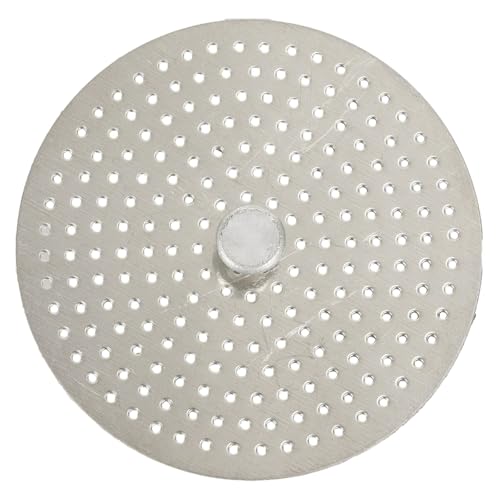
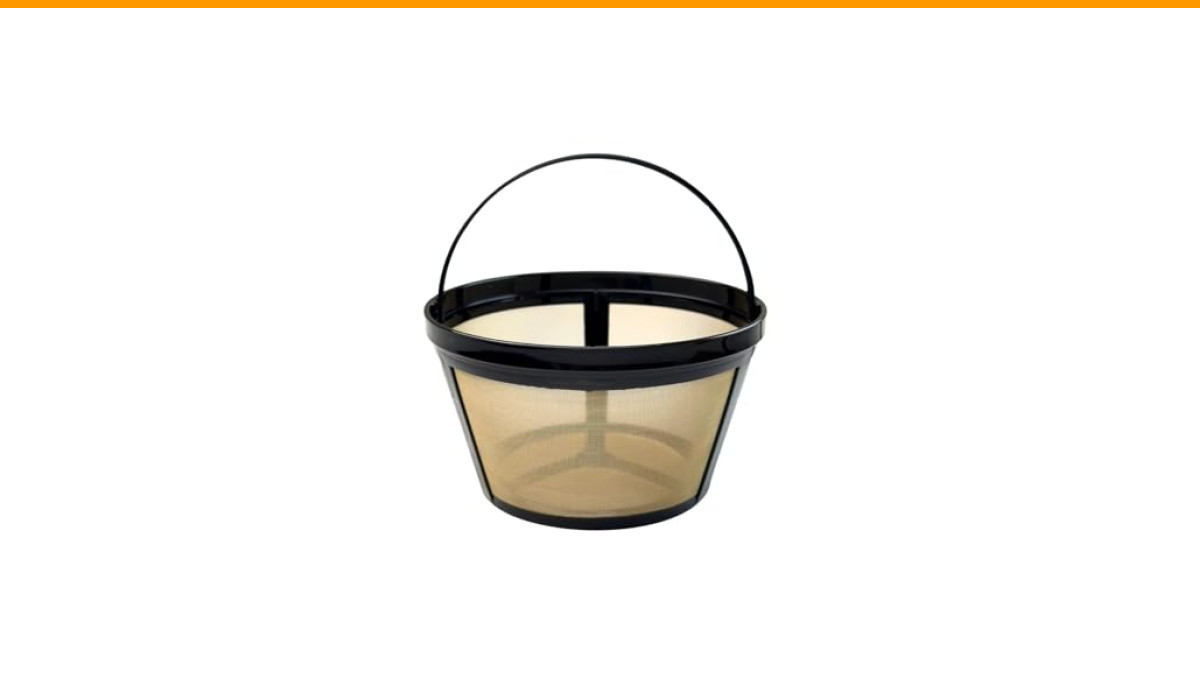
Tronmei
Tronmei 8-12 Cup Reusable Coffee Filter for…
- 【⚠️ FOR 8-12 CUP MACHINES ONLY (NOT 4-6 CUP)】 Perfectly fits most standard 8-12 cup basket-style brewers, including top brands lik…
- 【Size + Materials】 Size: 4.5" (Top) | 3.2" (Base) | 2.5" (Height) Materials: Food-Grade 304 Steel (Mesh) + BPA-Free Plastic (Frame…
- 【SAVE MONEY + CUT WASTE】 Reusable steel filter = no more paper filter restocks. 8-12 cup users toss 600+ paper filters/year – swap…
As an Amazon Associate I earn from qualifying purchases.
We tested several filters side by side in a standard 8-12 cup basket brewer, measured brew times, looked at the grind retention, and paid attention to how each material held up after weeks of daily use. You’ll walk away knowing exactly which filter type fits your routine.
If you’re using an 8-12 cup Mr. Coffee or Black+Decker machine, the Tronmei 8-12 Cup Reusable Coffee Filter pairs a food-grade 304 stainless steel mesh with a BPA-free plastic frame. That hybrid design gives you the flavor benefits of steel where it matters, with a sturdy rim that won’t bend when you knock it against the sink.
What Each Material Actually Does to Your Brew
Paper filters trap coffee oils and fine particles. That’s why paper-brewed coffee looks cleaner and tastes brighter. Steel mesh lets those oils pass through. Those oils carry flavor compounds and body. You get a heavier mouthfeel and a more aromatic cup, but you also get sediment.
Plastic-only filters, usually made with fine holes or a mesh-like structure, sit somewhere in between. They don’t trap as much as paper, but they do catch more fines than a coarse steel mesh. The trade-off is that plastic can absorb odors over time. Coffee oils stick to the plastic surface, go rancid, and your next brew picks up a stale note.
Stainless steel doesn’t absorb anything. A quick rinse removes the oils. That’s a big deal if you brew daily and don’t want to deep-clean your filter every weekend.
One thing we noticed in testing: steel mesh filters drain faster than plastic ones. That sounds good, but it’s not always. If your grinder produces a lot of fine particles, a fast-draining steel filter can let those fines through and make your coffee taste over-extracted and gritty. A plastic filter with smaller holes slows the flow, which can actually help if you’re using a blade grinder that produces inconsistent particle sizes.
Durability, Cleaning, and Long-Term Costs
Plastic filters are cheap. You can often find them for a few dollars. But they don’t last. The hinges on fold-style plastic filters break. The tabs snap off. The plastic itself gets cloudy and scratched, and those scratches become hiding spots for coffee residue.
Stainless steel mesh, especially 304 grade, handles heat and repeated washing without breaking down. The Tronmei filter we tested survived dozens of dishwasher cycles without warping. The steel mesh stayed taut, and the plastic frame didn’t crack. That’s the benefit of a hybrid design: steel where it touches coffee, plastic where you need structural rigidity.
Cost math works in favor of any reusable filter if you brew regularly. A pack of 100 paper filters runs $8 to $15. If you brew one pot a day, that’s $30 to $55 a year. A good steel filter costs $10 to $20 and lasts years. The savings are real, but the environmental argument is stronger. You’re keeping hundreds of paper filters out of the trash annually.
Cleaning is where steel wins outright. A steel mesh filter rinses clean under running water in five seconds. Plastic filters need more attention because oils cling to the surface. You’ll want to soak plastic filters in a vinegar solution weekly to keep them from going rancid.
Fit and Compatibility: The Hidden Gotcha
Most basket-style brewers take either a 4-6 cup filter or an 8-12 cup filter. They look similar, but the dimensions differ. An 8-12 cup filter is wider at the top and taller. If you jam a 4-6 cup filter into an 8-12 cup machine, water pools over the top, coffee grounds overflow, and you get a weak, messy brew.
Before you buy any reusable filter, measure your current paper filter. Lay it flat and check the width at the top and bottom. The Tronmei filter measures 4.5 inches at the top, 3.2 inches at the base, and 2.5 inches tall. That matches standard 8-12 cup basket filters for Mr. Coffee, Black+Decker, Proctor Silex, and similar machines.
One caveat: some machines have a narrower brew basket than others. Even if the filter fits the basket, it might sit too high and block the spray head. Test with water first before you brew a full pot. Run a cycle with no coffee and see if water distributes evenly.
If you’re dealing with a machine that won’t brew at all, that’s a separate issue. Check our guide on Mr Coffee not pumping water before you blame the filter.
Side-by-Side Comparison Table
| Feature | Stainless Steel Mesh | Plastic Filter | Hybrid (Steel + Plastic Frame) |
|---|---|---|---|
| Flavor profile | Full-bodied, rich, more oils | Cleaner, closer to paper | Full-bodied, same as steel |
| Sediment in cup | Noticeable fines | Minimal | Noticeable fines |
| Durability | Excellent, decades | Poor, cracks in months | Very good, years |
| Cleaning effort | Rinse in seconds | Needs soaking, absorbs odors | Rinse in seconds |
| Dishwasher safe | Yes | Usually, but warps over time | Yes, top rack |
| Odor retention | None | High, goes rancid | None on steel, frame is fine |
| Best for | Daily drinkers, medium-coarse grind | Occasional use, fine grind | Daily use, standard basket brewers |
The hybrid option exists because it solves the two biggest complaints about pure steel filters: they’re flimsy at the edges, and they can scratch the brew basket. A plastic frame adds rigidity without touching the coffee bed.
Grind Size Matters More Than You Think
Your filter choice interacts with your grind size. A coarse grind works great in a steel mesh filter. The water flows through quickly, and the mesh catches the larger particles. A fine grind, like what you’d use for a drip machine with paper filters, creates a sludge problem in steel. The fines pass through and settle at the bottom of your pot.
If you’re using a blade grinder, you’re getting a mix of boulder-sized chunks and dust. That dust goes straight through steel mesh. You’ll notice a muddy layer in your cup. A plastic filter with smaller pores handles this better, but you lose the flavor benefits of steel.
The fix is a better grinder. A burr grinder vs blade comparison shows why consistent particle size matters. With a burr grinder set to medium-coarse, a steel filter produces a clean, rich cup with minimal sediment.
If you’re not ready to upgrade your grinder, start with a slightly coarser setting than you used with paper. Test a batch, check the bottom of your mug, and adjust. It took us a week to dial in the right grind size for our test brewer.
Frequently Asked Questions
Does a stainless steel filter make coffee taste bitter?
It can, but not because of the metal. Steel filters let fine coffee particles through. Those particles keep extracting after the brew finishes, and that over-extraction tastes bitter and harsh. A coarser grind and a slightly shorter brew time fix this. The steel itself doesn’t add any flavor.
Can I use a stainless steel filter in a Keurig or single-serve machine?
No, not this type. The Tronmei filter is designed for 8-12 cup basket-style brewers. Keurigs use a completely different pod system. You’d need a reusable K-cup pod, which is a separate product. Check your machine’s manual to confirm it uses a basket filter before buying.
Why does my coffee have grounds in the bottom with a steel filter?
That’s normal. Steel mesh isn’t paper. It has holes, and fine particles get through. Rinsing the pot before pouring helps, but you’ll always see a little sediment. If it bothers you, switch to a plastic filter or use a slightly coarser grind. Some people pour their coffee through a paper filter after brewing, but that defeats the purpose.
How often should I clean a reusable coffee filter?
Rinse it under hot water after every use. That removes the oils before they oxidize. Once a week, soak it in a solution of one part white vinegar to three parts water for 15 minutes. Rinse thoroughly. If you’re lazy like us, the top rack of a dishwasher works fine for steel filters, but hand rinsing is faster.
Will a reusable filter work with a Mr. Coffee machine?
Most likely yes. Mr. Coffee machines use standard basket filters. The Tronmei filter is specifically sized for 8-12 cup Mr. Coffee and Black+Decker models. Measure your current paper filter to be sure. If you’re having other issues with the machine, like buttons not responding, that’s a separate fix. Check our troubleshooting guide for Mr Coffee buttons not working.
What We’d Buy and What We’d Skip
If you brew daily and want the best flavor, get a stainless steel mesh filter. The richer cup and easy cleanup outweigh the minor sediment issue. The Tronmei hybrid filter is a solid pick because the plastic frame keeps the mesh taut and prevents it from collapsing into the brew basket.
Skip pure plastic filters unless you’re on a tight budget and brew occasionally. They work, but they degrade fast and start affecting flavor within a few months. The smell of stale coffee oil never fully goes away, no matter how much you soak them.
Skip steel filters if you use a blade grinder and refuse to change your grind size. You’ll get a gritty cup every single time. Upgrade your grind first, then switch to steel.
Here’s the short list:
- Stainless steel mesh gives you the richest, most aromatic cup because it preserves coffee oils.
- Plastic filters are cheaper upfront but absorb odors and crack within months.
- A hybrid design with a steel mesh and plastic frame offers the best balance of durability and flavor.
- Grind size matters more than filter material. Coarse grinds work best with steel.
- Rinse your filter immediately after brewing to avoid rancid oil buildup.
- Measure your basket before buying. An 8-12 cup filter won’t fit a 4-6 cup machine.
- Expect a little sediment with steel. It’s a trade-off for better flavor.
One last thing. If your coffee tastes bitter even after switching filters, it might not be the filter at all. Old beans, hard water, or a dirty machine all cause bitterness. Check our guide on why coffee tastes bitter after cleaning for the full rundown.
Products related to this article
Sponsored / affiliate links. As an Amazon Associate I earn from qualifying purchases. I may earn additional commission from eligible campaigns.