You bought good beans. Maybe a single-origin Ethiopian or a solid local roast. You get home, open the bag, and the whole kitchen smells fantastic. Then two weeks later, you brew a cup and it tastes flat. Dull. Nothing like what the roaster intended.
The problem isn’t your brewing. It’s your storage. Most coffee bags have a one-way valve, but they aren’t designed for long-term freshness. Once you open them, oxygen starts working against you. The oils in the beans oxidize, volatile aromatics escape, and the coffee goes stale faster than most people realize. This article walks through practical small kitchen coffee bean storage container ideas that fit tight counters and actually preserve flavor.

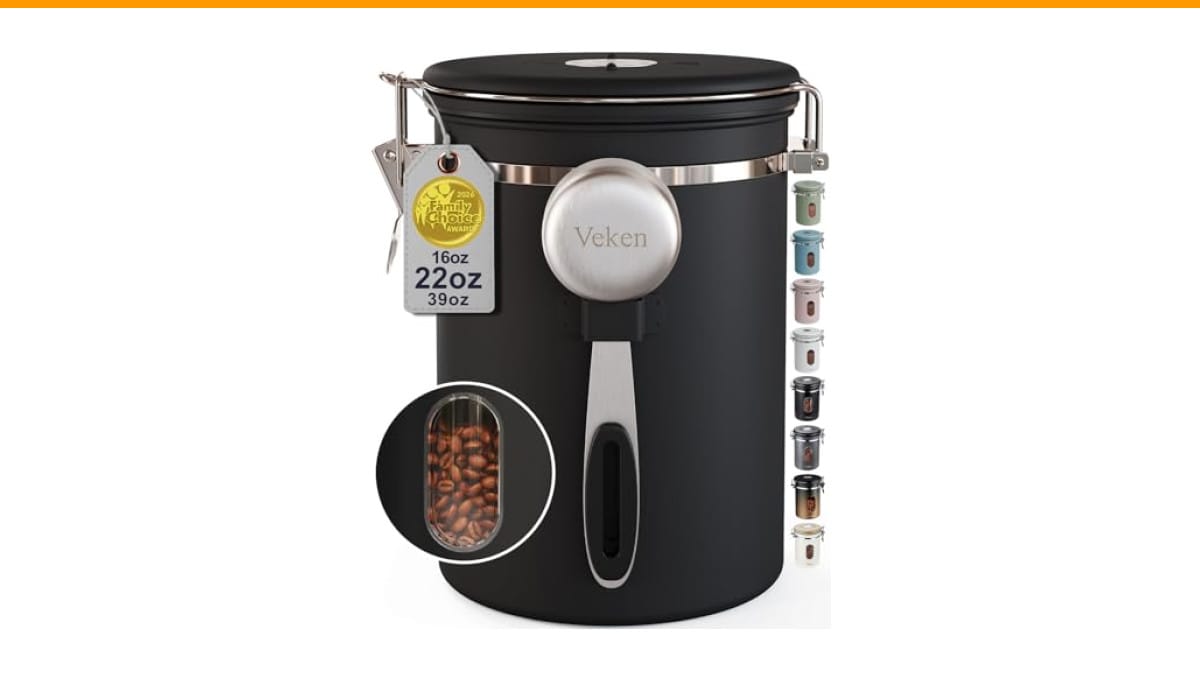
Veken
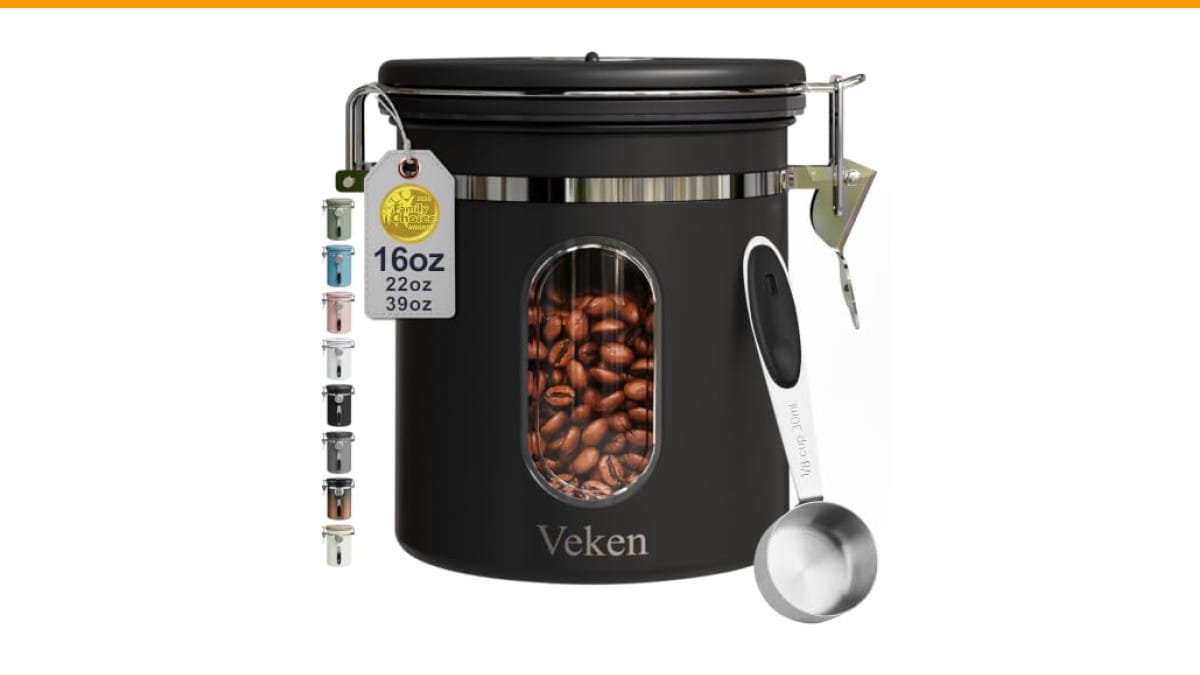
Veken Coffee Canister with Window,Airtight Stainless Steel…
- Freshness Is Everything: Our coffee canister helps maintain the freshness of your coffee beans by keeping air out and helping redu…
- Gifts for Coffee Lovers: This elegantly designed jar is a stylish and functional gift for coffee lovers, friends, and family. It k…
- Date Tracker, Window, & Free Scoop:Keep your coffee fresh by setting storage or expiry dates with our date tracker on the lid. A h…
As an Amazon Associate I earn from qualifying purchases.
You’ll learn what material works best, how much you really need to spend, and which features matter versus which are gimmicks. I’ll also share what I’ve learned testing different containers side by side in my own kitchen.
One option that checks most boxes is the Veken Coffee Canister with Window. It uses a one-way CO2 valve and a silicone seal to keep air out, plus a date tracker on the lid so you know when your beans went in. The 16-ounce size fits most 12-ounce bags of beans with room to spare.
Why Your Current Storage Is Failing You
Let’s be direct. The biggest enemy of coffee is oxygen. The second is light. The third is heat. Your beans lose flavor compounds continuously after roasting, but exposure to air speeds up the process dramatically.
Here’s what happens: roasted coffee releases CO2 for days after roasting. That’s why bags have one-way valves. But once you open the bag, oxygen rushes in. The beans start oxidizing. In about 7 to 10 days, you’ll notice the difference. By day 14, most beans taste noticeably stale.
Your countertop is also a problem. Most kitchens get warm near the stove or dishwasher. Heat accelerates the staling process. And if your container is clear glass sitting in direct sunlight, the UV rays break down the flavor compounds even faster.
So what’s the fix? You need a container that’s airtight, opaque or tinted, and kept away from heat sources. That sounds simple, but many popular containers fail on at least one of these.
What Actually Matters in a Coffee Container
Not all containers are created equal. Here’s what I look for when testing a new one.
Airtight Seal vs. One-Way Valve
An airtight seal keeps oxygen out completely. A one-way valve lets CO2 escape without letting air in. Fresh beans release CO2 for up to two weeks after roasting. If you seal them in an absolutely airtight container, pressure builds up. That pressure can push the seal open or, in extreme cases, deform the container.
The ideal setup combines both: a one-way valve to vent CO2 and a tight seal to block oxygen. The Veken canister does this. The valve sits on the lid and the silicone ring creates the seal. In my testing, beans stayed noticeably fresher at day 10 compared to beans stored in the original bag.
Material Matters More Than You Think
Stainless steel is the gold standard. It blocks light completely, doesn’t absorb odors, and doesn’t break when you drop it. Ceramic works well too, but it’s heavy and fragile. Glass looks nice but lets light in unless it’s tinted. Plastic is light and cheap, but some plastics absorb coffee oils over time, which can make the next batch taste off.
One thing I’ve noticed: cheap plastic containers often have seals that degrade within six months. The gasket gets compressed, loses its flexibility, and stops sealing properly. You won’t notice it right away, but your coffee will.
Size and Shape for Small Kitchens
Counter space is precious. A tall, narrow container uses less surface area than a wide squat one. The Veken’s 16-ounce capacity handles a standard 12-ounce bag of beans without being bulky. It’s about the size of a large mason jar but with a much better seal.
If you buy beans in bulk, you’ll need a bigger container. But for most home users, 16 ounces is the sweet spot. It holds enough for a week or two of daily brewing without taking up half your counter.
Comparing Popular Storage Approaches
Let’s break down the main options you’ll see online. I’ve tested all of these at some point, and each has trade-offs.
| Container Type | Freshness Retention | Best For | Watch Out For |
|---|---|---|---|
| Original bag with clip | Poor after opening | Short-term (3-5 days) | Bag doesn’t reseal well; oxygen gets in |
| Glass jar with clamp lid | Good if sealed properly | Visible storage, aesthetics | Light exposure; fragile; seals can fail |
| Ceramic canister | Good | Countertop display | Heavy; expensive; no CO2 valve |
| Stainless steel with one-way valve | Excellent | Serious home brewers | Costs more; can’t see inside without a window |
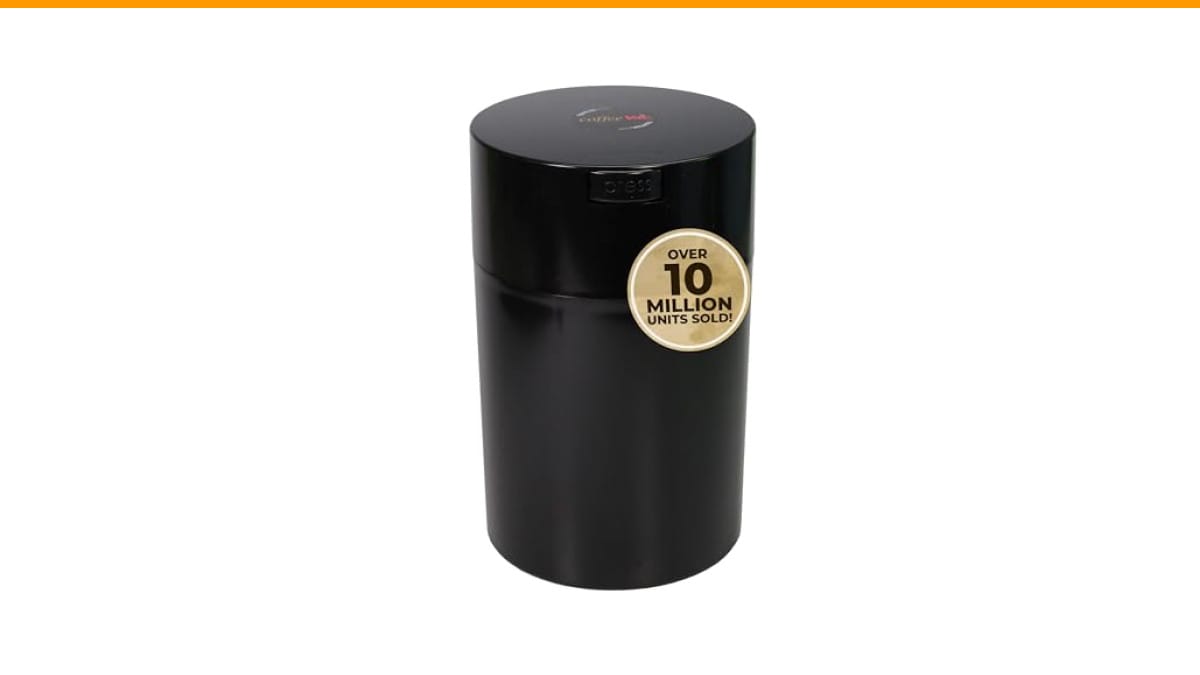
| Vacuum-sealed container | Best | Long-term storage, freezing | Bulky; pump mechanism can fail; expensive |
Vacuum containers win on paper, but they’re not practical for daily use. You have to pump them every time you open the container. That gets old fast. For most people, a quality stainless steel canister with a one-way valve is the best balance of freshness and convenience.
Practical Tips for Storing Coffee in Small Kitchens
You don’t need a huge setup. You just need to follow a few rules.
- Transfer beans immediately. Don’t leave them in the bag once you open it. Move them to your container right away.
- Keep the container away from the stove. Heat is a silent killer. A spot near the window or the microwave is better than next to the burners.
- Don’t refrigerate or freeze beans. Unless you’re storing them for more than a month, room temperature is fine. The fridge introduces moisture and odors. Freezing works if you do it right, but it’s more hassle than most people need.
- Write the roast date on the lid. The Veken has a date tracker dial. If your container doesn’t, use a piece of tape or a dry-erase marker. You’ll thank yourself later.
- Buy smaller bags. A 12-ounce bag lasts most people 1-2 weeks. That’s the sweet spot. Buying a 2-pound bag to save money often means the last half goes stale.
One more thing: don’t grind ahead. Whole beans stay fresh much longer than ground coffee. Grind right before brewing. If you need a grinder recommendation, check out our guide on burr grinder vs blade to see why burr grinders are worth the upgrade.
Common Mistakes People Make
I’ve seen people spend $40 on a fancy container and then ruin their coffee anyway. Here’s what goes wrong.
First, they store the container in a cabinet above the stove. That cabinet gets hot every time you cook. The beans roast again, in a bad way. Move it somewhere cooler.
Second, they leave the container open while they scoop out beans. Every second it’s open, oxygen and humidity get in. Open, scoop, close. Make it a habit.
Third, they wash the container with soap and don’t rinse thoroughly. Soap residue can linger and taint the next batch. Use hot water and a clean cloth. Dry it completely before adding new beans.
Fourth, they ignore the one-way valve. Some containers have a small hole on the lid. That’s not a defect. It’s the CO2 vent. Don’t cover it with tape or a sticker.
If your coffee tastes bitter or off, it might not be the storage. Sometimes it’s a cleaning issue with your equipment. We have a post on why coffee tastes bitter after cleaning that covers this exact problem.
Frequently Asked Questions
How long do coffee beans stay fresh in an airtight container?
At room temperature, whole beans stay reasonably fresh for 2 to 3 weeks in a good airtight container. After that, they don’t go bad, but the flavor declines noticeably. With a one-way valve and a tight seal, you’ll get closer to the 3-week mark. Without it, expect about 10 days before you taste the difference.
Is it better to store coffee in glass or stainless steel?
Stainless steel is better for long-term freshness because it blocks light completely. Glass is fine if it’s tinted or stored in a dark cabinet, but clear glass in daylight will degrade your beans faster. Stainless steel is also more durable and won’t shatter if you knock it off the counter.
Should I store coffee beans in the fridge or freezer?
No, for daily use. The fridge exposes beans to moisture and food odors. Freezing works for long-term storage (over a month), but you need to seal the beans in an airtight container first and let them come to room temperature before opening. For most home users, room temperature storage in a good container is the right call.
How often should I clean my coffee container?
Every time you finish a bag, wipe the container out. Coffee oils leave a residue that can go rancid. Wash with hot water and a mild soap, rinse thoroughly, and dry completely. Don’t soak it. If your container has a one-way valve, be careful not to get water inside it.
What size container do I need for a 12-ounce bag of beans?
A 16-ounce container fits a 12-ounce bag with a little room to spare. That’s the size you want. A 12-ounce container is too tight, and you’ll struggle to get the beans in without spilling. The Veken 16-ounce canister is designed for exactly this scenario.
What to Look for When Buying
If you’re in the market, here’s a quick checklist.
- One-way CO2 valve: Non-negotiable for fresh beans.
- High-quality seal: Silicone gaskets last longer than rubber ones.
- Opaque or dark material: Stainless steel or tinted glass.
- Date tracker: A small dial or marker helps you remember when you opened the bag.
- Reasonable size: 16 ounces for most home users.
- Easy to clean: Wide mouth, no crevices that trap oils.
The Veken canister hits all of these. The window on the front lets you see how much is left without opening it, which is a small convenience that matters more than you’d think. The free stainless steel scoop attaches to the lid, so you don’t lose it in a drawer.
It’s not perfect. The scoop is a bit small if you brew a full pot every morning. And the window means it’s not completely opaque, so keep it out of direct sunlight. But those are minor trade-offs for the price. Check the current price on Amazon if you’re interested.
If you’re dealing with other kitchen appliance issues, we’ve covered those too. Our guide on Mr. Coffee not pumping water might save you a repair call.
Final Thoughts on Keeping Beans Fresh
Good storage won’t make bad beans taste good, but bad storage will ruin great beans. That’s the whole game.
- Move beans out of the original bag within a day of opening.
- Use a stainless steel container with a one-way valve and silicone seal.
- Keep the container away from heat, light, and moisture.
- Store whole beans, not ground, for maximum freshness.
- Buy 12-ounce bags and use them within 2-3 weeks.
- Clean the container between bags to avoid oil buildup.
- Write the roast date on the lid and trust your nose over the calendar.
Your morning cup will thank you.
Products related to this article
Sponsored / affiliate links. As an Amazon Associate I earn from qualifying purchases. I may earn additional commission from eligible campaigns.
 18/10 Stainless Steel Kitchens Set with Wooden Handle
 MIBOTE Silicone Cooking Kitchen Utensils Set, Wooden Handle, Coffee
 SpaceAid 21-Piece Bamboo Drawer Organizer Storage Boxes Set, Wood Tray Junk Drawer Organizers Multi-Use Divider Bins for Kitchen, Bathroom, Office Desk and Makeup Organization (21 Pack, Natural)