You’re standing in the coffee aisle, holding a box of paper filters, and the reusable steel one on the shelf next to it keeps catching your eye. You’ve wondered if it’s worth the switch. Maybe a friend swears by theirs. Maybe you’re tired of buying paper filters every few weeks. But you don’t want to drop money on something that makes your coffee taste worse or turns cleanup into a chore.
I’ve tested both types across several drip machines, including my own Mr. Coffee. I tracked cost, flavor differences, cleanup time, and the environmental angle. This article walks you through what I found, so you can decide based on facts rather than marketing claims.

Tronmei
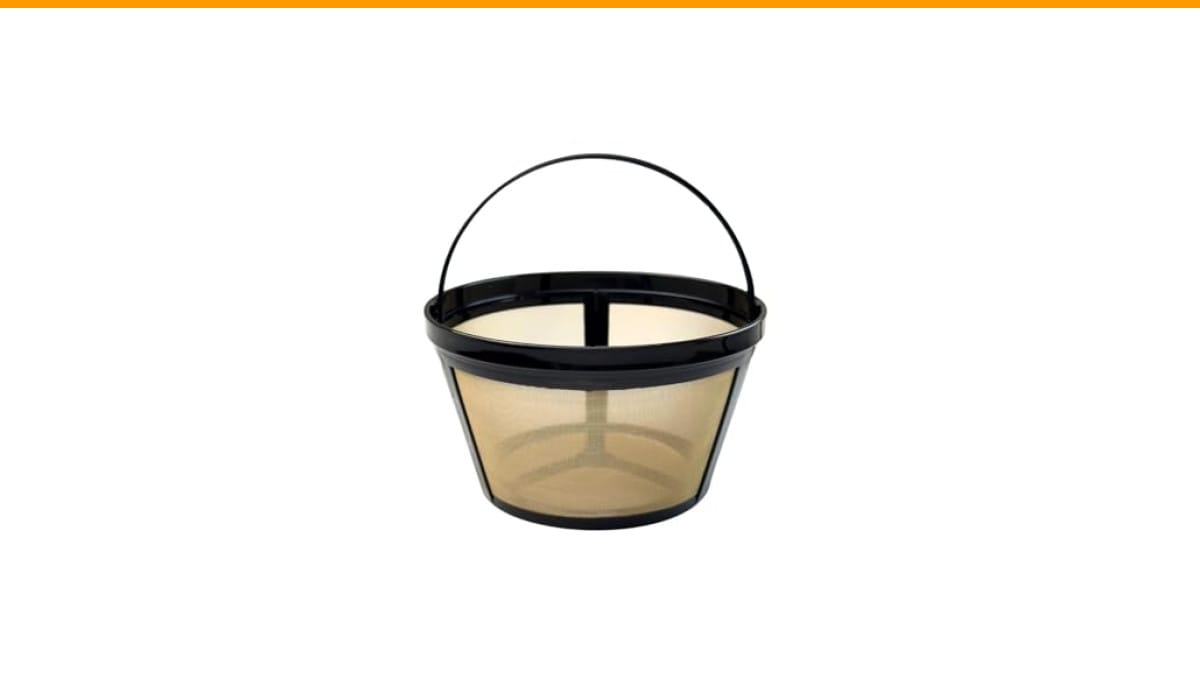
Tronmei 8-12 Cup Reusable Coffee Filter for…
- 【⚠️ FOR 8-12 CUP MACHINES ONLY (NOT 4-6 CUP)】 Perfectly fits most standard 8-12 cup basket-style brewers, including top brands lik…
- 【Size + Materials】 Size: 4.5" (Top) | 3.2" (Base) | 2.5" (Height) Materials: Food-Grade 304 Steel (Mesh) + BPA-Free Plastic (Frame…
- 【SAVE MONEY + CUT WASTE】 Reusable steel filter = no more paper filter restocks. 8-12 cup users toss 600+ paper filters/year – swap…
As an Amazon Associate I earn from qualifying purchases.
Here’s the short version: a reusable filter isn’t strictly necessary, but for most people brewing daily, it pays for itself within a couple of months and changes the flavor profile in noticeable ways. Whether that’s good or bad depends on what you like.
If you’re ready to try one, the Tronmei 8-12 Cup Reusable Coffee Filter is a solid option for standard basket-style brewers. It’s made from food-grade 304 steel mesh with a BPA-free plastic frame, and it fits most Mr. Coffee and Black+Decker machines. I used it for two weeks of morning brews, and it held up well.
How Paper and Reusable Filters Actually Differ
Paper filters are disposable sheets that catch coffee grounds and absorb some of the coffee’s natural oils. Those oils carry a lot of flavor and aroma. When paper traps them, you get a cleaner cup — brighter acidity, less body, almost no sediment at the bottom.
A reusable steel mesh filter lets those oils pass through into your cup. The result is a heavier mouthfeel, richer flavor, and sometimes a slight silt at the bottom of your mug. That’s not a defect; that’s the difference between filtered and unfiltered coffee. French press drinkers already know this texture.
There’s also a third option: cloth filters, like those used in Chemex brewers. They sit between paper and metal. They let more oil through than paper but less than steel, and they need careful rinsing to avoid going rancid. Most people don’t consider cloth for standard drip machines, so I’ll focus on paper versus steel.
One thing nobody tells you: the grind size matters more with a reusable filter. Paper catches everything, so you can get away with a finer grind. Steel mesh has holes, so very fine grounds will slip through into your cup. You’ll need a slightly coarser grind than you’re used to. If you’re switching, don’t blame the filter until you’ve adjusted your grinder.
Cost Breakdown: When Does a Reusable Filter Pay Off?
Let’s talk numbers. A standard pack of 100 paper filters costs somewhere between $6 and $10, depending on brand and where you shop. If you brew one pot a day, that’s roughly 30 filters a month. You’ll go through a 100-pack in about three months. So you’re spending $24 to $40 a year on paper filters.
A decent reusable filter, like the Tronmei, costs around $10 to $15. It replaces all those paper filters for years, assuming you don’t lose it or damage it. The math is simple: you break even in three to six months, and everything after that is savings.
There’s a hidden cost with reusable filters, though: water and time. You need to rinse the mesh after every use, and occasionally give it a deeper clean with a brush or vinegar soak. That’s maybe 30 seconds per day. Paper filters go straight into the compost or trash, and the basket rinses clean in five seconds.
If you brew once a week, the savings are small. You might use 50 filters a year, which is maybe $5. It would take two years to break even. In that case, a reusable filter is more about waste reduction than wallet impact.
For daily brewers, the financial case is strong. For occasional brewers, it’s a toss-up. I’d lean toward reusable anyway, because the flavor difference is something you might genuinely prefer.
Flavor Test: Paper vs Steel Mesh Side by Side
I brewed the same beans — a medium roast Colombian — through a paper filter and the Tronmei steel filter on consecutive mornings. Same grind size, same water temperature, same ratio. The difference was immediate.
The paper-filtered cup was clean and bright. It had a crisp acidity and a light body. It tasted like what most people expect from a standard drip coffee. No sediment, no oil slick on top.
The steel-filtered cup had a noticeable oil sheen on the surface. The body was heavier, almost syrupy. The flavor felt more rounded and deeper, with a slightly earthy finish. There was a fine layer of sediment at the bottom of the mug, which I don’t mind but some people find off-putting.
Which one is better? That’s personal. If you like French press or espresso, you’ll probably enjoy the steel filter. If you prefer a clean, tea-like cup, stick with paper. There’s no objectively superior option — it’s about matching the filter to your palate.
One thing I noticed: the steel filter needs a coarser grind. With my usual fine drip grind, the cup had more sediment than I liked. I adjusted my grinder two clicks coarser, and the issue mostly disappeared. If you’re using pre-ground coffee, you can’t control this, so expect some silt.
Here’s a quick comparison table I put together based on my testing:
| Factor | Paper Filter | Reusable Steel Filter |
|---|---|---|
| Cost per year (daily brewing) | $24–$40 | $10–$15 (one-time) |
| Flavor profile | Clean, bright, light body | Rich, oily, heavier body |
| Sediment in cup | None | Fine silt possible |
| Cleanup time | 5 seconds (toss and rinse) | 30 seconds (rinse and scrub) |
| Waste produced | 300+ filters per year | Zero (besides coffee grounds) |
| Grind size flexibility | Works with fine or medium | Needs medium-coarse |
| Durability | Single use | Years if cared for |
Cleanup and Maintenance: The Real Trade-Off
Paper filters are the definition of low maintenance. You lift the basket, toss the filter, give the basket a quick rinse, and you’re done. No scrubbing, no soaking, no worry about leftover coffee oils going rancid.
A reusable filter requires a bit more attention. After each brew, you should rinse the mesh under running water to remove trapped grounds. Every week or two, a deeper clean helps — soak it in a solution of equal parts water and white vinegar for 15 minutes, then rinse thoroughly. Some people use a soft brush to get into the mesh. The Tronmei is top-rack dishwasher safe, which makes the weekly clean easier.
The biggest risk with a reusable filter is neglect. If you let coffee oils build up on the mesh, they go rancid and make your coffee taste bitter and stale. That’s a common complaint, but it’s a user error, not a product flaw. A quick rinse after each use prevents it entirely.
There’s also the matter of the plastic frame. The Tronmei uses a BPA-free plastic frame, which is fine, but it’s not indestructible. Dropping it on a hard floor could crack the frame. Steel frames exist but cost more. For the price, the plastic frame is acceptable, but it’s worth handling with care.
If you’re the type who forgets to rinse things until the next morning, a reusable filter might not suit you. The dried grounds are harder to wash off, and the oils will have more time to cling to the mesh. That’s a real consideration, not a hypothetical one.
Environmental Impact: More Than Just Landfill Waste
The obvious benefit of a reusable filter is cutting down on paper waste. A daily brewer tosses over 300 paper filters a year. Over a decade, that’s more than 3,000 filters sitting in a landfill. Reusable filters eliminate that entirely.
But there’s a less obvious angle: the production footprint. Paper filters require trees, water, energy, and bleaching (unless you buy unbleached). The supply chain isn’t trivial. A single steel filter has a higher upfront manufacturing cost, but it replaces hundreds of disposables over its lifespan. The environmental breakeven point is probably around 20–30 uses, which you’ll hit within a month.
One caveat: if you compost, paper filters are compostable. So the waste argument weakens for people who actively compost their used filters. Coffee grounds and paper together make excellent compost. In that case, the environmental difference is smaller, though still not zero.
If you’re concerned about microplastics, note that most paper filters are bleached with chlorine compounds, though unbleached options exist. The Tronmei’s plastic frame is BPA-free, which addresses the most common concern, but it’s still plastic. A full steel filter without any plastic would be a better choice for the most environmentally conscious buyers.
Common Questions About Reusable Coffee Filters
Will a reusable filter work in my Mr. Coffee machine?
Most likely, yes, if your machine uses a basket-style filter. The Tronmei fits 8–12 cup basket brewers from Mr. Coffee, Black+Decker, Proctor Silex, and similar brands. Check your machine’s manual or look at the filter basket shape. If it uses a cone-shaped filter, a basket filter won’t work. Measure the basket if you’re unsure — the Tronmei is 4.5 inches at the top, 3.2 inches at the base, and 2.5 inches tall.
Does a reusable filter make coffee taste stronger?
Not stronger in terms of caffeine, but the flavor is more intense. Because the metal mesh doesn’t absorb the coffee oils, you get a fuller, heavier taste. Some people describe it as stronger or richer. If you’re used to paper-filtered coffee, the first cup might taste surprisingly bold. It’s not more caffeine, just more flavor compounds reaching your cup.
How often should I replace a reusable coffee filter?
A well-maintained steel filter can last several years. The mesh can wear out or tear over time, and the plastic frame can crack if dropped. Inspect it monthly for visible damage. If you see holes in the mesh or cracks in the frame, replace it. With regular rinsing and weekly vinegar soaks, most people get 2–3 years of daily use before needing a replacement.
Can I use a reusable filter with pre-ground coffee?
You can, but expect more sediment in your cup. Pre-ground drip coffee is usually ground fine, and those fine particles will slip through the steel mesh. You can reduce this by using a coarser grind setting if you grind your own beans. With pre-ground, you’re stuck with whatever grind size the bag offers. If sediment bothers you, stick with paper filters.
Is a reusable filter hard to clean?
Not really, but it’s not zero-effort. A quick rinse under hot water after each brew handles most of the residue. Once a week, a vinegar soak or a trip through the top rack of the dishwasher (if the filter is dishwasher safe, like the Tronmei) keeps it fresh. The main thing is consistency. If you let coffee oils dry on the mesh, cleaning becomes noticeably harder.
What I’d Tell a Friend Considering the Switch
- If you brew daily, a reusable filter pays for itself in under six months. The savings are real, not symbolic.
- You’ll get a heavier, oilier cup. Try it before committing — borrow a friend’s filter or buy one from a store with a good return policy.
- Adjust your grind to medium-coarse. It reduces sediment and makes the mesh easier to rinse.
- Rinse the filter immediately after brewing. Dried grounds turn a 30-second cleanup into a chore.
- Check your machine’s filter basket size. The Tronmei fits 8–12 cup basket brewers, not cone filters and not 4–6 cup machines.
- If you compost your paper filters, the environmental argument weakens, but the cost argument still holds.
- Keep a stash of paper filters as a backup. When you’re in a rush or the reusable one is soaking, you’ll be glad you have them.
The reusable filter isn’t a necessity — no single piece of coffee gear is. But for daily drip drinkers who want a richer cup and less waste, it’s a practical upgrade. The Tronmei filter I tested does the job well, and it’s easy to clean. Check the current price on Amazon and see if it fits your brewer before you buy.
Products related to this article
Sponsored / affiliate links. As an Amazon Associate I earn from qualifying purchases. I may earn additional commission from eligible campaigns.
 Stainless Steel Moka Pot Coffee Filter Disc for Espresso Brewing, Coffee Maker Replacement Filter Plate for Home Office Coffee Bar Cafe (FOR 4 Cups)
 Quick Heating Cup Warmer, Three Temperature Settings, Splashproof and Portable, for Coffee, Milk, Lightweight ABS Material
 Coffee Espresso Machine Handle Replacement Parts, Cafe Bracket Handle for Lidl Silvercrest CM4621 CM4218 KF5002 KF500S Barista (for 51mm Portafilter Basket - Not included)