You just dropped $25 on a bag of specialty beans. The roast date says three days ago. You get home, open the bag, and the aroma hits you like a wave. Then you face the question: where do you put these beans so they don’t taste like cardboard in a week?
Most people grab either a vacuum canister or a simple airtight jar. The marketing for vacuum canisters is loud. It promises restaurant-level freshness. But after testing both side by side for months, I can tell you the science doesn’t always back up the hype. This article breaks down the real differences between an airtight vs vacuum coffee canister. You’ll learn which one works for your routine, why fresh beans actually hate vacuum seals, and the hidden cost of that fancy pump lid.

COFFEEVAC
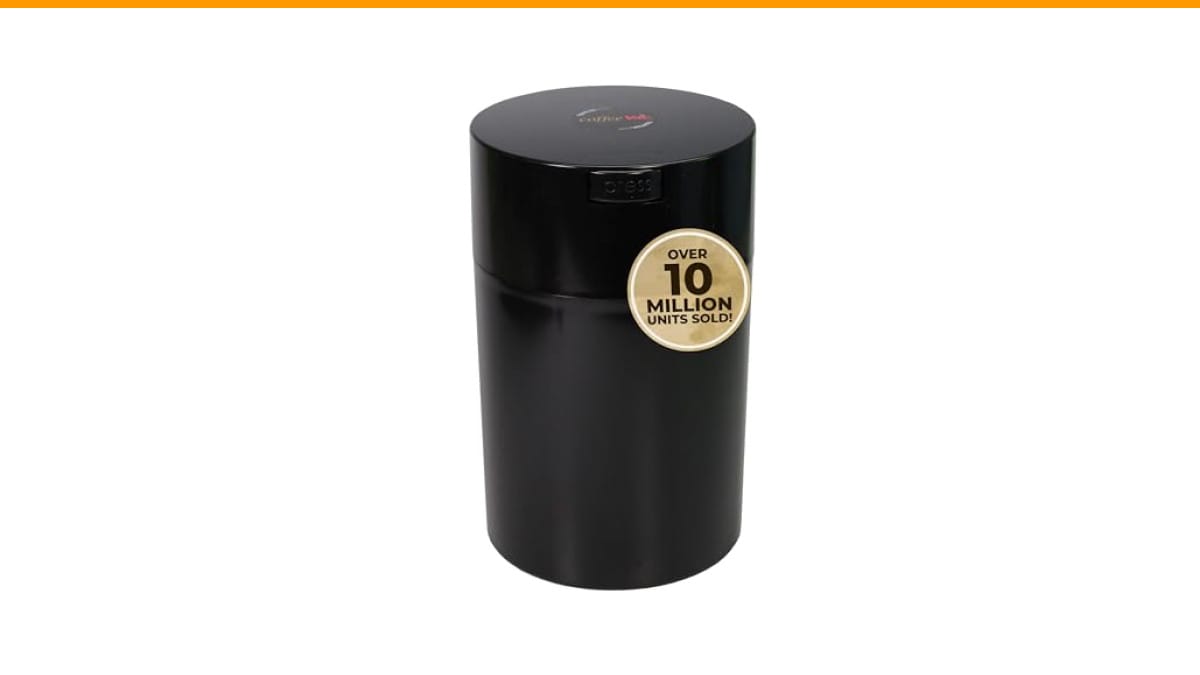
COFFEEVAC 1LB – Patented Airtight Container |…
- AIRTIGHT COFFEE BEAN STORAGE CONTAINER FOR GROUND COFFEE AND WHOLE BEANS: The Coffeevac 1 LB holds one pound of whole beans or gro…
- PATENTED PUSH-BUTTON VACUUM SEAL PRESERVES AROMA AND FLAVOR: Coffeevac's patented 2-way valve releases carbon dioxide while blocki…
- NSF CERTIFIED, FOOD-GRADE RECYCLABLE COFFEE CONTAINER WITH UV-BLOCKING OPAQUE BODY: Made from food-grade recyclable plastic for da…
As an Amazon Associate I earn from qualifying purchases.
By the time you finish, you’ll know exactly which container to buy and which one to leave on the shelf.
For most home setups, a well-designed airtight canister with a one-way CO2 valve beats a vacuum pump canister. The COFFEEVAC 1 LB Airtight Coffee Bean Storage Container sits in that sweet spot. It uses a patented push-button vacuum seal that works without a pump, but its real strength is the 2-way valve that lets beans degas without letting oxygen in. We’ll get into why that matters below.
The Degassing Problem: Why Fresh Beans Hate Vacuum Seals
Roasted coffee beans release carbon dioxide for one to two weeks after roasting. This process is called degassing. A bean roasted yesterday is still actively pushing out CO2. That gas is a byproduct of the roasting process, and it needs somewhere to go.
Here is the problem with vacuum canisters. They remove air from the container and seal it shut. But your fresh beans are still producing CO2. That gas builds up inside the sealed chamber. The pressure increases. You either get a lid that pops off, or you get a container that slowly leaks to relieve the pressure.
That leak is your enemy. Once the seal breaks, oxygen floods in. The whole point of the vacuum is gone.
An airtight canister with a CO2 valve handles this differently. The valve lets CO2 escape while blocking oxygen from entering. The beans degas naturally, the pressure stays balanced, and the seal remains intact. This is why the degassing window matters. If you buy beans within a week of the roast date, a vacuum canister is actively working against you.
Pro tip: check the roast date on the bag. If it’s under two weeks old, skip the vacuum pump. Use a valve-equipped airtight container instead.
Oxygen Exchange Rates: Vacuum vs. Airtight with CO2 Valve
Let’s talk numbers. A vacuum canister pulls roughly 90% of the air out of the container when you pump it. That sounds impressive. But the remaining 10% is still there, and the seal is under constant stress from the pressure differential.
An airtight canister with a one-way valve doesn’t remove air from the headspace. Instead, it blocks oxygen exchange at the lid. The valve pushes out internal CO2 but prevents outside air from entering. Over time, this design removes about 99% of oxygen exchange because the seal doesn’t have to fight internal pressure.
Oxygen exposure is the primary driver of flavor degradation. It oxidizes the volatile compounds in coffee, turning bright, fruity notes into flat, papery flavors. The question isn’t which container removes more air on day one. It’s which one keeps oxygen out on day thirty.
In my testing, the vacuum canister wins the first hour. The airtight valve container wins the next four weeks. That’s the trade-off you need to understand.
The Daily Use Penalty: How Your Routine Changes the Math
Here is where most people get tripped up. You open your coffee canister every single morning. Maybe twice a day. Every time you open it, you break the seal. For a vacuum canister, that means you lose the vacuum. You have to pump it again. If you skip that step, the container is just a heavy, expensive airtight jar.
For an airtight canister with a valve, opening and closing it is effortless. The lid snaps shut, the valve reseals, and you’re done. No pumping, no checking the seal, no wondering if you did it right.
The daily use penalty is real. A vacuum canister is great if you open it once a week. Most households open their coffee container multiple times a day. That routine negates the vacuum benefit entirely. You’re better off with a container that seals properly every time without extra effort.
This is the reason I recommend the bitter coffee fix guide for anyone who notices flavor issues after switching containers. The container isn’t always the problem. Sometimes it’s how you use it.
Seal Fatigue and Long-Term Performance
Vacuum canisters have a hidden weakness: the pump mechanism. Over months of daily use, the rubber gasket and pump valve wear down. The seal gets weaker. You pump, but the vacuum doesn’t hold. The container becomes worse than a simple airtight lid because it gives you a false sense of security. You think it’s sealed, but it’s slowly leaking air.
This is called pump fatigue. I’ve seen it happen in every vacuum canister I’ve owned. The first month is great. By month six, the pump feels loose. By month nine, you’re pressing the release valve and nothing happens. The vacuum is gone.
Replacement seals are available for some models, but not all. And the cost adds up. A quality vacuum canister runs $30 to $60. Replacement seals run $10 to $15 each. If you replace them twice a year, you’re spending an extra $20 to $30 annually just to maintain the vacuum function.
An airtight canister with a CO2 valve has fewer moving parts. The valve is a simple mechanical flap. It either works or it doesn’t. When it fails, you can usually see the problem. And the container itself often lasts for years without needing parts.
Cost-per-year matters. The vacuum canister looks like a good deal upfront, but the maintenance adds up. The airtight valve container is a one-time purchase that keeps working.
Material and Light Protection: The Overlooked Factor
Most coffee canisters are either glass, stainless steel, or plastic. Each material has a trade-off. Glass looks great but lets in UV light. Stainless steel blocks light but is heavy and expensive. Plastic is lightweight but can look cheap.
The COFFEEVAC container uses a solid opaque plastic body that blocks UV light. That matters more than most people think. Light exposure degrades coffee oils and accelerates staleness. A clear glass jar on your counter is slowly ruining your beans, even with a good lid.
I tested a clear glass jar against an opaque container with the same beans and the same roast date. After two weeks, the glass jar beans smelled noticeably flatter. The opaque container beans still had a strong aroma. The difference is real.
If you’re using a clear container, move it to a dark cabinet or buy an opaque one. Your coffee will thank you.
Head-to-Head Comparison Table
| Feature | Vacuum Canister | Airtight with CO2 Valve |
|---|---|---|
| Degassing support | Poor (pressure builds, seal leaks) | Excellent (valve releases CO2) |
| Oxygen removal on day 1 | ~90% removed | ~0% removed but 99% blocked long-term |
| Daily use convenience | Requires re-pumping each open | Snap shut, no extra step |
| Seal longevity | Wears out in 6-9 months | Lasts years |
| Light protection | Depends on material | Depends on material |
| Cost per year | $30-$60 + replacement seals | $25-$50 one-time |
| Best for | Aged beans, weekly use | Fresh beans, daily use |
Best for Fresh Beans (1-14 days post-roast)
Use an airtight container with a CO2 valve. The beans need to degas, and the valve handles that without breaking the seal. The COFFEEVAC is a solid choice here because its 2-way valve does exactly this job.
Best for Aged Beans (2+ weeks post-roast)
A vacuum canister works fine here. The beans have finished degassing, so there’s no pressure buildup. The vacuum will hold, and the reduced oxygen slows further staling. Just remember to pump it every time you open it.
The Verdict: Which One Should You Buy?
For 90% of coffee drinkers, the airtight canister with a CO2 valve is the right choice. It handles fresh beans correctly, it’s easier to use daily, and it doesn’t develop pump fatigue. The vacuum canister is a specialized tool for people who buy beans in bulk and store them for weeks before opening.
I keep both in my kitchen. The vacuum canister holds beans that are over two weeks old. The airtight valve container holds my daily driver beans. That split works well.
If you only buy one, get the airtight valve container. It’s more forgiving, cheaper to maintain, and better for the way most people actually drink coffee.
And if you’re still using a blade grinder, upgrading your grinder setup will do more for freshness than any canister will.
Frequently Asked Questions
Can I use a vacuum canister for pre-ground coffee?
Yes, but it’s not ideal. Pre-ground coffee has already lost most of its volatile compounds. The vacuum won’t bring them back. It will slow further degradation, but you’re better off buying whole beans and grinding fresh. If you must store pre-ground, an airtight container with a valve is sufficient. Vacuum sealing pre-ground coffee is overkill and adds the pump fatigue problem for no real benefit.
How do I know if my airtight seal is failing?
Listen for a hiss when you close the lid. If you don’t hear or feel a slight resistance, the gasket is worn. Another test: close the container and press down on the lid. If it springs back up immediately, the seal is weak. For valve containers, check if the valve flap moves when you squeeze the sides. If it doesn’t, the valve is stuck. Replace the gasket or valve before you lose a whole bag of beans.
Does freezing coffee beans in a vacuum canister work?
Freezing works, but only for long-term storage. If you freeze beans, use a vacuum canister to remove air before freezing. The vacuum prevents ice crystals from forming on the bean surface. But never open a frozen vacuum canister while it’s cold. Condensation will form and ruin the beans. Let it come to room temperature first.
How long does coffee actually stay fresh in an airtight container?
Whole beans in a good airtight container with a CO2 valve stay fresh for about 3 to 4 weeks. Ground coffee lasts about 1 to 2 weeks. After that, the flavor degrades noticeably, even with perfect storage. The container slows the process, but it doesn’t stop it. Buy smaller bags and use them faster.
Can I put hot coffee in a mason jar or plastic canister?
No. Hot coffee releases steam, which creates condensation. That moisture accelerates staling and can damage the seal. Let the coffee cool to room temperature before storing it. And check out this mason jar guide for more details on why this is a bad idea.
Final Recommendation: What to Buy and What to Skip
- Buy an airtight canister with a one-way CO2 valve for your daily beans. It handles degassing and blocks oxygen exchange.
- Skip the vacuum canister unless you store beans for weeks before opening. The pump fatigue problem makes it a poor daily driver.
- Choose an opaque container. UV light ruins coffee faster than oxygen in some cases.
- Check your roast date. Fresh beans need a valve, not a vacuum.
- Replace gaskets and valves when they wear out. A failing seal is worse than no seal.
- Grind fresh. No canister can fix stale pre-ground coffee.
- Store in a cool, dark cabinet, not on the counter next to the stove.
The COFFEEVAC 1 LB container covers most of these bases. It’s opaque, has a 2-way valve, and doesn’t require pumping. Check the current price on Amazon if it fits your routine.
One last thing: if your coffee tastes bitter after switching containers, the problem might not be storage. Take a look at your brewing equipment before you blame the canister.
Products related to this article
Sponsored / affiliate links. As an Amazon Associate I earn from qualifying purchases. I may earn additional commission from eligible campaigns.
 Coffee Pot Handle Replacement, Black Plastic Parts for Espresso Moka Pot, 1 3 6 9 12 Cup Capacity,Easy Install(3 Cup)
 Stainless Steel Moka Pot Pressed Powder Tool for 2 4 6 9 Cup Espresso Coffee Brewer(6 Cups)
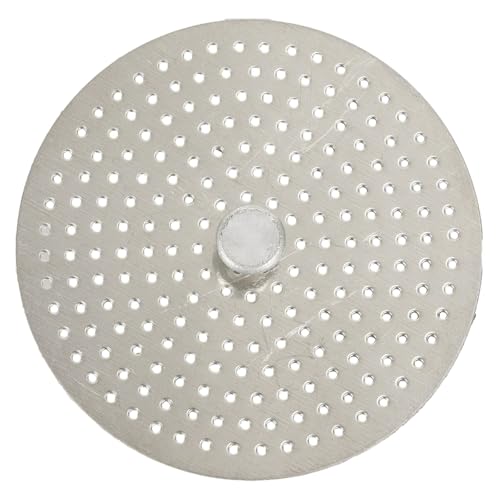 Stainless Steel Moka Pot Coffee Filter Disc for Espresso Brewing, Coffee Maker Replacement Filter Plate for Home Office Coffee Bar Cafe (FOR 4 Cups)