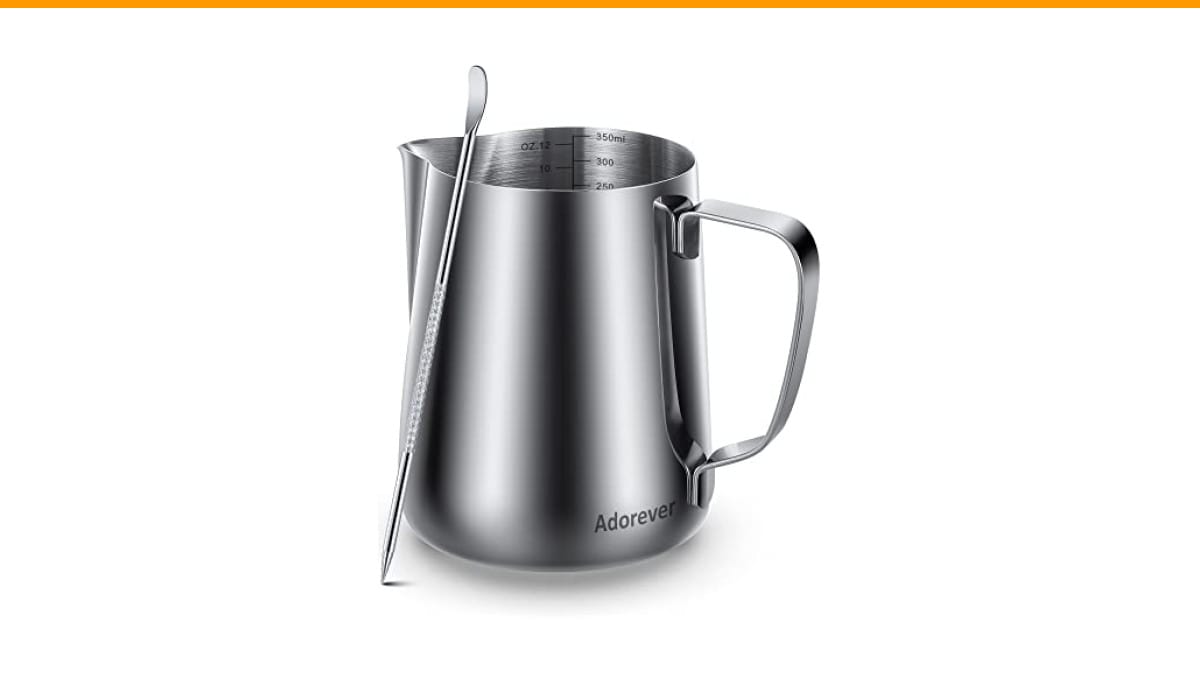
You just pulled a perfect shot of espresso. The crema is thick, the color is right. Then you steam milk in a flimsy pitcher with a spout that drips, a handle that gets hot, and a capacity that forces you to underfill or overfill. The latte art looks like a cloud, not a rosetta. That pitcher is the problem.
Most home baristas treat the pitcher as an afterthought. They spend $600 on a machine and $20 on a grinder, then grab the cheapest steaming pitcher on the shelf. That’s backwards. The pitcher is the last tool between you and the milk, and it shapes texture, temperature control, and pour accuracy. This guide breaks down what you actually pay for at each price point, so you can buy the cheapest pitcher that fits your skill level and drink volume.
You’ll walk away knowing the price tiers, the material differences that matter, and a simple rule for sizing that prevents wasted milk and bad texture.
Products related to this article
Sponsored / affiliate links. As an Amazon Associate I earn from qualifying purchases. I may earn additional commission from eligible campaigns.
 Coffee Espresso Machine Handle Replacement Parts, Cafe Bracket Handle for Lidl Silvercrest CM4621 CM4218 KF5002 KF500S Barista (for 51mm Portafilter Basket - Not included)
 Wrenmor Replacement Handle For Coffee Espresso Moka Stove Pot, Black Plastic Accessory Compatible With 1/3/6/9/12 Cup Sizes For Easy Installation And Long-Lasting Use(1 Cup)
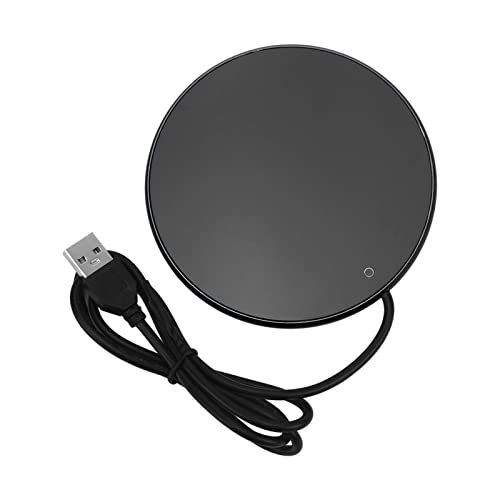 Coffee Mug Warmer for Desk, 3 Temp Settings USB Powered Electric Cup Warmer