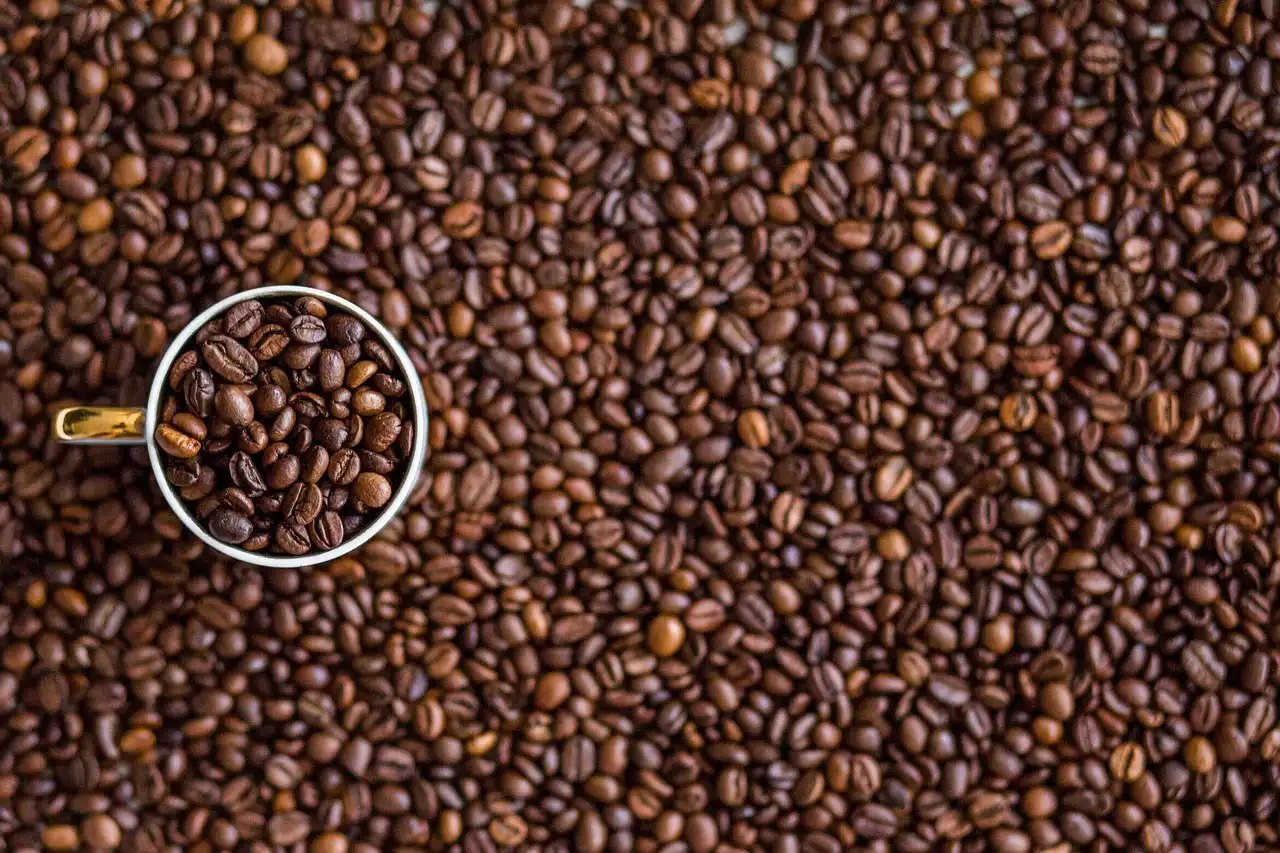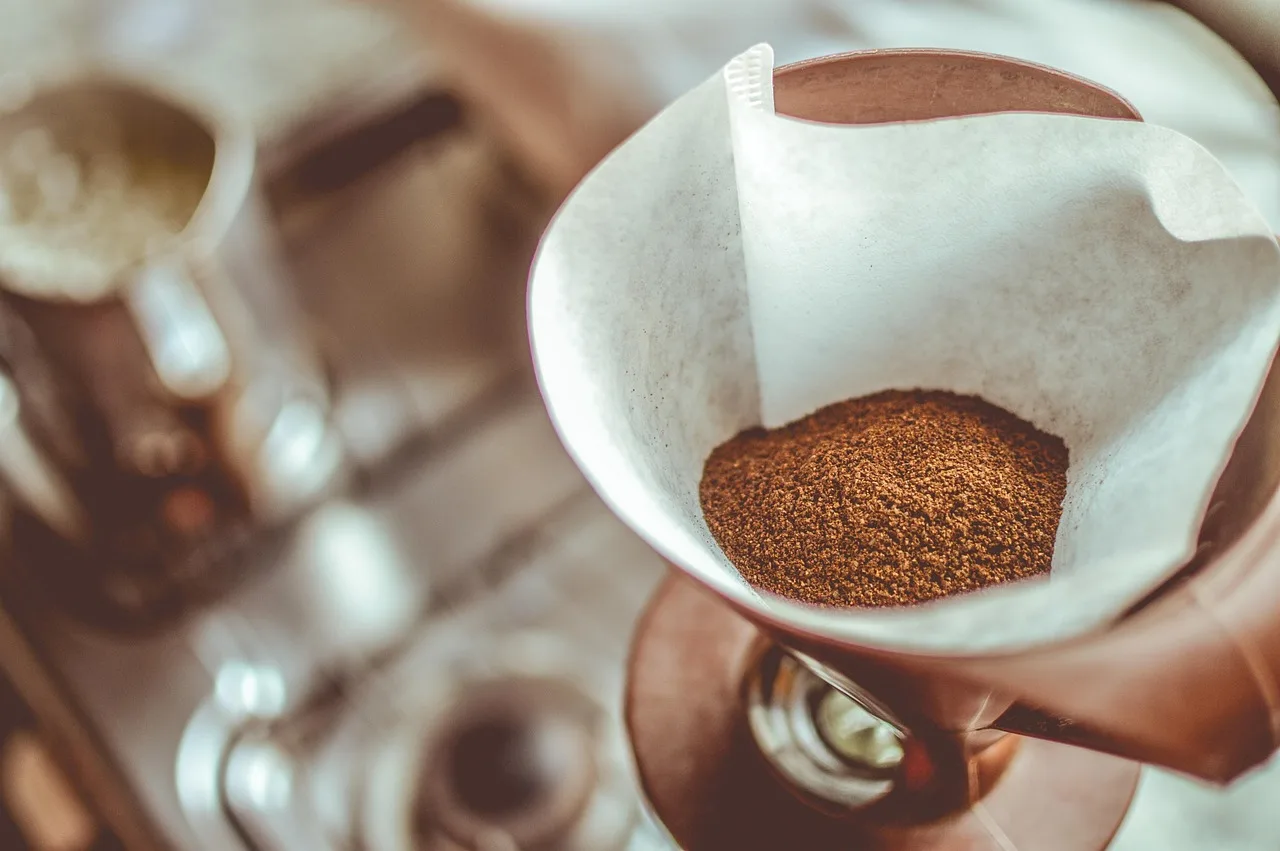
Pick your brew method by the cup you want: pour-over for clean aroma and clear origin notes, French press for heavier body and more coffee oils, and espresso for intense aroma in a small serving. Choose poorly, and the cup can turn flat, muddy, or bitter, with the bean’s character buried. This guide compares the main home methods and gives a simple way to choose.
Quick comparison
| Product | Badge | Best for | Price | ||
|---|---|---|---|---|---|
 | AeroPress Original Coffee Press, French Press, Pour-Over &AeroPress | Our pick | Manual Coffee Maker · 2-Minute Brew · Portable | $39.95 Price as of 17 Oct 2026 | View |
 | Chemex Pour-Over Glass Coffeemaker – Classic Series – 3-CupChemex | Also great | Glass Coffeemaker · Classic Series · 3-Cup | $41.95 Price as of 17 Oct 2026 | View |
 | Fellow Aiden Precision Smart Drip Coffee Maker, 1-10 Cup,Fellow | Upgrade pick | Precision Smart Drip · 1-10 Cup · Thermal Carafe | $399.95 Price as of 17 Oct 2026 | View |
 | YMMIND French Press Coffee Maker (34oz 1Quart 5-6Cup)YMMIND | Budget pick | French Press · 34oz 1Quart · Borosilicate Glass | $18.99 Price as of 17 Oct 2026 | View |
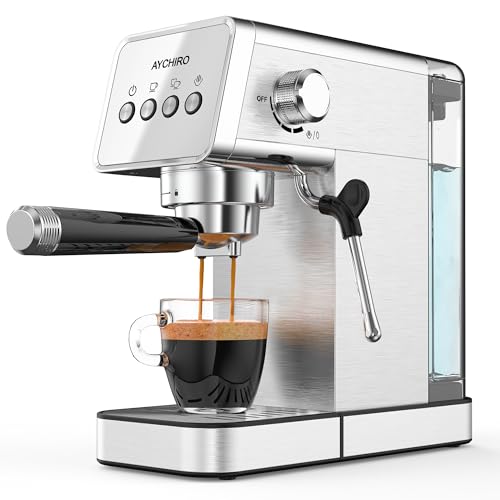 | AYCHIRO 20 Bar Espresso Machine, Semi-Automatic EspressoAYCHIRO | Also great | Espresso Machine · 20 Bar · Stainless Steel | $69.99 Price as of 17 Oct 2026 | View |
The core trade-off is straightforward: paper filters make a cleaner, more transparent cup, while metal or looser filtration keeps more oils and usually feels fuller and more aromatic. The table below shows how that trade-off plays out across the common home methods.
How we chose
This comparison focuses on six sensory criteria: aroma intensity, flavor clarity, body, oil retention, acidity, and forgiveness. It also weighs the brewing variables that shape the cup most: water temperature, coffee-to-water ratio, and grind consistency.
A good method is not only about strength. It is about whether the cup tastes floral, sweet, clean, heavy, or muted when the variables are set correctly.
AeroPress: best for balanced flavor
The AeroPress is the strongest all-around pick for a small-batch home setup when you want aroma, balance, and consistency without much fuss. It can make 1-3 high-quality cups, brews in about a minute, and is described as smooth and low in acid.
It keeps some coffee oils, so the cup has more body than a paper-filter drip method, but it still stays cleaner than a French press. That makes it a strong choice for medium roasts, brighter origins, and anyone who wants flavor without grit.
The drawback is scale. It is not a batch brewer, so it is less practical if you regularly want four or more cups at once. It also gives you a smaller margin for very coarse or very fine grind mistakes, even though it is generally forgiving.
French press: best for heavy body
The French press is the best fit when you want a heavy body, strong coffee oils, and a cup that feels fuller on the tongue. It is a full-immersion brewer that uses a coarse grind, which helps support a dense, textured result.
Because more oils and fine particles pass into the cup, the aroma can seem broader and the mouthfeel more substantial. That also means more sediment, which some drinkers enjoy and others find distracting.
The honest drawback is clarity. If the grind is too fine, or if the plunge is rushed, the cup can turn muddy, bitter, or sludgy. It is less forgiving than it looks when the grind is inconsistent.
Pour-over: best for clean flavor
Pour-over is the manual paper-filter method for a clean cup with strong control over water flow. It often gives the clearest expression of origin character, which is why it works so well for floral or citrus-leaning coffees.
Paper filters catch more oils, so the cup usually tastes lighter and more transparent. That can slightly reduce body and aroma intensity, but it also strips away a lot of sediment and muddiness.
The drawback is sensitivity. If your grind is off, or your pouring is uneven, the cup can taste sour, weak, or hollow. Technique matters more here than it does in more forgiving brewers.
Chemex: best for a clean batch
Chemex is a strong choice when you want four to six cups with a cleaner profile than most batch methods. It uses filters that are 20-30% heavier than most standard pour-over filters, which reduces oil and sediment even further.
That heavier filtration can produce richer and more flavorful coffee than a very thin drip result, but the cup still trends clean, bright, and controlled. It suits medium-light to medium roasts when you want clarity without a thin, papery finish.
The drawback is the longer brew process and the narrower comfort zone for grind and pouring. If the pour stalls or the grind is too fine, the cup can flatten out or taste under-extracted.
Clever Coffee Dripper: best for easy balance
The Clever Coffee Dripper is a practical middle ground for about one- or two-cup brewing. It uses full immersion brewing, then paper filtration, so it combines a forgiving steep with a clean cup.
It is described as forgiving and easy to produce, which makes it a smart pick if you want predictable flavor without much technique. The cup is usually balanced, round, and less fussy than pour-over.
The drawback is that it is less expressive than a very careful pour-over or siphon brew. If you want maximum aroma intensity or the thick body of a French press, it will feel more restrained.
Siphon brewer: best for control and aroma
The siphon brewer gives maximum control of temperature and brew duration, and that control can show up in the cup as clarity with lift. It is also one of the most entertaining methods to watch in action.
A longer brew time can exceed 10 minutes, which gives you room to shape extraction carefully. When dialed in well, the result can be aromatic and vivid, especially with light to medium roasts.
The drawback is workflow. Cleanup is more involved, and the setup asks for more attention than the simpler home methods. It rewards patience, not speed.
Fellow Aiden Precision Smart Drip Coffee Maker: best for repeatable batch brewing
The Fellow Aiden fits drinkers who want clean, repeatable coffee for one cup or a full pot without manual pouring. Based on the listed specs, it offers precise temperature control, a bloom cycle, and custom brew profiles, which are all useful when consistency matters more than hands-on ritual.
Its main advantage is control across larger brews. That makes it a strong answer for households that want a stable cup from day to day, especially if one person wants a single mug and another wants several cups.
The drawback is price and footprint. It costs far more than the manual brewers in this comparison, and it shifts some of the sensory control from the brewer’s hand to the machine’s program.
AYCHIRO espresso machine: best for intense small cups
The AYCHIRO espresso machine suits drinkers who want concentrated, aromatic shots and the option to make milk drinks. Espresso delivers a very intense sensory profile in a small cup, so it belongs in the conversation when aroma concentration matters more than volume.
Its appeal is straightforward: a compact machine, a pump-driven shot, and a frother for cappuccino or latte drinks. That makes it the most specialized option here for small, strong servings.
The drawback is that espresso is the most technique-sensitive path in this group. Grind, dose, and tamping matter a great deal, and the machine asks for more cleanup and more learning than a brewer like AeroPress or Clever.
Coffee taste map table
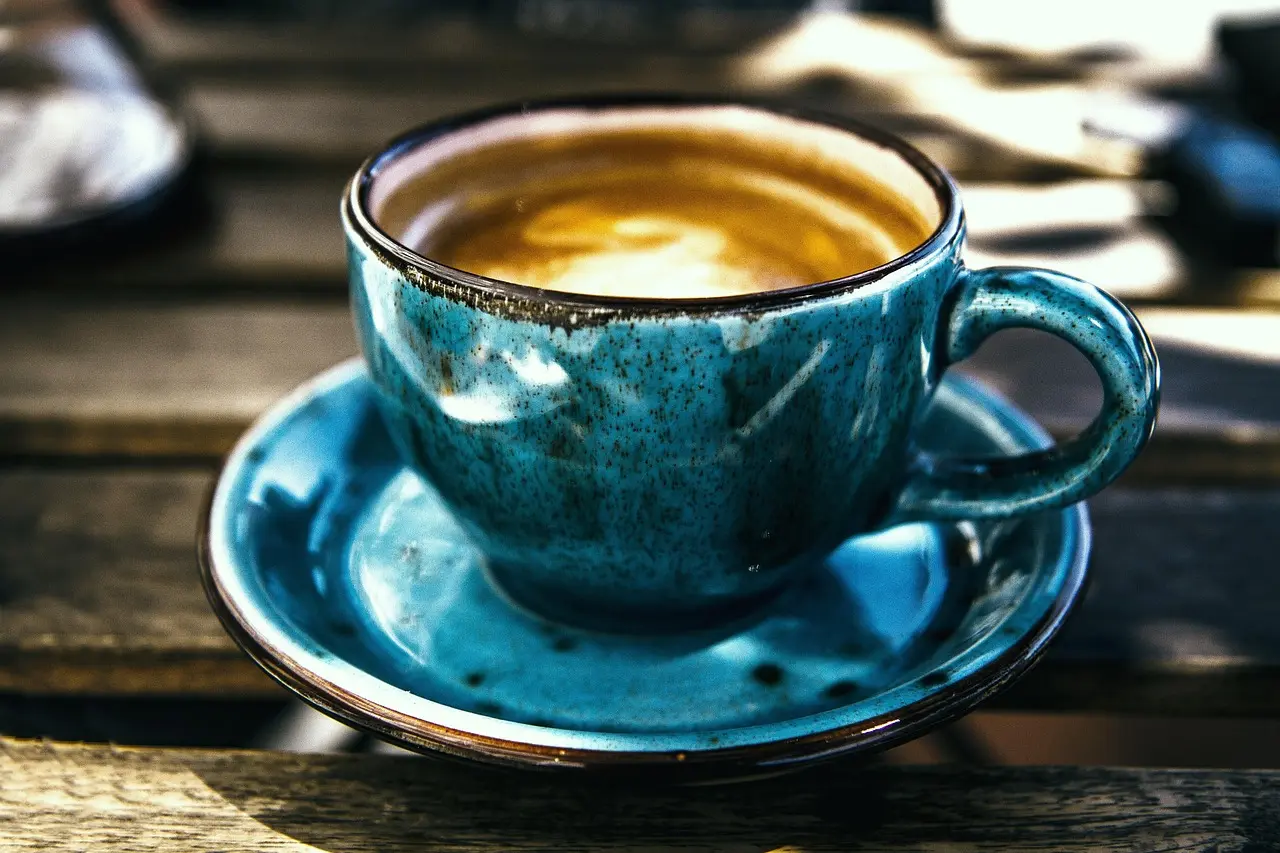
| Method | Aroma intensity | Flavor clarity | Body | Oil retention | Acidity | Forgiveness | One-line recommendation |
|---|---|---|---|---|---|---|---|
| AeroPress | 4/5 | 4/5 | 3/5 | 3/5 | Low to medium | 5/5 | Choose this for balanced flavor, a smooth cup, and a low-effort single serving. |
| French press | 4/5 | 2/5 | 5/5 | 5/5 | Medium | 3/5 | Choose this for heavy body, strong mouthfeel, and a fuller, more rustic cup. |
| Pour-over | 4/5 | 5/5 | 2/5 | 2/5 | Medium to bright | 2/5 | Choose this for floral or clean-tasting coffees when technique is under control. |
| Chemex | 3/5 | 5/5 | 2/5 | 1/5 | Medium to bright | 2/5 | Choose this for a cleaner batch cup with more structure than a thin drip brew. |
| Clever Coffee Dripper | 3/5 | 4/5 | 3/5 | 2/5 | Medium | 5/5 | Choose this for easy balance when you want one- or two-cup brewing without much stress. |
| Siphon brewer | 5/5 | 4/5 | 3/5 | 2/5 | Medium to bright | 3/5 | Choose this if you want strong aroma and precise control and do not mind cleanup. |
| Fellow Aiden | 4/5 | 4/5 | 3/5 | 2/5 | Medium | 5/5 | Choose this for repeatable drip coffee with less manual effort across one cup or a pot. |
| AYCHIRO espresso machine | 5/5 | 3/5 | 4/5 | 4/5 | Medium to low | 2/5 | Choose this for concentrated espresso shots and milk drinks, not for low-effort dialing-in. |
How oils and filters change aroma
Coffee oils carry flavor and aroma. Metal filters let more oils pass through, which usually means a fuller mouthfeel and a more enveloping aroma. Paper filters catch more oils, so the cup is cleaner and often brighter, but sometimes a little lighter in aroma intensity.
That trade-off is why French press tastes heavier, why pour-over tastes more transparent, and why AeroPress sits in the middle. Kone-style metal filtration follows the same logic: more oils in the cup, more texture, less filtration.
What the table says about one-cup brewers versus batch brewers
One-cup brewers usually give you more control over freshness and more flexibility with light-roast coffees. Batch brewers are better when you want a stable, repeatable result for several people, but they often trade some intimacy of flavor for volume.
That is why AeroPress, Clever, and espresso-like methods suit single servings, while Chemex and a smart drip machine fit batch needs better. The right answer depends on how much coffee you need and how closely you want to shape the cup.
Which one should you buy?
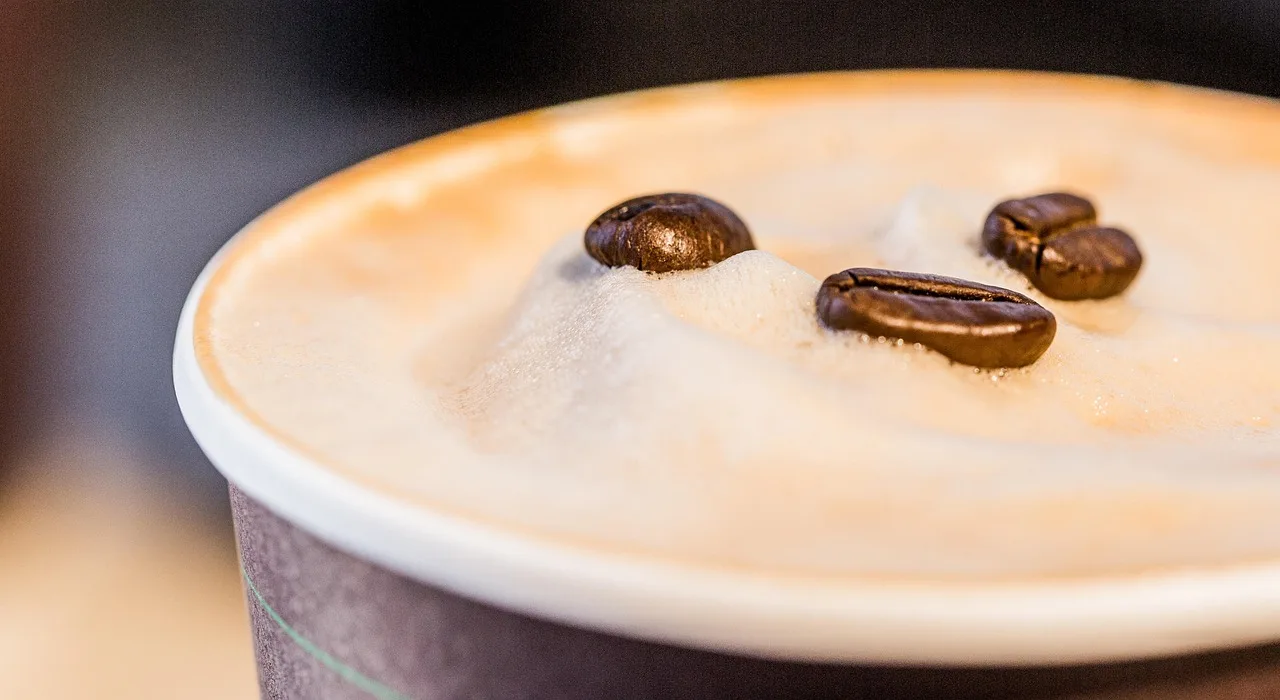
Start with your flavor goal, then match the method to your patience level and batch size. If you want the best all-around balance of taste, aroma, and consistency for small batches, AeroPress is the strongest default choice. If you want heavy body, French press is the clearest fit. If you want a clean, floral cup, pour-over or Chemex belongs at the top of the list.
Roast level matters too. Light roasts usually benefit from methods that preserve clarity, like pour-over, Chemex, or siphon. Medium roasts often do well in AeroPress and Clever. Dark roasts can read as flat or bitter if overextracted, so a forgiving brewer with good temperature control often helps.
- Choose AeroPress if you want a smooth, low-acid cup, a small daily brew, and a strong balance of aroma and consistency.
- Choose French press if you want heavier body and more visible coffee oils, and you do not mind sediment.
- Choose Pour-over if your priority is a clean, articulate cup and you are willing to work on pouring control.
- Choose Chemex if you want a cleaner batch brew for four to six cups and can accept a longer process.
- Choose Clever Coffee Dripper if you want a forgiving one-cup or two-cup brewer with a clean finish.
- Choose Siphon if you want the most hands-on control over temperature and brew time, plus a dramatic workflow.
- Choose Fellow Aiden if repeatable batch brewing matters more than manual ritual.
- Choose AYCHIRO espresso machine if you want intense small cups and milk drinks, and you are ready for a steeper learning curve.
Say your favorite coffee is a washed Ethiopia that tastes floral when brewed carefully. A pour-over or siphon brew usually keeps that clarity intact, while a French press can make it feel heavier and less precise.
Suppose you want two mugs on a weekday morning and do not want to watch a kettle closely. A Clever Coffee Dripper or a smart drip machine is the easier path to consistent flavor than a delicate manual pour.
Failure cases to watch
A cup can taste sour when extraction is too low, often from water that is too cool, a grind that is too coarse, or too short a brew. It can taste bitter or dry when the grind is too fine, the water runs too hot, or the coffee sits too long in contact with water.
Muddy coffee usually points to too many fines in the cup, which is common with a French press when the grind is too fine or the plunge is rough. Thin coffee often means too much filtration, too little coffee, or a brew that never extracted enough soluble material in the first place.
Brewing variables that matter most
Water temperature should generally sit in the 195°F to 205°F range. Below that range, coffee can taste flat or sour; above it, the cup can turn harsh, especially with darker roasts.
Grind consistency matters because uneven particles extract unevenly. Coffee-to-water ratio matters because it changes strength and body, even when extraction is correct. A precise method still tastes poor if the grind, ratio, or temperature is off.
Choose pour-over if… / Choose French press if…
Choose pour-over if you want a clean, balanced cup with more definition in floral, citrus, or tea-like coffees. Choose French press if you want a fuller, more textured cup with stronger oil presence and a heavier mouthfeel.
Choose pour-over if you are willing to pay attention to grind and pouring. Choose French press if you want a simpler workflow and do not mind sediment or a softer cup structure.
A common first-timer mistake is using the same fine grind for both methods. That can make pour-over stall and French press taste muddy, even though the beans are the same.
Frequently asked questions
What coffee brewing method gives the best taste and aroma?
There is no single universal winner, because taste and aroma depend on what you want the cup to express. For most home drinkers who want a strong balance of aroma, clarity, and consistency in a small batch, AeroPress is the most versatile pick. For pure clarity, pour-over is stronger.
Is pour-over better than French press for flavor?
Yes, if by flavor you mean clarity, separation, and a cleaner expression of the bean. French press gives more body and oil, while pour-over usually gives more definition and less sediment. If you want a clean, transparent cup, pour-over is the better fit.
Does AeroPress keep more aroma than paper-filter methods?
Usually yes, at least relative to standard paper-filter methods, because it retains some oils while still filtering out much of the grit. That puts it between a French press and a pour-over in aroma and body. The result is often smoother and less acidic than paper-filter drip.
Which coffee brewing method makes coffee taste clean and balanced?
The Clever Coffee Dripper is one of the easiest routes to a clean, balanced cup because it combines full immersion with paper filtration. Pour-over and Chemex can be even cleaner, but they ask for more precision. Clever gives you balance with less technique pressure.
Which brewing method is best if I want rich flavor without sediment?
Chemex is a strong answer if you want rich flavor without the grit of a French press. Its heavier filters reduce oil and sediment, but the cup can still taste flavorful and full. AeroPress is another good option when you want richness in a smaller serving.
How do filter type and oils affect coffee aroma?
Metal filters let more oils through, so the cup usually feels fuller and more aromatic. Paper filters catch more oils, which makes the cup cleaner and less sediment-heavy, but can trim some body and aroma intensity. Neither is always better; the choice depends on the profile you want.
What is the best brewing method for one cup versus a batch?
For one cup, AeroPress and Clever are the easiest recommendations because they are small, forgiving, and efficient. For a batch, Chemex and a precise drip machine are better fits. French press can also serve a batch, but the cup will be heavier and less clean.
Which coffee method is easiest to dial in for consistent taste?
AeroPress and Clever Coffee Dripper are among the easiest to dial in because they tolerate small variations better than pour-over or siphon. A smart drip machine also scores highly for consistency because it reduces the effect of pouring mistakes. Pour-over is the least forgiving of the main manual methods.
Products related to this article
Sponsored / affiliate links. As an Amazon Associate I earn from qualifying purchases. I may earn additional commission from eligible campaigns.
 HomeBeyond Espresso Coffee Maker 12 Cups, Classic Stovetop Espresso Maker, 600ml / 20oz Coffeemaker for Gas & Ceramic Stovetops (Silver)
 Stainless Steel Moka Pot Pressed Powder Tool for 2 4 6 9 Cup Espresso Coffee Brewer(6 Cups)
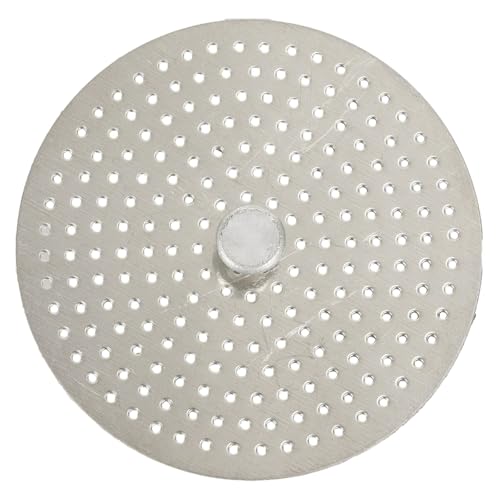 Stainless Steel Moka Pot Coffee Filter Disc for Espresso Brewing, Coffee Maker Replacement Filter Plate for Home Office Coffee Bar Cafe (FOR 4 Cups)