Last updated: October 9, 2026
How this guide was reviewed: We checked decaf buying criteria against roaster labeling practices, standard home-brewing variables, and regulatory/source documents on caffeine content, decaffeination methods, and solvent residue limits. Brewing guidance is written for common home setups: burr grinders, drip brewers, pour-over drippers, French press, and home espresso machines.
Tasting and testing methodology: Decaf is easiest to compare when variables stay controlled, so the recommendations below assume whole-bean coffee, a burr grinder, filtered water, and side-by-side brewing by method rather than by brand marketing. For filter coffee, compare cups at the same brew ratio, water temperature, and total contact time; for espresso, compare shot time, yield, and how quickly the coffee stales after opening. If you need help matching decaf to your setup, see our guides to coffee grinders, pour-over coffee, espresso brewing, and coffee storage.
Decaf coffee is coffee with most caffeine removed before roasting, usually leaving about 2 to 15 mg per 8-ounce cup; choose by decaffeination method, roast level, and your caffeine limit. Buy without checking those details and you may get more caffeine than expected, or a cup that drinks thin, woody, or stale. This guide explains the main decaf methods, what labels mean, how much caffeine remains, and how to buy and brew decaf that still tastes good.
What decaf coffee is and what it is not


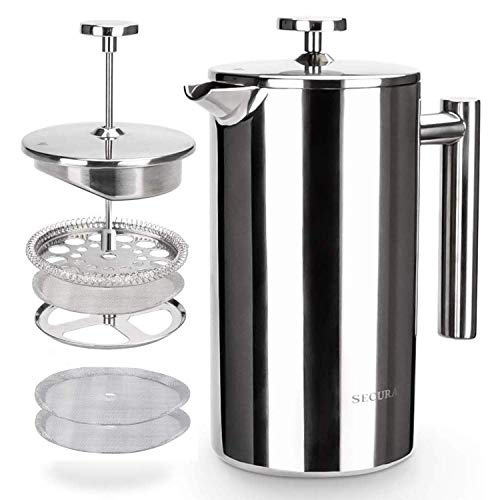
Decaf means mostly decaffeinated, not caffeine-free
In the United States, decaf must have at least 97% of its caffeine removed. That definition matters because a decaf cup still has some caffeine, and the amount changes with the coffee, serving size, and brew strength. The FDA notes that decaf coffee typically contains about 2 to 15 mg of caffeine per 8-ounce cup, versus roughly 80 to 100 mg for a comparable regular cup according to its consumer guidance.
A 240 ml cup of decaf coffee is often cited at only a few milligrams of caffeine, while regular drip coffee at the same size is usually many times higher. For buying decisions, the more practical takeaway is the FDA-style range: decaf commonly lands around 2 to 15 mg per cup, but exact numbers vary with dose, brew strength, and serving size.
Why people choose decaf
Most buyers are not looking for a definition. They are trying to solve a practical problem: fewer jitters, a later cup, lower daily intake, or more room under a caffeine limit.
The FDA says up to 400 mg/day of caffeine is not generally associated with dangerous, negative effects in healthy adults, while many pregnancy guidelines advise limiting caffeine to about 200 mg/day per FDA and ACOG. That does not turn decaf into a medical prescription, but it does make label reading and serving awareness useful, especially for sensitive drinkers.
Caffeine also lingers longer than many people expect. In healthy adults, the half-life is often around 5 hours, though it varies with pregnancy, medications, smoking status, and liver metabolism according to StatPearls. So an afternoon cup can still matter at bedtime, even if it feels modest.
Why decaf often needs a different buying strategy
Decaffeination changes the bean before you ever grind it. That can shift extraction, mute acidity, and make stale notes show up faster. A good decaf buying decision starts with method, freshness, and roast fit, not with the idea that all decaf tastes the same. If you are brewing manually, it also helps to understand your brew method options before you choose a bag.
📊 Regular drip coffee (240 ml) contains 96 mg of caffeine. Source: Decaf Coffee Guide: Caffeine, Safety & How It’s Made.
How is decaf coffee made?
Decaf coffee is often made by removing most of the caffeine from green coffee before roasting, then roasting and brewing it like other coffee. The main methods are water-based systems, solvent methods using methylene chloride or ethyl acetate, and carbon dioxide processing; each can affect flavor retention, label language, and buyer confidence differently.
When caffeine is removed
Caffeine is removed from green coffee, not from roasted beans in your kitchen. That timing matters because the coffee is processed, dried, shipped, roasted, and then brewed after decaffeination. Each step can either protect flavor or strip some of it away.
Why decaffeination changes extraction and flavor
Once caffeine is removed, the bean structure is different. Decaf often extracts faster in some brewers, clogs more easily in others, and can taste flat or woody if the coffee started with average quality or sat too long after roasting.
That is why decaf is often less forgiving than a similar regular coffee when grind size, agitation, and freshness are off. The process does not ruin the coffee, but it can leave less room for brewing mistakes.
What label terms tell you, and what they do not
Modern decaffeination methods named on bags often include Swiss Water, Mountain Water, CO2, and EA. Those terms help, but they are not full quality grades.
A label that says Swiss Water tells you the coffee was decaffeinated with a water-based process and is often marketed as chemical-free. A label that says EA usually means ethyl acetate solvent decaffeination. CO2 points to carbon dioxide processing. Those labels tell you how caffeine was removed, but they do not tell you when the coffee was roasted, how skilled the roast was, or how good the green coffee was to begin with.
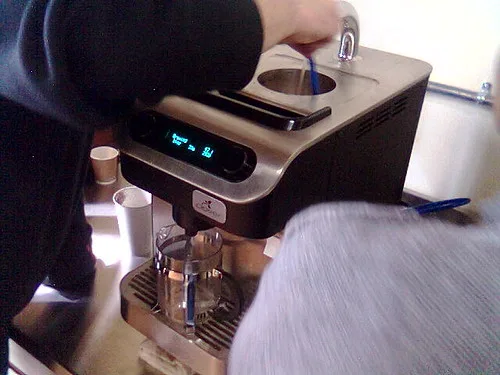
Which decaffeination method are you buying?
The best way to read a decaf label is to separate process from outcome. Swiss Water and other water-based systems often rate well for buyer comfort, CO2 is frequently associated with good flavor retention, and solvent methods can still produce very good coffee when the green coffee, roast, and freshness are handled well.
Swiss Water Process and other water-based systems
Swiss Water Process is a water-based decaffeination method. It is commonly marketed as chemical-free because no added solvent is used to remove caffeine from the coffee. That phrase describes the process, not a promise that every cup will taste cleaner or sweeter.
Other water-based extraction systems, including Mountain Water-style labeling, aim for a similar buyer message: caffeine removed through water-based extraction rather than direct solvent contact. Flavor retention claims are common, but cup quality still turns on the coffee used at the start and on how well it was roasted.
Direct and indirect solvent methods
Some decaf is made with solvent methods that use methylene chloride or ethyl acetate. In a direct solvent method, the beans are exposed to the solvent after steaming. In an indirect solvent method, caffeine is drawn into water first, then separated with a solvent before the water returns to the beans.
Methylene chloride and ethyl acetate are the two names buyers usually see discussed. In the U.S., the FDA permits methylene chloride for coffee decaffeination with a residue limit of no more than 10 parts per million in roasted coffee under 21 CFR 173.255. In Europe, extraction-solvent rules set maximum residue levels for methylene chloride in roasted coffee and tea under Directive 2009/32/EC. The practical buying point is simple: the method is regulated, but many shoppers still prefer water-based or CO2 labels for peace of mind.
Carbon dioxide processing
Carbon dioxide processing uses CO2 to remove caffeine from green coffee. It is often associated with strong flavor preservation because it can target caffeine while leaving a wider set of flavor compounds in place than many buyers expect from decaf, though final cup quality still depends heavily on the base coffee and roast.
It is less common on retail shelves than Swiss Water labeling, so when you find it, it can be a useful signal to read the rest of the bag closely. Look for origin, roast date, and whether the coffee is offered whole bean.
Method comparison table
| Method | Common label terms | Buyer takeaway | Likely flavor result | Confidence signals |
|---|---|---|---|---|
| Water-based | Swiss Water, Mountain Water | Popular with buyers who want a water-based process | Can preserve sweetness well, but still depends on roast and bean quality | Process named, origin listed, roast date present |
| CO2 | CO2 decaf, carbon dioxide processed | Often seen as a premium process with strong flavor retention | Often cleaner and more origin-specific when the base coffee is strong | Process named, whole bean offered, clear origin notes |
| Ethyl acetate solvent | EA decaf, sugarcane EA in some markets | Solvent method with residue limits; can be excellent or ordinary | Often approachable, chocolatey, lower-acid profiles | Transparent process disclosure, roast date, no stale stock |
| Methylene chloride solvent | Sometimes simply labeled decaf | Regulated method; shoppers may want more disclosure | Varies widely with starting coffee and roast | Freshness and roaster transparency matter more here |
Is Swiss Water decaf better than chemical decaf?
Swiss Water decaf is not automatically better than solvent decaf. It offers a water-based process that many buyers prefer on label-reading grounds, but cup quality still depends on the starting coffee, roast development, and freshness; a well-roasted EA or other solvent decaf can beat a stale or poorly roasted Swiss Water coffee.
What “chemical-free” means in practice
On decaf packaging, “chemical-free” usually means no added solvent was used in the decaffeination step. It does not mean the coffee is inherently safer, tastier, or lower in caffeine than every solvent decaf on the shelf.
Residue limits and buyer concerns
Methylene chloride and ethyl acetate draw attention because they are solvents, and buyers often want a simple yes-or-no answer. The more accurate answer is that these methods are regulated and subject to residue limits, yet some shoppers still prefer to avoid them. For methylene chloride specifically, the FDA sets a limit for residual solvent in decaffeinated roasted coffee in federal regulation, while EU rules also specify maximum residues for extraction solvents used in foods such as decaffeinated coffee in European law.
When solvent decaf can still be a good buy
Solvent decaf can be a smart purchase when the roaster tells you the origin, roast date, and intended brew style. If the coffee is fresh, whole bean, and matched to your brew method, the cup can outperform a process with better marketing but weaker coffee underneath.
Suppose a bag says only “decaf blend” with no roast date and no process, while another EA decaf lists a recent roast date, whole bean format, and a clear espresso target. The second bag is often the safer buy for flavor, even if the first sounds cleaner on paper.
How to choose a decaf that still tastes good
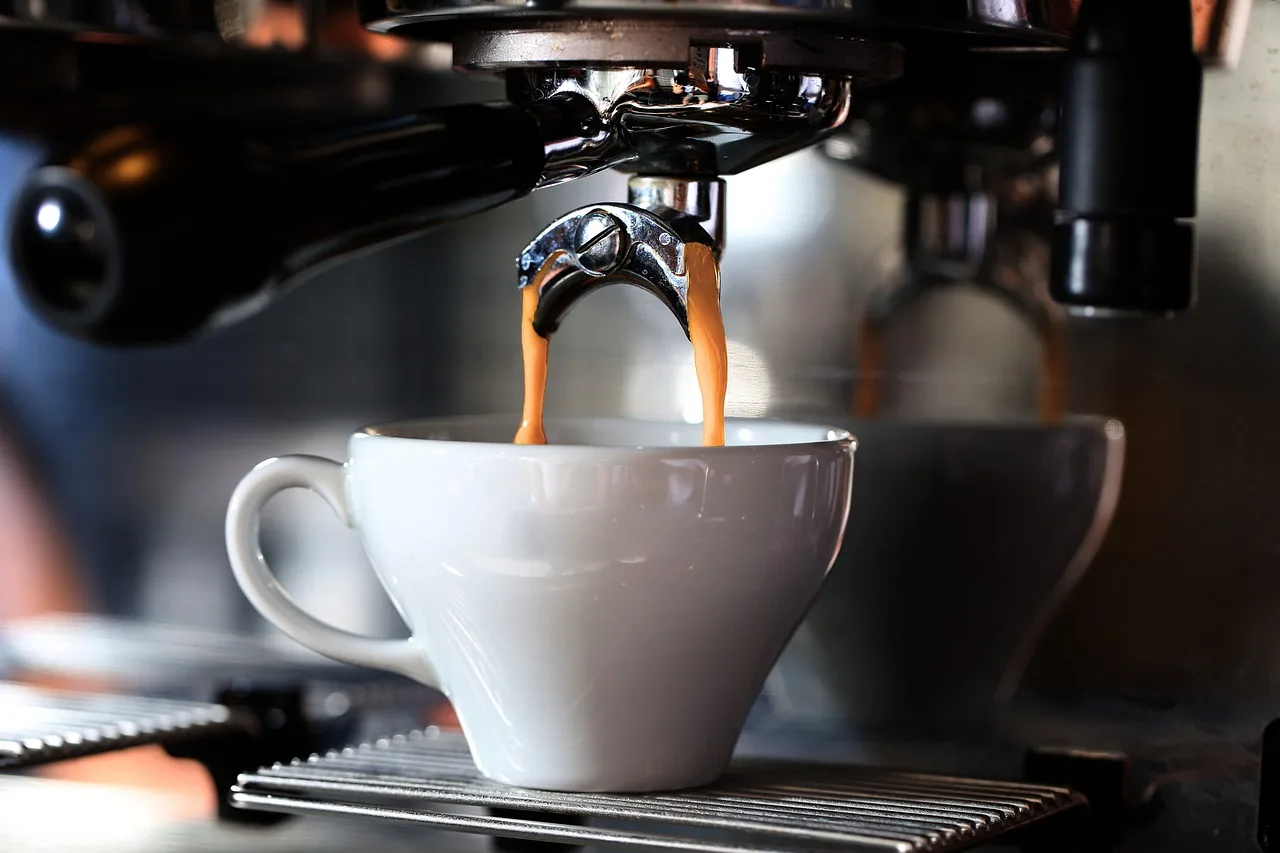
Pick by flavor goal first
If you want chocolatey, nutty, lower-acid coffee, start with medium to medium-dark decaf from Brazil, Colombia, or a comfort-style blend. If you want fruit, florals, or a cleaner finish, look for lighter decaf roasted carefully and labeled with a single origin or a more specific flavor description.
Good decaf can taste genuinely excellent. Many disappointing bags are bought for the process story rather than for the cup profile.
Match roast level and origin to your brew method
For French press, medium and medium-dark roasts are forgiving and usually fuller-bodied. For pour-over, medium roasts often keep more clarity. For espresso, a decaf that is explicitly sold for espresso or milk drinks is easier to dial in than a very light decaf. If you are choosing between brewers, our guides to French press coffee and pour-over coffee can help you match roast style to method.
Decaf can taste flat or woody when the coffee started dull, when roasting pushed too dark, or when the coffee went stale. A dark roast can hide some process loss, but it can also turn bitter fast.
Whole bean, roast date, and freshness window
Whole bean decaf usually gives you more aroma and more control. Ground decaf goes flat faster because more surface area is exposed to oxygen.
Check for a roast date, not just a best-by date. If a bag gives you no process, no origin, and no roast date, you are being asked to guess on the three details that matter most.
What to look for on bags and café menus
- Find the decaffeination method: Swiss Water, CO2, EA, or another stated method.
- Check for a roast date.
- Prefer whole bean if possible.
- Match roast level to your brewer and flavor goal.
- Look for origin detail instead of generic “decaf.”
- If ordering in a café, ask whether the decaf is a dedicated espresso or filter decaf.
Matching decaf beans to your pour-over setup
Decaf performance in pour over depends on aligning the decaffeination method, roast level, and origin profile with your specific cup goals. A mismatch between bean characteristics and brewing style often results in flat or muddy flavors, whereas a compatible choice preserves clarity and acidity. Our guide on best decaf pour-over beans breaks down top recommendations by roast intensity and processing style, helping you identify which Swiss Water or sugarcane EA options deliver the brightness or body you prefer. This comparison ensures you select a decaf that brews cleanly without sacrificing the nuanced flavor profiles found in premium roasts.
When to stop drinking decaf before bed
Decaf coffee still contains trace caffeine, so timing your last cup matters for sleep quality. The safest approach is to finish decaf at least two to three hours before bedtime, while light sleepers or those drinking multiple cups should aim for a four- to six-hour buffer. Serving size and individual sensitivity directly influence how late you can safely enjoy a mug without risking lighter sleep or nighttime wake-ups.
A practical cutoff depends on your specific bedtime, how much you pour, and how your body processes residual stimulants. Tracking your response over a week helps pinpoint the ideal window. Learn how to set your personal schedule in this guide to decaf coffee timing.
Choosing decaf coffee when you have a sensitive stomach
Decaf coffee can still trigger heartburn, cramping, or nausea if the processing method and roast level are wrong. For acid reflux, Swiss Water or CO2-decaffeinated beans in a light-to-medium roast reduce irritation most reliably. If nausea or IBS is the main issue, starting with a small 4 to 6 ounce cup of plain, non-concentrated brew matters more than chasing unverified “low-acid” marketing claims.
The right choice depends on your specific symptom pattern rather than caffeine content alone. Our breakdown of decaf for sensitive stomachs matches processing methods, roast levels, and formats to individual digestive concerns so you can avoid common triggers while keeping coffee in your routine.
Half caf vs decaf: how to choose the right caffeine cut
If you want less caffeine but still want some lift, half caf is the middle ground; if you need the smallest possible caffeine exposure, decaf is the safer pick. The choice matters because even a modest amount of caffeine can affect sleep, jitters, pregnancy limits, or medication-related restrictions. The half caf vs decaf guide breaks down caffeine levels, timing, and the situations where each option makes more sense, so you can match the drink to your goal instead of guessing.
It also explains the practical trade-off: half caf keeps more coffee flavor and some stimulation, while decaf gives you tighter control when consistency matters most.
Best decaf picks for cappuccinos
If you want a cappuccino that still tastes rounded and coffee-forward after milk is added, the decaf you choose matters as much as the espresso shot. This guide breaks down the strongest options for milk drinks, starting with Lavazza Dek as the best overall pick, then comparing bolder, budget-friendly, and darker-roast choices so you can match the coffee to your taste.
It also explains what makes a decaf hold up in cappuccinos, including roast level, sweetness, and balance at espresso-style brew ratios. For a focused shortlist, see decaf cappuccino picks.
Choosing Decaf as a Gift
If you’re buying decaf for someone else, the safest choice is the one that matches how they actually brew. The supporting guide explains how to narrow the gift by format first—whole bean for grinders, ground coffee for drip setups, or pods for pod machines—then by roast preference, from medium to darker, bolder cups. That matters because a great-tasting coffee can still be a poor gift if it arrives in the wrong grind or package size. For a practical shortlist built around these decisions, see best decaf coffee gifting.
Choosing Decaf for Iced Coffee and Summer Drinks
If you want decaf that still tastes bright and balanced over ice, the supporting guide breaks the choice down by drink style, roast, and grind. It explains why medium roasts work well for cold brew, why a medium-dark espresso roast suits iced espresso, and why a clean, low-acid medium roast is often the safest pick for iced coffee. The article also compares several decaf options so you can match flavor to your brewing method instead of guessing. That matters because the wrong bean can make a chilled drink taste flat, bitter, or watered down, even when the brew is technically correct.
For a practical shortlist and drink-by-drink recommendations, see decaf summer drinks guide.
Choosing Decaf for Winter Comfort Drinks
If you want a decaf that holds up in lattes, mochas, and other cold-weather drinks, focus on roast style and flavor first. The supporting guide breaks down which decaf winter coffee options are best for creamy, dessert-like cups, easy daily mugs, and espresso-based drinks, so you can match the coffee to the way you brew it. That matters because a decaf that tastes rich in milk may fall flat in drip coffee, and a grind or roast that works for espresso can be too intense for a French press.
You’ll also get practical buying advice on decaf method, flavor notes, and brew style, helping you pick a bag that tastes comforting instead of thin, bitter, or dull.
The decaf decision matrix
Choose by sensitivity, use case, brew method, and flavor goal
| Use case | Sensitivity level | Brew method | Roast level | Best decaf type | Why this fit works |
|---|---|---|---|---|---|
| Late-night mug after dinner | High | Pour-over or drip | Medium | Swiss Water or CO2 whole bean | Low residual caffeine, cleaner cup, easier to drink black |
| Pregnancy-related caffeine caution | High | Drip or pour-over | Medium | Water-based decaf with clear labeling | Simple label reading and easier intake tracking under around 200 mg/day guidance |
| Still wants espresso intensity with less caffeine | Moderate | Espresso | Medium-dark | CO2 or EA decaf sold for espresso | Better body, easier dial-in, holds up in milk |
| Very sensitive to caffeine at any time | Very high | French press or drip | Medium | Swiss Water or Mountain Water decaf | Buyer comfort with process and consistently low-caffeine positioning |
| Wants some caffeine reduction, not zero focus | Low to moderate | Any | Method-dependent | Any fresh, quality decaf with transparent labeling | Flavor and freshness matter more than process preference here |
| Cold brew concentrate for the fridge | Moderate | Cold brew | Medium-dark | CO2 or Swiss Water blend | Smoother profile and enough body for dilution over ice |
Picture a 12-ounce evening mug brewed strong from a dark decaf blend. Even with decaf, serving size and brew strength can push caffeine higher than expected. If sensitivity is the main issue, choose a water-based or CO2 decaf and keep cup size consistent so intake stays predictable.
How much caffeine is in decaf coffee?
Decaf coffee still contains caffeine, usually around 2 to 15 mg per cup. The FDA uses that range in consumer guidance, while regular brewed coffee is commonly listed around 80 to 100 mg per 8-ounce cup according to FDA. That is far below the caffeine in a typical regular cup, but sensitive drinkers should still count cup size and brew strength.
Why the number moves around
Residual caffeine varies because cups vary. A larger mug, a stronger brew ratio, or multiple shots of decaf espresso can raise intake even when the beans are legally decaf.
How to use caffeine numbers in real decisions
If your goal is simply “less caffeine,” most quality decaf will fit. If your goal is strict evening tolerance or staying well under daily guidance, keep the process and serving size consistent.
Calculating Your Actual Caffeine Intake from Decaf
While decaf is marketed as caffeine-free, it contains residual caffeine that accumulates when drinking multiple cups or combining it with espresso. The supporting article provides a precise breakdown of milligrams per cup, comparing brewed decaf, decaf espresso, and specific chain drinks to help you build a realistic caffeine budget.
You can use this data to identify which decaf options stay within your daily limits, especially if you are sensitive to stimulants or monitoring intake for health reasons. See the full guide on decaf coffee caffeine levels to understand exactly how much stimulant remains in your preferred beverage format.
Does decaf coffee taste different from regular coffee?
Decaf can taste different from regular coffee because decaffeination changes the bean before roasting and can reduce some aromatic intensity. The usual complaints are flat, woody, thin, or bitter cups, but those outcomes depend as much on origin, roast level, and freshness as on the decaf method itself.
Why some decaf tastes flat or woody
Two things commonly cause the “bad decaf” stereotype: average green coffee and age. If the starting coffee lacked sweetness or complexity, decaffeination leaves less room to cover that up. If the bag is old or pre-ground, papery and woody notes show up quickly.
What usually tastes best
For comfort-style coffee, medium roasts with nutty or cocoa notes tend to hold up well. For more origin character, seek fresher light-to-medium decaf roasted carefully, often from better lots or roasters that treat decaf as a mainline offering rather than an afterthought.
Naturally decaf vs regular decaf: key differences
The comparison of naturally decaf vs regular shows that naturally decaffeinated coffee uses water or CO₂ extraction, while regular decaf may rely on solvent‑based methods. This matters because the extraction method influences residual chemicals, remaining caffeine, and flavor fidelity. The guide details each process, quantifies typical caffeine leftovers, evaluates taste similarity, and provides a decision table to align with your caffeine tolerance and preferred brew style. Understanding these nuances helps you avoid a decaf that feels too bold, flat, or risky, and lets you choose the option that best preserves the coffee experience you expect.
What is the best way to brew decaf coffee at home?
The best way to brew decaf at home is to start with fresher whole beans, then adjust grind, water temperature, brew ratio, time, and agitation more carefully than you might with regular coffee. Decaf often benefits from a slightly finer grind or gentler extraction control because it can taste weak and hollow fast.
The variables that matter most
Grind size sets resistance and extraction rate. Water temperature affects how easily flavor dissolves. Brew ratio controls strength. Brew time and agitation decide whether the cup lands sweet or bitter.
Decaf is often more brittle and more soluble in practical brewing, so a small grind move can matter more than expected. A common first-timer mistake is copying a regular-bean grind setting exactly, then wondering why the cup runs fast and tastes thin.
French press starting point
Use a coarse grind, around 200°F water, and about 4 minutes for a full-bodied extraction. If the cup tastes weak, grind slightly finer before adding more coffee. If it tastes bitter, cut agitation and shorten the steep a little.
Pour-over starting point
Use a medium-coarse grind and water at 195–205°F. Aim for about 2.5–4 minutes total brew time, adjusting one variable at a time. This method usually gives the cleanest profile, which makes stale or woody notes easier to spot.
Espresso starting point
Use a fine grind and target a 25–30 second shot time. Decaf espresso often needs grinder tightening compared with your regular coffee because shots can run fast. If the shot turns harsh and dry, back off by grinding a touch coarser or lowering yield.
Cold brew note
Cold brew can work well with decaf, especially medium-dark profiles. A common steep window is 12–24 hours, but decaf cold brew can turn dull if the base coffee is already stale.
Best decaf options for latte-making at home
If you want decaf that still stands up to milk, this article narrows the field to beans and blends that lean espresso-friendly, chocolatey, and structurally strong in lattes. It explains which decafs are best for café-style shots, which are smoother for balanced milk drinks, and which are the smarter budget picks when you want reliable flavor without caffeine.
The guide also helps you choose based on roast style, brewing method, and taste preferences, so you can match the coffee to your setup instead of guessing. For a concise shortlist and practical buying notes, see decaf coffee for lattes.
Best decaf instant coffee for busy mornings
If you want decaf coffee that fits a rushed morning, this guide narrows the field to the formats that actually save time: travel-friendly sticks, value jars, and options that mix into a mug fast. The roundup highlights which products are best for commuting, which are best for keeping at home, and which are easiest when you want a quick espresso-style cup without extra gear. See the full decaf instant coffee guide for the side-by-side breakdown.
This matters because the right decaf instant coffee can cut friction at the moment you need it most: before work, on the road, or at a desk. Instead of guessing, you can choose based on speed, value, and routine.
Can I grind decaf coffee the same as regular coffee?
Usually no, at least not blindly. Decaf can fracture differently and often extracts faster or flows faster than a regular coffee on the same setting, so many brewers need a slightly finer grind for pour-over or espresso, then a taste check before changing temperature or dose.
Why the same setting can fail
Decaffeination changes moisture and cell structure. In practice, that can mean finer particles, more fines, or a faster-tasting extraction from the same grind number.
How to adjust without chasing the cup
Change one step at a time. For pour-over, move slightly finer if the brew runs quickly and tastes thin. For espresso, tighten the grinder if the shot rushes under the 25–30 second target. For French press, only go finer in small steps to avoid sludge and bitterness.
Why does decaf coffee taste weak or bitter?
Decaf coffee often tastes weak or bitter because decaffeination changes how the coffee extracts, and many people brew it exactly like regular beans. Weak cups usually come from under-extraction or stale coffee, while bitter cups and slow drawdowns often come from too-fine grinding, too much agitation, or over-long contact time.
Why decaf extracts differently
Decaf can lose some aromatic punch and show roast defects or staleness earlier. That makes small brewing mistakes more obvious. The fix is usually targeted, not dramatic.
Troubleshooting table
| Problem | Brew method | Likely cause | What to change first |
|---|---|---|---|
| Weak, thin cup | French press | Too coarse, short steep, stale coffee | Grind slightly finer or hold near 4 minutes with 200°F water |
| Weak, fast brew | Pour-over | Grind too coarse, low agitation, cool water | Go a little finer and keep water in the 195–205°F range |
| Weak, sour shot | Espresso | Shot too fast, grind too coarse | Tighten grinder and aim for 25–30 seconds |
| Bitter, dry finish | French press | Too much agitation, overlong steep | Stir less and shorten steep slightly |
| Bitter, ashy cup | Pour-over | Too fine, too hot, dark roast pushed too far | Go coarser first, then check water temperature |
| Bitter, harsh espresso | Espresso | Shot too slow, too much yield | Grind a touch coarser or pull a shorter shot |
| Slow-draining bed | Pour-over | Too many fines, over-agitation | Grind coarser and pour more gently |
| Choking machine | Espresso | Grind too fine or high fines content | Open grinder slightly and reduce puck prep aggression |
How should I store decaf coffee so it stays fresh?
Store decaf coffee sealed, cool, dry, and away from light, with whole beans preferred over ground. Decaf often tastes flat sooner because aroma loss and papery oxidation notes stand out more clearly, so freshness shows up fast in the cup even when the bag still smells acceptable.
What oxygen, heat, light, and grinding do
Oxygen strips aroma. Heat speeds staling. Light works against volatile compounds. Grinding accelerates all of it by exposing more surface area.
Best storage setup
Keep the coffee in its sealed bag if it has a one-way valve, or move it to an airtight opaque container. Store it in a cupboard, not beside the kettle or on a sunny counter.
When a bag has gone flat
If sweetness has disappeared and the cup tastes woody, papery, or dull even after dialing in grind and temperature, the bag is probably past its best drinking window. With decaf, that drop-off often feels sudden.
Sources
- FDA: Spilling the Beans: How Much Caffeine is Too Much?
- U.S. FDA / eCFR: 21 CFR 173.255 — Methylene chloride
- EU Directive 2009/32/EC on extraction solvents used in the production of foodstuffs and food ingredients
- StatPearls: Caffeine
- ACOG: Nutrition During Pregnancy
- Decaf Coffee Guide: Caffeine, Safety & How It’s Made
Products related to this article
Sponsored / affiliate links. As an Amazon Associate I earn from qualifying purchases. I may earn additional commission from eligible campaigns.