Use a 3-step roast rule: light for brighter, fruit-forward cups, medium for balance and versatility, dark for heavier body and roast-driven bitterness, then match the bag to your brew method and buy coffee roasted within a few weeks of roasting. Ignore roast level, brew fit, and roast date, and you waste money on bags that taste flat, harsh, or wrong for your setup. This guide reads roast labels, helps you predict flavor, and gives you a quick system for choosing the right bag faster.
I buy, roast, and brew coffee as a hands-on home tester, not as a lab or marketing brand. For this guide, I leaned on my own side-by-side brews across pour over, espresso, French press, and cold brew, then checked those observations against Specialty Coffee Association guidance on freshness and sensory evaluation, UC Davis Coffee Center educational material on extraction and tasting, roast-machine maker guidance that probe temperatures are machine-specific, and standard coffee references such as Espresso Coffee: The Science of Quality by Illy and Viani. My practical test setup was simple: same water, same grinder family, same dose style by method, and repeated brews of the same coffees at different roast levels so I could separate roast effects from origin effects.
What roast level means when you are buying coffee
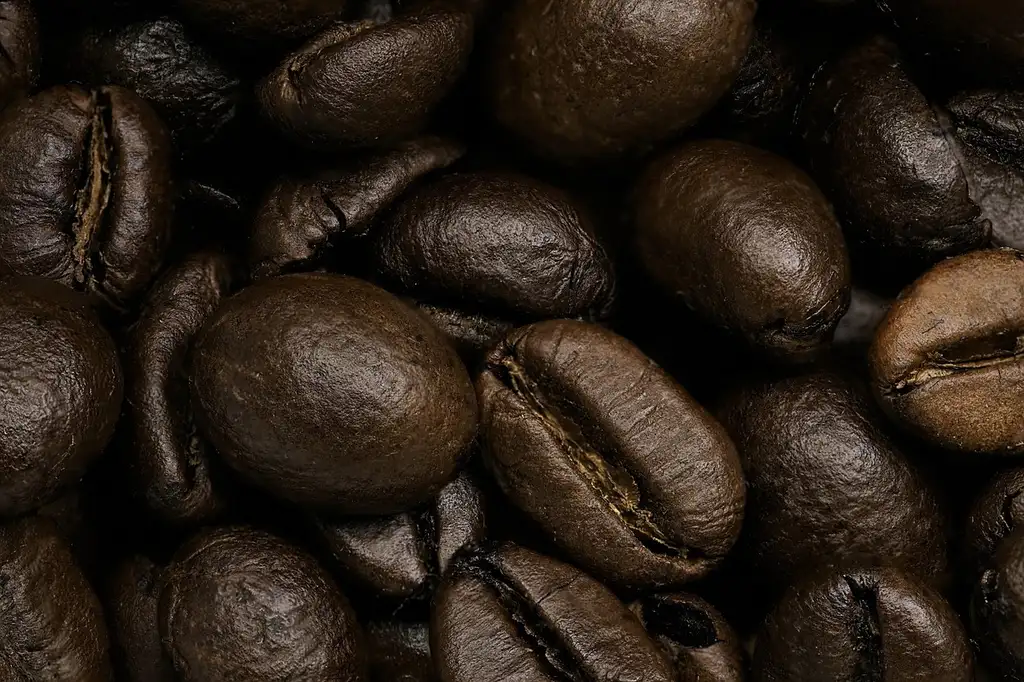


Roast level is how far a coffee bean has been developed in the roaster, and that directly affects acidity, body, solubility, and which flavors stand out in the cup. When buying coffee, roast level matters most when read alongside brew method, origin, process, and roast date.
Roast level is development, not a quality grade
A light roast is not automatically better than a dark roast. A dark roast is not automatically lower quality either. Roast level tells a buyer what the roaster chose to push forward in the cup.
Lighter development usually leaves more of the bean’s own character easy to taste. Deeper development shifts the cup toward roast notes like toast, cocoa, smoke, and bittersweet edges. That basic direction is consistent with SCA sensory training language and with peer-reviewed coffee chemistry work showing that roasting changes volatile aroma compounds, perceived acidity, and bitterness as development increases.
What roast level changes in the cup
For buying decisions, roast level quickly changes five things in the cup: perceived acidity, body, sweetness style, extraction ease, and how the coffee behaves as it rests after roasting.
- Light roast: higher acidity, lighter body, lower solubility, more origin detail.
- Medium roast: more sweetness, moderate body, easier extraction, broad brew flexibility.
- Dark roast: lower acidity, heavier body, high solubility, stronger roast character.
In brews, that pattern shows up most clearly when the coffee variety and process are kept constant. A washed Ethiopian tested as light and medium keeps the same lemon-floral core, but the light roast needs a finer grind and hotter water to avoid tartness, while the medium roast offers a sweeter, easier cup on the first brew.
Why roast level should never be read alone
A bag that says medium still leaves big gaps. Buyers should also check origin, process, tasting notes, and roast date. A washed Ethiopian medium and a natural Brazil medium can carry the same roast label and still taste very different.
Bag detail matters. If the seller gives only a roast word and nothing else, the cup is harder to predict. That is one reason I trust bags more when the roast label agrees with the note set, the origin, and the suggested brew method.
📊 Light-roast temperature numbers are not universal buyer-facing facts. Many simplified roast charts say light roasts land around 350 to 400 degrees Fahrenheit, but roast-equipment makers and roasting educators consistently note that displayed temperatures vary with probe placement, airflow, batch size, and machine design. Treat numbers like these as rough machine-specific ranges rather than a universal definition. Example of the simplified type of chart buyers often see: Howtostartanllc.
How roast level affects acidity in the cup
If your goal is a smoother, less sharp coffee, roast level is one of the quickest levers to adjust. The supporting guide explains why medium-dark roast is usually the safest starting point for acidic coffee lovers, while medium roast tends to taste brighter and light roast can preserve more sourness or a thinner body. That matters because roast choice changes how sweetness, bitterness, and perceived acidity show up in the cup.
It also goes beyond roast alone by showing how processing and brew method can push a coffee toward softer or brighter results. For a practical breakdown of which roast to choose and when, see best roast level.
How roast level affects whether whole bean or ground coffee makes sense
Roast level changes how much freshness and flavor control you need. Light roasts usually benefit most from whole bean roast choice because their brighter, more delicate flavors fade faster after grinding and need a consistent grind for accurate extraction. Dark roasts are a little more forgiving, so pre-ground coffee can still brew well, but they lose aroma and nuance more quickly once exposed to air.
This matters because the best format is not the same for every roast. The supporting guide breaks down which roast levels fit whole bean or pre-ground coffee, plus how to match your choice to brew method, shelf life, and the flavor outcome you want.
How much power a home roaster uses
If you are weighing a home roaster, electricity use is part of the real cost. A typical machine may draw roughly 0.5 to 1.5 kWh per batch, and the number can climb with larger loads, longer roast times, or darker profiles. That matters because it affects monthly energy bills, whether a circuit can handle the machine, and how consistently the roaster can reach target heat.
The supporting guide breaks down the home roaster electricity numbers in plain terms, including how roast level changes power demand, how to estimate cost per batch, and what to check before you buy or plug in a roaster.
How coffee moves from green bean to light, medium, and dark
Coffee starts green and grassy, then heat drives off moisture, browns the bean, and builds aroma through the Maillard reaction and caramelization. First crack marks the floor for fully drinkable roasted coffee, while second crack signals deeper development, lower acidity, and the start of surface oil migration. The most reliable way for buyers to think about roast stages is by these milestones and the cup they create, not by pretending one exact Fahrenheit number means the same thing on every machine.
Drying and the start of browning
Green coffee first loses moisture. Then browning begins. This early phase sets up later flavor development, but it does not yet produce a cup most people would want to drink.
Maillard reaction and aroma building
The Maillard reaction is the browning step that creates many toasted, nutty, and caramel-like aromatic compounds. This is where coffee starts moving away from raw plant notes and toward the smell most people know as coffee.
For buyers, that matters because medium roasts often land in a sweet spot where these browning flavors are built up without fully covering the bean’s origin character. That is also close to what is tasted most often in practical brewing: medium roasts offer the widest margin for error when brewing before work and not chasing a competition-style cup.
First crack, development time, and second crack
First crack is an audible roast milestone when beans expand and release steam and gases. It marks the floor for drinkable roasted coffee. Light roasts are often dropped at or not long after this stage.
After first crack, roasters choose how much more development they want. Many coffees sold as medium finish after first crack but before second crack. Second crack is another audible milestone associated with more brittle structure and darker roast character. Roast-equipment makers such as Probat, Loring, and Mill City Roasters all stress in their educational material that displayed temperature readings depend on the machine and probe, so stage names are more portable than exact numbers.
Caramelization, oils, and deeper roasting
Caramelization is sugar breakdown during roasting. As development continues, sweetness shifts toward toffee and bittersweet caramel. At the same time, some delicate origin detail falls back.
Dark roasts are commonly associated with second crack or development beyond it, though exactly where that appears on a display is machine-dependent. That spread is one reason bag labels vary so much; probe placement, batch size, airflow, and roasting style all change the number without changing the buyer outcome much.
Once beans move well past deeper development, oils can migrate to the surface. That oily look is common on darker roasts, but it is not proof of quality. In my own buying, an oily bag plus an old roast date is usually a warning sign for faster staling and a flatter, harsher cup.
What are the main coffee roast levels?
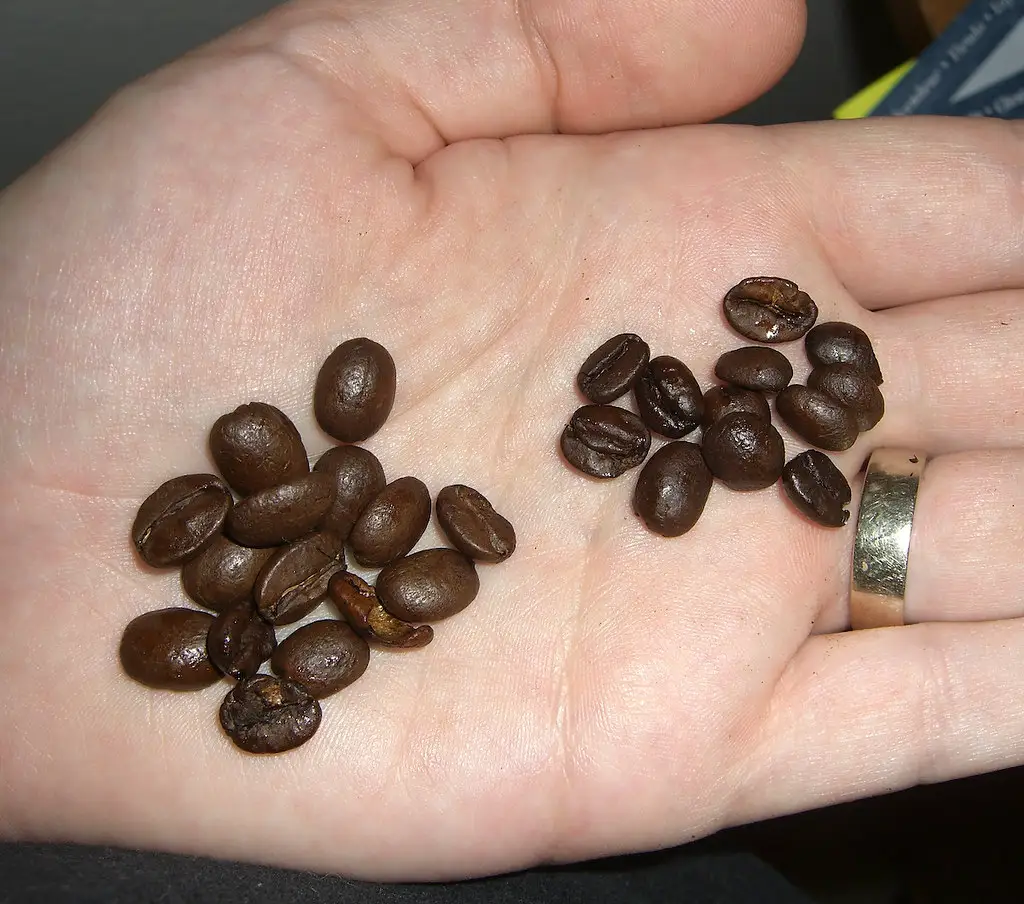
The main roast levels are light, medium, and dark, though real store labels get messy fast. I treat the printed roast name as a rough lane, then check surface appearance, tasting notes, brew fit, and any extra seller terms such as city, full city, or espresso roast.
Light roast
Light roasts are also called cinnamon roast, blonde roast, or half city. In practice, roasters usually mean coffee dropped around first crack or shortly after, though the exact temperature readout is machine-specific rather than universal.
On the shelf, expect a light brown bean with a dry surface. In the cup, light roast usually brings higher acidity and lighter body. It often keeps the clearest sense of origin.
Very light Nordic-style coffees push this even further. Those bags can be exciting in pour over and punishing in careless brewing. Easiest success with very light roasts comes from washed coffees brewed hot with enough extraction time; when rushed, they taste more like under-extracted tea than sweet coffee.
Medium roast
Medium roasts generally mean the coffee developed past first crack but not into a distinctly dark, second-crack-dominant profile. They are medium brown and usually dry on the surface.
This is the most forgiving category for many buyers. Caramel, chocolate, and nut notes tend to show up clearly here. In both sensory training and day-to-day brewing, this is the range I recommend most when someone wants one bag that can handle drip on weekdays and espresso on weekends.
Medium-light, city, house roast, breakfast roast, and full city often live somewhere around this zone, but different roasters use those words loosely.
Dark roast
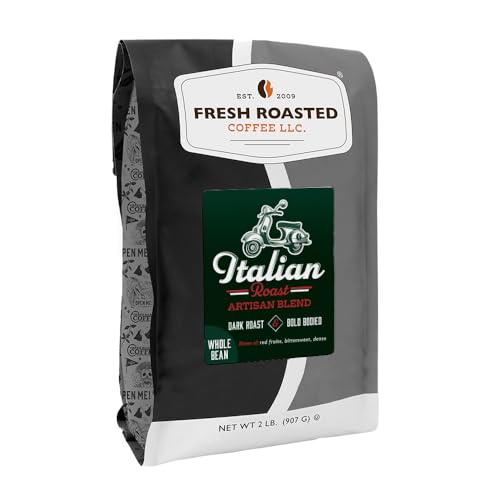
Dark roast labels often include names such as Vienna, French, Italian, and espresso roast. Those terms are not standardized across the whole market, so they are better treated as style signals than exact technical categories.
Expect dark brown to near-black beans, lower acidity, and heavier body. Many dark coffees show development into or beyond second crack and may show surface oils.
Dark roast is where label confusion gets worst. Espresso roast is often a marketing term, not a fixed technical level. One roaster’s espresso roast can be medium-dark. Another’s can be nearly French.
Why roast labels vary so much
A buyer should read medium as a range, not a promise. Some specialty roasters sell coffees that would taste light to mainstream buyers even when labeled medium.
That tells buyers something useful: the label is part roast level, part target audience. Read the notes and brew guidance too. If the roast name and flavor notes fight each other, I trust the fuller bag information more than the single roast word.
How do roast labels translate to cup flavor?
Roast labels translate into cup flavor by shifting where the coffee’s intensity comes from: origin acidity and florals at the light end, sweetness and cocoa in the middle, and roast-driven bitterness, smoke, and body at the dark end. Tasting notes can still clash with the label, so buyers should read both.
Light roast in the cup
Light roast usually tastes brighter, with more acidity and a lighter body. Fruit, citrus, tea, herbs, flowers, and crisp sweetness show more clearly here.
That matches what I get from light-roasted washed coffees when the brew is fully extracted: clearer aromatics, a lighter tactile feel, and more noticeable acidity. When the same roast is brewed too cool or too coarse, the same coffee can flip from vivid to sour fast.
Medium roast in the cup
Medium roast tends to push acidity into the background without flattening the coffee. Caramel, chocolate, roasted nuts, and stone-fruit sweetness often come through best here.
This is the safest shelf pick when a buyer wants one bag for drip, espresso, and casual milk drinks. In blind tasting with friends at home, medium roasts are also the least polarizing because they usually land between “too sharp” and “too roasty.”
Dark roast in the cup
Dark roast pushes roast flavor forward. Body gets heavier. Acidity drops. Origin detail narrows.
That does not mean all dark roast tastes burnt. Good dark roast can still taste sweet, especially when brewed a little cooler and not over-extracted. Bad dark roast tastes ashy, charred, or hollow.
When tasting notes disagree with the roast label
If a bag says dark but lists jasmine, bergamot, and lemon, something is off. If it says light and the notes are smoke and dark cocoa, expect more development than the word suggests.
Trust the full picture. Roast term, note set, bean appearance, and brew recommendation should point in the same direction. If they do not, I usually skip the bag unless I already know the roaster.
How to choose roast level by taste preference, brew method, and freshness
The simplest buying system is to choose a flavor target first, then check whether the roast matches your brewer and whether the roast date is still in a good window. Roast level alone is too blunt, the right bag is where taste goal, brew fit, origin, and freshness all line up.
Step 1: choose by flavor target
- Bright, floral, fruit-led: start with light roast.
- Balanced, sweet, flexible: start with medium or medium-light.
- Deep cocoa, smoke, low-acid profile: start with medium-dark or dark.
If a buyer dislikes sharp acidity, light roast is often a costly mistake unless the bag mentions low-acid origins or a more developed light profile.
Step 2: choose by brew method
Pour over: light to medium usually gives the most clarity. Very light coffees may need hotter water and finer grind to avoid sour cups.
Drip: medium is the safest default. It handles a wider range of grinders and brew baskets with less drama.
Espresso: medium to medium-dark often gives the easiest balance of sweetness, body, and manageable acidity. Espresso does not require dark roast.
French press: medium through dark tends to work well because body reads strongly here. Light roast can taste thin unless extraction is pushed carefully.
Cold brew: for a long-steep immersion setup, medium-dark to dark often gives the easiest chocolate-heavy result, though a medium roast can taste cleaner and less muddy. If cold brew is your actual target method, that guide is the directly adjacent dial-in reference I would use after choosing the roast.
Step 3: choose by roast date and package cues
A practical buying window for many coffees is about 7-30 days off roast for peak filter use, with espresso often improving after a bit more rest depending on the coffee and packaging. SCA freshness guidance and common roaster practice both support the broader point: a visible roast date is more useful than a vague best-by date, and the ideal rest window varies by roast style, packaging, and brew method.
Darker coffees often stale faster once surface oils appear. Oxygen moves flavor downhill quickly there. If the bag is oily and the roast date is old, expect a flatter cup.
Buyers should check for these cues on the bag:
- Roast date, not only a best-by date
- Origin listed beyond just the country when possible
- Process such as washed, natural, or honey
- Tasting notes that fit the roast term
- Brew guidance or at least a roast range description
When origin and process should overrule roast color
Washed, high-altitude coffees often do well with lighter roasting because acidity and floral detail stay clear. Natural-process coffees can take slightly more development without losing their fruit, and they often taste rounder in medium roasts.
Buyers chasing low-acid comfort cups should look at origin too. Brazil, Sumatra, and many lower-acid blends often hit that goal faster than grabbing the darkest bag on the shelf. In my own espresso testing, a medium-roasted Brazil usually gives the low-acid, chocolate-forward result many buyers expect from a dark roast, but with less ash risk.
How to choose the right roast for cold brew
The best roast for cold brew depends on how you plan to drink it: medium roast is the safest starting point, light roast works well if you want a brighter black cup, and dark roast is better when you want a stronger concentrate that still holds up with milk or ice. Choosing the wrong roast can make cold brew taste flat, harsh, or weak after dilution.
This cold brew roast guide breaks down how roast level changes flavor in cold brew and helps you match the bean to your serving style, so you can avoid wasting coffee on a brew that does not suit your drink.
Choosing a roast level when bitterness is the dealbreaker
If bitter coffee is what turns you off, the roast level matters more than many beginners expect. The supporting guide breaks down why medium roast is the safest starting point for most people, when light roast can work if you want brighter acidity, and when dark roast may feel smoother because it lowers acidity even though it can add roast bitterness. It also explains how to match roast choice to your brew method so the cup stays balanced instead of harsh, thin, or burnt.
For a simple, practical way to narrow your options, see the best roast level guide.
How to choose the best roast for drip coffee
This guide explains why medium roast is usually the safest choice for drip coffee, then shows when light or dark roast makes more sense. It connects roast level to the flavor you want and to common drip-brewing problems like thin body, excessive bitterness, or flat cups, so you can make a better pick before you buy.
If you want a quick, practical way to match roast to your brewer and taste preferences, the best roast level article breaks down the options and helps you avoid the most common selection mistakes.
A simple starting point for choosing a roast
If you want the shortest path to a good first bag, this guide makes the decision easy: medium roast is the safest default, light roast suits people who like brighter acidity, and dark roast is better only when you want less acidity and more bitterness. It also explains why going too dark can mute origin character, while going too light can feel sharp or thin. For beginners, that matters because roast level changes both flavor and balance before you ever change brew method. See the full best roast level guide for a quick shelf-side rule you can use while shopping.
Choosing the best roast for automatic brewers
The supporting guide explains which roast level usually works best in automatic coffee makers: medium roast as the safest all-around choice, light roast for brighter flavor, and dark roast for machines that can handle it without clogging or over-extracting. That matters because roast level affects how the coffee grinds, how water flows through the puck or filter, and how balanced the final cup tastes.
If you want a quick, practical way to match beans to your machine, the best roast level guide breaks down the tradeoffs so you can pick a roast that suits both your brewer and your preferred cup.
Roast selection matrix
This matrix turns shelf labels into a buying decision. Start with the taste preference column, confirm the brew method, then use the roast stage, acidity, body, and label synonym columns to screen the bag. The last column helps when the cup goes wrong after purchase.
One-page coffee roast level guide matrix
Fast shelf rule I actually use: choose the row by brew method first, then reject any bag whose notes fight the row, then use the troubleshooting cue the next morning if the first brew fails.
| If you brew with… | Buy when the bag says or shows… | Reject when the bag says or shows… | If the cup fails, troubleshoot this first |
|---|---|---|---|
| Pour over | Light to medium, dry surface, floral/citrus/caramel notes that match the label | Very dark appearance, oily beans, smoke-heavy notes if you wanted clarity | Sour = grind finer and brew hotter; bitter = grind coarser or brew cooler |
| Drip machine | Medium or medium-dark with chocolate, nut, caramel, or balanced-fruit notes | Ultra-light roast if your machine brews cool; old oily dark roast if you hate harshness | Flat = increase dose or use fresher coffee; harsh = reduce extraction and check water temp |
| Espresso | Medium to medium-dark unless you specifically want bright modern shots | “Espresso roast” with no date or notes; very dark oily beans for daily straight shots | Sharp shot = grind finer or rest longer; bitter shot = grind coarser or shorten yield |
| French press / cold brew | Medium through dark for body, unless you want a cleaner medium cold brew | Stale dark coffee with heavy oil sheen and no roast date | Muddy = go one roast step lighter or shorten contact; thin = use more coffee or finer grind |
| Taste preference | Brew method | Likely roast stage | Acidity | Body | Common label synonyms | When this goes wrong |
|---|---|---|---|---|---|---|
| Floral, citrus, tea-like, fruit-first | Pour over, AeroPress | Light; at or just after first crack; roughly 350–400°F | High | Light | Light, cinnamon, blonde, half city | Sour or grassy: grind finer, use hotter water, increase contact time, check roast date and underdevelopment risk |
| Sweet, balanced, versatile | Drip, pour over, espresso | Medium-light to medium; after first crack, before second; around 400–430°F | Medium | Medium | Medium-light, city, breakfast, house, medium | Flat or dull: grind finer, brew slightly hotter, verify stale bag or weak dose before blaming roast |
| Caramel, chocolate, nut-heavy | Drip, espresso, French press | Medium to medium-dark | Medium-low | Medium-full | Full city, medium-dark, house espresso | Bitter finish: coarsen grind slightly, lower water temperature, shorten extraction |
| Low-acid, heavy body, smoky or roast-led | Espresso, French press, cold brew | Dark; well into or past second crack; common ranges around 430–480°F | Low | Heavy | Dark, Vienna, French, Italian, espresso roast | Burnt, ashy, stale: check for old roast date, oily beans, overheated brew water, or too-fine grind |
Note: the temperature ranges in the table above are rough roast-machine readouts commonly used in roaster education and buyer guides, not universal bean-temperature laws. For cross-roaster comparison, first crack, development level, and cup profile are more dependable than a single displayed number.
How to use the matrix on a store shelf
First, pick the row that matches the cup you want. Second, reject bags with vague or conflicting labels. Third, choose the freshest roast date that still gives the coffee a few days of rest.
If two bags still look similar, the one with clearer origin and process information is usually easier to trust. My tie-breaker is simple: I buy the bag whose label best explains why it should taste the way it claims.
Is coffee stronger the darker the roast?
Darker roast can taste stronger because roast flavors are heavier, more bitter, and more smoky, but that is flavor strength, not a clear caffeine advantage. Caffeine is relatively heat-stable during roasting, so roast-level differences are small by weight and more confusing when measured by scoop volume.
Flavor strength versus caffeine strength
People often mean two different things by strong. One is flavor impact. The other is caffeine content. Dark roast often wins the first contest and does not clearly win the second.
Caffeine by weight and by volume
Beans tend to expand as roasting gets darker, so dark beans usually become less dense. When coffee is measured by volume, such as one scoop, dark roast can seem weaker because fewer grams fit into that scoop.
Measure by weight and roast-level caffeine differences tighten up. That lines up with standard coffee science references: buyers and brewers get a more meaningful caffeine comparison by grams of coffee used than by scoop size.
What buyers should do with this information
If the goal is a heavier-tasting mug, buy medium-dark or dark. If the goal is more caffeine, use a scale and focus on dose and serving size before worrying about roast level.
Medium vs Dark: Caffeine and Strength Comparison
Many consumers assume darker beans contain more caffeine, but mass loss during roasting means a scoop of dark roast often delivers less caffeine than the same volume of medium roast. The primary difference lies in flavor profile rather than stimulant content. Medium roasts preserve higher acidity and fruity notes, while dark roasts prioritize smoky bitterness and body. The specific guide medium versus dark roast breaks down how brewing methods like espresso or cold brew interact with these roast levels to alter perceived strength.
Choosing the correct roast depends on your preferred extraction method and tolerance for acidity. Dark roasts typically mask origin characteristics with roasted notes, making them suitable for milk-based drinks. Medium roasts shine in filter brews where clarity is preferred. Understanding this distinction prevents brewing flat or overly bitter cups. This comparison highlights why label interpretation matters when sourcing beans for drip or espresso systems.
Which roast level works best for espresso and pour over?
For espresso, medium to medium-dark is usually the easiest place to get sweetness, body, and manageable acidity. For pour over, light to medium usually gives more clarity and origin detail. Both methods can work outside those lanes, but brew settings must move with the roast.
Which roast level is best for espresso?
Espresso roast is not one exact roast level. Many excellent espresso coffees land between medium and dark, because that zone gives solubility, crema-friendly body, and a lower risk of sharp acidity.
A light espresso can be great, but it asks more from the grinder and the barista. If a buyer wants an easier daily shot, medium or medium-dark is the safer bag. In my own dialing-in, that is the point where I get sweetness and structure faster, with fewer sour misses in the first couple of shots.
Which roast level is best for pour over?
Pour over rewards clarity, so light and medium roasts often perform best. This is where washed coffees from high-altitude origins can shine.
If the buyer wants sweeter, easier brews with less edge, medium roast is the lower-risk choice. If the buyer wants citrus, florals, and high definition, light roast is the better lane. Once you pick the roast, that grind guide is the most relevant next step because roast and grind interact immediately in pour over.
Brew adjustments by roast level
Light roast: grind a bit finer than usual, use hotter water, and allow enough contact time. If the cup is sour, extraction is often too low.
Medium roast: start in the middle on grind and water temperature. This roast level is the least fussy and usually the easiest to dial in.
Dark roast: grind a bit coarser, use slightly cooler water, and avoid overlong extraction. If it tastes bitter or hollow, back off.
Ratio shifts are modest. In practice, buyers usually fix roast mismatch faster through grind and temperature than through large dose swings. That tracks with my own repeated brews more than any one-size-fits-all recipe does.
How to avoid sour light roasts and bitter dark roasts
Sour light roast usually means under-extraction, underdevelopment, or coffee brewed too soon after roasting. Burnt dark roast often means an old oily bag, water that is too hot, or a grind that is too fine.
Before blaming the roast category, check freshness and setup. The failure pattern matters: sharp lemony sourness usually points to extraction, while papery dullness points to age.
How roast level changes pour-over flavor
If you are brewing pour-over, roast level has a direct effect on whether the cup tastes bright and floral, balanced and sweet, or heavy and muted. The supporting guide explains why light to medium-light roasts usually bring the clearest acidity and aroma, while medium roasts often give a smoother, sweeter result with less sharpness.
It also shows how your dripper changes the outcome: a V60 can highlight brightness, Kalita tends to round things out, and Chemex often emphasizes clarity. If you want a practical way to choose beans before brewing, pour-over roast guide helps you match roast level to the flavor profile you want.
Applying Roast Levels to French Press Brewing
French press brewing highlights specific roast characteristics that impact body and acidity. A medium-dark roast generally provides the ideal balance for this immersion method, offering fuller texture while minimizing harsh bitterness that can make the cup muddy. Lighter roasts introduce higher acidity and a brighter profile, whereas dark roasts emphasize smokiness and reduced perceived acidity.
You can fine-tune your flavor goals by matching the roast to your preferred intensity, ensuring the grind size and freshness support the extraction. For a detailed breakdown of how each roast level performs in a French press, check out best French press roasts.
Roast recommendations for black coffee drinkers
If you drink coffee black, the roast you pick determines whether the cup feels bright, balanced, or heavy. The guide best roast level breaks down light, medium, and dark options, matching each to common flavor goals—nuance, low‑acid boldness, or a safe middle ground. It also provides a quick comparison chart, a decision table, and specific bean picks like Blue Bottle’s balanced medium roast and Amazon Fresh’s low‑acid Sumatra dark roast. Using this framework helps you avoid sour or flat brews and select a roast that aligns with your taste, not just the label on the bag.
Choosing the right roast for milk-based drinks
If you’re making cappuccino or flat white, roast level should be chosen for how the coffee behaves with milk, not just by general roast preference. Medium-dark roast is the safest all-round pick for cappuccino, while flat white often works best with medium or medium-dark roast depending on whether you want more sweetness or more punch.
The roast level guide breaks down the two drinks side by side, explains how milk ratio changes the flavor balance, and shows when a lighter or darker roast makes sense. That matters because the wrong roast can disappear in milk or taste sharp and thin, while the right one gives the drink a clearer, more satisfying coffee flavor.
Best Roast Level for Aeropress Coffee
If you want a reliable Aeropress starting point, medium roast is usually the best default because it balances sweetness, acidity, and body without pushing the cup toward sour or bitter. The supporting guide breaks down when to choose light, medium, or dark roast based on your flavor goal, so you can match the bean to the kind of Aeropress cup you want.
It also explains why roast choice matters for this brewer: the wrong level can make the coffee taste thin, flat, or harsh, even if your technique is otherwise solid. For a practical breakdown of roast-by-goal choices, see Aeropress roast levels.
Best roast level for manual burr grinders
For most people using a manual grinder, the best starting point is a medium roast whole bean because it gives the widest usable range before the cup turns too sour, bitter, or inconsistent. The supporting guide explains how roast level changes grind behavior and how to make small adjustments without changing dose or brew ratio, so you can isolate the grind setting that actually improves the cup.
It also breaks down when light roasts need a finer touch for clarity, when dark roasts need a coarser setting to avoid over-extraction, and why fresh beans can shift your results. If you want a practical, roast-by-roast way to dial in your grinder, see manual grinder roast levels.
When roast choice goes wrong
When a roast choice fails, the problem is often a mismatch between roast level, brew method, freshness, or bag accuracy rather than a simple dislike of light, medium, or dark coffee. Buyers get better results by diagnosing the failure: sour means one set of fixes, flat another, burnt another.
Light roast tastes sour, grassy, or thin
Possible causes include under-extraction, brewing too cool, too coarse a grind, or a coffee that is underdeveloped in roasting. Very fresh light roast can also taste unsettled.
Check the roast date, push extraction higher, and make sure the bag’s flavor notes actually fit light roast expectations. In practice, the first fix is almost always hotter water plus a finer grind before deciding the bag itself is the problem.
Medium roast tastes flat or dull
This usually points to stale coffee, low brew strength, or a bag that sits in a vague middle without enough sweetness or enough origin definition. Medium should taste rounded, not lifeless.
Check for an old roast date and weak dosing first. Then look at origin and process. A generic blend with no detail often drinks exactly like it sounds. If the coffee is fresh, tighten the grind slightly and increase strength before giving up on the bag.
Dark roast tastes burnt, ashy, or stale
Three common causes show up here: the roast is pushed too far, the bag is old and oily, or brewing is over-extracting an already soluble coffee. Dark coffees are less forgiving of staling once oils are on the surface, so a clear roast date matters even more here.
If a buyer wants low-acid and heavy body without ash, move one step lighter to medium-dark.
What to check on the bag before buying again
- Was there a clear roast date?
- Did the tasting notes match the roast term?
- Did the seller name the origin and process?
- Was the roast label overly broad, like only espresso roast?
- Did the roast level actually fit the brewer being used?
Frequently asked questions
What is roast level in coffee?
Roast level in coffee is the degree of development the bean reaches during roasting. That development changes flavor emphasis, acidity, body, and how easily the coffee extracts. For buyers, roast level is useful only when read with origin, process, tasting notes, and roast date.
What does roast level mean for coffee?
Roast level means how much the roasting process shaped the final cup. Lighter roasts tend to show more origin character and acidity, medium roasts usually give the broadest balance, and darker roasts push roast flavor, lower acidity, and heavier body to the front.
What are the different coffee roast levels?
The main coffee roast levels are light, medium, and dark. Light roast is often labeled cinnamon, blonde, or half city, medium can include city, breakfast, or house roast, dark may appear as Vienna, French, Italian, or espresso roast, depending on the seller.
Which roast level preserves the most flavor?
Light roast usually preserves the most origin-specific flavor, especially florals, fruit, and acidity. That does not mean it preserves the most sweetness or body in every case. Buyers who want the clearest sense of origin should start with light or medium-light bags from detailed roasters.
Does darker roast have more caffeine?
Darker roast does not automatically have more caffeine. Caffeine is relatively stable during roasting, so differences by weight are small. By volume, dark roast can seem weaker because the beans expand and become less dense, so a scoop holds fewer grams than a scoop of light roast.
Sources
- Specialty Coffee Association (SCA), freshness and sensory resources used for buyer guidance on roast date, tasting, and evaluation.
- UC Davis Coffee Center educational material on extraction, tasting context, and coffee quality evaluation.
- Illy, A., & Viani, R., Espresso Coffee: The Science of Quality, for coffee chemistry, roasting, and extraction fundamentals.
- Roast-equipment educational materials from Probat, Loring, and Mill City Roasters, especially their repeated caution that displayed roast temperatures vary by machine design and probe placement.
- Peer-reviewed coffee chemistry literature on roasting, aroma formation, and volatile compounds, including work summarized in Journal of Agricultural and Food Chemistry and related food-science publications.
Products related to this article
Sponsored / affiliate links. As an Amazon Associate I earn from qualifying purchases. I may earn additional commission from eligible campaigns.