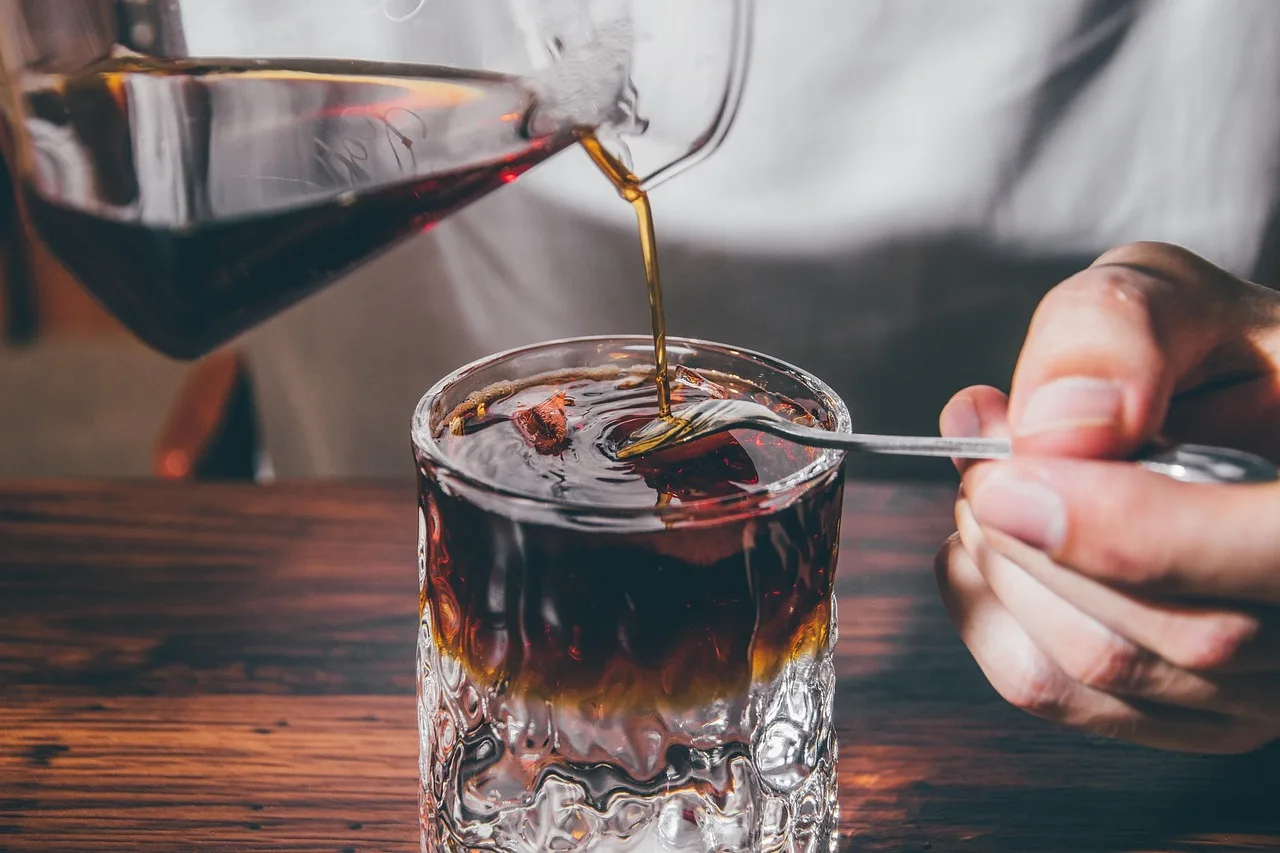
An 8 oz cup of drip coffee is often around 100 mg of caffeine, while 8 oz of cold brew is commonly reported around 100 to 200 mg; compare the size you drink, not the concentrate in the bottle. If you mix up concentrate and finished coffee, your caffeine target can miss by a wide margin. This guide shows the caffeine math for common serving sizes and what that means for a cup, a mug, or a takeout cold brew.
The short version: Cold brew caffeine often wins on a label, but drip coffee can be the safer bet for a smaller, easier-to-track cup. Once you factor in dilution and serving size, the stronger drink is the one that puts more milligrams into the glass you actually pour.
| Decision factor | Cold brew caffeine | drip coffee | Winner |
|---|---|---|---|
| Typical 8 oz caffeine | About 150 mg; many ranking pages put diluted cold brew around 150–240 mg per 8 oz | About 95 mg; common comparison ranges run 95–165 mg per 8 oz | Cold brew caffeine |
| Serving-size control | Can swing a lot because cafes often dilute concentrate before serving | Usually served at finished-drink strength with fewer moving parts | drip coffee |
| Concentrate risk | Undiluted concentrate can be 25 to 67 mg per ounce | No concentrate step in the usual cup-to-cup comparison | drip coffee |
| Large 16 oz example | 16 oz Starbucks Cold Brew: about 205 mg; 16 oz Dunkin’ cold brew: roughly 260 mg | Often lower per 16 oz than those cold brew examples, unless the brew is unusually strong | Cold brew caffeine |
| Ease of caffeine tracking | Requires checking whether the number is for concentrate or the finished drink | Usually easier to compare cup for cup | drip coffee |
What changes the caffeine total
Caffeine is set by the drink you finish, not the liquid sitting in the brewer. Cold brew coffee usually steeps coarse grounds in cold water for 12–24 hours, and cafes often dilute the finished drink before serving. Drip coffee is the standard gravity-brewed baseline, so the comparison only works when both cups are measured at finished-drink strength.
Why serving size matters more than label strength
A 16 oz cup can beat an 8 oz cup even when the smaller drink is stronger by concentration. That is why a café cold brew can look intense on a menu but still land below a large drip coffee if the serving is smaller or heavily diluted. The milligrams in the cup matter more than the name on the menu board.
Say your café order is a 20 oz cold brew with no ice melt counted in the label math. That drink can pass a smaller drip cup even if the concentrate itself was diluted before service, because the larger volume carries more total caffeine.
Coffee caffeine comparison table
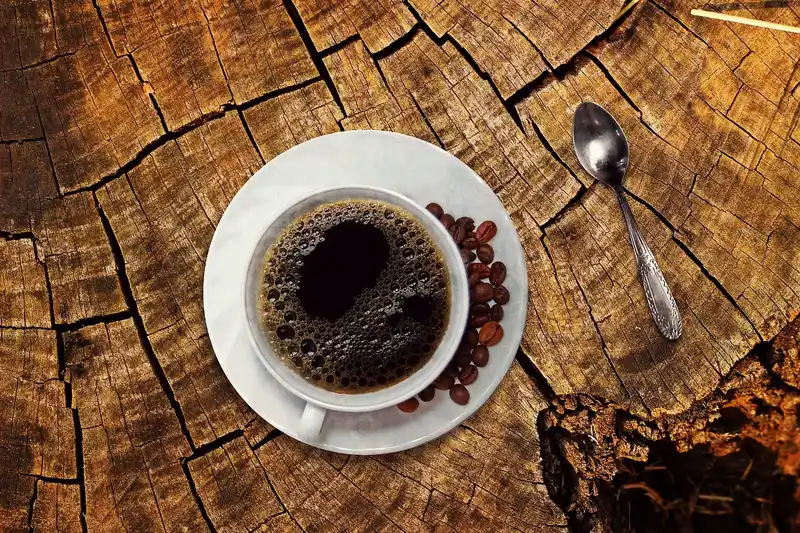
This table keeps the comparison at the drink level and shows where concentrate numbers sit apart from ready-to-drink coffee. The main point is direct: undiluted concentrate is not the same thing as a finished cup. Skip the dilution step, and the comparison turns misleading fast.
| Drink type | Undiluted | 1:1 dilution | 1:2 dilution | 8 oz | 16 oz |
|---|---|---|---|---|---|
| drip coffee | N/A | N/A | N/A | 95 mg | 190 mg |
| Cold brew caffeine, ready-to-drink | N/A | N/A | N/A | 150 mg | 300 mg |
| Cold brew caffeine, concentrate-level | 135–400 mg per 8 oz | 67.5–200 mg per 8 oz | 45–133 mg per 8 oz | 135–400 mg | 270–800 mg |
Note: the concentrate-level row reflects the brewer-side liquid before dilution. The ready-to-drink row reflects the finished cup you pour and drink. The 1:1 and 1:2 figures show how dilution changes the caffeine in the final serving.
Drip coffee
The drip baseline is the easiest anchor because the finished drink is the comparison point. At 8 oz, it sits around 95 mg; at 16 oz, a straight size-up roughly doubles that to 190 mg. The total rises with volume, but there is no hidden concentrate step to correct for.
Cold brew caffeine, ready-to-drink
Ready-to-drink cold brew starts higher in many comparisons, often around 150 mg per 8 oz. That is why an 8 oz pour often beats regular drip coffee on paper. The catch is that some menu numbers describe the concentrate, not the finished drink.
Cold brew caffeine, concentrate-level
That is a huge spread. Once you dilute it, the final number drops fast, which is why the label strength and the poured strength can tell very different stories.
How dilution changes cold brew caffeine
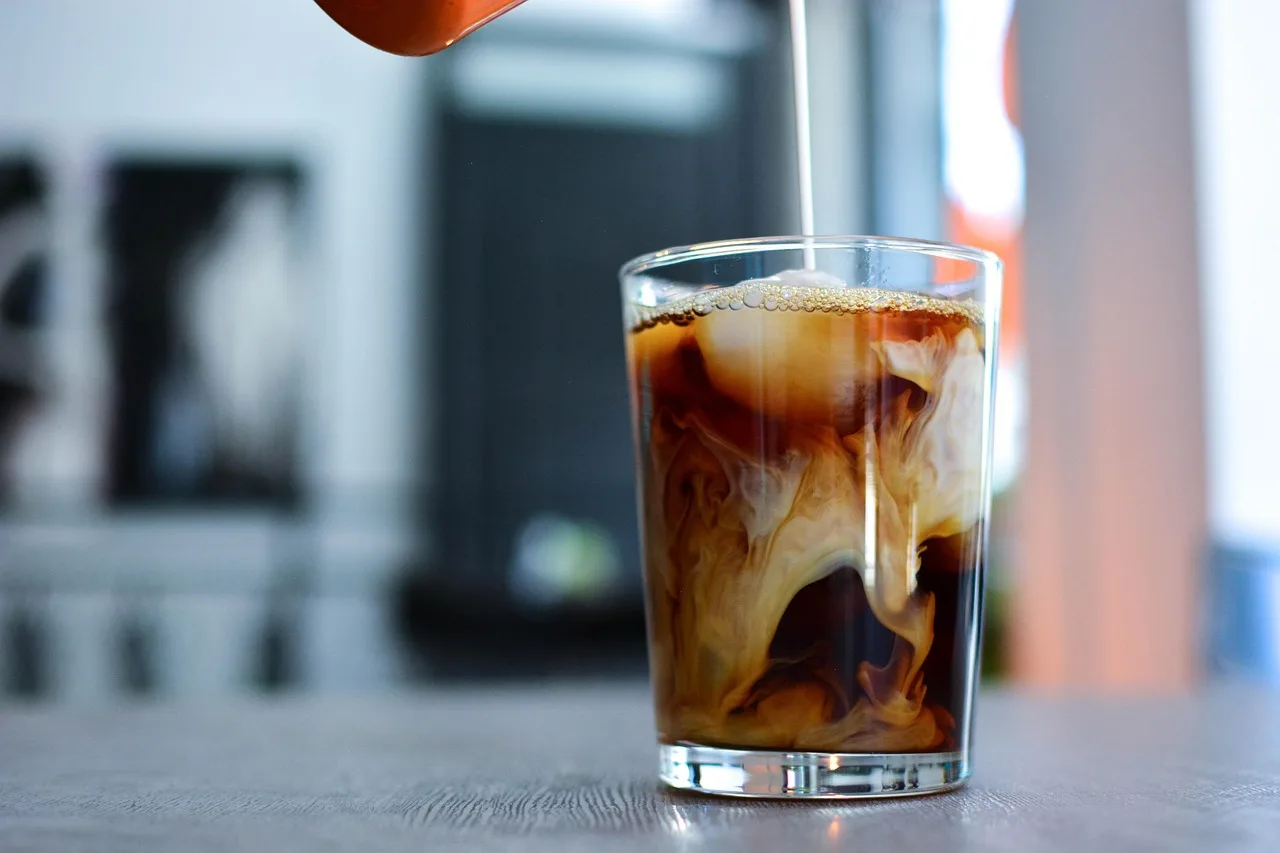
Dilution is the main reason cold brew numbers cause confusion. A 1:1 mix cuts concentrate caffeine roughly in half, while 1:2 brings it down to about a third. That means the same concentrate can produce a very strong cup or a much lighter one, depending on how it is finished.
Undiluted concentrate versus finished drink
Undiluted concentrate should not be compared directly with finished drip coffee. The concentrate-level caffeine number describes what is in the liquid before the water gets added. Once you pour it into a cup and dilute it, the final milligrams per serving can land much closer to regular coffee.
1:1 dilution
A 1:1 mix is the middle ground. It halves the caffeine density, so a concentrate that looks extreme on the bottle becomes far more ordinary in the cup. For many home brewers, this is the first point where the drink stops feeling like concentrate and starts behaving like coffee.
1:2 dilution
A 1:2 mix goes further and brings the caffeine down to about a third of the concentrate level. That is the setting that most often explains why a cold brew can taste strong but still land in a moderate range per serving. If the café dilutes heavily, the final cup can fall below a large drip pour.
A common first-timer mistake is comparing a 12 oz bottle of concentrate to a 12 oz cup of drip coffee without checking dilution. The bottle can read much stronger, but the drink in the cup may be milder once water is added.
How much caffeine is in cold brew?
Ready-to-drink cold brew often sits around 150 mg per 8 oz, and some comparison pages place diluted cold brew in the 150–240 mg range per 8 oz. Concentrate can be much higher, with 135 to 400 mg in an 8 oz glass depending on how strong it was brewed and whether it has been diluted. That spread is why the finished cup matters more than the batch label.
Why café cups can vary so much
Cold brew recipes commonly use a 1:4 to 1:8 coffee-to-water ratio, and the final caffeine level changes with that ratio. Steeping time also matters; cold brew typically steeps for 12–24 hours, and longer contact can increase extraction. Bean variety matters too, because robusta contains more caffeine by weight than arabica.
Picture two 16 oz cold brew orders. One is heavily diluted and made with arabica beans; the other is brewed strong and served closer to concentrate strength with some robusta in the blend. Both are called cold brew, but their caffeine totals can land in very different places.
How much caffeine is in drip coffee?
Standard drip coffee lands around 95 mg per 8 oz cup, and many comparisons place it at 95–165 mg per 8 oz. That makes drip coffee the clean baseline for regular coffee because the finished cup is what you drink, not a concentrate that needs a correction factor. A larger mug can still push the total up quickly.
Why drip can beat cold brew in a smaller cup
Cold brew usually starts higher by volume, but not always by serving. If the cold brew is diluted and the drip cup is a full 12 or 16 oz pour, drip can match or beat it in total caffeine. Serving size often decides the winner more than brew method.
What controls the caffeine level?
The big drivers are coffee-to-water ratio, steeping time, bean variety, and final serving size. A stronger brew ratio raises caffeine density. Longer steeping can change extraction. Robusta adds more caffeine by weight than arabica. Larger cups raise the total no matter which method you choose.
Coffee-to-water ratio
Cold brew concentrate commonly uses a stronger ratio than drip coffee, which is one reason it can start out higher in caffeine. More coffee relative to water usually means more caffeine in the finished liquid. That extra density only matters if the drink is not diluted away before serving.
Steeping time
Cold brew typically steeps for 12–24 hours. That long steep can change both flavor and caffeine extraction, though it does not guarantee a fixed number. Time is part of the recipe, not a promise of one caffeine total.
Bean variety
Arabica and robusta do not behave the same way. Robusta generally contains more caffeine by weight, so a cold brew made with robusta can land stronger than one made with arabica at the same ratio and serving size. That is another reason menu labels can be misleading if they leave out the bean blend.
Choose Cold brew caffeine if… / Choose drip coffee if…
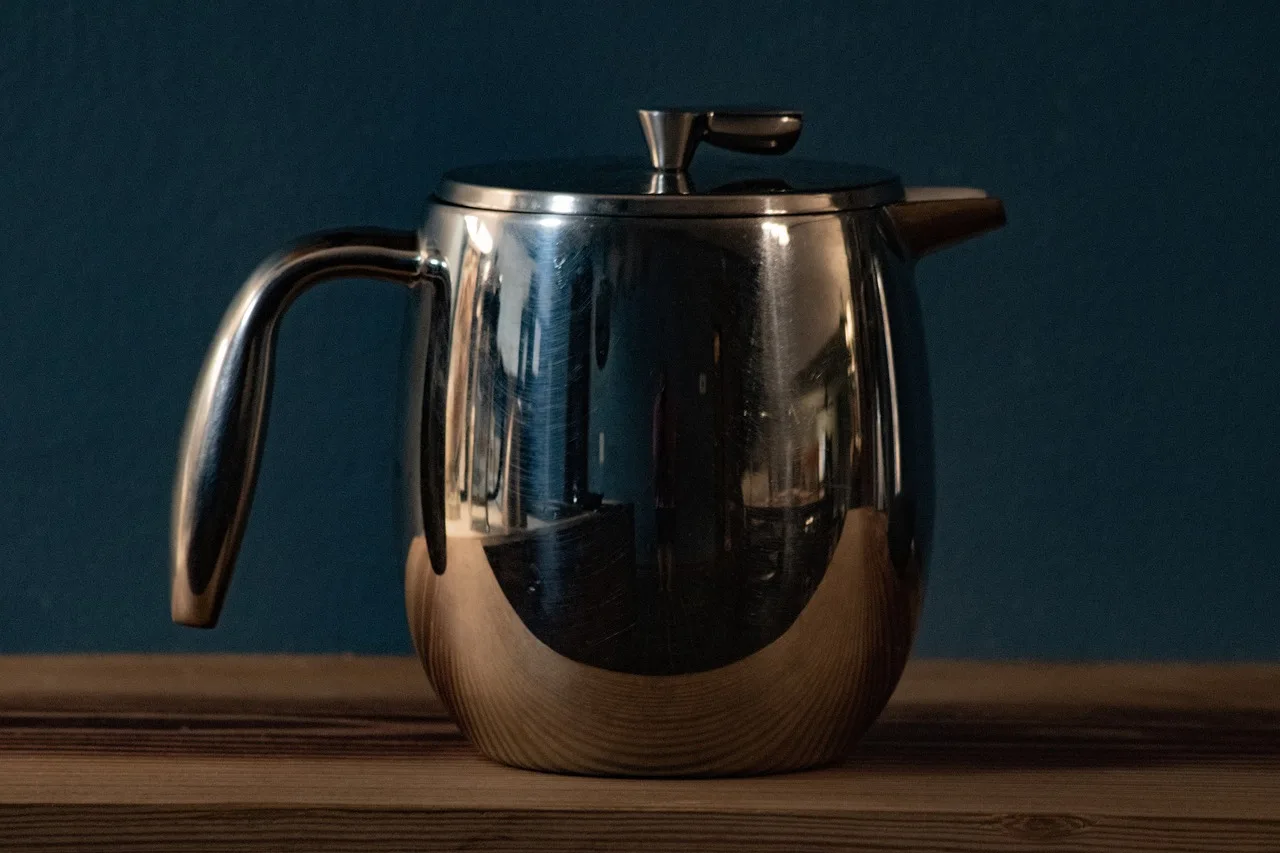
Choose Cold brew caffeine if you want a larger drink, if you are buying a café order that is often diluted before service, or if you want a cup that can climb well above standard drip when the ratio is strong. Choose drip coffee if you want a simpler baseline, a smaller mug with easier caffeine tracking, or a cup that is less likely to hide a concentrate step.
- Choose Cold brew caffeine when you want 16 oz or larger and you are okay checking whether the menu number is for concentrate or the finished drink.
- Choose Cold brew caffeine when you want a stronger option by volume and the café lists a high milligram total for the finished serving.
- Choose drip coffee when you want the standard comparison point and do not want to do dilution math.
- Choose drip coffee when you need a predictable baseline and a smaller cup around 8 oz.

Frequently asked questions
How much caffeine is in cold brew vs drip coffee?
A typical 8 oz cup of cold brew often lands around 150 mg, while standard drip coffee is about 95 mg per 8 oz. The key is to compare finished drinks, not concentrate. Once size and dilution enter the picture, the gap can widen or shrink fast.
Does cold brew or hot coffee have more caffeine?
Cold brew often has more caffeine per ounce, but hot drip coffee can match or beat it in a larger serving. A small cup of cold brew may outpace an 8 oz drip cup, while a 16 oz drip mug can close the gap. Serving size decides the total.
Cold brew caffeine content vs drip coffee — which is stronger?
Cold brew is usually stronger by concentration, especially when it is brewed as a concentrate. Drip coffee is usually stronger only when you compare a larger finished cup against a diluted cold brew. The stronger drink is the one with more milligrams in the serving you pour.
How much caffeine in cold brew vs coffee?
If “coffee” means regular drip coffee, the common baseline is about 95 mg per 8 oz. Cold brew often starts around 150 mg per 8 oz, but the number can fall sharply after dilution. That is why the exact serving method matters more than the label alone.
How much caffeine is in a 16 oz cold brew compared to drip coffee?
A 16 oz Starbucks Cold Brew contains about 205 mg, and a 16 oz Dunkin’ cold brew hits roughly 260 mg. A straight 16 oz drip coffee would usually be about 190 mg if the 8 oz baseline is doubled. In larger cups, cold brew often pulls ahead.
Does dilution change cold brew caffeine?
Yes. A 1:1 dilution cuts concentrate caffeine roughly in half, and a 1:2 dilution brings it down to about a third. That is why concentrate numbers should never be compared directly with finished drip coffee. The final cup is what counts.
Products related to this article
Sponsored / affiliate links. As an Amazon Associate I earn from qualifying purchases. I may earn additional commission from eligible campaigns.
 HomeBeyond Espresso Coffee Maker 12 Cups, Classic Stovetop Espresso Maker, 600ml / 20oz Coffeemaker for Gas & Ceramic Stovetops (Silver)
 Stainless Steel Moka Pot Pressed Powder Tool for 2 4 6 9 Cup Espresso Coffee Brewer(6 Cups)
 Stainless Steel Moka Pot Coffee Filter Disc for Espresso Brewing, Coffee Maker Replacement Filter Plate for Home Office Coffee Bar Cafe (FOR 4 Cups)