You just finished your morning cup and noticed the brew is running slower than usual. A quick search tells you that cleaning tablets solve this for espresso machines. You look at your Keurig or Nespresso, and wonder if the same tablet will work. It’s a fair question, but the answer is more complicated than a simple yes or no.
This guide explains the chemical differences between espresso cleaners and pod machine descalers, what happens inside your brewer when you use the wrong one, and how to recover if you’ve already made the mistake. You’ll leave knowing exactly which products are safe, which ones to avoid, and how to clean your pod machine without voiding the warranty.

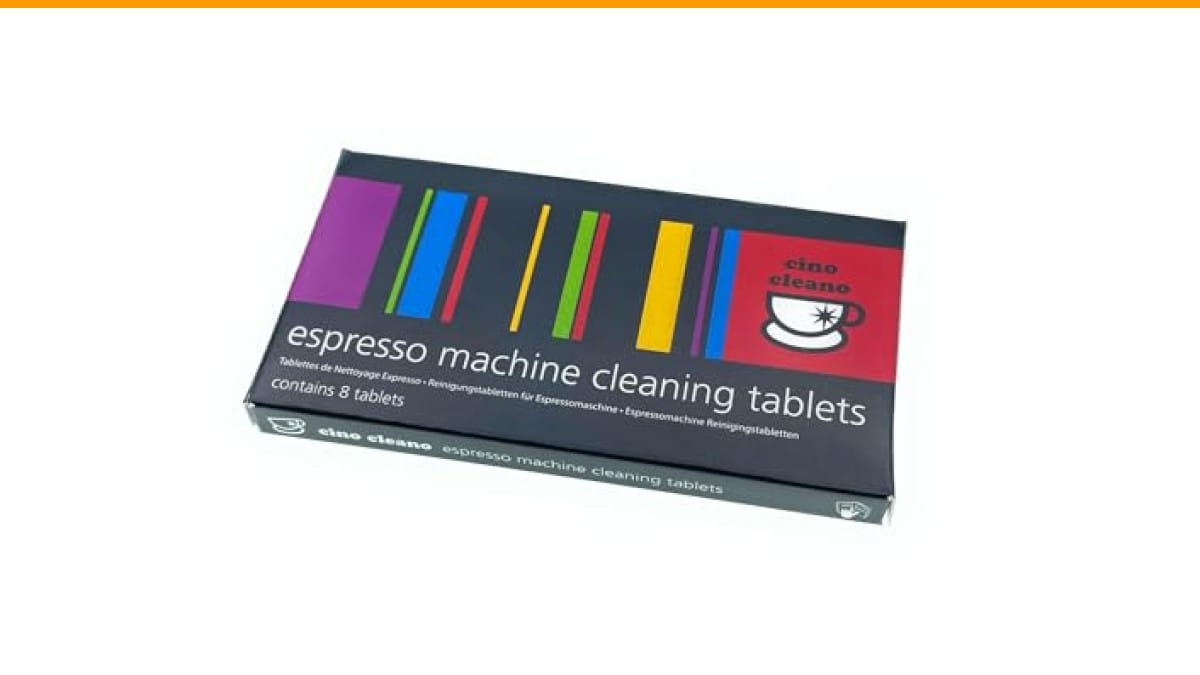
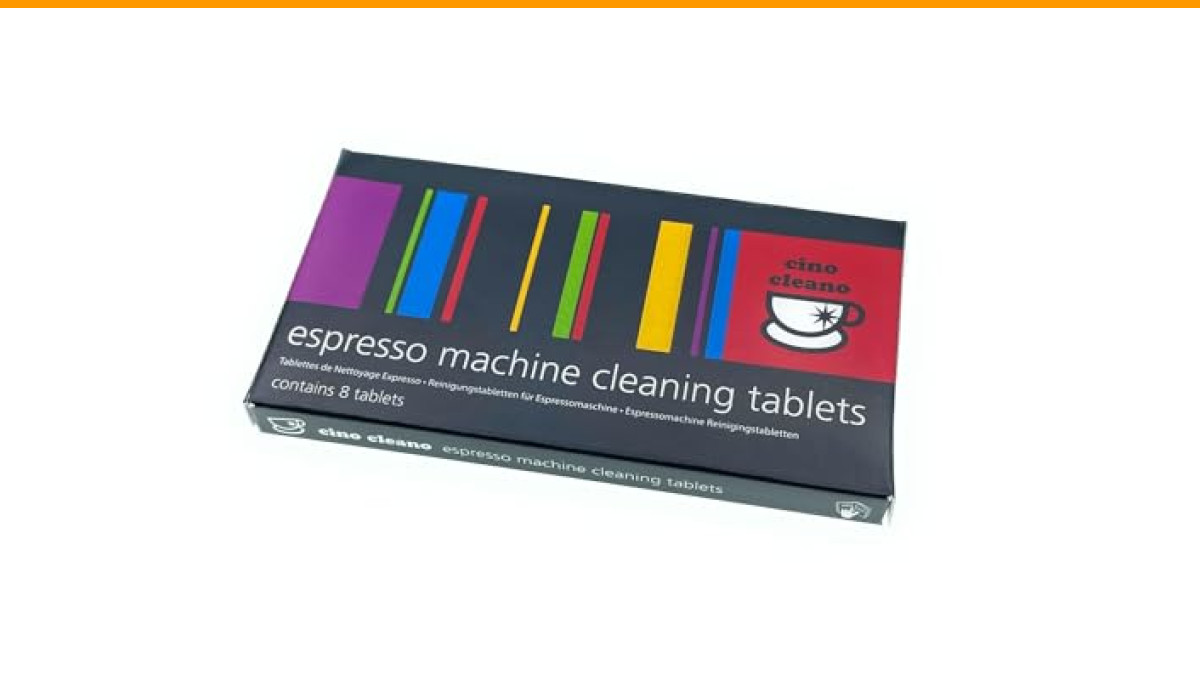
Cino Cleano
Cino Cleano Espresso Machine Cleaning Tablets (8…
- Listing is for 1 Packet which contains 8 tablets Suitable for use with all Breville Espresso machines
- Precision dissolution time to provide optimal cleaning performance
- All pharmaceutical and food grade ingredients
As an Amazon Associate I earn from qualifying purchases.
If you own a traditional espresso machine with a portafilter, automatic vs semi-automatic cleaning routines differ, but for pod machines the rules are stricter.
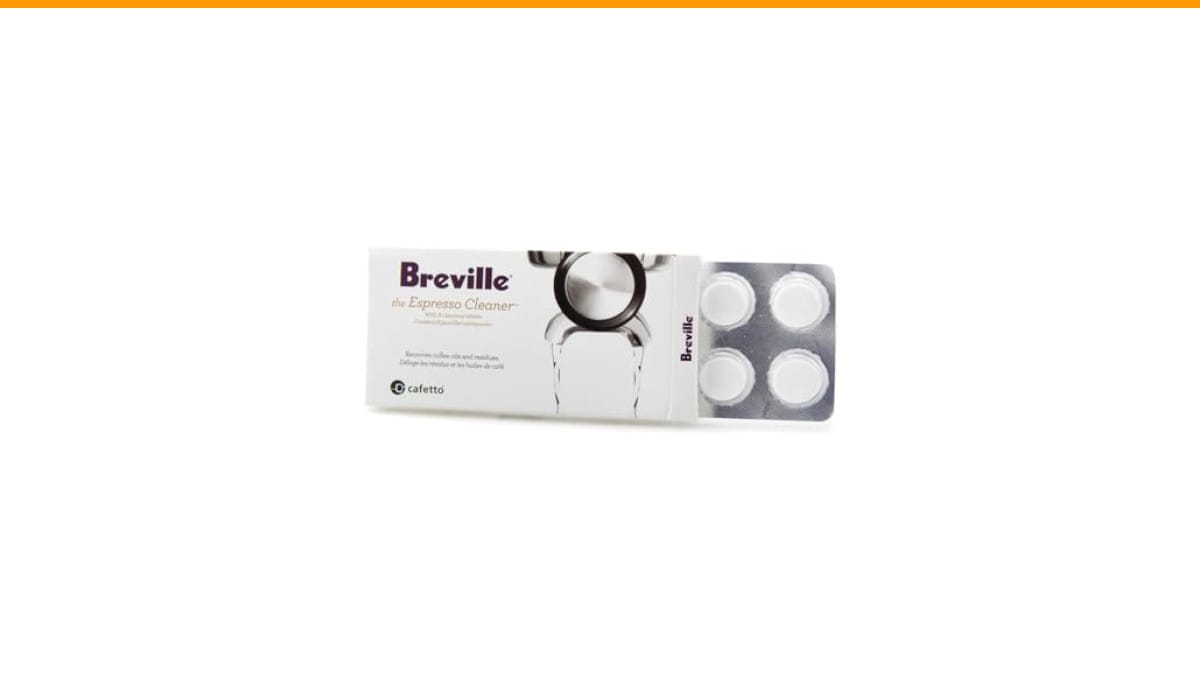
For espresso machines, a product like Cino Cleano Espresso Machine Cleaning Tablets works well in the group head. These tablets are formulated for backflushing and breaking down coffee oils in metal components. They are not designed for the plastic water paths inside a pod brewer.
Quick Answer: Yes, But You Probably Shouldn’t
Technically, a tablet will dissolve in water and run through your pod machine. The machine won’t explode, and the cycle will complete. But that doesn’t mean it’s safe or effective.
Espresso cleaning tablets are alkaline. Pod machine descalers are acidic. These two chemical families do completely different jobs. Using an alkaline tablet in a machine designed for acidic descaling risks damaging internal seals and plastic tubing.
The short version: it might work once without visible damage, but repeated use will shorten the life of your brewer. There are better options that cost the same or less.
Why Espresso Tablets Are Formulated Differently
Espresso machines and pod brewers collect different kinds of residue. Espresso machines accumulate coffee oils and fine grounds in the group head and portafilter. Pod machines mostly deal with mineral buildup from water heating and occasional coffee residue in the needle or brew head.
The Chemical Difference: Alkaline vs. Acidic Cleaners
Espresso tablets use alkaline ingredients to break down oils. Coffee oils are acidic, so an alkaline cleaner saponifies them, turning them into soap-like compounds that rinse away. This works great on metal parts that can handle a high pH.
Pod machine descalers use acids like citric or lactic acid. These dissolve limescale and calcium deposits that form when water is heated rapidly. The heating element inside a pod brewer is especially prone to scale buildup.
Run an alkaline tablet through a scaled machine and you’ll remove some coffee residue, but the mineral scale stays put. You’ll feel like you cleaned the machine, but the actual problem remains.
The Real Risks to Your Pod Machine’s Internals
Pod machines are built with food-grade plastics and rubber seals because they’re cheap to manufacture and safe for water contact. Those materials have a pH tolerance range. Most are rated for neutral to mildly acidic conditions.
Alkaline solutions attack these materials over time. The seals can swell, the plastic tubing can become brittle, and the heating element can develop hot spots because scale is still insulating it.
Plastic Lines, Rubber Seals, and the Heating Element
The water reservoir feeds into a pump, then through a small heating block, then out through the needle that pierces the pod. Every one of those components, except the needle, is plastic or rubber.
When you run an espresso tablet through that path, the alkaline water sits in the lines for the duration of the cycle. That’s enough contact time to start degrading the seals. You won’t see it immediately, but after a few cycles the rubber can swell and block water flow.
The heating element is another issue. A tablet won’t remove scale, so the element keeps working harder to heat water. That extra stress shortens its lifespan and can cause inconsistent brew temperatures.
If your machine is already making unusual noises during operation, this kind of damage can make it worse.
The Only Safe Way to Use a Tablet (Emergency Protocol)
Suppose you’re traveling, your pod machine is badly clogged, and the only cleaner available is an espresso tablet. You can do this once, carefully, with the understanding that it’s not ideal.
The Half-Tablet Rule and the Double Rinse
- Break a tablet in half. Use only half.
- Dissolve the half-tablet in a full reservoir of water (about 40 ounces). This dilutes the alkaline concentration significantly.
- Run a cleaning cycle with no pod in the machine. Use the largest cup setting.
- Discard the water and refill the reservoir completely.
- Run two full rinse cycles with fresh water. Do not brew coffee between these rinses.
- Check the water you discard for any oily film. If you see one, run a third rinse.
This protocol reduces the risk of seal damage. It does not eliminate it. The half-tablet will still be alkaline, just less concentrated.
After this emergency clean, switch back to a proper pod machine descaler for your next maintenance cycle.
The Right Way to Clean a Pod Machine
Pod machines need descaling, not backflushing. You don’t have a portafilter or a group head, so the cleaning method is different.
Liquid Descaler vs. Pod-Specific Tablets vs. Vinegar
You have three main options, and they are not equal.
| Method | What It Removes | Cost Per Cycle | Safety for Pod Machines | Effort |
|---|---|---|---|---|
| Liquid Descaler (citric or lactic acid) | Mineral scale, limescale | ~$1–$2 | High, if approved by manufacturer | Low, just add to reservoir |
| Pod-Specific Cleaning Tablets | Scale and light coffee residue | ~$1–$3 | High, designed for the brew head | Moderate, tablet goes in the pod holder |
| White Vinegar | Mineral scale | ~$0.10–$0.30 | Medium, can leave a taste if not rinsed well | High, needs multiple rinses |
| Espresso Cleaning Tablets | Coffee oils only | ~$0.50–$1 | Low, alkaline formula risks seals | High, dangerous |
Liquid descaler is the most reliable choice for most pod machines. It flows through the entire water path and dissolves scale wherever it forms. Pod-specific tablets work well for the needle area but don’t descale the heating element.
Vinegar is cheap and effective, but it leaves a residual smell and taste. You need to run three or four full reservoirs of fresh water afterward to flush it out. That’s a lot of water, but it’s the most budget-friendly option.
For espresso machines, the best automatic espresso machines under 1000 often include cleaning cycles that use tablets, but pod brewers don’t have that feature.
How to Tell If You’ve Already Damaged Your Machine
If you already ran an espresso tablet through your pod machine, watch for these signs over the next few weeks.
- Bitter or off-tasting coffee: Alkaline residue can linger in the lines and alter the flavor of your brew.
- Slower brew time: Swollen rubber seals restrict water flow. If your cup takes noticeably longer to fill, the seals may be degrading.
- Leaking water: Check around the pod holder and drip tray. Any new moisture is a warning sign.
- White or chalky residue: If the alkaline solution disturbed scale but didn’t dissolve it, you might see flakes in your cup.
If you notice any of these, stop using the machine immediately. Run several fresh water cycles to flush the system, then contact the manufacturer. If the machine is still under warranty, be honest about what happened.
Warranty Warning: Read This Before Cleaning
Keurig and Nespresso both state that using non-approved cleaning products can void your warranty. The exact language is in your user manual, usually under the maintenance section.
Manufacturers can tell if you’ve used the wrong cleaner. The residue leaves a chemical signature, and swollen seals are a physical indicator. If they deny a claim because you used an espresso tablet, there’s not much you can do.
Stick to the cleaner your manufacturer recommends. For Keurig, that’s their branded descaling solution. For Nespresso, it’s their descaling kit. These are priced reasonably, and they’re designed for the specific materials in your machine.
Frequently Asked Questions
Can I use one espresso tablet in a Keurig to clean it?
You can, but it’s not recommended. The alkaline formula won’t remove scale, and it risks damaging the rubber seals. Use a Keurig-approved liquid descaler instead.
Will espresso tablets descale a Nespresso machine?
No. Espresso tablets remove coffee oils, not mineral scale. Nespresso machines need an acidic descaler to handle limescale buildup. Using a tablet will leave the scale intact.
How often should I descale a pod coffee maker?
Most manufacturers recommend every 3 to 6 months, depending on water hardness. If you use filtered water, you can stretch the interval. If your water is hard, descale more frequently.
What happens if I accidentally ran a full tablet through my pod machine?
Run at least three full reservoirs of fresh water through the machine immediately. This dilutes and flushes the alkaline residue. Monitor the machine for slow flow or leaks over the next few weeks.
Is vinegar as good as a commercial descaler?
Vinegar removes scale effectively, but it’s slower and leaves a strong smell. Commercial descalers are formulated to work faster and rinse cleaner. For a quick fix, vinegar works. For regular maintenance, use a proper descaler.
The Bottom Line
Espresso cleaning tablets and pod machine descalers are not interchangeable. They target different problems with different chemistry.
- Espresso tablets are alkaline and remove coffee oils. Pod machines need acidic descalers for mineral scale.
- Using the wrong tablet risks swollen seals, brittle plastic, and a voided warranty.
- If you must use a tablet in an emergency, use half a tablet and run two to three rinse cycles afterward.
- Check your user manual for the manufacturer’s recommended cleaning product.
- Watch for bitter taste, slow flow, or leaks after using the wrong cleaner.
- Liquid descaler is the safest and most effective option for pod coffee makers.
- When in doubt, buy the branded cleaner from your machine’s manufacturer.
Your pod machine will last longer, and your coffee will taste better, if you clean it with the right tools.
Products related to this article
Sponsored / affiliate links. As an Amazon Associate I earn from qualifying purchases. I may earn additional commission from eligible campaigns.
 Coffee Espresso Machine Handle Replacement Parts, Cafe Bracket Handle for Lidl Silvercrest CM4621 CM4218 KF5002 KF500S Barista (for 51mm Portafilter Basket - Not included)
 Linnkyfloa Coffee Espresso Maker Handle Replacement for Stovetop Moka Pot or Percolator, Black Plastic for Spare Part Compatible with Italian(9-12 Cup)
 HomeBeyond Espresso Coffee Maker 12 Cups, Classic Stovetop Espresso Maker, 600ml / 20oz Coffeemaker for Gas & Ceramic Stovetops (Silver)