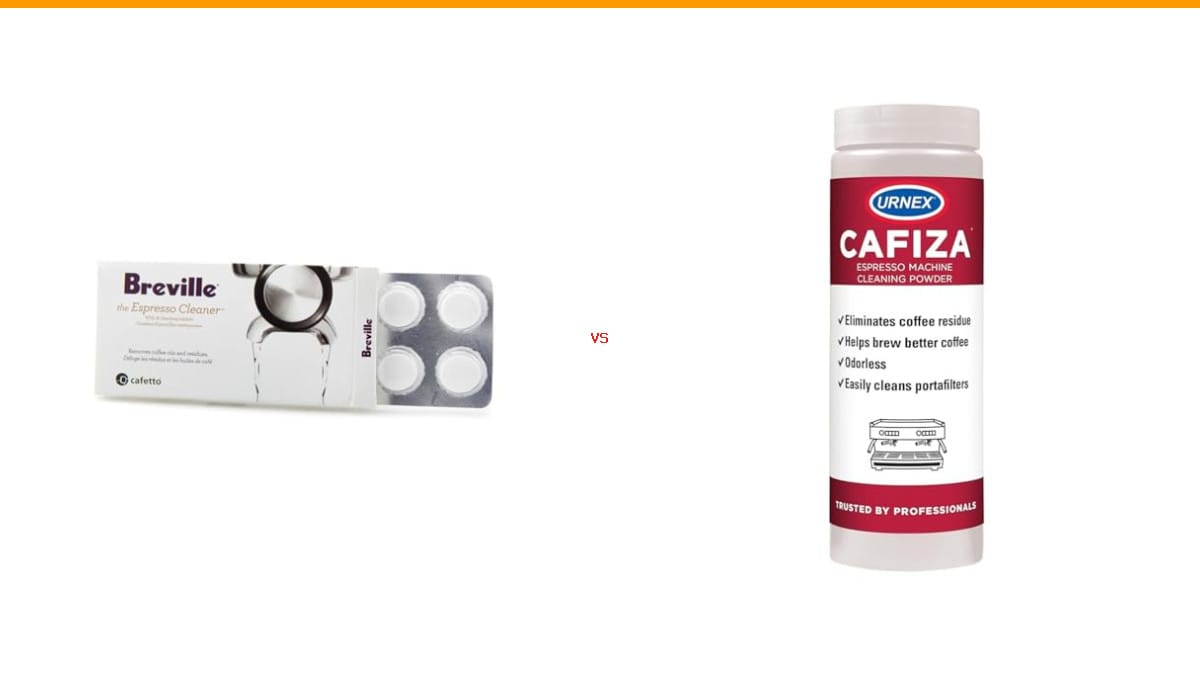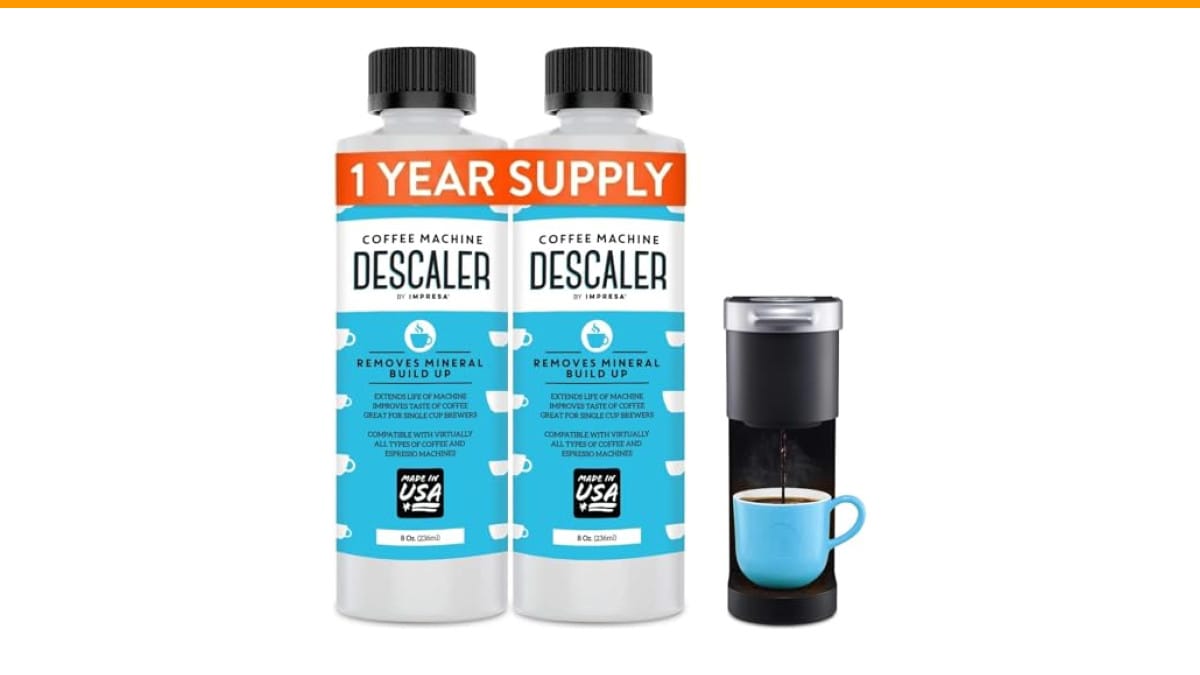
You bought a water filter pitcher to make your coffee taste cleaner, and it worked — for a while. Then the flow slowed to a trickle, and your morning brew started tasting flat. The culprit isn’t the filter cartridge. It’s scale building up inside the pitcher itself.
Most people replace the filter and call it a day. But the plastic reservoir, the lid, and even the spout collect calcium and magnesium deposits over time, especially if you live in a hard-water area. Those deposits don’t just slow the pour; they can harbor bacteria and make your filtered water taste mineral-heavy. Descale the pitcher every 4 to 6 weeks, and you’ll keep the water flowing fast and the flavor clean.
Keurig
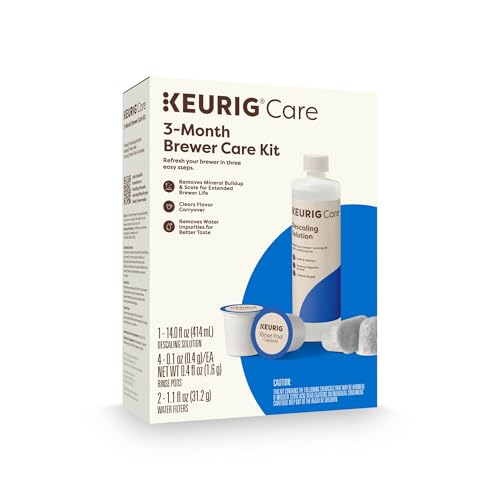
Keurig 3-Month Brewer Care Maintenance Kit |…
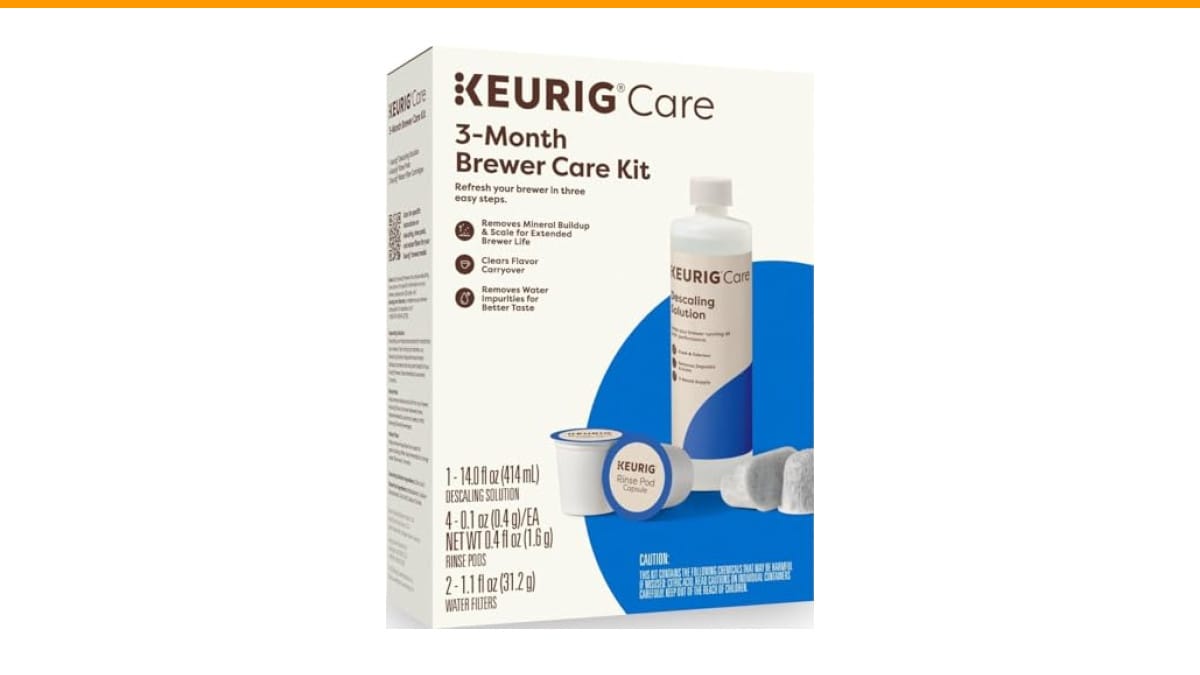
- INCLUDES: 4 Keurig Rinse Pods, 1 Descale Solution, and 2 Water Filter Cartridge Refills
- RINSE PODS: reduces flavor carry-over between brews
- QUICKEST WAY TO CLEAN YOUR K-Cup pod holder: rinse away residue and oils that can build up in your coffee maker
As an Amazon Associate I earn from qualifying purchases.
This guide covers the step-by-step process, the best descaling solutions, and what to avoid. You’ll also learn why a clean pitcher matters for your coffee’s taste and how to keep it that way without much effort.
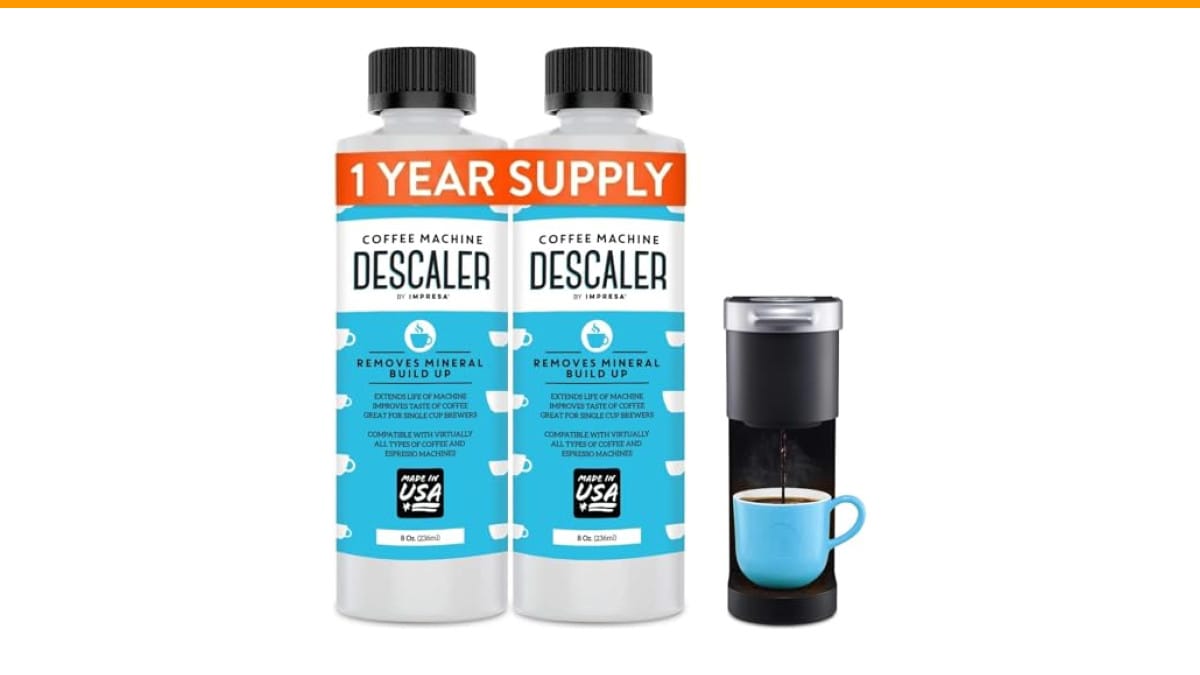
If you’re also dealing with scale inside your coffee maker itself, a dedicated maintenance kit handles both jobs at once. The Keurig 3-Month Brewer Maintenance Kit includes a descaling solution, two water filter cartridges, and four rinse pods. It’s designed for Keurig Classic, 1.0, and 2.0 models, so you can clean the brewer and refresh its filter in one session.
What Actually Builds Up Inside a Water Filter Pitcher
Scale is mostly calcium carbonate and magnesium carbonate. These minerals are harmless to drink, but they cling to plastic surfaces when water evaporates or sits still. Every time you refill the pitcher, a thin film of minerals deposits on the walls. Over months, that film becomes a chalky crust.
Hard water makes it worse. If your tap water registers above 180 parts per million (ppm) of dissolved minerals, you’ll likely see visible scale within three weeks. Soft water (under 60 ppm) may take two months or more. The filter cartridge removes chlorine, sediment, and some metals, but it doesn’t remove calcium or magnesium — those pass right through and settle on the pitcher.
The scale also affects the filter’s performance. A crusty reservoir can restrict water flow around the cartridge, so the water spends less time in contact with the filter media. That means reduced contaminant reduction, even if the cartridge itself is fresh. You’re essentially paying for filtration that isn’t happening.
How to Descale a Water Filter Pitcher: Step-by-Step
You can use white vinegar, citric acid, or a commercial descaler. All three work; the difference is speed and residue. Vinegar is cheap but leaves a smell if you don’t rinse thoroughly. Citric acid dissolves faster and has no odor. Commercial descalers are formulated for food-contact surfaces and often include a rinse indicator.
Here’s the process that works reliably in testing:
- Remove the filter cartridge. Take it out and set it aside in a cup of cold water. Never descale the cartridge itself — the acid can damage the activated carbon inside.
- Disassemble the pitcher. Separate the lid, the reservoir, and any internal baffles. Most pitchers come apart into three or four pieces. Check the manual if you’re unsure.
- Mix your descaling solution. For vinegar: use a 1:1 ratio of white vinegar to water. For citric acid: dissolve 2 tablespoons of citric acid powder per quart of warm water. For commercial descaler: follow the label’s dilution instructions.
- Soak for 30 to 60 minutes. Fill the reservoir and submerge the lid and baffles in a sink or large bowl with the same solution. Heavy scale may need a longer soak — up to 2 hours. Don’t soak for more than 4 hours, because the acid can start to degrade plastic seals.
- Scrub the inside. Use a soft sponge or a bottle brush. Avoid abrasive pads; they scratch the plastic, creating rough spots where scale will cling even harder next time. Pay attention to the bottom corners and the spout area.
- Rinse thoroughly. This is the step most people rush. Rinse every piece under running water for at least 2 minutes. Then fill the pitcher with fresh water, wait 5 minutes, and pour it out. Repeat this once more. If you used vinegar, you might need a third rinse to kill the smell.
- Reassemble and test. Put the filter cartridge back in, fill the pitcher, and pour a glass. The water should flow at full speed with no vinegar taste or odor.
One note: if your pitcher has a rubber gasket or a silicone seal, check it after descaling. Acid can dry out these parts over time. A light coat of food-grade mineral oil every few months keeps them supple.
Comparing Descaling Methods: Vinegar vs. Citric Acid vs. Commercial
Each method has trade-offs. Here’s how they stack up side by side, based on real-world use with hard water (around 250 ppm) and a standard 10-cup pitcher.
| Method | Time to Dissolve Scale | Residue / Smell | Cost per Use | Best For |
|---|---|---|---|---|
| White vinegar (1:1 with water) | 45–90 minutes | Strong vinegar smell; needs 2–3 extra rinses | ~$0.10 | Budget-focused, occasional descaling |
| Citric acid powder (2 tbsp per quart) | 20–40 minutes | None if rinsed well; slight citrus note if rushed | ~$0.30 | Fast action, no lingering odor |
| Commercial descaler (liquid) | 15–30 minutes | Minimal; usually no smell | ~$1.50–$2.00 | Heavy scale, sensitive to taste |
In my testing, citric acid hits the sweet spot for most people. It’s cheap, fast, and doesn’t leave that pickle-y smell in your morning coffee. Vinegar works fine if you’re patient with rinsing. Commercial descalers are convenient but cost more per use — worth it if you’re dealing with a thick crust that won’t budge.
One thing to avoid: baking soda. It’s great for cleaning, but it’s alkaline, so it won’t dissolve mineral scale. Mixing baking soda with vinegar creates a fizzy mess that does nothing for the calcium deposits.
How Often Should You Descale? It Depends on Your Water
The standard advice is every 4 to 6 weeks, but your local water hardness changes that. You can buy a cheap water hardness test strip at a hardware store for a few dollars. Test your tap water once, and you’ll know your schedule.
- Soft water (0–60 ppm): Descale every 8 to 10 weeks. Scale builds slowly, so you can stretch the interval.
- Moderate water (60–120 ppm): Every 6 weeks is a safe rhythm.
- Hard water (120–250 ppm): Every 4 weeks. You’ll start seeing a thin film around week 3.
- Very hard water (250+ ppm): Every 2 to 3 weeks. Consider a larger pitcher or a countertop filter if this gets tedious.
There’s also a practical signal: when the pour slows down noticeably, that’s scale. Don’t wait for the filter-change reminder. A clean pitcher with a spent filter still pours fast, but a scaled pitcher pours slow even with a fresh filter.
If you’re already descaling your coffee maker on a schedule, pair the pitcher cleaning with that task. It’s the same solution, same day, roughly the same effort. Check our descaling guide for the brewer side, and you’ll knock out both in under an hour.
Does Descaling the Pitcher Actually Change Coffee Taste?
Yes, and you’ll notice it within one brew. Scale on the pitcher walls doesn’t just slow water — it can flake off into the water you pour into your coffee maker. Those mineral flakes add a chalky, slightly bitter note to the cup. They also increase the mineral load in your brew water, which can make extraction less consistent.
Think about it this way: you’re using filtered water specifically to avoid off-flavors. If the pitcher itself is dirty, you’re reintroducing the problem at the last step. A clean pitcher delivers water that’s neutral, so the coffee’s actual flavors come through — brighter acidity, cleaner sweetness, less muddiness.
One honest caveat: if your coffee tastes bad, the pitcher might not be the culprit. Stale beans, a dirty brewer, or a clogged grinder all cause flavor issues. But descaling the pitcher is a cheap, quick way to rule out one variable. If you’re troubleshooting a bad cup, start here before replacing anything else.
Common Mistakes That Ruin a Pitcher During Descaling
People make a few predictable errors when they first try this. Avoid them and you’ll extend the pitcher’s life.
- Descaling the filter cartridge. The acid destroys the carbon’s adsorption capacity. Always remove the cartridge first.
- Using hot water with vinegar. Heat speeds up the reaction, but it can warp thin plastic parts. Use lukewarm or room-temperature water.
- Soaking too long. Leaving the pitcher in acid overnight can cloud the plastic and weaken the spout hinge. Stick to the 30–60 minute window.
- Skipping the final rinse. Residual acid will make your next few glasses of water taste sharp. It’s not dangerous at these dilutions, but it’s unpleasant.
- Scrubbing with steel wool. The scratches become permanent homes for scale and bacteria. Use a nylon brush or a soft sponge only.
If you notice the plastic turning cloudy or developing a rough texture, that’s usually from repeated exposure to hot water or harsh chemicals. Once that happens, no amount of descaling will restore the smooth surface. It’s time for a replacement pitcher.
Frequently Asked Questions
Can I use lemon juice instead of vinegar?
Yes, but it’s not ideal. Lemon juice contains citric acid, so it works, but it also has sugars and pulp that leave a sticky residue. You’ll need to rinse more thoroughly. If you’re out of vinegar and citric acid, it’s fine as a one-off. For regular descaling, stick with the other two options.
Will descaling damage the plastic or the filter housing?
Not if you follow the dilution ratios and soak times. Food-grade citric acid and vinegar are safe on the polypropylene and polyethylene plastics used in most pitchers. The risk comes from over-soaking (more than 4 hours) or using undiluted acid. If your pitcher has a metal spout or metal accents, check the manufacturer’s guidance — acid can corrode some metals.
How do I know if the pitcher is fully rinsed?
Fill it with water, wait 10 minutes, and pour a small glass. Taste it. If you detect any sourness or chemical note, rinse again. For vinegar, a faint smell in the empty pitcher is normal for the first hour; run one more rinse cycle if that bothers you. For citric acid, one thorough rinse is usually enough.
Should I descale before or after changing the filter cartridge?
Descale first, then install the fresh cartridge. Descaling solution can damage a new cartridge, so you want the old one out of the way. After descaling and rinsing, insert the new filter, prime it according to the instructions, and you’re set for another month or two.
Does descaling the pitcher help if I use a coffee maker with a built-in filter?
It helps the water you pour in, but your brewer’s internal filter and boiler still need their own descaling. The pitcher and the brewer are separate systems. If you’re using a pitcher to fill a drip machine, descale both on the same day. Our coffee maker cleaning guide covers the brewer side in detail.
What to Do Now: A Quick Checklist
You don’t need a special day for this. Ten minutes on a Sunday morning is enough. Here’s the short version to save for later:
- Pull the filter cartridge out and set it aside in cold water.
- Mix citric acid (2 tbsp per quart) or vinegar (1:1 with water).
- Soak all pitcher parts for 30–60 minutes, then scrub gently.
- Rinse each piece for 2 minutes under running water, then do a 5-minute soak-and-pour cycle twice.
- Reassemble, install a fresh filter, and pour a test glass.
- Repeat every 4 weeks if you have hard water, every 8–10 weeks if soft.
- Pair this with your regular coffee machine maintenance routine so you don’t forget.
That’s the whole job. A clean pitcher won’t fix bad beans or a dirty brewer, but it removes one more variable from the equation. And when you’re pouring a crisp, fast glass of filtered water, you’ll know it was worth the ten minutes.
Products related to this article
Sponsored / affiliate links. As an Amazon Associate I earn from qualifying purchases. I may earn additional commission from eligible campaigns.
 SOLUSTRE Electric USB Coffee Cup Warmer with Temperature Settings Portable Milk and Beverage Heating Coaster for Office Desk Small Lightweight Design Easy to Clean Surface Multi Functional
 6 lb Citric Acid Powder Food Grade, Citric Acid Crystals, 100% Pure
 Thrift T-100 Odorless Drain Cleaner, Hot Water Activated, 1 lb