You wake up, grab the pitcher, fill your kettle, and pour. The coffee tastes flat. Or worse, it has a faint plastic note you can’t place. You blame the beans, but the real problem sits in the pitcher you haven’t actually cleaned in weeks. A quick rinse under the tap doesn’t cut it. The reservoir walls develop a thin biofilm, the spout harbors bacteria, and the filter cartridge gets clogged with minerals you keep pouring through it.
Here’s what you’ll walk away knowing: exactly how often to clean a water filter pitcher for coffee based on your personal usage, not some generic calendar reminder. You’ll also get the step-by-step for the parts most people miss (the spout and the internal vent hole), plus the descaling method that doesn’t leave a vinegar taste in your next brew.
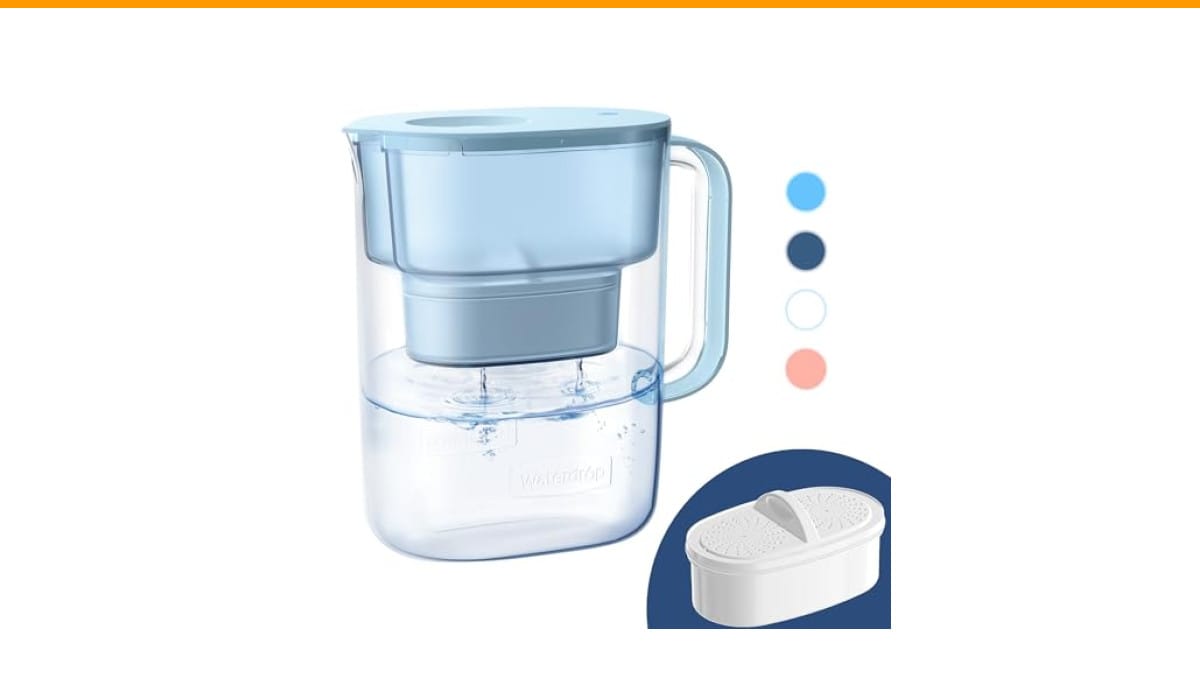
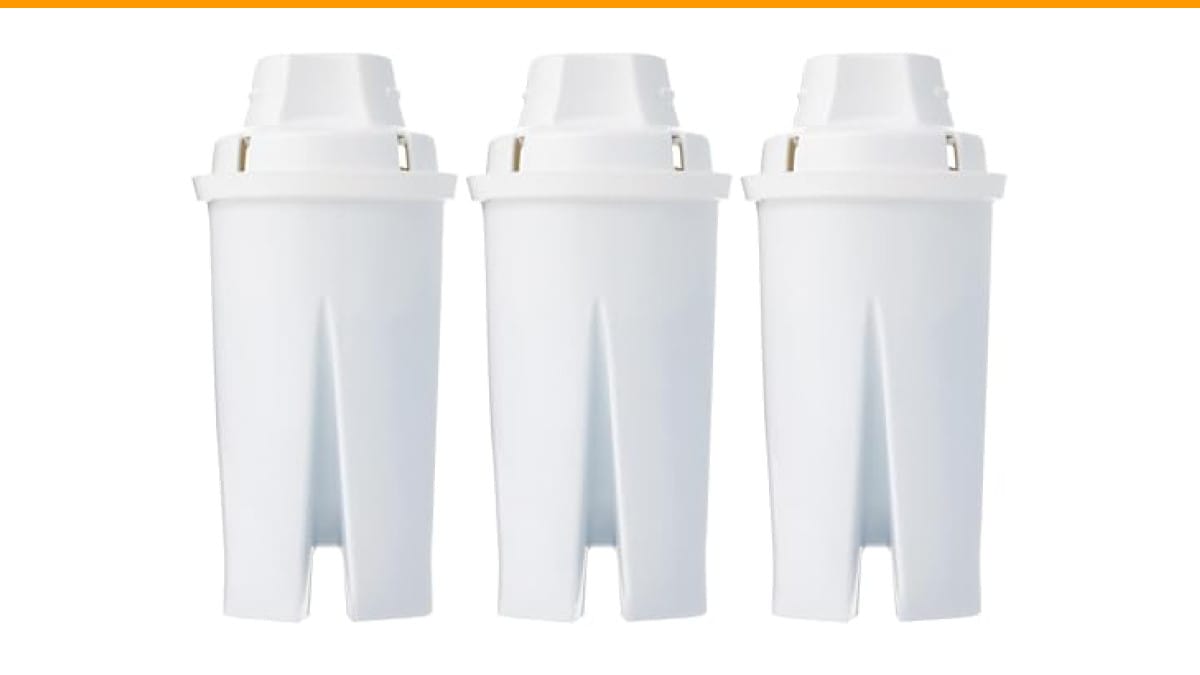
If you’re using a standard pitcher like the Amazon Basics Enhanced Water Filters, the maintenance routine below applies directly. Those filters last 40 gallons or two months, but the pitcher itself needs attention long before the cartridge expires.
Why Cleaning Frequency Depends on Your Usage (Not a Calendar)
Most manufacturers say “clean every two weeks.” That’s a lie for heavy users and overkill for light ones. Your cleaning schedule should track how much water moves through the pitcher, not how many days have passed.
Think about it. A single person brewing one 12-ounce mug of pour-over each morning runs maybe a gallon through the pitcher every two days. A family of four using the pitcher for drinking water, cold brew, and kettle fills runs through two gallons daily. Those two pitchers face wildly different bacterial loads and mineral buildup rates.
Here’s the diagnostic chart you actually need:
| Usage Level | Gallons Per Week | Wash Pitcher | Deep Clean | Replace Cartridge |
|---|---|---|---|---|
| Light (1-2 cups coffee/day) | 2-4 | Every 7 days | Every 3-4 weeks | Every 8-10 weeks |
| Moderate (3-4 cups/day + drinking) | 5-8 | Every 4-5 days | Every 2-3 weeks | Every 6-8 weeks |
| Heavy (5+ cups/day, family use) | 10+ | Every 2-3 days | Every 1-2 weeks | Every 4-6 weeks |
The cartridge replacement intervals matter because a clogged filter slows filtration, which means water sits longer in the reservoir, which means more biofilm growth. It’s a cycle. Break it early.
Hard water makes everything worse. If you see white scale on the reservoir walls after a week, cut the deep-clean interval in half. That mineral buildup isn’t just ugly — it provides surface area for bacteria to cling to.
The Cleaning Schedule: Daily, Weekly, and Monthly Tasks
Daily Rinse and Water Turnover
Empty the pitcher completely every evening. Don’t leave a quarter-inch of water sitting in the bottom overnight. Stagnant water breeds bacteria faster than you’d think, and that’s the water you’ll brew with tomorrow morning.
Rinse the reservoir with hot tap water for about ten seconds. Swirl it. Dump it. That’s it. This takes less time than waiting for your kettle to boil.
Water turnover matters more than soap. If you’re brewing coffee daily, you should refill the pitcher at least once every 24 hours. Stale water makes flat coffee, and stale water sitting in a dirty pitcher makes bad coffee with a side of bacteria.
Weekly Soap-and-Water Wash
Once a week (or every 4-5 days for heavy users), wash the pitcher with warm water and mild dish soap. Use a soft sponge. Avoid abrasive scrubbers — they scratch plastic, and those scratches become permanent hiding spots for grime.
Pay attention to the lid. The lid touches your hands, the counter, and the water. It’s the dirtiest part of the whole assembly. Wash it separately, including the rubber gasket.
Rinse everything thoroughly. Soap residue ruins coffee flavor. If you can smell soap on the plastic after rinsing, wash it again. Your nose knows.
Monthly Deep Clean and Sanitize
This is where most people stop, but it’s the most important step. Once a month, you need to descale and sanitize the pitcher. Vinegar works, but it leaves a smell that lingers in plastic. Citric acid is better — more on that below.
Deep cleaning includes the spout, the vent hole in the lid, and the gasket groove. These areas collect biofilm and mold that you can’t see until it’s too late. If your coffee has started tasting musty, check the spout first.
How to Clean Every Part (Including the Spout and Vent)
You can’t just fill the pitcher with soapy water and call it done. The spout and vent hole are narrow channels that trap biofilm. Here’s the full breakdown.
- Disassemble everything. Remove the lid, the gasket, the filter cartridge (if it’s time to replace it), and any removable spout cover. If your pitcher has a spout guard, pop that off too.
- Clean the reservoir. Wash with warm soapy water. For stubborn mineral scale, fill the reservoir with a citric acid solution (2 tablespoons citric acid per quart of warm water) and let it sit for 30 minutes. Scrub, rinse, repeat if needed.
- Attack the spout. Use a small bottle brush or a cotton swab dipped in soapy water. Insert it into the spout opening and twist. You’ll be surprised how much brown slime comes out. This is the number one source of off-flavors in filtered water.
- Clear the vent hole. The vent hole is a tiny pinhole in the lid that lets air in as water pours out. It clogs with dust and dried residue. Use a toothpick or a straightened paper clip to gently clear it. Then run a cotton swab over the area.
- Wash the gasket. The rubber gasket around the lid traps moisture. Pull it out (if removable) and wash it separately. Wipe the groove where it sits with a damp cloth. Mildew loves this spot.
- Air dry completely. Reassemble only when every part is bone dry. Moisture is the enemy. If you reassemble a damp pitcher, you’re inviting mold to grow in the seams.
Glass pitchers are easier to clean than plastic — no scratches, no odor absorption. But colored plastic pitchers with special coatings need gentler treatment. Avoid harsh chemicals like bleach on colored finishes; they can strip the coating. Stick to dish soap and citric acid.
Sanitizing Options: Bleach, Vinegar, and Citric Acid
The Citric Acid Descale Method (No Lingering Smell)
Citric acid is my preferred method for descaling a coffee water pitcher. It dissolves mineral scale faster than vinegar and leaves zero odor behind. You can buy food-grade citric acid powder in bulk for a few dollars.
Here’s the process:
- Mix 2 tablespoons of citric acid powder into 1 quart of warm water.
- Pour the solution into the empty pitcher (no filter cartridge inside).
- Let it sit for 30-45 minutes. For heavy scale, leave it overnight.
- Scrub gently, then rinse thoroughly with hot water.
- Wash once more with soapy water to remove any remaining residue.
The result: a sparkling clean pitcher with no vinegar smell to contaminate your next brew. It’s not perfect for every situation — citric acid won’t kill bacteria as aggressively as bleach — but for routine monthly descaling, it’s the winner.
When to Use Bleach (and How to Rinse It Fully)
Bleach is for mold outbreaks, not routine cleaning. If you see black spots on the gasket or smell a musty odor that citric acid doesn’t fix, you need bleach.
Mix 1 tablespoon of unscented bleach per gallon of water. Fill the pitcher, let it stand for 10 minutes, then dump it. Rinse with hot water at least three times, then wash with soapy water, then rinse again. Bleach residue is toxic, so this triple-rinse protocol isn’t optional.
Skip bleach entirely if your pitcher has a colored or coated finish. The bleach can dull the surface. Stick to the citric acid method for colored pitchers.
How to Clean Without Ruining Your Filter Cartridge
The biggest mistake people make is cleaning the pitcher while the filter cartridge is still inside. Soap, vinegar, and citric acid all contaminate the activated carbon in the cartridge. Once contaminated, the filter is ruined — it won’t remove contaminants properly, and it will leach soapy or vinegary flavors into your water.
Rule number one: remove the cartridge before any cleaning. Every single time.
Rule number two: don’t run cleaning solutions through the filter. Someone will tell you to “flush” the filter with vinegar to clean it. Don’t. Acid destroys the carbon’s adsorption capacity. You’ll shorten the filter’s lifespan and compromise your water quality.
If you accidentally clean the pitcher with the cartridge inside, replace the cartridge immediately. It’s not worth the risk of drinking soap-flavored water or, worse, water that hasn’t been properly filtered.
For the cartridge itself, the only maintenance is rinsing it under cool running water when you first install it. That’s it. No scrubbing, no soaking, no soap.
Troubleshooting: Leaks, Off-Tastes, and Slow Filtration
After cleaning, you might notice problems. Here’s how to fix them.
Leaks around the lid. The gasket is almost always the culprit. You likely didn’t seat it properly after cleaning. Remove the lid, check the gasket for tears, and reseat it firmly in its groove. Push down until it sits flush. If it’s cracked or stretched out, replace the gasket — they’re cheap and available online.
Leaks from the spout. This usually means the spout cover or guard isn’t aligned. Check the alignment marks (if your pitcher has them) and snap it back into place. A misaligned spout cover also causes dripping after you pour.
Off-tastes after cleaning. Soap residue is the first suspect. Rinse the pitcher three more times with hot water. If the taste persists, you might have a contaminated cartridge. Remember: if you cleaned with the cartridge inside, replace it.
Slow filtration. A clogged cartridge is the usual cause. If it’s been more than two months, replace it. If it’s fresh, the water might be too cold — cold water filters slower. Let the water warm to room temperature before pouring it in.
Cloudy water. This is trapped air in a new cartridge. Run two or three pitchers of water through it before brewing. The cloudiness disappears within a few hours.
If your coffee maker is also acting up, check out our guide on cleaning clogged coffee makers — often the pitcher isn’t the only problem.
When to Replace the Cartridge vs. When to Clean the Pitcher
These are two separate tasks, and people confuse them constantly.
Cleaning the pitcher removes biofilm, scale, and soap residue from the plastic or glass. You do this weekly and monthly.
Replacing the cartridge restores filtration capacity. The carbon becomes saturated with contaminants over time, and no amount of cleaning brings it back. The Amazon Basics filters last 40 gallons or two months, whichever comes first.
How do you know it’s time? Three signs:
- Water tastes like chlorine again, even after cleaning the pitcher.
- Filtration has slowed dramatically — a full pitcher takes 15+ minutes instead of 5.
- You’ve hit the two-month mark since the last replacement.
Don’t stretch a cartridge past its rated life to save money. A saturated filter doesn’t just stop working — it can harbor bacteria that grows in the damp carbon. That bacteria ends up in your coffee.
For more on keeping your whole coffee setup clean, see our coffee machine maintenance guide.
Frequently Asked Questions
Can I put my water filter pitcher in the dishwasher?
Only if the manufacturer says it’s dishwasher safe. Most plastic pitchers are top-rack safe, but the heat can warp the lid or degrade the gasket over time. Hand washing is always safer, especially for the lid and spout. If you must use the dishwasher, place the pitcher on the top rack, remove the gasket and lid, and skip the heated dry cycle.
How do I remove hard water stains from my pitcher?
Citric acid is the best answer. Mix 2 tablespoons of citric acid powder per quart of warm water, fill the pitcher, and let it sit for 30 minutes. The scale dissolves without scrubbing. Vinegar works too, but it leaves an odor that plastic absorbs. Rinse thoroughly after either method.
Does cleaning the pitcher more often extend the filter cartridge life?
No. Cleaning the pitcher removes biofilm and scale from the reservoir, but it doesn’t unclog the carbon inside the cartridge. The cartridge has a fixed capacity (40 gallons for most brands), and that’s determined by how much water passes through it, not how clean the pitcher is. Clean the pitcher for taste; replace the cartridge for filtration performance.
Why does my filtered water taste like plastic?
Two common causes. First, a new pitcher or cartridge can impart a plastic taste for the first few days — flush it with a full pitcher of water before use. Second, biofilm in the spout or vent hole can cause a musty, plastic-like flavor. Clean the spout with a cotton swab and soapy water, then rinse well. If the taste persists, the plastic itself may be degraded, and it’s time for a new pitcher.
Is it safe to use vinegar to clean the pitcher?
Yes, vinegar is safe and effective for descaling, but it’s not ideal for plastic pitchers. The acetic acid smell lingers in porous plastic and can affect the taste of your next few batches of coffee. Citric acid achieves the same descaling result without the odor. If you use vinegar, rinse the pitcher three times with hot water, then air dry completely before reassembling.
The Bottom Line: Your Simple Maintenance Routine
You don’t need a complicated system. You need consistency. Here’s the routine that works:
- Daily: Empty the pitcher at night. Rinse with hot water. Refill fresh in the morning.
- Weekly: Wash the pitcher, lid, and gasket with warm soapy water. Use a cotton swab on the spout.
- Monthly: Descale with citric acid. Clear the vent hole with a toothpick. Air dry completely.
- Every 2 months (or 40 gallons): Replace the filter cartridge. Don’t push it past this point.
- After any cleaning: Never reassemble a damp pitcher. Let every part dry fully first.
- If you see mold: Use the bleach sanitizing method (1 tablespoon bleach per gallon), then triple-rinse.
- If your coffee maker is also struggling: Check our vinegar cleaning guide for the full setup.
Stick to this schedule and your coffee will taste noticeably cleaner within a week. The pitcher is the most ignored piece of coffee gear in most kitchens — and the easiest to fix.
Products related to this article
Sponsored / affiliate links. As an Amazon Associate I earn from qualifying purchases. I may earn additional commission from eligible campaigns.