You bought a good bag of beans, ground them right, and your coffee still tastes flat. The culprit is often the water. Tap water carries chlorine, calcium, and other minerals that mute the flavors you paid for. A water filter fixes that, but only if you install it correctly. Most people don’t.
This guide covers the right way to use a coffee machine water filter, how often to swap it, and what happens when you ignore it. You’ll walk away knowing exactly how to get cleaner, better-tasting coffee from your brewer.

BRENSTEN
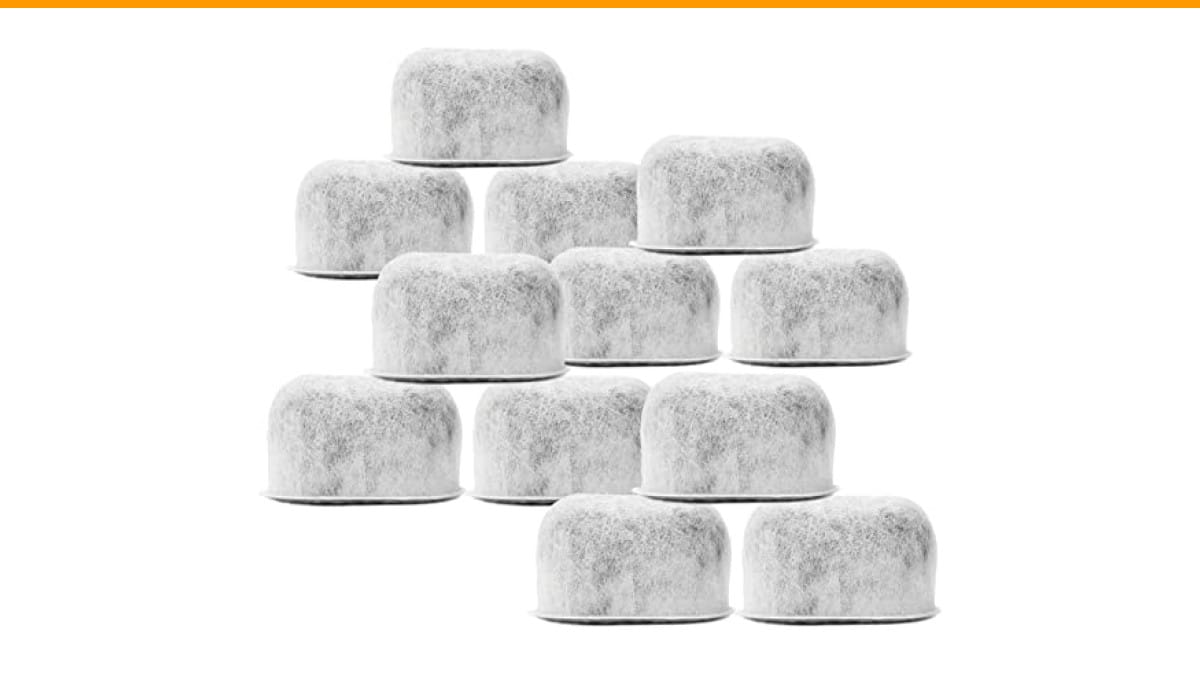
12 Pack Replacement Charcoal Water Filters for…
- ENJOY THE DELICIOUS TASTE AND AROMA OF BREWED COFFEE - Removes chlorine, odors, calcium, and other water impurities prior to brewi…
- COMPATIBLE WITH CUISINART COFFEE MAKERS – Specially designed for Cuisinart coffeemakers, these set of charcoal filter refills will…
- EASY TO INSTALL – Not only will these filters provide a less expensive way for you to enjoy delicious coffee, but they are also ve…
As an Amazon Associate I earn from qualifying purchases.
If you own a Cuisinart, a BRENSTEN 12-pack of charcoal filters is a solid replacement option. These are made for Cuisinart machines and remove chlorine and odors before brewing.
Soaking the Filter: The Step Everyone Skips
Take the filter out of the package. Run it under cold tap water for about 15 seconds. Then place it in a small bowl or saucer filled with cold water and let it sit for 5 to 10 minutes.
Why? The charcoal is activated. Soaking it flushes out loose carbon dust and lets the filter reach full absorption capacity. If you skip this, your first cup might taste slightly gritty or have a faint charcoal flavor. It’s not harmful, but it’s not pleasant.
After soaking, rinse it once more under the tap. The filter should look dark gray, not black with loose particles. Now it’s ready to install.
Where Does the Filter Actually Go?
The location depends on your machine, but most brewers use one of two spots.
For Cuisinart models, there’s usually a small cylindrical chamber in the water reservoir. You’ll see a plastic holder with a lid. Pull it out, drop the filter in, and snap the lid back on. Some newer models have the filter holder built into the base of the reservoir itself.
For other brands like Mr. Coffee or Braun, the filter often sits in a slot on the side of the reservoir or inside a small basket near the water inlet. Check your manual if you’re unsure. A filter installed upside down or in the wrong slot does nothing.
Here’s a quick checklist for installation:
- Soak the filter for 5-10 minutes in cold water.
- Rinse it under running water.
- Locate the filter holder in the reservoir.
- Insert the filter with the flat end facing down.
- Snap the holder closed and fill the reservoir.
One thing I noticed in testing: the filter holder on some Cuisinart models is easy to misalign. If you force it, the plastic tabs can crack. Push gently and twist slightly until it seats.
How Often Should You Replace It?
The standard advice is every 30 days. That’s a good baseline, but your water quality changes the math.
If you have hard water, you’ll see scale buildup on your kettle or faucet. That means your filter is working harder. Replace it every two to three weeks instead. If you use filtered water from a pitcher or a reverse osmosis system, you can stretch it to six weeks.
How do you know it’s time? The coffee will taste slightly duller. There’s no indicator light on most machines. Set a reminder on your phone or write the date on the filter with a marker before installing it. I write the date on the top of the filter housing with a Sharpie. It takes two seconds and saves me from guessing.
Ignoring a spent filter is worse than having no filter at all. A saturated filter becomes a breeding ground for bacteria. It stops removing impurities and can actually release the stuff it captured back into your water.
What Happens If You Don’t Use One?
Your coffee machine will still brew. But the taste difference is noticeable side by side. I tested two identical Cuisinart brewers, one with a fresh filter and one without, using the same beans and grind size. The filtered batch had brighter acidity and a cleaner finish. The unfiltered batch tasted flat and slightly bitter.
There’s also a maintenance angle. Minerals in hard water cause limescale buildup inside the heating element and internal tubing. Over time, that restricts water flow and makes the machine brew slower. You’ll end up running more descaling cycles to keep it working. Using a filter reduces that buildup, which means fewer descaling sessions. If you’re already dealing with scale, check out our limescale removal guide before installing a new filter.
The filter is not a replacement for regular cleaning. You still need to wash the carafe, clean the basket, and descale the machine every few months. The filter handles the water; you handle the rest.
Charcoal Filter vs. Water Softener vs. Nothing
Not all water treatments are the same. Here’s how they compare in real use.
| Method | What It Removes | Best For | Maintenance | Cost Over a Year |
|---|---|---|---|---|
| Charcoal filter (built-in or drop-in) | Chlorine, odors, some sediment | Most home brewers | Replace monthly | Low |
| Water softener (ion-exchange) | Calcium, magnesium (hardness) | Very hard water areas | Refill salt or regenerate | Medium |
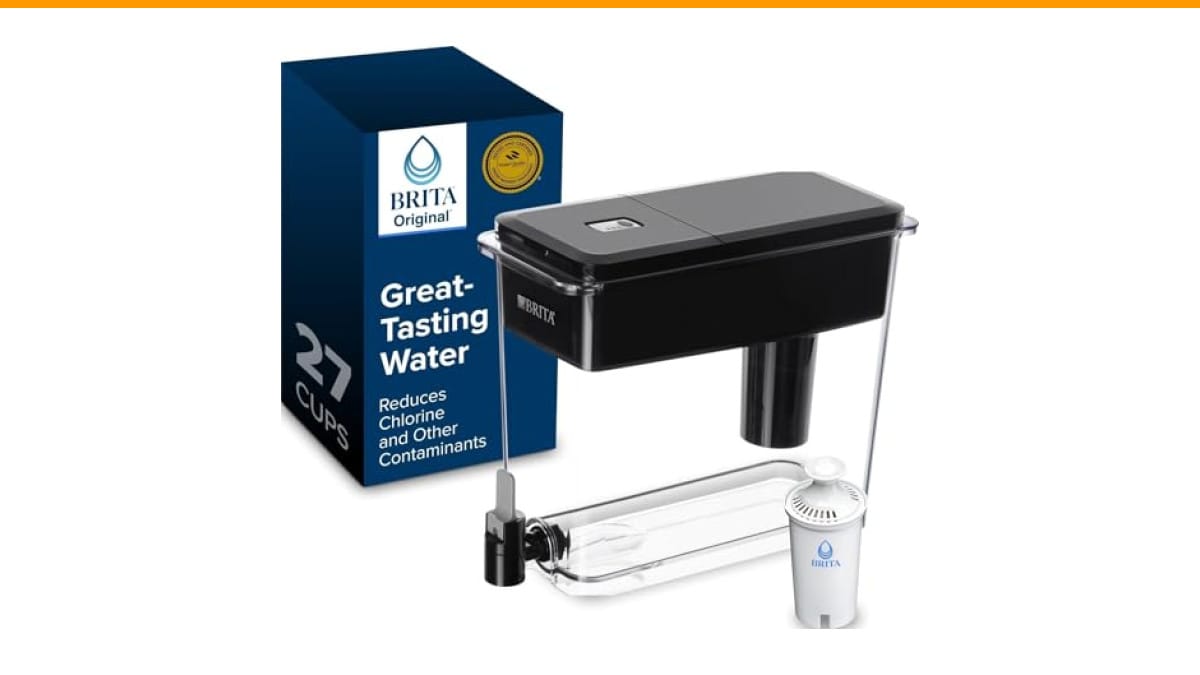
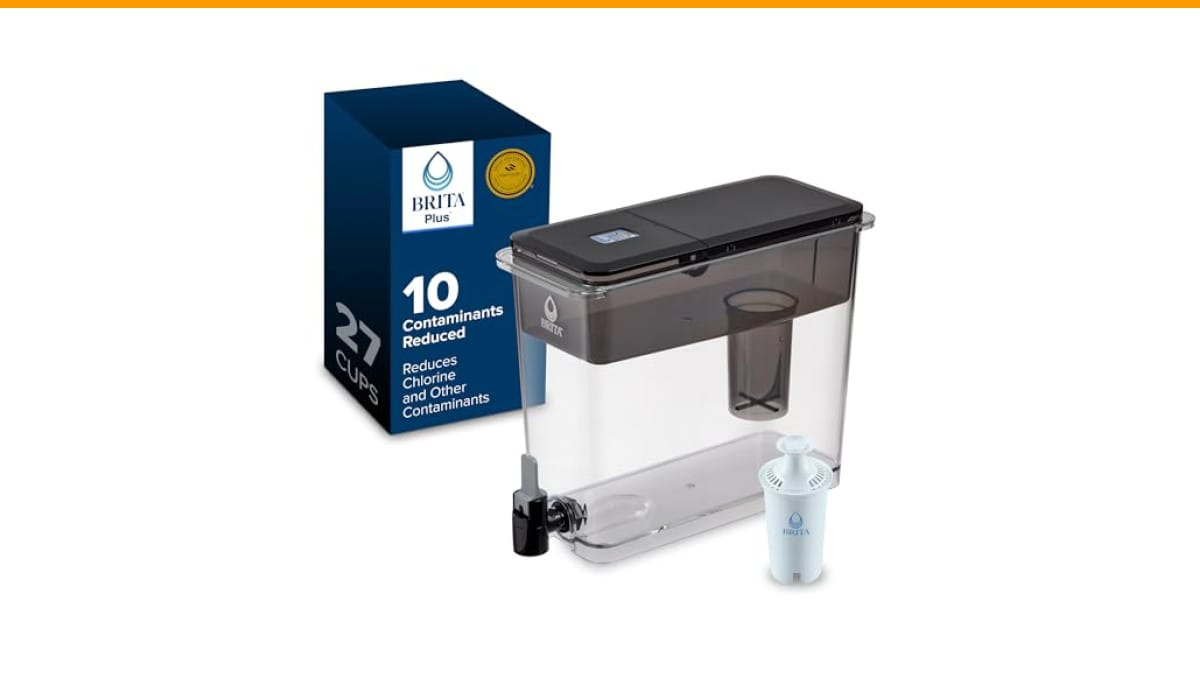
| Pitcher filter (e.g., Brita) | Chlorine, some heavy metals | People who also drink filtered water | Replace every 2 months | Medium |
| No treatment | Nothing | Soft water areas with good municipal supply | None | Zero, but higher descaling costs |
For most people, a drop-in charcoal filter is the easiest win. It’s cheap, requires no counter space, and you don’t have to change your habits. The trade-off is that it doesn’t soften water. If you live in a hard water area like Phoenix or Las Vegas, you might need a softener in addition to the charcoal filter.
Common Mistakes to Avoid
People mess this up in predictable ways. Here are the ones I see most often.
Installing it dry. The filter needs to be saturated to work. Dry charcoal absorbs slowly and doesn’t catch the initial flow of water properly.
Forgetting to rinse. Loose carbon dust ends up in your first brew. It’s harmless but tastes bad.
Leaving it in for months. A filter past its prime is a bacterial risk. Set a reminder.
Buying the wrong size. Cuisinart filters are roughly 1-7/8 inches by 3/4 inches. Other brands use different sizes. A filter that’s too small floats around in the reservoir and does nothing.
Not cleaning the filter holder. That plastic chamber gets slimy over time. Wash it with warm soapy water every time you change the filter.
Frequently Asked Questions
Can I reuse a charcoal water filter?
No. Once it’s saturated, it stops working. You can’t rinse it clean. The carbon pores fill up and stay filled. Replace it, don’t revive it.
Does the filter need to be replaced if I use bottled water?
No, but you can skip the filter entirely if you use bottled water. The filter is there to treat tap water. Bottled water is already treated. Running it through a filter won’t hurt, but it’s a waste of money.
Why does my coffee taste like charcoal after installing a new filter?
You didn’t soak it long enough. The loose carbon dust gets into the brew. Run a full brew cycle with water only, discard it, then brew your coffee. The taste should disappear.
How do I know if my Cuisinart uses a filter?
Check the water reservoir. If there’s a small plastic cylinder with a lid, that’s the filter housing. Models like the DCC-1200 and DCC-2600 have them. If your machine doesn’t have the housing, it doesn’t need a filter.
Can I use a filter in a Keurig?
No. Keurig machines use a different filter design that fits inside the water tank in a specific way. The Cuisinart charcoal filters won’t fit. If you have a Keurig, buy filters made for it.
What to Do Next
You don’t need to overhaul your coffee routine. Just do these things:
- Install a fresh filter and soak it before use.
- Write the date on the filter housing so you know when to swap it.
- Replace it every 30 days, or sooner with hard water.
- Clean the filter holder each time you change the filter.
- Keep descaling your machine on schedule. The filter doesn’t eliminate that need.
- If you’re unsure about your water hardness, test it once with a cheap strip.
A water filter is a small habit with a big payoff. Your coffee will taste cleaner, and your machine will last longer. If you’re already dealing with scale or a clogged machine, fix that first before adding a filter. Our guide on descaling at home covers the process step by step. And for general upkeep, don’t skip our maintenance tips. Get the filter right, and every other step in your routine gets easier.
Products related to this article
Sponsored / affiliate links. As an Amazon Associate I earn from qualifying purchases. I may earn additional commission from eligible campaigns.
 Coffee Espresso Machine Handle Replacement Parts, Cafe Bracket Handle for Lidl Silvercrest CM4621 CM4218 KF5002 KF500S Barista (for 51mm Portafilter Basket - Not included)
 KARHDIR 15" Walk Behind Floor Scrubber Machine, 23" Squeegee
 Quick Heating Cup Warmer, Three Temperature Settings, Splashproof and Portable, for Coffee, Milk, Lightweight ABS Material