You just finished descaling your espresso machine, and now you’re staring at a half-full container of chemical solution and a sink full of cloudy water. What do you do with the leftover liquid? Pour it down the drain? Dump it outside? Toss the bottle in the recycling bin? Most people don’t think twice, but the wrong disposal can damage your pipes, harm local wildlife, or get you in trouble with waste regulations.
This guide covers everything you need to know about disposing of coffee machine descaler, whether you use a commercial liquid, a powder, or a DIY vinegar solution. You’ll learn the safest methods for your plumbing, your garbage can, and the environment. I’ll also share what not to do, based on what I’ve learned from years of testing coffee equipment and talking to water treatment folks.

IMPRESA
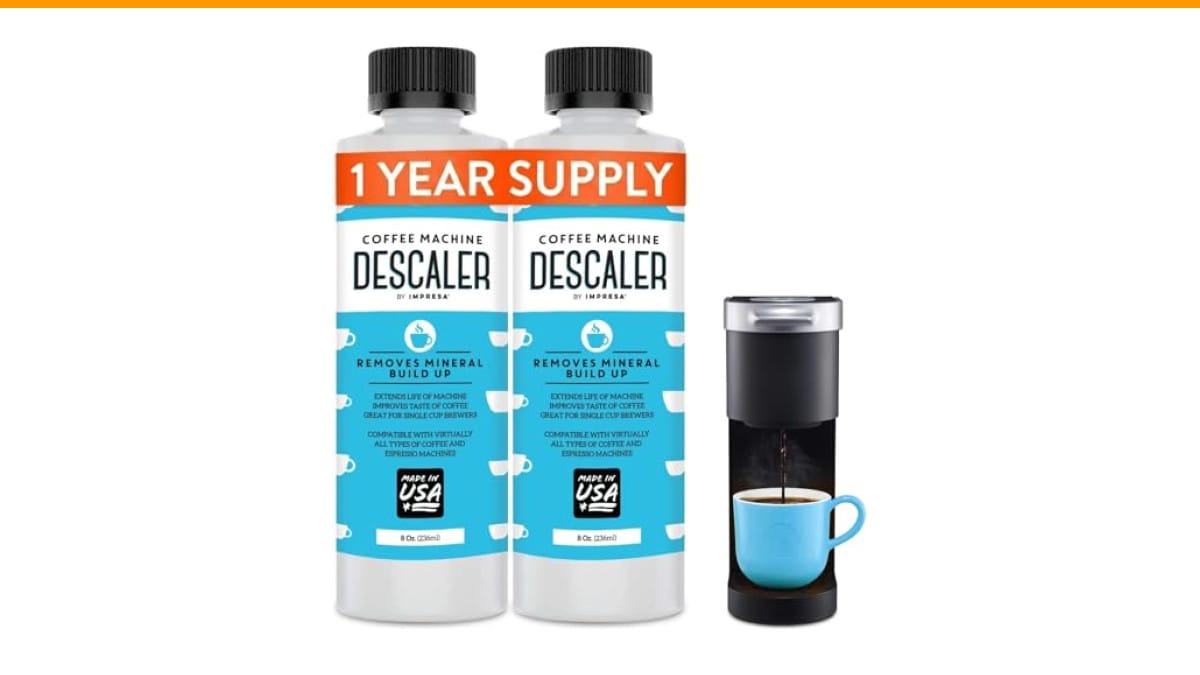
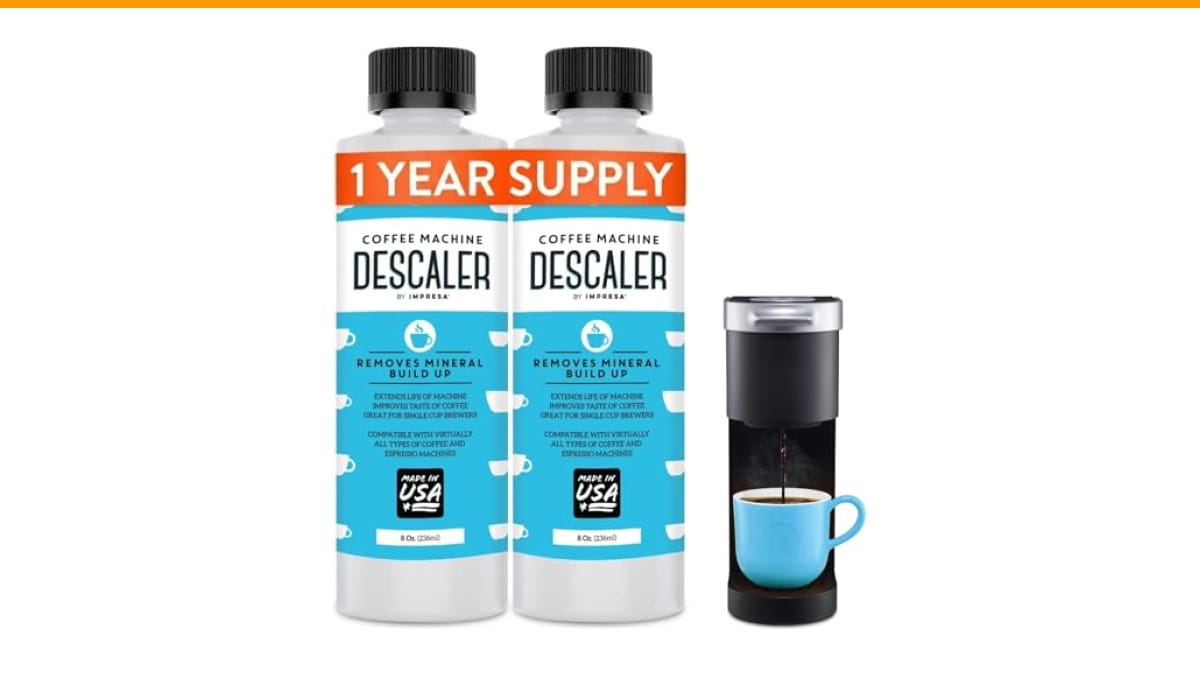
IMPRESA Coffee Machine Descaler, 2-Pack (1-Year Supply)…
- 2-Pack Coffee Descaler and Cleaner - Clean and rinse away residue and oil buildup in your coffee maker with Impresa's Coffee Desca…
- Highly Effective, Made in USA Formula - Unlike most common solutions, our coffee machine cleaner uses just 4 ounces (1/2 bottle) p…
- Preserves Your Machine - Using a coffee descaling solution eliminates limescale and mineral build-up to prevent corrosion, signifi…
As an Amazon Associate I earn from qualifying purchases.
If you’re using a popular descaler like IMPRESA’s 2-pack, the good news is that most descaling solutions are water-based and can be neutralized safely. But the details matter. Let’s get into it.
IMPRESA Coffee Machine Descaler is a good example of a typical liquid descaler. It comes in 8-ounce bottles, and you use 4 ounces per session. That leaves about half a bottle of concentrate after each descaling. You’ll need to dispose of that leftover concentrate properly, not just dump it. The instructions below apply to this product and most others on the market.What’s in Coffee Machine Descaler?
Before you can dispose of something safely, you need to know what’s in it. Most commercial descalers contain either citric acid, lactic acid, sulfamic acid, or a blend of organic acids. These are mild acids that dissolve limescale and mineral deposits. They are not highly toxic, but they are acidic enough to cause skin irritation and, if dumped in large quantities, can disrupt the pH of water systems.
Some descalers also contain surfactants and anti-corrosion agents. Those ingredients are generally safe in small amounts, but they can be harmful to aquatic life if they end up in rivers or lakes. That’s why you shouldn’t pour concentrated descaler down a storm drain or onto the ground.
The manufacturer’s safety data sheet (SDS) will tell you the exact composition. If you don’t have the SDS, check the bottle label. Most household descalers are classified as “non-hazardous” under normal use, but the concentrate is still acidic enough to require caution.
How to Dispose of Liquid Descaler (Step-by-Step)
Here’s the step-by-step process for disposing of liquid descaler, whether it’s the leftover concentrate in the bottle or the diluted solution you used for descaling.
- Neutralize the acid. For every 8 ounces of concentrated descaler, add about 1 tablespoon of baking soda slowly. It will fizz. Wait until the fizzing stops. This raises the pH to a safe level (around 6–7). Test with pH strips if you have them. If you don’t, just add a little extra baking soda to be sure.
- Dilute with water. Add at least 10 parts water to 1 part neutralized descaler. This lowers the concentration further and makes it safe for your pipes.
- Pour down the drain. Run cold water for a minute before and after pouring. Cold water keeps the solution moving and prevents any reaction with hot water that could cause splashing.
- Rinse the bottle. Rinse the empty bottle three times with water and pour that rinse water down the drain too. Then recycle the bottle if it’s marked with a recycling symbol. If not, throw it in the trash.
- Dispose of the remaining concentrate. If you have a full bottle you want to get rid of, don’t dump it all at once. Neutralize and dilute it in a large bucket, then pour it down the drain in batches over a few minutes.
Pro tip: Never mix descaler with bleach or other cleaning products. The acid can react with bleach to release chlorine gas. That’s a serious health hazard.
What About Descaler Tablets and Powders?
Tablets and powders are easier because they are solid. You don’t have to neutralize them before throwing them away. But you still need to be careful.
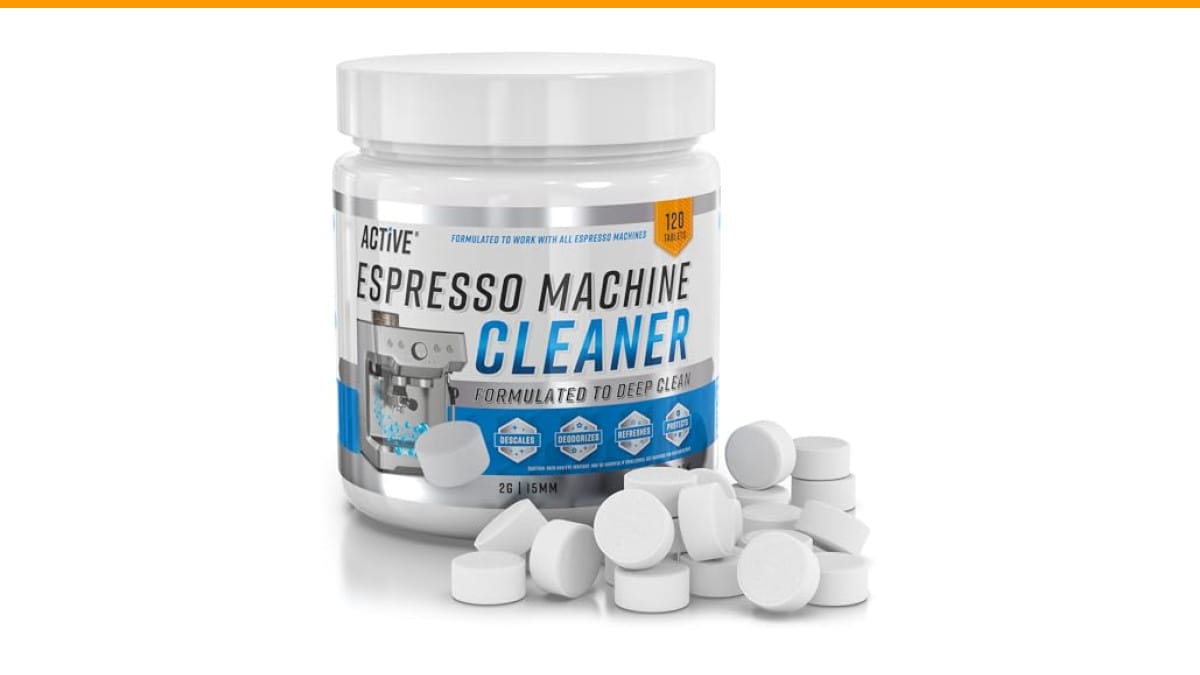
- Unused tablets: Keep them in their original packaging and throw them in the trash. Do not flush them down the toilet. They can dissolve in the sewer and cause issues.
- Powder descaler: If you have leftover powder, seal it in a plastic bag and throw it in the trash. Do not rinse it down the sink. It can clump in your pipes.
- Dissolved powder: If you already mixed it with water, treat it like liquid descaler: neutralize with baking soda, dilute, and pour down the drain.
One thing to watch: some tablets contain citric acid that can be harmful to septic systems if you pour large amounts down the drain. If you’re on a septic tank, consider disposing of the solid tablets in the trash instead of dissolving them.
Disposing of Homemade Vinegar Descaler
If you use vinegar as a natural descaler (which many people do), disposal is simpler. Vinegar is a weak acid (acetic acid) that is biodegradable and safe for drains in small amounts. After descaling, you can pour the used vinegar solution down the sink with plenty of water. No need to neutralize unless you’re dumping a large quantity (like a gallon).
If you have a gallon of used vinegar solution, you can pour it down the drain over the course of a day, or you can neutralize it with baking soda first. The fizzing reaction is normal. Just be aware that vinegar can be harmful to rubber gaskets in your plumbing if you dump it all at once. Dilution is your friend.
For more on vinegar-based descaling, check out our guide on how to clean coffee maker with vinegar.
Comparing Disposal Methods
| Method | Best For | Pros | Cons | Environmental Impact |
|---|---|---|---|---|
| Neutralize + drain | Liquid descalers (commercial or homemade) | Safe for pipes, easy, no special equipment | Requires baking soda and pH strips if you want to be precise | Low if neutralized properly |
| Dilute + drain | Diluted used solution (after descaling) | Simple, no extra chemicals | Not suitable for concentrated leftover | Low if diluted enough |
| Trash (solid form) | Tablets, powders, empty bottles | No risk to plumbing, no chemical reaction | Adds to landfill waste | Moderate (plastic waste) |
| Recycle (bottles) | Plastic bottles with recycling symbol | Reduces waste | Must be rinsed clean, not all curbside programs accept | Good if done correctly |
| Hazardous waste facility | Large quantities, industrial descalers | Guaranteed safe disposal | Inconvenient, may require special handling | Best for high concentrations |
Common Mistakes and How to Avoid Them
Here are the three most common mistakes people make when disposing of descaler, and how to sidestep them.
- Pouring concentrated descaler down the drain. This can corrode pipes over time, especially if you have older metal pipes. Always neutralize and dilute first.
- Flushing tablets down the toilet. They can clog your septic system or cause issues at the wastewater treatment plant. Trash them instead.
- Dumping descaler outside. The acid can kill grass, harm soil microbes, and contaminate groundwater. Never pour it on the ground or into storm drains.
If you’re unsure about your local regulations, check with your city’s waste management department. Some municipalities have specific rules for chemicals, even mild ones.
Frequently Asked Questions
Can I pour coffee machine descaler down the sink?
Yes, but only after neutralizing and diluting it. The concentrated acid can damage pipes and harm the environment. Neutralize with baking soda, dilute with water, then pour down the drain with cold water running.
Is descaler toxic to pets or children?
Most descalers are mildly acidic and can cause stomach upset if ingested, but they are not usually lethal. Still, store them out of reach, and if swallowed, call poison control. The concentrate is more dangerous than the diluted solution.
Can I reuse descaler solution?
No. Once the solution has been used, it contains dissolved limescale and minerals. Reusing it won’t be effective and can even redeposit scale. Always use fresh solution for each descaling session.
What should I do with the empty descaler bottle?
Rinse it thoroughly with water, then recycle if your local program accepts it. If not, throw it in the trash. Never put a bottle with leftover concentrate in the recycling bin—it can contaminate the batch.
Is it okay to dispose of descaler in a septic system?
Small amounts of neutralized and diluted descaler are generally fine for septic systems. However, large amounts of concentrated acid can kill the beneficial bacteria in your septic tank. If you have a septic system, err on the side of caution and use a descaler that is explicitly labeled as septic-safe, or dispose of the concentrate in the trash.
Final Thoughts on Disposal
- Always neutralize liquid descaler with baking soda before pouring down the drain.
- Dilute the neutralized solution with at least 10 parts water.
- Run cold water before, during, and after pouring to protect your pipes.
- Throw tablets and powders in the trash, not the toilet or sink.
- Rinse empty bottles and recycle if possible.
- Never pour descaler on the ground or into storm drains.
- If you’re on a septic system, check the label or use a septic-safe product.
Proper disposal isn’t just about following rules—it’s about protecting your home and the environment. Take the extra minute to neutralize and dilute, and you’ll avoid costly plumbing repairs and unnecessary pollution. For more on keeping your machine in top shape, see our coffee machine maintenance guide and deep cleaning tips.
Products related to this article
Sponsored / affiliate links. As an Amazon Associate I earn from qualifying purchases. I may earn additional commission from eligible campaigns.
 Coffee Espresso Machine Handle Replacement Parts, Cafe Bracket Handle for Lidl Silvercrest CM4621 CM4218 KF5002 KF500S Barista (for 51mm Portafilter Basket - Not included)
 Citric Acid 6 Pounds | Fine Granular Powder, Food Grade, Bulk Supply – Potent Anhydrous Form – Versatile Flavor Enhancer, Preservative, Cleaning, & Homemade Bath Bombs – Additive Free, Non-GMO
 6 lb Citric Acid Powder Food Grade, Citric Acid Crystals, 100% Pure