If you love fresh coffee, you know how important it is for your machine to work perfectly. Over time, mineral buildup can slow down your coffee maker and affect the taste of your brew.
But don’t worry—you can fix this yourself at home with a simple descaling process. You’ll learn easy, step-by-step tips to keep your coffee machine running smoothly and your coffee tasting great. Keep reading to discover how a clean machine can make every cup better!
Why Descale Your Coffee Machine
Descaling your coffee machine is key to keeping it in good shape. Over time, minerals from water build up inside the machine. This buildup affects taste and machine performance. Regular descaling removes these minerals and helps your coffee taste fresh every time.
Impact Of Mineral Buildup
Mineral deposits form from hard water in pipes and heating parts. These deposits block water flow and reduce heating efficiency. The machine works harder and takes longer to brew coffee. Over time, this can cause damage or shorten the machine’s life.
Signs Your Machine Needs Descaling
Notice slow brewing or weaker coffee taste. Strange noises or water leaks can also appear. White or chalky residue on parts shows mineral buildup. If the machine stops working properly, it likely needs descaling.
Benefits Of Regular Descaling
Descaling keeps your machine clean and running smoothly. It improves coffee flavor by removing mineral taste. The machine lasts longer and uses less energy. Regular care saves money on repairs and replacements.

Credit: www.amazon.com
Choosing The Right Descaling Solution
Choosing the right descaling solution is key to keeping your coffee machine in top shape. The solution breaks down mineral build-up inside your machine. This build-up can block water flow and change the taste of your coffee. Different solutions work better for different machines and budgets. Learn about options before you pick one.
Commercial Descaling Products
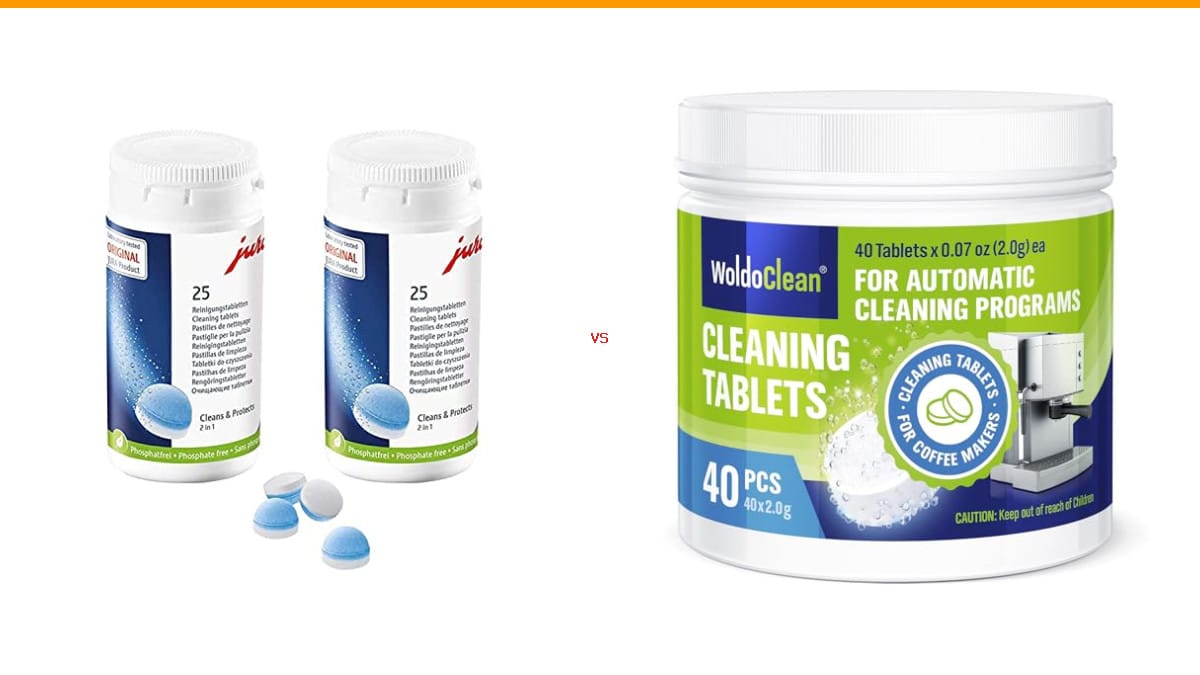
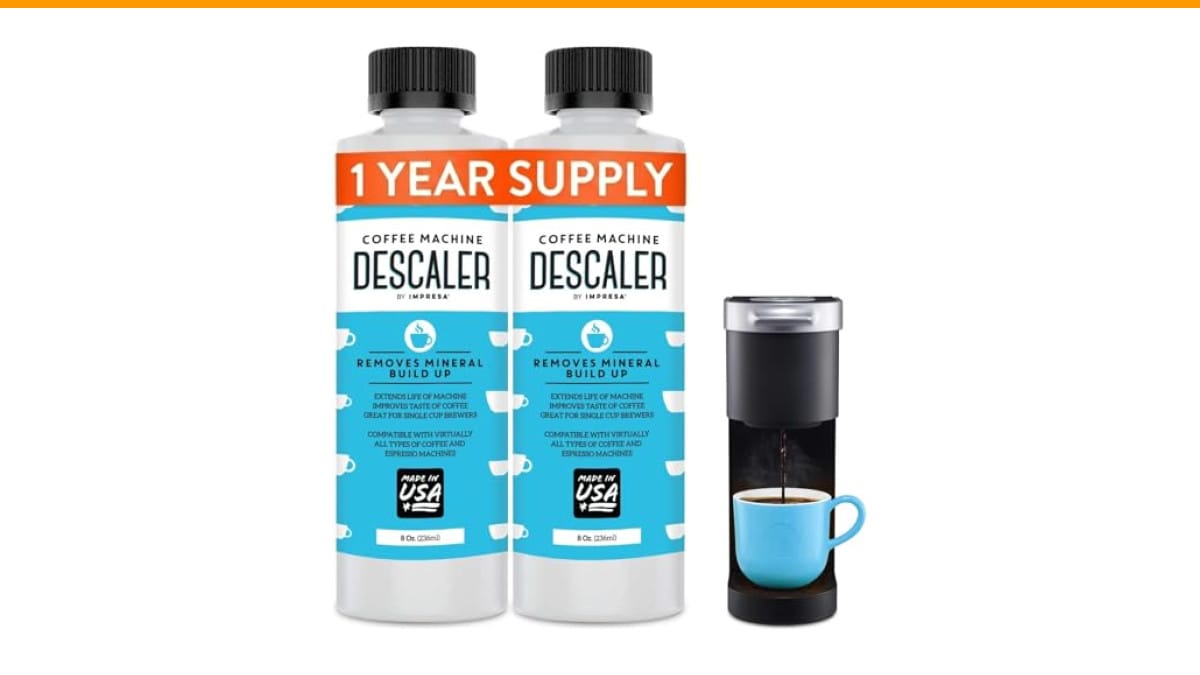
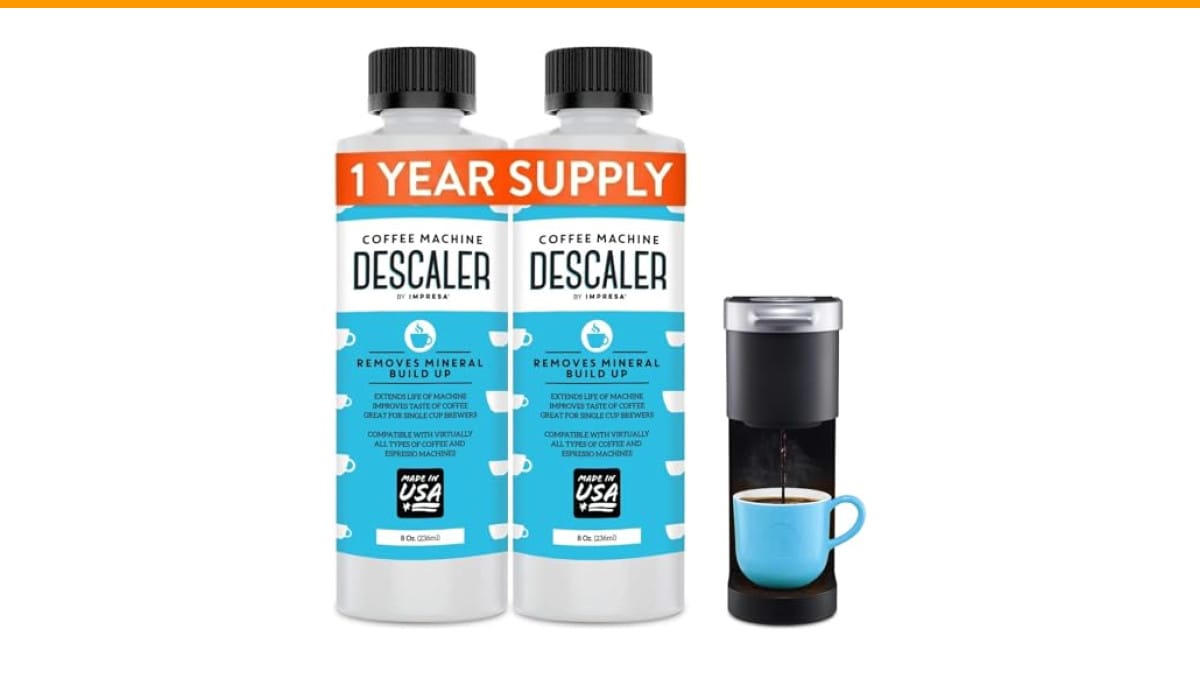
Commercial descaling products are made specifically for coffee machines. They often contain acids like citric or lactic acid. These acids dissolve mineral deposits quickly and safely. Many products come in liquid or powder form. Follow the instructions on the package for best results. These products are easy to use and effective for regular maintenance.
Homemade Natural Alternatives
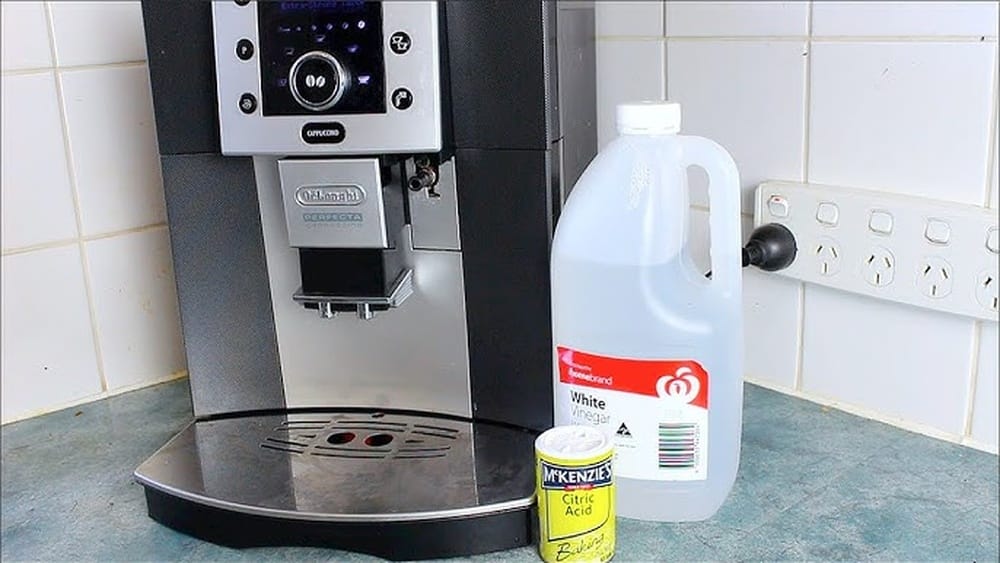
Natural alternatives use common household items. White vinegar and lemon juice are popular choices. They contain mild acids that break down scale. Mix vinegar or lemon juice with water before use. These options cost less but may take longer to work. They are a good choice if you prefer natural cleaning.
Safety Considerations
Always check your coffee machine’s manual before using any solution. Some machines do not work well with vinegar or strong acids. Avoid using bleach or harsh chemicals. Wear gloves to protect your skin during descaling. Rinse the machine well after cleaning to remove any leftover solution. Safety keeps your machine and you healthy.
Preparing Your Coffee Machine
Preparing your coffee machine before descaling is key. It helps the process work better and keeps your machine safe. Start by getting your machine ready step by step. This simple preparation saves time and avoids problems.
Emptying Water Reservoir
First, remove all water from the reservoir. Empty it fully to clear out old water and dirt. This step stops mixing old water with the descaling solution. Dry the reservoir with a clean cloth before refilling.
Cleaning Removable Parts
Next, take out all removable parts like the filter and drip tray. Wash these parts with warm, soapy water to remove coffee oils and residue. Rinse them well and let them dry completely. Clean parts make the descale process more effective.
Gathering Supplies
Gather all supplies before starting to descale. You will need descaling solution or vinegar, clean water, a container for used water, and a soft cloth. Having everything ready helps you work smoothly without interruptions. Use the right supplies to protect your machine.
Step-by-step Descaling Process
Descaling your coffee machine keeps it working well and makes coffee taste better. This process removes hard water deposits that build up inside the machine. Follow these simple steps to descale your coffee maker at home safely and easily.
Mixing The Descaling Solution
Start by mixing the descaling solution. Use either a store-bought descaler or a homemade mix of equal parts water and white vinegar. Pour the solution into the water reservoir of your coffee machine. Make sure to fill it enough to run a full cycle.
Running The Descale Cycle
Turn on the coffee machine and start the brew cycle. Let the machine run the solution through its system. Pause halfway and let it sit for about 15 minutes. This helps break down the mineral buildup inside the machine. Then, finish the cycle completely.
Rinsing Thoroughly
Empty the water reservoir and rinse it well. Fill it with fresh, clean water. Run at least two full brew cycles with just water. This step removes any leftover descaling solution from the machine. Your coffee maker is now clean and ready for use.
Maintaining A Spotless Coffee Machine
Keeping a coffee machine clean is key to great-tasting coffee. A spotless machine works better and lasts longer. Regular care stops bad smells and clogs. It also saves money by avoiding repairs. Small daily habits help keep your machine fresh and ready.
Recommended Descaling Frequency
Descale your coffee machine every 1 to 3 months. Hard water areas need more frequent descaling. Follow the machine’s manual for best results. Regular descaling removes mineral buildup inside. This keeps water flow smooth and coffee flavor pure.
Daily Cleaning Tips
Wipe the machine’s exterior after each use. Clean the drip tray and coffee grounds container daily. Rinse removable parts with warm water. Avoid using harsh chemicals that can damage the machine. Dry parts fully before putting them back. This stops mold and bacteria from growing.
Preventing Mineral Buildup
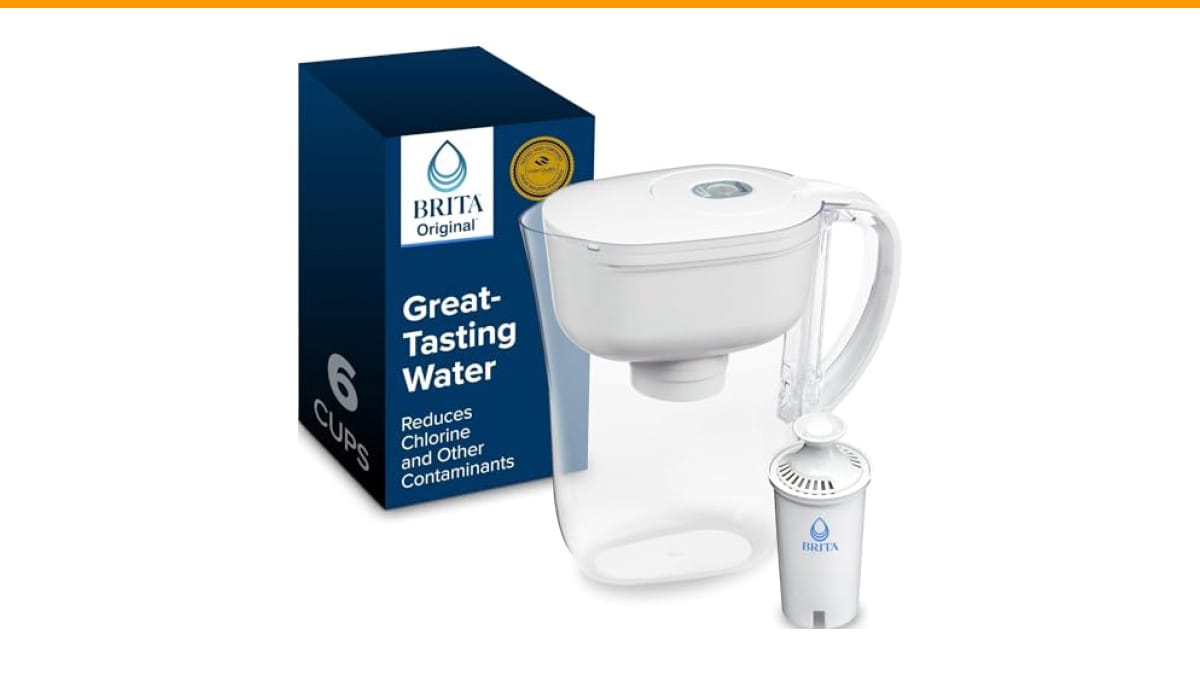
Use filtered or bottled water to reduce minerals. Empty water tanks daily and refill with fresh water. Run a water-only cycle once a week to flush the system. Avoid leaving water in the machine overnight. These steps help keep your machine free of scale.

Credit: www.two2brew.com
Troubleshooting Common Issues
Descaling a coffee machine at home can sometimes run into problems. These issues can stop the process or make it less effective. Understanding common problems helps keep your machine working well. Below are solutions to some frequent troubles during descaling.
Descale Cycle Not Working
Check if the machine is plugged in and turned on. Make sure the water tank has enough water and the descaling solution is added. Clean the machine’s filter and nozzles to remove blockages. Reset the machine by turning it off, then on again. Consult the user manual for specific reset steps.
Lingering Taste Or Odors
Run multiple rinse cycles with clean water after descaling. Use a mild detergent to clean removable parts like the water tank and drip tray. Wipe the machine’s interior with a soft cloth. Store the machine in a dry place to prevent mold and smells. Replace the water filter if the taste persists.
Machine Still Slowing Down
Check for hidden mineral buildup inside the machine. Repeat the descaling process if needed. Clean coffee grounds and oils from the brew group and grinder. Use filtered or bottled water to reduce mineral deposits. Regular maintenance keeps the machine running smoothly.

Credit: www.amazon.com
Frequently Asked Questions
How Often Should I Descale My Coffee Machine?
You should descale your coffee machine every 1 to 3 months. This depends on how often you use it and your water hardness. Regular descaling prevents mineral buildup and ensures better coffee taste and machine longevity.
What Is The Best Solution For Descaling Coffee Machines?
White vinegar or commercial descaling solutions work best. Vinegar is natural and effective, while commercial products are designed for safe use. Always follow the manufacturer’s instructions for the best results and to avoid damage to your machine.
Can I Use Lemon Juice To Descale My Coffee Machine?
Yes, lemon juice can be used as a natural descaling agent. It effectively breaks down mineral deposits. However, it may leave a slight citrus smell, so rinse the machine thoroughly afterward.
How Do I Know When To Descale My Coffee Machine?
Signs include slower brewing, strange taste, or machine alerts. Mineral buildup reduces performance and affects coffee flavor. Regular maintenance helps avoid costly repairs and keeps your coffee tasting fresh.
Conclusion
Descaling your coffee machine keeps it working well and tasting great. Regular cleaning stops build-up that can harm the machine. Use simple ingredients like vinegar or special cleaners to remove scale. Follow easy steps to save time and avoid mistakes.
A clean machine makes better coffee every day. Keep your coffee fresh and enjoy each cup fully. Small care goes a long way for your machine’s life. Try it yourself and see the difference it makes.
Products related to this article
Sponsored / affiliate links. As an Amazon Associate I earn from qualifying purchases. I may earn additional commission from eligible campaigns.
 Coffee Espresso Machine Handle Replacement Parts, Cafe Bracket Handle for Lidl Silvercrest CM4621 CM4218 KF5002 KF500S Barista (for 51mm Portafilter Basket - Not included)
 SOLUSTRE Electric USB Coffee Cup Warmer with Temperature Settings Portable Milk and Beverage Heating Coaster for Office Desk Small Lightweight Design Easy to Clean Surface Multi Functional
 KARHDIR 15" Walk Behind Floor Scrubber Machine, 23" Squeegee