Your coffee maker works hard every day to brew the perfect cup, but over time, mineral buildup and old coffee oils can affect the taste and performance. Cleaning your coffee maker with vinegar is a simple, affordable way to keep it running smoothly and ensure every cup tastes fresh.
If you want to save money and avoid harsh chemicals, this easy method is for you. Keep reading, and you’ll discover the step-by-step process to make your coffee maker like new again—and enjoy better coffee every morning.
Credit: www.hgtv.com
Why Use Vinegar For Cleaning
Wondering why vinegar is a top choice for cleaning your coffee maker? Vinegar is more than just a kitchen staple; it’s a powerful, natural cleaner that tackles tough coffee stains and mineral buildup effectively. Using vinegar not only improves your machine’s performance but also ensures every cup tastes fresh and delicious.
Benefits Of Vinegar
Vinegar is acidic, which helps break down mineral deposits from hard water that clog your coffee maker. It also dissolves coffee oils and residue that can affect flavor. This means your coffee tastes better and your machine lasts longer.
Another perk is that vinegar is safe to use and easy to rinse away, leaving no harmful chemicals behind. It’s a budget-friendly solution that you likely already have at home. Plus, it’s environmentally friendly compared to many commercial cleaners.
Have you ever noticed your coffee maker dripping slowly or coffee tasting bitter? Regular vinegar cleaning can fix that by clearing out blockages and buildup.
Types Of Vinegar To Use
Not all vinegars work the same for cleaning. White distilled vinegar is the best choice because it’s clear, affordable, and has a high acidity level—usually around 5%. This makes it ideal for cutting through grime without staining your machine.
Avoid using apple cider vinegar or balsamic vinegar, as they can leave behind colors or strong odors that are hard to remove. These types are better suited for cooking rather than cleaning.
Keep in mind, using pure white vinegar ensures your coffee maker stays clean and free from unwanted smells, so your next brew tastes just right.
Preparing Your Coffee Maker
Preparing your coffee maker before cleaning is important. It helps the vinegar clean better. Taking time to get your machine ready saves effort later. Follow these steps carefully to prepare your coffee maker for a thorough clean.
Empty The Machine
Start by turning off and unplugging your coffee maker. Remove any leftover coffee from the pot. Pour out old water from the reservoir. This clears space for the vinegar solution. Make sure the machine is completely empty before cleaning.
Remove And Clean Parts
Take out removable parts like the filter basket and carafe. Wash these parts with warm, soapy water. Rinse them well to remove soap residue. Dry them with a clean towel or air dry. Cleaning parts separately helps remove coffee oils and buildup.
Step-by-step Vinegar Cleaning Process
Cleaning a coffee maker with vinegar is simple and effective. Follow these clear steps to remove buildup and improve taste. The process takes little time and uses common household items. Keep your coffee fresh and your machine working well.
Mixing The Vinegar Solution
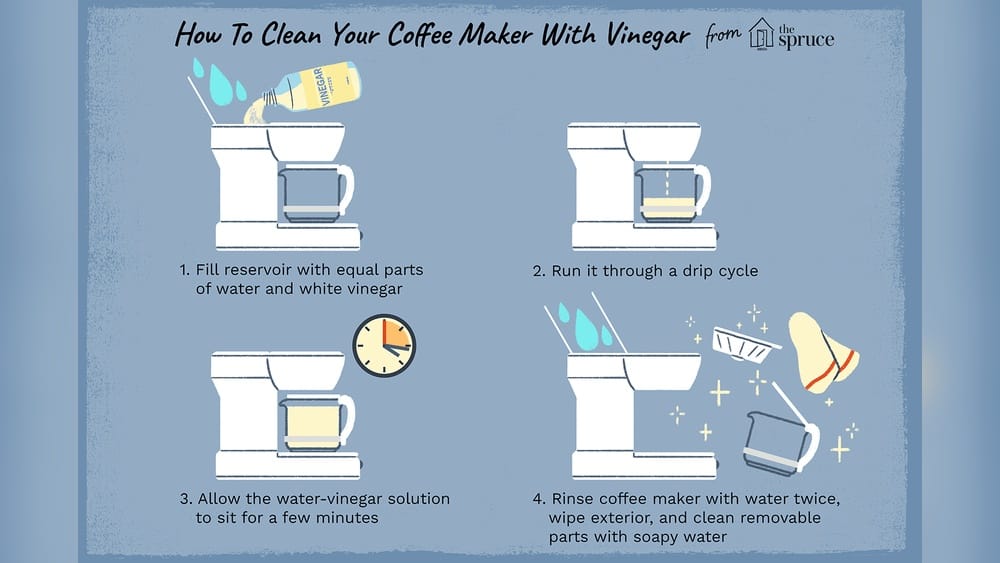
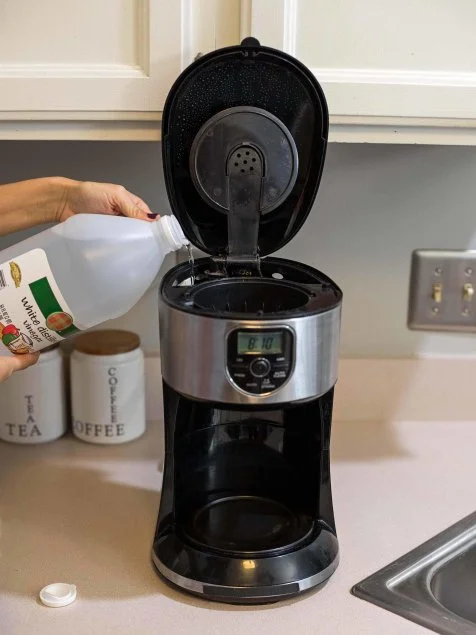
Start by mixing equal parts of white vinegar and water. Use enough liquid to fill the coffee maker’s water reservoir. This solution helps break down mineral deposits and coffee oils. Pour the mixture into the machine carefully.
Running The Cleaning Cycle
Turn on the coffee maker and let it run a full brewing cycle. The vinegar solution will flow through the system, cleaning the internal parts. Pause halfway and let the machine sit for 30 minutes. This step boosts the cleaning power of vinegar.
Rinsing The Coffee Maker
After the vinegar cycle, empty the carafe and rinse it well. Fill the reservoir with clean water and run two or three full cycles. This removes any vinegar taste or smell. Your coffee maker is now clean and ready for use.
Dealing With Stubborn Stains
Stubborn stains in your coffee maker can be frustrating. These stains build up from coffee oils and minerals over time. Regular cleaning may not remove them completely. Using vinegar is a great way to tackle these tough spots. Some stains need extra care to come off. Try simple methods that work well with vinegar.
Soaking Components
Remove parts like the filter basket and carafe from your coffee maker. Fill a container with equal parts vinegar and water. Soak the parts in this solution for 30 minutes. This helps break down the stains and residue. After soaking, scrub gently with a soft brush or cloth. Rinse all parts thoroughly with clean water before reassembling. Soaking makes stubborn stains easier to clean.
Using Baking Soda With Vinegar
Mix a tablespoon of baking soda with half a cup of vinegar. Pour the mixture into the coffee maker’s water reservoir. The fizzing action helps lift tough stains and residue. Let the mixture sit for 15 minutes inside the machine. Run a brewing cycle without coffee grounds to clean the inside. Follow with two cycles of fresh water to rinse. Baking soda and vinegar together boost cleaning power against stains.
Preventing Future Build-up
Preventing future build-up in your coffee maker keeps it working well for a long time. Cleaning with vinegar removes old deposits, but stopping new ones from forming is key. Small daily habits can make a big difference.
Regular Maintenance Tips
Clean your coffee maker every few weeks to stop build-up. Run a vinegar cycle once a month to clear away minerals. Wipe the machine’s parts after each use. Empty the coffee grounds and rinse the basket regularly. Keep the machine dry to avoid mold and mildew growth.
Using Filtered Water
Use filtered water to make coffee. It has fewer minerals than tap water. This reduces the chance of scale forming inside the machine. Filtered water also improves the taste of your coffee. Change your water filter as the instructions say for best results.
Credit: www.thekitchn.com
Safety Tips When Cleaning
Cleaning a coffee maker with vinegar requires care to avoid damage. Always unplug the machine and use diluted vinegar to protect parts. Rinse thoroughly to remove any strong vinegar smell before brewing coffee again.
Handling Vinegar Safely
Vinegar is a natural cleaner but still requires careful use. Always work in a well-ventilated area. The strong smell can irritate your nose and eyes. Wear gloves to protect your skin from acidity. Avoid splashing vinegar into your eyes. If vinegar contacts your skin, rinse with water immediately. Never mix vinegar with bleach or other cleaners. This can create harmful fumes. Use only white distilled vinegar for cleaning. Other types may leave residues or damage parts.
Avoiding Damage To Your Machine
Check your coffee maker’s manual before cleaning. Some machines need special care or cleaning products. Do not pour vinegar directly on heating elements. This can cause corrosion. Use a diluted vinegar solution, usually half vinegar and half water. Run the cleaning cycle slowly to avoid damage. After cleaning, run fresh water cycles to rinse out vinegar. Wipe all parts dry before reassembling. Regular cleaning prevents buildup and extends your machine’s life.

Credit: stogagirlssoccer.com
Frequently Asked Questions
How Often Should I Clean My Coffee Maker With Vinegar?
It is best to clean your coffee maker with vinegar every 1-3 months. This prevents mineral buildup and keeps the machine running smoothly. Regular cleaning also improves the coffee’s taste and extends the coffee maker’s lifespan.
Can Vinegar Damage My Coffee Maker?
No, using vinegar in proper amounts won’t damage your coffee maker. Vinegar is a natural, safe cleaner that removes scale and residue. Always follow your coffee maker’s instructions and rinse thoroughly after cleaning to avoid any vinegar taste.
How Do I Remove Vinegar Smell After Cleaning?
To remove the vinegar smell, run 2-3 cycles of fresh water through the coffee maker. This rinses out any vinegar residue. Wipe the machine’s exterior with a damp cloth for a fresh scent.
Is Vinegar Better Than Commercial Coffee Maker Cleaners?
Yes, vinegar is a natural, affordable, and effective cleaner. It dissolves mineral deposits without harsh chemicals. Vinegar is eco-friendly and safe for most coffee makers when used correctly.
Conclusion
Cleaning your coffee maker with vinegar keeps it working well. Vinegar removes buildup and old coffee oils easily. Regular cleaning means better taste in every cup. It also helps your machine last longer. Just follow the simple steps and rinse well.
A clean coffee maker makes morning routines better. Try this easy method and enjoy fresh coffee daily.
Products related to this article
Sponsored / affiliate links. As an Amazon Associate I earn from qualifying purchases. I may earn additional commission from eligible campaigns.
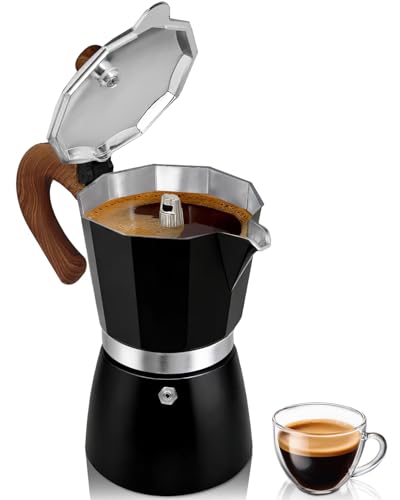 Belly Moka Coffee Maker Stovetop Espresso Maker 9 Cup Aluminum Moka Pot Percolator 15oz 450ml Easy Brewing for Electric Ceramic Stoves Home Camping Italian Cuban Café Classic Black
 Belly Moka Coffee Maker Stovetop Espresso Maker 6 Cup Aluminum Moka Pot Percolator 10oz 300ml Easy Brewing for Electric Ceramic Stoves Home Camping Italian Cuban Café Classic Silver
 HomeBeyond Espresso Coffee Maker 12 Cups, Classic Stovetop Espresso Maker, 600ml / 20oz Coffeemaker for Gas & Ceramic Stovetops (Silver)