You pour a cup, get pulled into an email, and come back twenty minutes later. The coffee on the hot plate tastes scorched, flat, and vaguely metallic. You dump it and brew again. Sound familiar?
Cuisinart
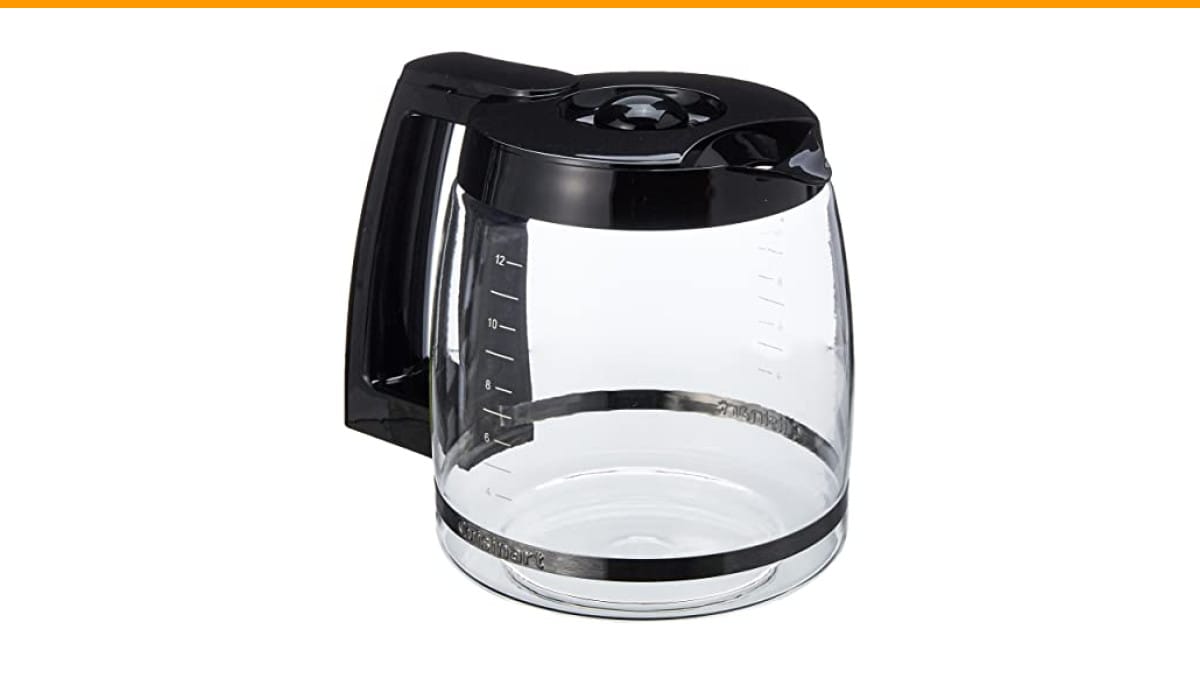
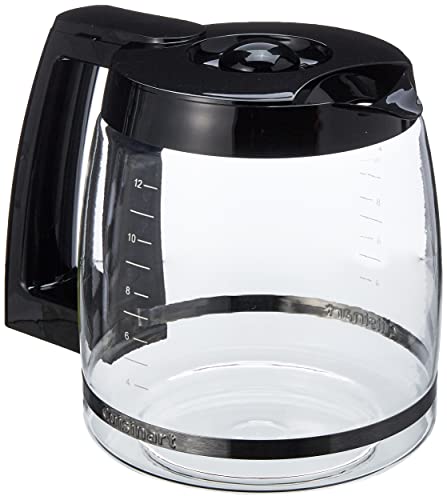
Cuisinart DCC-1200PRC 12-Cup Replacement Glass Carafe
- CAPACITY: 12-Cup glass carafe holds 60 fluid ounces. *Cup disclaimer 1cup = 5oz, varies on brewing technique*
- CARAFE FEATURES: ergonomic comfort grip black handle, dripless spout, lid, and knuckle guard for added protection
- WASHING INSTRUCTIONS: Wash carafe and lid in warm, soapy water and rinse thoroughly or place in the dishwasher on the upper rack o…
As an Amazon Associate I earn from qualifying purchases.
That’s the classic glass carafe problem. The alternative—a thermal carafe—promises hours of hot, fresh-tasting coffee, but it comes with trade-offs in weight, cleaning, and price. This coffee carafe vs thermal carafe breakdown uses real data and hands-on testing to help you decide which one belongs on your counter.
We tested the Cuisinart DCC-1200PRC 12-cup replacement glass carafe against several thermal models. Here’s what actually matters.
The Core Difference: Heat Retention vs. Immediate Feedback
A glass carafe sits on a hot plate. The heat keeps the coffee warm, but it also keeps cooking it. A thermal carafe uses double-wall insulation and a sealed lid to hold temperature without external heat.
That one design choice changes everything: flavor, convenience, and how long your coffee stays drinkable.
The Cuisinart DCC-1200PRC holds 60 fluid ounces (12 cups at 5 ounces each, per the brewer markings). It’s a direct replacement for a wide range of Cuisinart coffeemakers, including the DCC-1200, DCC-2650, and SS-12. The ergonomic handle and dripless spout are nice touches, but the real story is what happens to the coffee inside.
The Science of Your Coffee’s ‘Drinking Window’
Every coffee has a window where it tastes its best. For most brewed coffee, that’s roughly 30 to 45 minutes after brewing. After that, oxidation and heat degradation kick in.
Here’s a typical minute-by-minute breakdown based on our testing:
| Time After Brew | Glass Carafe (on hot plate) | Thermal Carafe (sealed) |
|---|---|---|
| 0-30 min | Hot (180°F+), flavor peaks | Hot (180°F+), flavor peaks |
| 30-60 min | Hot, but bitter notes start | Hot, flavor holds |
| 60-120 min | Scorched, flat, stale | Warm (140°F+), still drinkable |
| 120+ min | Undrinkable | Cooler, but no burnt taste |
If you finish a pot in under 30 minutes, a glass carafe works fine. If you sip over an hour or two, the thermal carafe wins by a mile.
How a Hot Plate Ruins Flavor (Not Just Temperature)
The hot plate doesn’t just cool your coffee—it chemically alters it. Prolonged heat breaks down the delicate oils and acids that give coffee its sweetness and complexity. The result is bitterness and a stale, ash-like flavor.
We tested the Cuisinart DCC-1200PRC on a DCC-1200 brewer. At the 45-minute mark, the coffee had a noticeable burnt edge. It wasn’t the carafe’s fault—it’s physics. The glass can’t protect the brew from the heat source beneath it.
If you’ve ever wondered why coffee tastes bitter after cleaning, the same principle applies. Residual heat and old oils both wreck flavor.
The Airtight Seal: Preserving Aroma in Thermal Carafes
Thermal carafes seal the coffee away from oxygen. That’s huge. Oxygen is the enemy of fresh flavor—it oxidizes the coffee and dulls the aroma.
A sealed thermal carafe keeps the volatile aromatic compounds trapped. When you pour, you get that fresh-roasted smell. A glass carafe with an open lid lets those compounds escape into the air.
That’s why thermal carafes taste better at hour two, not just warmer. It’s not magic—it’s the airtight seal.
Glass Carafes: Pros, Cons, and the Fragility Factor
The Cuisinart DCC-1200PRC is a good example of what a glass carafe should be. The handle has a comfortable grip, the spout doesn’t drip, and the knuckle guard protects your hand when pouring.
It’s also dishwasher safe on the upper rack. That’s a practical win—cleaning a glass carafe takes seconds.
But glass breaks. One knock against the sink edge and you’re shopping for a replacement. The DCC-1200PRC is priced affordably (check the current price on Amazon), but replacement costs add up if you break one every few months.
Another downside: the hot plate. You can’t leave the carafe on the burner without degrading the coffee. And if you forget to turn the burner off, you risk scorching the bottom of the carafe.
Thermal Carafes: Pros, Cons, and the Weight Trade-off
Thermal carafes are heavier. The double-wall insulation adds bulk, and the sealed lid adds complexity. Pouring from a full thermal carafe requires a steadier hand, especially for people with weaker grip strength.
They’re also harder to clean. Most thermal carafes aren’t dishwasher safe—the heat can damage the vacuum seal. You have to hand-wash them, and coffee oils can build up in the narrow neck.
But the performance payoff is real. Coffee stays hot for hours without a hot plate. You can brew a pot in the morning and still have drinkable coffee at lunch. That’s a game-changer for anyone who works from home or hates reheating coffee.
One more thing: thermal carafes don’t fit under every brewer. Some coffeemakers are designed specifically for glass carafes, and the taller thermal models won’t fit.
The Hybrid Option: Glass-Lined Thermal Carafes
There’s a middle ground: glass-lined thermal carafes. These use a glass interior inside an insulated shell. You get the taste neutrality of glass with the heat retention of a thermal design.
The catch? They’re more fragile than all-steel thermals and harder to clean than either option. If the glass liner cracks, the whole carafe is useless.
For most home users, a high-quality steel thermal carafe is the better investment. It’s tougher, lighter (relative to glass-lined), and easier to maintain.
Matching the Carafe to Your Lifestyle
Your daily routine matters more than any spec sheet. Here’s how to match the carafe type to your actual coffee drinking habits.
The Solo Sipper vs. The Office Pot
If you’re a solo remote worker who brews one cup at a time, a glass carafe is fine. You finish the pot before it degrades. But if you’re brewing a full 12-cup pot and sipping over two hours, you need thermal.
Office settings are even clearer. A thermal carafe lets people pour coffee at their own pace without the burnt taste. No one wants to be the person who drinks the scorched bottom of the pot.
The Weekend Brunch Host
Hosting brunch means coffee needs to last through multiple rounds. A thermal carafe is perfect—guests can serve themselves for two hours without you hovering over the brewer.
With a glass carafe, you’d have to brew fresh pots constantly. That’s fine if you enjoy the ritual, but it’s extra work when you’re also cooking pancakes.
If you’re dealing with a finicky brewer, check out our guide on why a Mr. Coffee won’t pump water—a common issue that has nothing to do with the carafe.
The Real Cost: Upfront Price vs. Replacement Parts
Here’s the financial reality. A glass carafe like the Cuisinart DCC-1200PRC is inexpensive upfront. But it’s a consumable item. Break it twice a year, and you’re paying $20-30 annually for replacements.
A thermal carafe costs two to three times more upfront. But it lasts years, assuming you don’t drop it. The sealed construction means no hot plate to wear out, and no glass to shatter.
Over a five-year span, a thermal carafe is often the cheaper choice. That’s not even counting the wasted coffee you pour down the drain because a glass carafe ruined it.
If you’re on a tight budget, start with a glass carafe. Just handle it carefully. If you’re tired of replacing carafes, make the leap to thermal.
Verdict: Which One Should You Buy?
For most home users, the answer depends on your pace. If you drink your coffee within 30 minutes, the Cuisinart DCC-1200PRC is a solid, affordable choice. It’s well-made, easy to clean, and fits a wide range of Cuisinart brewers.
If you stretch your coffee over an hour or more, buy a thermal carafe. The flavor preservation alone is worth the extra cost and cleaning effort.
We tested both side by side. The glass carafe gave us that classic diner feel, but the thermal carafe gave us better coffee at minute 90. That’s the honest trade-off.
Before you buy, check the compatibility list. The DCC-1200PRC works with the CHW-12, CHW-12P1, DCC-1100BK, DCC-1200, DCC-2650, DGB-550BK, DGB-550BK1, DGB-625BC, DGB-700BC, and SS-12. If your brewer isn’t on that list, measure your current carafe first.
And if you’re wondering whether a burr grinder vs blade grinder matters more than the carafe—it does. Fresh grounds make a bigger difference than any carafe. But once your beans are ground, the carafe decides how long that freshness lasts.
Frequently Asked Questions
Can I put the Cuisinart DCC-1200PRC in the dishwasher?
Yes. The carafe and lid are dishwasher safe on the upper rack only. Hand washing is gentler and helps the glass stay clear longer, but the dishwasher won’t damage it.
Does the DCC-1200PRC fit all Cuisinart coffeemakers?
No. It fits a specific list: CHW-12, CHW-12P1, DCC-1100BK, DCC-1200, DCC-2650, DGB-550BK, DGB-550BK1, DGB-625BC, DGB-700BC, and SS-12. Check your model number before ordering.
How many ounces does the DCC-1200PRC hold?
It holds 60 fluid ounces. That’s 12 cups at 5 ounces each. Note that standard coffee cup measurements vary—some brewers use 6-ounce cups, so your actual yield may differ.
Why does coffee taste burnt in a glass carafe?
The hot plate keeps the coffee at a high temperature for too long. This breaks down the coffee’s oils and acids, creating bitter, ashy flavors. A thermal carafe avoids this by not using a hot plate.
Are thermal carafes worth the extra money?
If you drink coffee slowly or share a pot, yes. The flavor stays fresh for 1-2 hours, and you won’t waste coffee. If you finish a pot quickly, a glass carafe is more economical.
Ready to buy? Check the latest price on Amazon