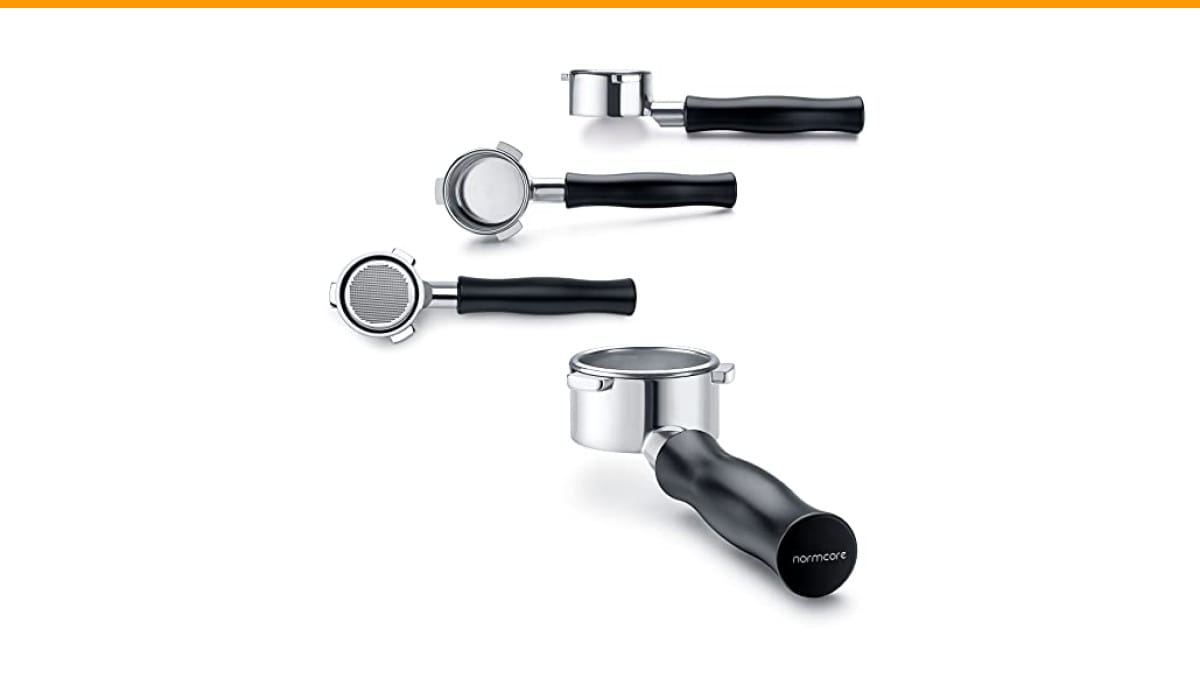
You just pulled three shots back-to-back, the counter is a mess, and the bottomless portafilter is sitting there with coffee oils baked into every crevice. Tossing it into the dishwasher feels like the obvious move. It’s metal, it’s sturdy, what could a hot water cycle actually hurt?
Plenty, as it turns out. The short answer is that most bottomless portafilters will physically survive a dishwasher cycle, but that doesn’t mean they should go in. The longer answer involves chrome plating, caustic detergents, and a metal called brass that reacts badly to high heat. This guide walks through the material science so you can judge your specific portafilter’s risk level, not just follow a blanket rule.
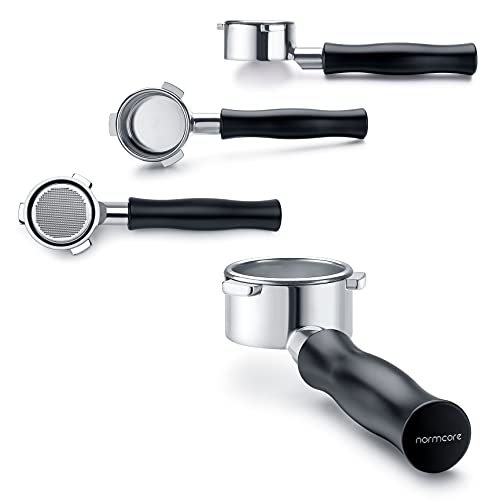
Normcore
Normcore 54mm Bottomless Portafilter, Naked Portafilter Fits…
- Normcore Bottomless Portafilter
- Precise Pouring – A bottomless portafilter is an important piece of equipment that aids in diagnosing espresso extraction issues.…
- Premium Made – All Anodized Aluminum handles have been manually lathed with expertise and unparalleled quality finish.
As an Amazon Associate I earn from qualifying purchases.
You’ll learn which parts are dishwasher-tolerant, which are not, what the detergent actually does to metal at a chemical level, and what to do if you’ve already made the mistake. By the end, you’ll know exactly how to clean your gear without shortening its life.
If you’re shopping for a new setup, the Check Price on Amazon is a solid choice for Breville Barista Express and Pro machines. It uses an anodized aluminum handle and a stainless steel basket, which puts it in the safer category for hand washing. The bottomless design also helps you spot channeling issues while you pull, which is a bonus for dialing in.
The Short Answer: Why ‘Dishwasher Safe’ Is a Marketing Myth
No portafilter manufacturer prints ‘dishwasher safe’ on the box. They print ‘hand wash recommended’ or they stay silent. That silence isn’t an accident. Dishwashers are hostile environments for anything that isn’t plain stainless steel or thick ceramic.
Here’s the reality: a single dishwasher cycle won’t destroy a decent portafilter. The damage is cumulative. Run it through once a week for a year, and you’ll notice the finish looking dull, the handle feeling rough, and the basket seating loose. The metal itself doesn’t melt, but the protective layers on it degrade.
The phrase ‘dishwasher safe’ gets thrown around for anything that doesn’t warp into a pretzel after one wash. That’s a low bar. For espresso gear, the standard should be much higher because the equipment has to maintain tight tolerances and food-safe surfaces.
So treat ‘dishwasher safe’ as a warning sign, not a green light. If a product claims it, the manufacturer probably tested it once and decided good enough.
Material Science: What Your Portafilter Is Actually Made Of
Before you can decide whether your portafilter belongs in the dishwasher, you need to know what it’s made of. Most bottomless portafilters fall into one of three material categories, and each reacts differently to a dishwasher cycle.
Aluminum and Brass: The Corrosion Problem
Cheaper portafilters often use aluminum for the body or the handle. Aluminum is light and cheap, but it’s also reactive. Dishwasher detergent contains lye (sodium hydroxide), which is highly alkaline. That alkalinity attacks aluminum’s natural oxide layer, causing pitting and a chalky white residue. Once that layer is gone, the aluminum corrodes faster with each subsequent wash.
Brass is the traditional material for premium portafilters because it holds heat well and feels solid. But brass is an alloy of copper and zinc. Zinc reacts poorly with alkaline cleaners, and the copper can leach out in small amounts. You’ll see this as a dull, grayish film or, in severe cases, greenish spots. Brass portafilters are usually chrome-plated for protection, which brings us to the next problem.
Chrome Plating: The Invisible Damage
Chrome plating is a thin layer, often only a few microns thick, that gives brass portafilters their shiny, mirror-like finish. That layer is what protects the brass underneath from coffee’s acidity and from your cleaning routine.
Dishwasher detergent is abrasive at a chemical level. Over time, it wears down the chrome plating, especially around the edges where the basket seats and where the lugs lock into the group head. Once the plating is compromised, the brass underneath starts corroding, and that corrosion can flake off into your espresso. You won’t see this happening until it’s already progressed.
High heat also stresses the plating. The expansion and contraction of the metal during a hot wash and dry cycle can cause micro-cracks in the chrome, which then trap coffee oils and detergent residue. Those trapped particles are nearly impossible to remove by hand, and they’ll affect the taste of your next shot.
Wood and Plastic Handles: The Obvious No-Go
Wooden handles are the clearest case. The hot water, steam, and detergent will strip the finish, dry out the wood, and cause it to crack. There’s no debate here. If your portafilter has a wooden handle, it never goes in the dishwasher, period.
Plastic handles are slightly more forgiving, but not by much. The heat can warp them, and the detergent can discolor or degrade the plastic over time. The anodized aluminum handle on the Normcore model avoids both problems, which is one reason it’s a practical upgrade for Breville owners.
The Basket vs. The Body: A Crucial Distinction
Here’s the nuance most advice skips: the filter basket and the portafilter body are not the same piece of equipment, and they don’t have the same tolerance for a dishwasher.
Why the Filter Basket Is More Tolerant
Your stainless steel filter basket is the one part that can handle a dishwasher cycle without much drama. Stainless steel is far more resistant to alkaline cleaners and heat than aluminum or brass. The main risks are the retaining spring and the risk of denting if it bangs around.
If you’re going to put anything in the dishwasher, the basket alone is the safest candidate. But even then, you’re better off hand washing it. The holes in a precision basket are tiny, and detergent residue can clog them over time, affecting your extraction flow. A quick rinse under hot water with a soft brush does the job in 30 seconds.
The Retaining Spring: A Hidden Hazard
The retaining spring, that little wire clip that holds the basket in place, is a weak point. It’s usually made of spring steel, which is prone to rust if exposed to moisture and detergent repeatedly. A rusted spring can snap, leaving your basket loose and your portafilter unusable until you source a replacement.
If you do run the basket through the dishwasher, remove the spring first. Better yet, hand wash the spring separately and dry it immediately. It’s a small part, but it’s the one most likely to fail after a dishwasher mishap.
The Chemical Reaction: Why Detergent Is Worse Than Heat
People assume the heat is what damages portafilters. It’s not. The detergent is the real culprit.
Dishwasher detergents are formulated with enzymes and alkalis like sodium carbonate and sodium hydroxide. These are excellent at breaking down food proteins and grease. They’re also excellent at breaking down the protective oxide layers on aluminum and the plating on brass.
The chemical reaction is straightforward: the alkaline solution dissolves the metal’s protective surface. On aluminum, this creates hydrogen gas and leaves behind a rough, pitted surface. On brass, it attacks the zinc component, leaving a porous, discolored layer. Neither reaction is reversible.
Detergent residue is another issue. Dishwashers don’t always rinse completely, especially in hard water areas. That residue can linger on your portafilter and end up in your next shot. You’ll taste it as a soapy, bitter note that masks the coffee’s actual flavor. Hand washing with a mild dish soap and hot water avoids this entirely because you control the rinse.
The 3-Step Hand-Washing Method (The Only Safe Way)
Hand washing a bottomless portafilter takes less than a minute. Here’s the routine I use and recommend.
- Rinse immediately after use. Run hot water through the basket and over the body to flush out loose coffee grounds. Do this while the portafilter is still warm, but not hot enough to burn you.
- Scrub with a soft brush. Use a nylon brush or a dedicated portafilter brush with a drop of mild dish soap. Focus on the basket holes, the inner walls, and the lugs where coffee oils accumulate. Avoid abrasive pads or steel wool, which scratch the surface and create hiding spots for residue.
- Dry thoroughly. Shake off excess water, then dry the portafilter with a clean towel. Pay attention to the spring and the area where the basket seats. Leaving it wet invites corrosion, especially in humid climates.
That’s it. No soaking, no harsh chemicals, no dishwasher. For a deeper clean once a month, you can soak the basket in a solution of espresso machine cleaner (like Cafiza) and hot water for 10 minutes, then rinse and dry. The portafilter body itself rarely needs that level of treatment unless you’ve neglected it for weeks.
Emergency Protocol: What to Do If You Accidentally Ran It
So you already ran it through the dishwasher. Don’t panic. Here’s what to check and what to do.
First, inspect the finish. Look for dull spots, white residue, or discoloration. If the surface looks chalky or rough, the protective layer is damaged. You can’t reverse that, but you can slow further degradation by hand washing from now on.
Second, check the basket fit. The heat can warp the basket slightly, which affects how it seats in the portafilter body. If it wobbles or doesn’t lock in firmly, you may need a new basket. The portafilter body itself is less likely to warp, but check the lugs for any deformation.
Third, re-season the metal. If your portafilter is brass or uncoated aluminum, a light coat of food-safe mineral oil can help restore some moisture and protect the surface. Apply a tiny drop to a cloth, wipe it over the metal, then buff it off. This won’t fix pitting, but it helps prevent future corrosion.
Finally, taste your next shot. If you detect soap or chemical flavors, the detergent residue has embedded in the metal. Run a few blank shots (water only) through the portafilter to flush it out. If the taste persists after three or four flushes, the residue is likely permanent, and you should consider replacing the portafilter.
Manufacturer Warranty: How to Check Before You Risk It
Most espresso machine manufacturers explicitly exclude dishwasher damage from their warranties. That includes the portafilter, even if it’s sold separately.
Breville’s warranty language, for example, covers defects in materials and workmanship, not damage from improper cleaning. Rancilio and Gaggia have similar terms. If you run your portafilter through the dishwasher and it corrodes, you won’t get a replacement.
Before you test your luck, check the manual or the manufacturer’s website for the specific cleaning instructions. Search for the phrase ‘cleaning’ or ‘maintenance’ in the warranty section. If it says ‘hand wash only,’ that’s your answer. If it doesn’t mention cleaning at all, assume the worst and hand wash anyway.
The Normcore portafilter, for what it’s worth, is designed with easy cleaning in mind. The anodized aluminum handle resists corrosion, and the stainless steel basket is durable. But even that combo doesn’t belong in a dishwasher.
FAQ: Quick Answers on Portafilter Cleaning
Can I put a stainless steel bottomless portafilter in the dishwasher?
Stainless steel is the most dishwasher-tolerant material, but the portafilter body usually isn’t pure stainless steel. It’s often brass or aluminum with a coating. Check the product specs. If the entire body is stainless steel, a dishwasher cycle is less risky, but still not ideal. The retaining spring and the basket’s precision holes are the weak points.
Does dishwasher detergent really damage portafilters?
Yes. The alkaline compounds in dishwasher detergent attack the protective oxide layer on aluminum and the plating on brass. This causes pitting, discoloration, and eventual corrosion. The damage is gradual, so it’s easy to miss until it’s too late.
How do I clean a bottomless portafilter without a dishwasher?
Rinse it under hot water immediately after use, scrub with a soft brush and mild dish soap, then dry it thoroughly. For a monthly deep clean, soak the basket in a solution of espresso machine cleaner and hot water for 10 minutes, then rinse and dry.
Will the dishwasher void my portafilter’s warranty?
Most manufacturers consider dishwasher damage to be misuse, which voids the warranty. Check the warranty terms for cleaning instructions. If it says ‘hand wash only,’ running it through the dishwasher is at your own risk.
What’s the best way to remove coffee oils from a portafilter?
Use a dedicated espresso machine cleaner like Cafiza. Dissolve a small amount in hot water, soak the basket for 10-15 minutes, then scrub with a brush and rinse thoroughly. The portafilter body can be wiped down with the same solution, but avoid soaking it for long periods.
The Verdict: Protect Your Investment
Here’s the bottom line on whether a bottomless portafilter can go in the dishwasher.
- Technically, most will survive a cycle or two. Practically, it’s a slow-motion death sentence for the finish and the metal.
- The basket is the only part you might get away with, and even then, you’re risking the retaining spring and clogged holes.
- Aluminum and brass portafilters are the most vulnerable. Stainless steel is safer, but not immune.
- Dishwasher detergent is the real enemy, not the heat. The lye and alkalis corrode metal surfaces.
- Hand washing takes 60 seconds and avoids all of these problems. There’s no good reason to risk a $100+ piece of gear for the sake of convenience.
- If you already ran it through, inspect for damage, flush out residue, and switch to hand washing immediately.
- Check your warranty before assuming damage is covered. It probably isn’t.
Your portafilter is the workhorse of your espresso setup. Treat it with a little respect, and it’ll last for years. Treat it like a dinner plate, and you’ll be shopping for a replacement sooner than you’d like.
For more kitchen gear care tips, check out our guide on storing pots safely and learn why coffee grounds shouldn’t go down the sink. Both are common mistakes that cost people money.
Products related to this article
Sponsored / affiliate links. As an Amazon Associate I earn from qualifying purchases. I may earn additional commission from eligible campaigns.
 Coffee Espresso Machine Handle Replacement Parts, Cafe Bracket Handle for Lidl Silvercrest CM4621 CM4218 KF5002 KF500S Barista (for 51mm Portafilter Basket - Not included)
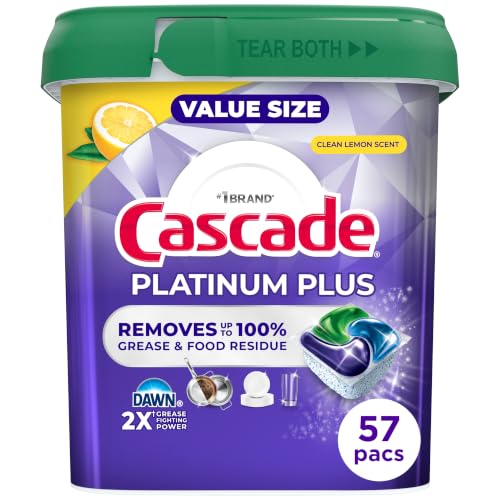 Cascade Platinum Plus Dishwasher Detergent Pods Dish Soap Lemon 57 Count
 7-Piece Wood Fiber Cooking Utensil Set, Dishwasher Safe & Maintenance Free