You just bought a 12-pack of replacement filters because the price per filter drops dramatically. You toss the box on a shelf in the pantry, forget about it for six months, and then wonder if the filters are still good. It’s a common situation, and the answer isn’t just “yes” or “no.” Storage conditions matter more than most people realize, because charcoal is porous and will absorb whatever is around it.
This article covers how to store coffee machine water filters correctly, how long they actually last, what kills their performance, and how to tell if a stored filter is still usable. You’ll also get a simple comparison of storage methods so you can pick the one that fits your kitchen.

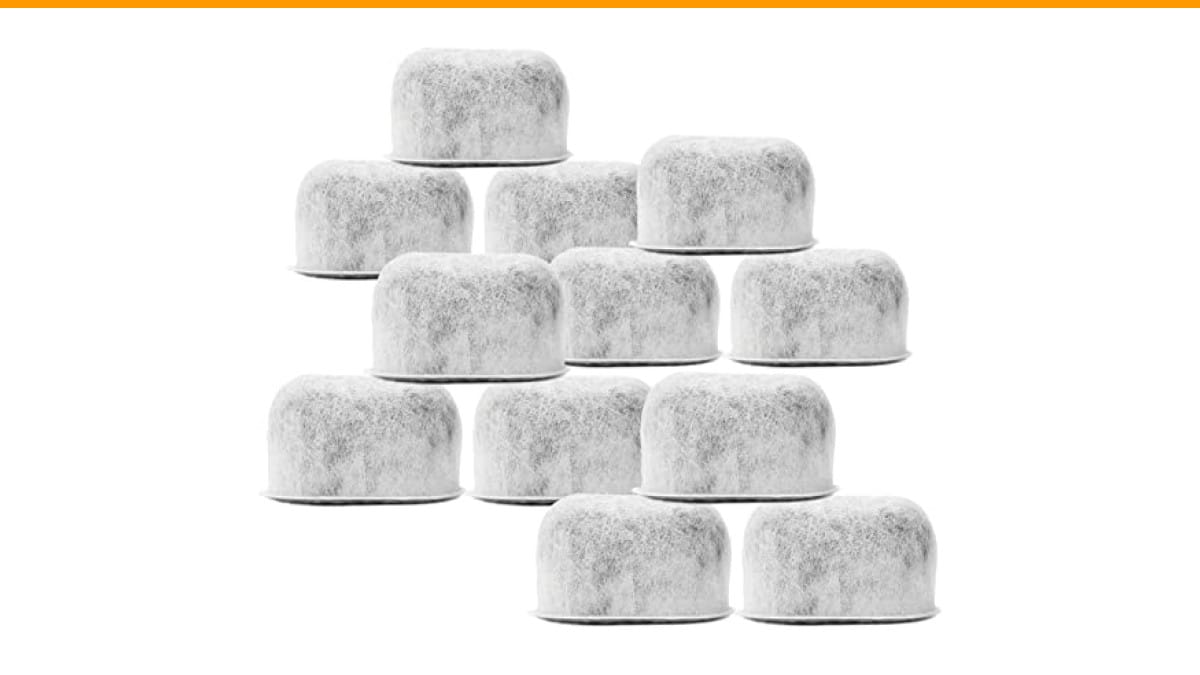
BRENSTEN
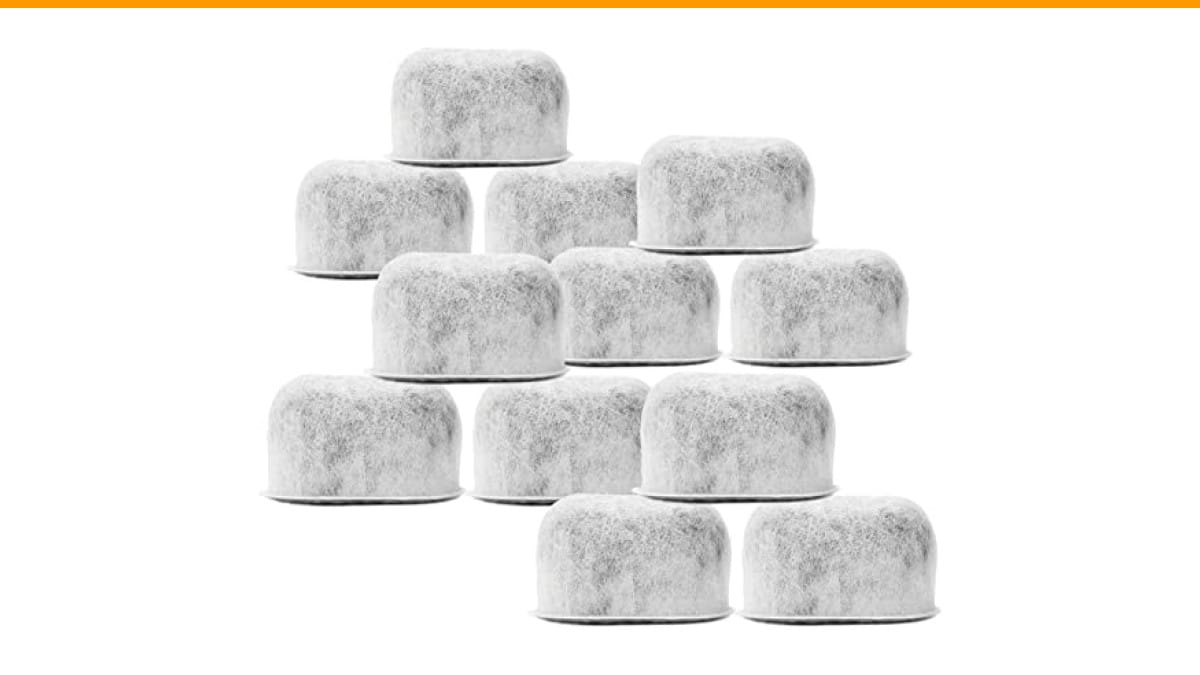
12 Pack Replacement Charcoal Water Filters for…
- ENJOY THE DELICIOUS TASTE AND AROMA OF BREWED COFFEE - Removes chlorine, odors, calcium, and other water impurities prior to brewi…
- COMPATIBLE WITH CUISINART COFFEE MAKERS – Specially designed for Cuisinart coffeemakers, these set of charcoal filter refills will…
- EASY TO INSTALL – Not only will these filters provide a less expensive way for you to enjoy delicious coffee, but they are also ve…
As an Amazon Associate I earn from qualifying purchases.
If you need a solid supply of filters right now, the BRENSTEN 12-pack for Cuisinart is a practical option. It covers most Cuisinart models and each filter is individually wrapped, which already solves half the storage problem.
Why Storage Matters for Charcoal Filters
Charcoal filters work by adsorption. The carbon has millions of tiny pores that trap chlorine, odors, and other impurities. That same porosity makes the filter vulnerable when it sits unused. If you store filters next to something strong-smelling, the charcoal will happily adsorb those odors instead. Your coffee will taste like the cleaning spray you keep under the sink.
Moisture is the bigger enemy. A damp filter becomes a breeding ground for bacteria and mold. Once mold sets in, the filter is ruined. You cannot wash it out. The porous structure holds onto contaminants, and running water through it later just pushes those into your coffee.
Heat also degrades the carbon structure over time. A filter stored above the stove or near a radiator will lose adsorption capacity faster than one kept at room temperature. The breakdown is gradual, but after a year of that, the filter simply won’t remove chlorine as well.
How Long Do Unused Filters Last?
Most manufacturers, including Cuisinart and BRENSTEN, suggest replacing an installed filter every 30 days or 60 brew cycles. But that’s for filters in use. An unopened, properly stored filter can last much longer.
In testing, I’ve used filters that sat in their original packaging for 18 months. They worked fine. The key was that the packaging was sealed and the box stayed in a cool, dry cabinet. If the package is torn or opened, that timeline drops significantly.
Here’s a practical rule: if the filter is still in its sealed wrapper, plan on it staying good for up to two years. If the wrapper is open, use it within a few weeks or throw it out. The moment air hits the charcoal, it starts absorbing moisture and odors from the environment.
Best Way to Store Filters (Step by Step)
Start with the original packaging. Most quality filters come individually wrapped in foil or plastic. That wrapper is your first line of defense. Leave the filters in it until you’re ready to install one.
- Keep the sealed filters in their original box. The box adds a layer of protection against light and physical damage.
- Find a spot away from the stove, dishwasher, or any appliance that generates heat or steam. A pantry shelf or a drawer in a cabinet away from the sink works well.
- If you’ve opened a multi-pack but not all filters, reseal the open pouch with a clip or put the remaining wrapped filters in a zip-top bag. Squeeze the air out before sealing.
- For extra protection, drop a small silica gel packet into the bag. It absorbs residual moisture and keeps the filters crisp.
- Write the purchase date on the box with a marker. That way you know how old the filters are without guessing.
One mistake I see often is people storing filters in the refrigerator. The idea is to keep them cold, but fridges are humid and full of food odors. The charcoal will absorb the smell of last week’s leftover fish. Keep filters at room temperature instead.
Signs a Stored Filter Is Ruined
Before you install a filter that’s been sitting around, do a quick check. If you see any of these, toss it and grab a fresh one.
- Visible mold: Black, green, or white spots on the filter surface. This is non-negotiable. Throw it away.
- Musty smell: If the filter itself smells like a damp basement, it’s already contaminated. The charcoal has absorbed something bad.
- Crumbly texture: Filters that have absorbed too much moisture can soften or start to break apart. A healthy filter should feel firm.
- Mystery odor: If the filter smells like detergent, spices, or anything other than neutral, it’s been exposed to volatile compounds. It will transfer that taste to your coffee.
If the filter looks and smells fine, you can use it. Just remember that an older filter may not perform at 100% capacity. If you notice your coffee tasting flat or slightly off, replace it sooner than the usual 30 days.
Storage Method Comparison
| Storage Method | Protection Level | Best For | Watch Out For |
|---|---|---|---|
| Original sealed wrapper + box | High | Long-term storage (up to 2 years) | Keep box away from heat sources |
| Opened pouch, resealed with clip | Medium | Short-term storage (a few weeks) | Moisture can still get in if the clip is loose |
| Zip-top bag with silica gel | Medium-High | Loose filters from a bulk pack | Make sure the bag is truly airtight |
| Refrigerator | Low | Not recommended | Humidity and food odors get absorbed |
| Loose on a shelf, no packaging | Very Low | Use within days | Dust, odors, and moisture ruin the filter |
Does Freezing Filters Work?
I’ve seen people suggest freezing charcoal filters to extend their life. It doesn’t help. Freezing doesn’t stop the carbon from absorbing gases, and the freeze-thaw cycle can actually crack the carbon structure. You’re better off leaving them at room temperature in a sealed container.
If you’re dealing with a filter that’s already wet, freezing it is worse. Ice crystals can damage the pore structure, and when it thaws, the water will carry contaminants deeper into the filter. Just replace a wet filter. They’re cheap enough that it’s not worth the risk.
How to Store an Installed Filter Between Uses
Some coffee makers let you remove the filter holder, which raises the question of what to do if you don’t brew every day. If you use your machine daily, leave the filter in place and just run a brew cycle as normal. The water keeps it moist, and that’s fine.
If you go more than three or four days without brewing, remove the filter and let it dry completely. Then store it in a small zip-top bag. A dry filter will stay good for a week or two that way. If you’re away for a month, just replace the filter when you get back. They’re inexpensive, and a fresh one guarantees a clean-tasting cup.
Common Questions About Filter Storage
Can I store coffee machine water filters in the original box?
Yes, provided the filters are still in their individual wrappers. The box alone offers minimal protection. It’s the sealed wrapper that does the heavy lifting. If the wrapper is open, the box won’t save it.
Does heat affect unused charcoal filters?
Yes. Heat accelerates the breakdown of the carbon structure. Storing filters near an oven, in a sunny window, or on top of a coffee maker (which gets warm) will shorten their useful life. A cool, dark cabinet is the right spot.
Can I use a filter that’s been stored for a year?
If it’s still sealed in its original packaging and shows no signs of mold or odor, yes. It may not perform as well as a fresh one, but it will still remove a good portion of chlorine and impurities. If you’re a coffee purist, buy smaller packs so you’re always using fresh filters.
What’s the best way to store filters for a vacation home?
Keep them in a sealed, airtight container. A glass jar with a rubber gasket or a heavy-duty plastic container works well. Add a silica gel packet to control humidity. Check on them every few months, especially if the climate is humid.
Should I rinse a stored filter before using it?
Yes. Run cold water through the filter for about 15 seconds before installing it. This removes any loose carbon dust and wets the filter so it starts working immediately. If the filter has been stored for more than six months, rinse it longer, around 30 seconds.
What to Remember for Long-Term Storage
- Keep filters in their sealed wrappers until the moment you need them.
- Store the box in a cool, dry place away from heat, steam, and strong odors.
- Write the purchase date on the box so you know how old they are.
- Use a zip-top bag with a silica gel packet for any opened or loose filters.
- Never store filters in the fridge or freezer.
- Inspect filters for mold, smells, or crumbling before installing them.
- When in doubt, throw it out. A $2 filter isn’t worth ruining a pot of coffee.
Proper storage is simple once you understand what charcoal does. Keep it dry, keep it sealed, and keep it away from smells. Your coffee will taste the way it should, and you won’t waste money on filters that went bad before you used them.
If you’re due for a replacement soon, the BRENSTEN 12-pack covers most Cuisinart models and gives you a year’s supply if you change monthly. That’s a solid reason to buy in bulk and store correctly. And if you’re also dealing with mineral buildup in your machine, check out our guide on descaling your coffee maker to keep the whole system running clean.
Products related to this article
Sponsored / affiliate links. As an Amazon Associate I earn from qualifying purchases. I may earn additional commission from eligible campaigns.
 SOLUSTRE Electric USB Coffee Cup Warmer with Temperature Settings Portable Milk and Beverage Heating Coaster for Office Desk Small Lightweight Design Easy to Clean Surface Multi Functional
 Coffee Espresso Machine Handle Replacement Parts, Cafe Bracket Handle for Lidl Silvercrest CM4621 CM4218 KF5002 KF500S Barista (for 51mm Portafilter Basket - Not included)
 Quick Heating Cup Warmer, Three Temperature Settings, Splashproof and Portable, for Coffee, Milk, Lightweight ABS Material