The Short Answer: How Long Does a Tamper Last?
Most espresso tampers last between 5 and 10 years with regular home use. A commercial setting cuts that down to 1 to 3 years, depending on how many shots you pull per day. The real answer isn’t a date on the calendar—it’s about how the tamper wears and whether it still creates a level, consistent coffee puck.
I’ve been using the same stainless steel tamper at home for six years. It still feels solid, but I’ve replaced cheaper aluminum ones in under two years. The difference comes down to materials, care, and how often you drop things on tile floors.
Think of a tamper as a hand tool, not a machine. A good wrench doesn’t expire; it wears out when abused. Same logic applies here. You’ll know it’s time to replace when it stops doing its job cleanly—more on that below.
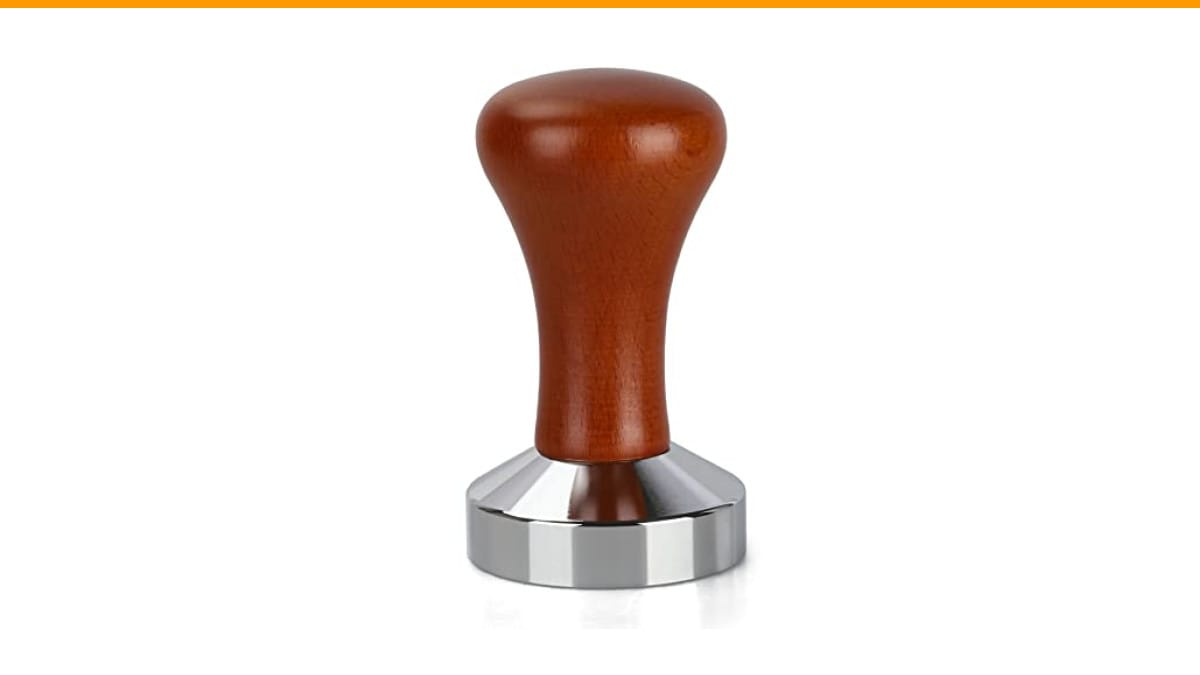
If you’re shopping for a first tamper or a replacement, a solid option is the Check Price on Amazon with a solid wood handle. It’s built to last, and the stainless steel base resists corrosion far better than cheaper metals.
Material Matters: Base and Handle Lifespan
Stainless Steel Bases
Stainless steel is the gold standard for tamper bases. It resists rust, stays flat under pressure, and doesn’t react with coffee oils. A 304-grade stainless base will outlive your espresso machine in most cases. The only real threat is dropping it on a hard floor, which can dent the edge or warp the flat surface—more on that in the testing section.
Aluminum Bases
Aluminum is lighter and cheaper, but it’s soft. Over time, the edges get burrs and the surface develops micro-scratches that hold coffee residue. In a home setting, an aluminum tamper might last 3 to 4 years before you notice uneven tamping. In a café, it’s a yearly replacement.
Wood vs. Plastic Handles
Wood handles—like the one on the WYLOSUA tamper—last for years if you keep them dry. The wood can crack if you leave it in a wet sink or run it through the dishwasher. Plastic handles are nearly indestructible but feel cheap and can crack at the base if you apply too much force. Both are fine; wood just feels better in the hand.
The Calibration Question
Calibrated tampers (the ones with a spring mechanism) have a shorter lifespan because the internal spring loses tension over time. After about 10,000 presses, the spring can weaken by 10-15%, which affects your tamping pressure. If you use a calibrated tamper, test it every six months with a scale or replace it after two years of daily use.
For a non-calibrated tamper, there’s no spring to wear out. The base and handle are the only parts that degrade.
Home vs. Commercial: Usage Frequency Impact
Usage frequency is the biggest factor in tamper lifespan. A home user pulls 2-4 shots a day, maybe 1,000 presses a year. A commercial barista does that in a week. The math is simple: more presses equal more wear.
Here’s a rough breakdown of what you can expect:
| Usage Scenario | Presses per Day | Expected Lifespan | Main Concern |
|---|---|---|---|
| Home (occasional) | 1-2 | 10+ years | Handle cracking |
| Home (daily) | 3-4 | 5-8 years | Base scratches |
| Small office / light commercial | 10-20 | 2-4 years | Base wear, handle loosening |
| Busy café | 50+ | 1-2 years | Dropping, edge burrs |
These numbers assume you’re not abusing the tamper. If you’re the type to knock the tamper against the counter to dislodge coffee (we’ve all done it), cut those estimates in half. That habit chips the base and loosens the handle.
For home users, a quality tamper is a buy-it-once purchase. For café owners, it’s a consumable. Budget for replacement every 12-18 months if you’re pulling 50+ shots a day.
5 Clear Signs Your Tamper Needs Replacing
Visual Wear and Tear
Look at the base under bright light. Scratches are normal and harmless. Burrs—raised edges of metal—are not. They catch on the basket and create an uneven tamp. Run your finger along the edge; if it snags, it’s time to replace or refinish.
Loss of Calibration
For calibrated tampers, test the pressure. Press it on a kitchen scale and see if it hits the advertised weight (usually 15-30 lbs). If it’s off by more than 10%, the spring is shot. A non-calibrated tamper doesn’t have this problem, but you should still check for flatness.
Handle Loose or Cracked
A wobbly handle is a safety hazard. You can’t apply even pressure if the handle moves independently of the base. Wood handles can crack from moisture; plastic ones crack from stress. If the handle is loose, try tightening the screw (if it has one). If it’s cracked, replace the tamper—gluing it is a temporary fix that will fail mid-tamp.
Corrosion or Oxidation
Stainless steel shouldn’t rust, but cheaper grades (like 201) can develop pitting. Aluminum oxidizes into a dull, gray film. If you see rust or pitting on the base, it’s time to replace. The corrosion will transfer to your coffee puck and affect extraction.
Dents or Warping
Drop a tamper on a tile floor and you might dent the base. A dent means the surface is no longer flat. Even a 0.5mm deviation will cause channeling—water finds the path of least resistance through the puck, leading to sour or bitter shots. Test flatness with the method below.
How to Extend Your Tamper’s Lifespan (Maintenance)
You don’t need to baby your tamper, but a few habits will double its life.
- Rinse and dry after each use. Coffee oils are acidic and can corrode metal over time. Rinse the base under hot water, then wipe it dry with a cloth. Don’t soak it.
- Oil the wood handle monthly. A food-safe mineral oil (or even a drop of olive oil) keeps wood from drying out and cracking. Rub it in, let it sit for 10 minutes, then wipe off the excess.
- Store it upright in a dry place. Don’t leave it in the sink or on a damp counter. A drawer or a dedicated tamper station works best.
- Never put it in the dishwasher. The heat and detergent will strip the finish off the wood and can warp the base.
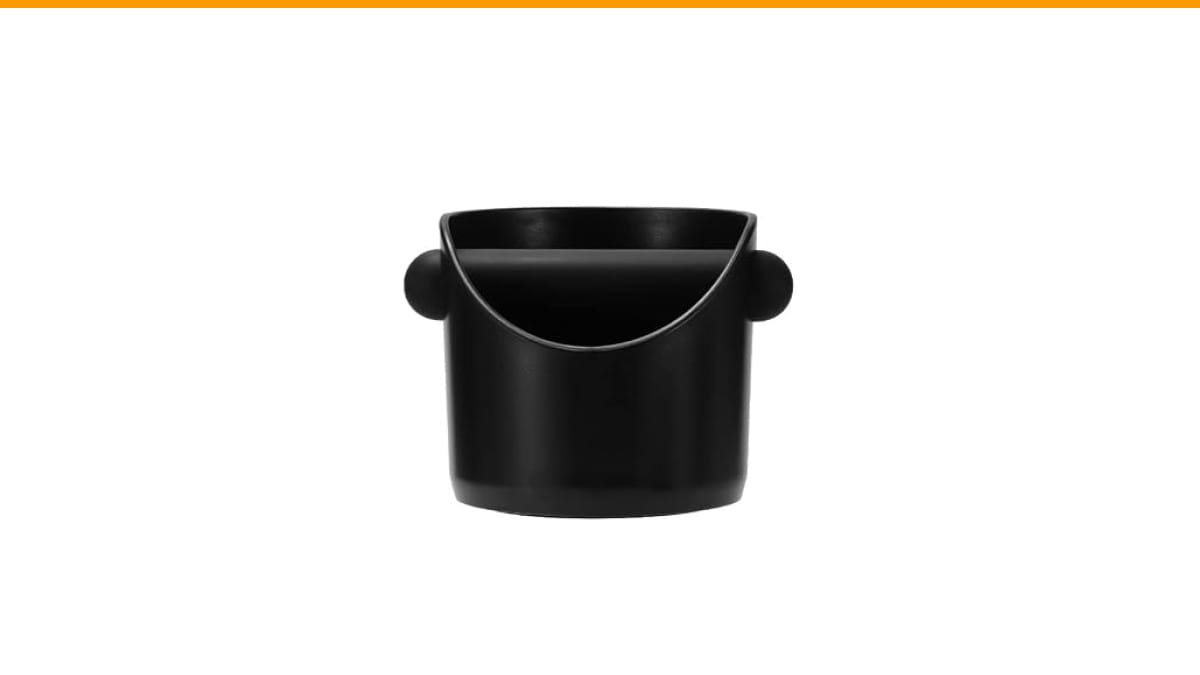
- Use a knock box. Instead of banging the tamper against the counter, tap the portafilter on a knock box to remove the puck. This saves the tamper from impact damage.
One more tip: if you drop your tamper, test it before using it again. A drop on concrete can bend the base even if you don’t see a dent. Use the flatness test below.
The Repair vs. Replace vs. Upgrade Decision
When your tamper shows wear, you have three options. Here’s how to decide.
Repair
Repair makes sense for minor issues. A loose handle can be tightened with a screwdriver or a drop of thread-locker. A scratched base can be polished with fine sandpaper (1000-grit) to remove burrs. These fixes cost nothing and take five minutes.
Don’t repair a warped base. You can’t true it up at home—you’d need a machine shop. And don’t bother repairing a corroded base; the damage is already done.
Replace
Replace when the base is warped, the handle is cracked, or the tamper is over 10 years old. A new tamper costs $20-$40 for a good stainless steel model. That’s less than a bag of specialty coffee. If you’re replacing, consider upgrading to a better material or a calibrated tamper if you struggle with consistent pressure.
Upgrade
Upgrade if you’ve been using a cheap plastic tamper and you’re serious about espresso. A quality stainless steel tamper with a comfortable handle will improve your puck prep immediately. The WYLOSUA tamper is a great step up—it’s 51mm, fits standard home portafilters, and the solid wood handle feels solid in your hand.
Here’s the cost-per-year math. A $20 tamper that lasts 2 years costs $10/year. A $50 tamper that lasts 8 years costs $6.25/year. The more expensive tamper is cheaper in the long run, assuming you don’t lose it or break it.
How to Test Your Tamper’s Flatness at Home
You don’t need fancy tools to check if your tamper base is still flat. Here’s a simple test.
- Clean the base thoroughly and dry it.
- Place a straight edge (a ruler or a credit card) across the base.
- Hold it up to a light source. If you see light between the straight edge and the base, it’s warped.
- Rotate the straight edge 90 degrees and test again.
- If you see a gap larger than a hair’s width, the tamper is no longer flat.
Another test: place the tamper on a flat countertop. If it rocks back and forth, it’s warped. A flat tamper sits perfectly still.
If your tamper fails these tests, replace it. A warped tamper ruins your puck prep, and no amount of technique can fix it. You’ll chase your tail with grind size and dose adjustments when the real problem is the tool.
Final Verdict: Don’t Overthink It
Your tamper is a simple tool. Treat it with basic respect, and it will last a decade. Here’s what to remember:
- Home users get 5-10 years from a quality stainless steel tamper; commercial users get 1-3 years.
- Stainless steel bases outlast aluminum and plastic by a wide margin.
- Wood handles need occasional oiling; plastic handles don’t, but they crack.
- Replace if the base is warped, dented, corroded, or has burrs that catch on the basket.
- Test flatness with a straight edge after any drop on a hard floor.
- Repair minor issues (loose handle, light scratches) instead of replacing.
- Spend a little more now to save money over the long term—a $50 tamper that lasts 8 years beats a $20 one that lasts 2.
If you’re due for a replacement, check out the WYLOSUA 51mm tamper on Amazon. It’s a solid, durable choice that won’t let you down.
And if you’re troubleshooting extraction issues, make sure your espresso doesn’t taste burnt—a worn tamper might be the culprit. Proper coffee machine maintenance also goes hand in hand with tamper care.
Products related to this article
Sponsored / affiliate links. As an Amazon Associate I earn from qualifying purchases. I may earn additional commission from eligible campaigns.
 Coffee Espresso Machine Handle Replacement Parts, Cafe Bracket Handle for Lidl Silvercrest CM4621 CM4218 KF5002 KF500S Barista (for 51mm Portafilter Basket - Not included)
 Long Handle Wooden Spoon For Mixing Coffee Tea Jam and Bath Salt In Kitchen, Environmentally Friendly Table Spoon, 8.6 Inches,4 Pieces…
 6 Pc 12"/14" Long Handle Olive Wood Utensil Set- by Orchard Hardwoods- Elegant Artisan Utensils for Non-Stick Cooking, Serving, Salads