You bought the combo unit to save counter space. The grinder sits on top of the brewer, so you get fresh beans and a hot cup in one footprint. Then the coffee starts tasting bitter, or the grind slows down, or a fine dust coats every surface near the machine. The problem isn’t the beans. It’s the lack of a dual cleaning routine.
Most owners clean the carafe and forget the grinder burrs. Or they wipe the outside and ignore the internal chute where coffee oils turn sticky. This article gives you a single, integrated schedule for both halves of the machine. You’ll learn the exact intervals, the tools that work, and the signs that your unit is already past due.

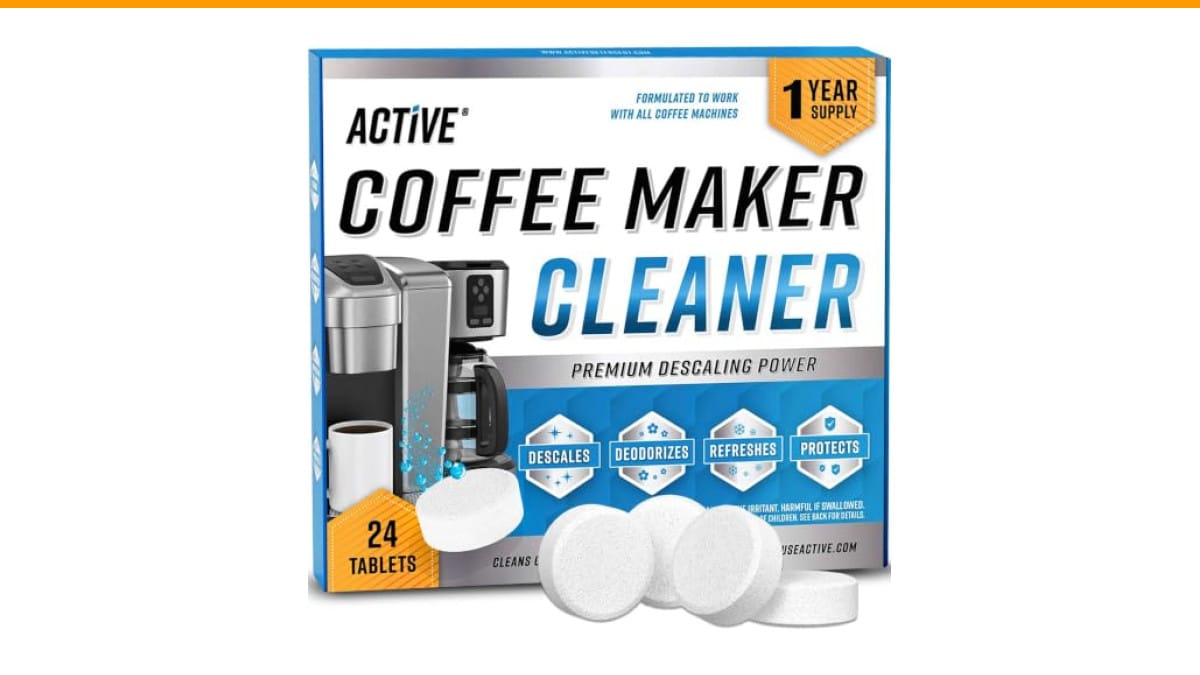
ACTIVE
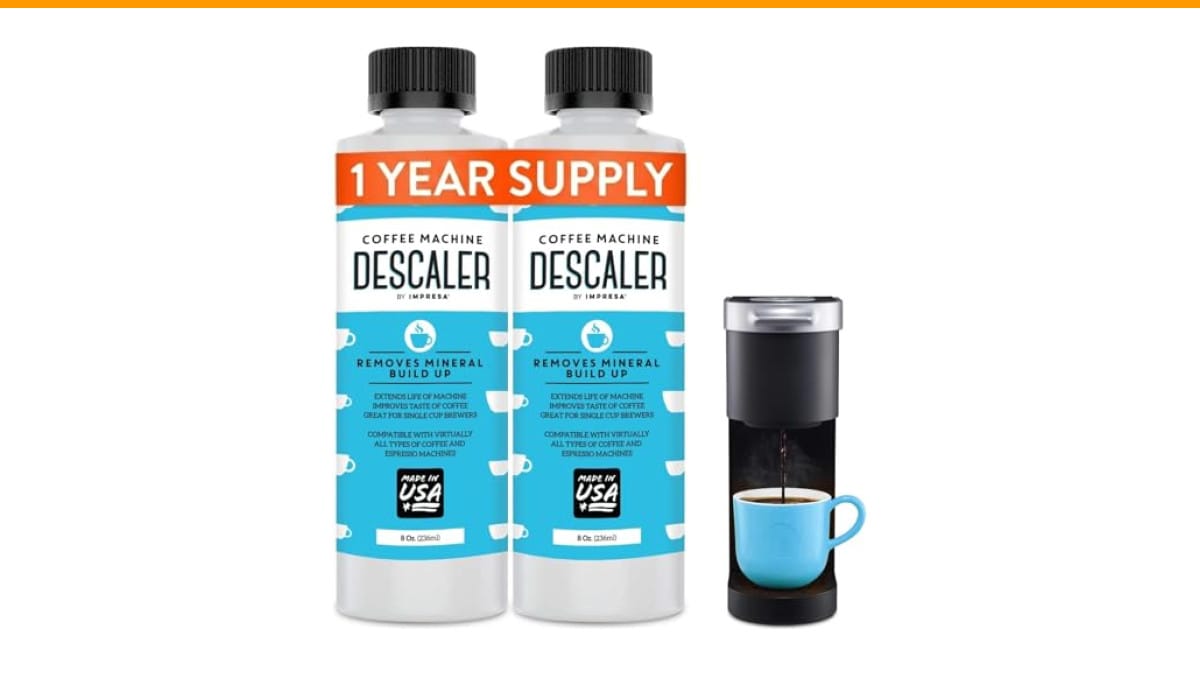
Coffee Machine Cleaner Descaler Tablets - 24…
- Bulk Coffeemaker Decalcifier Tablet: 24 Tablets Work out to a Year Supply or more. Compare to other products like powder, pods, sa…
- Wide Brewer Cleaner Compatibility: ACTIVE cleaners work with Single K Cup, Pod Style system and regular multi-cup machines. Compat…
- Descale and Deep Clean: ACTIVE Descales Hard Water Buildup, Calcium, Limescale, Grime, and Oil in your Machine with our concentrat…
As an Amazon Associate I earn from qualifying purchases.
We are talking specifically about combined machines — a burr grinder mounted on a drip coffee maker or espresso unit. The maintenance is different from a standalone grinder because the grinder feeds directly into the brew basket. That means stale grounds and oils can contaminate the brewing chamber, and moisture from brewing can creep back into the grinder chute.
For a thorough chemical clean, a set of cleaning tablets like these from ACTIVE handles both descaling the boiler and breaking down coffee oils in the brew path. The 24-count pack gives you a year of monthly treatments, which matches the schedule below.
Quick Answer: How Often to Clean Your Coffee Maker with Grinder
Clean the grinder burrs and hopper every week. Deep clean the entire machine, including descaling, every month. If you brew more than four cups a day, move the grinder cleaning to twice a week and the deep clean to every three weeks.
Daily tasks take under a minute. Weekly tasks take five minutes. Monthly deep cleaning takes about an hour, mostly waiting for the descaling solution to work.
That’s the short version. The rest of this article explains why these intervals matter and how to do each step without damaging the machine.
Why Your Combined Machine Needs a Dual Cleaning Routine
Two different problems build up in two different areas. The grinder accumulates coffee oils and bean fragments. The brewer accumulates hard water scale and old coffee residue. They need different cleaning agents and different tools.
Coffee beans are about 10% oil by weight. When you grind them, that oil coats the burrs, the grinding chamber, and the exit chute. Oxygen hits those oils and they oxidize — the same process that turns a cut apple brown. Oxidized coffee oils go rancid. Rancid oil tastes like cardboard and stale spice. It contaminates every fresh batch of grounds that passes through the chute.
Meanwhile, the brewer side heats water and runs it through the grounds. That water leaves behind calcium and magnesium from your tap. Scale builds up on the heating element, making it work harder and heat less efficiently. A thick layer of scale also restricts water flow, which means your brew time stretches out and the coffee over-extracts.
Here’s the part most people miss: moisture migrates. Steam from the brew cycle rises into the grinder chute. Wet grounds cling to the burrs and harden into a cement-like paste. That paste jams the auger, strains the motor, and eventually kills the grinder. A combined machine fails faster than a standalone unit because the two problems feed each other.
You can avoid all of this with a schedule that respects both halves.
The Cleaning Schedule: Grinder vs. Brewer
This schedule assumes average home use — two to four cups per day with medium-roast beans. Adjust the intervals if you brew darker roasts (more oil) or lighter roasts (less oil but more chaff).
Daily: Rinse and Purge
Empty the grounds bin or knock box. Run a small amount of fresh beans through the grinder and discard them. This purges the stale grounds left in the chute from yesterday. It takes ten seconds and costs you a teaspoon of beans.
Rinse the carafe and the brew basket with hot water. No soap on the brew basket if it’s aluminum — soap leaves a film that ruins the taste of the next pot. Just hot water and a quick wipe.
Leave the hopper lid off overnight if your kitchen is dry. This lets moisture escape instead of condensing on the beans.
Weekly: Brush and Wipe
Unplug the machine. Remove the hopper and the burr assembly if your model allows it. Use a stiff pastry brush or a dedicated grinder brush to sweep out the grind chamber, the chute, and the burrs.
Pay attention to the exit chute where grounds drop into the brew basket. This is where oils accumulate into a hard film. A wooden skewer or a pipe cleaner works well for this narrow passage.
Wipe the burrs with a dry microfiber cloth. Do not wash the burrs with water unless the manufacturer explicitly says it’s safe. Most burrs have a coating that water will degrade over time.
If you drink dark roasts or flavored beans, do this twice a week. The extra oil content demands it.
Monthly: Deep Clean and Descaling
This is the big one. You’ll clean the grinder thoroughly and descale the brewing system. Use a commercial descaler or the ACTIVE cleaning tablets — they dissolve both limescale and coffee residue, so one product covers both jobs.
For the grinder: remove all removable parts and brush them clean. Wipe the burrs with a dry cloth. Some people use grinder cleaning tablets (like Urnex Grindz) that you run through the grinder like beans. These absorb oils and then get discarded. They work well, but they don’t replace brushing — you still need to physically dislodge the caked-on residue.
For the brewer: fill the reservoir with water and add the descaling tablet. Run a full brew cycle without coffee. Let the solution sit in the boiler for 15 minutes halfway through. Then run two more cycles with clean water to rinse thoroughly.
This monthly routine prevents scale from building up to the point where it affects brew temperature. It also keeps the grinder chute clear enough that moisture doesn’t get trapped.
How to Deep Clean the Grinder Component
Start by unplugging the machine. Remove the bean hopper and empty any remaining beans into a sealed container. Do not leave beans in the hopper during cleaning — they’ll absorb moisture and go stale faster.
Disassemble the burr assembly if your model allows. Most combination machines have a twist-and-lock mechanism. Consult your manual; the process varies by brand. Take photos with your phone before disassembling so you remember how it goes back together.
Brush the burrs with a stiff brush, working from the center outward. The goal is to dislodge ground coffee that’s packed into the burr teeth. A vacuum with a narrow nozzle attachment helps pull out the loose particles.
Check the auger — the screw-like piece that pushes grounds toward the chute. This is a common jam point. If you see a hard crust, use a wooden pick to break it up, then brush it out.
For the chute, insert a pipe cleaner or a thin brush and twist it as you pull it through. You’ll be surprised how much dark, oily residue comes out of a passage you can’t see.
Wipe the interior with a dry cloth. If you want to use a grinder cleaning tablet, run it through now, then discard the output. Follow with a few grams of fresh beans to purge the tablet residue.
Reassemble the grinder and run a small amount of beans to confirm the grind consistency is back to normal. If the grind looks uneven or the machine sounds strained, you likely missed a clog.
How to Descale the Brewing Unit
Descaling removes calcium and limescale from the water path. This is separate from the grinder cleaning, and it matters because scale acts as an insulator. The heating element has to work harder to heat water through a layer of scale, which wastes energy and shortens the machine’s life.
Use a descaling solution specifically designed for coffee machines. Vinegar works in a pinch, but it’s slower and leaves a lingering smell. The ACTIVE tablets are convenient because you drop one in the reservoir and run the cycle — no measuring, no mixing.
Fill the reservoir to the max line with water. Add the tablet. Run a brew cycle without coffee, letting the solution flow through the entire system. Stop halfway and let it sit for 15 minutes to dissolve stubborn scale in the boiler.
Finish the cycle, empty the carafe, and run two full cycles with fresh water. This rinses out any remaining solution. If you taste a hint of cleaner in the next pot, run one more rinse cycle.
After descaling, wipe the outside of the machine with a damp cloth. Scale residue on the exterior isn’t harmful, but it looks bad and can corrode the finish over time.
Signs Your Coffee Maker and Grinder Are Overdue for a Clean
Your machine will tell you when it’s neglected. Here’s what to watch for:
- Bitter or sour coffee: Rancid oils in the grinder chute add off-flavors to fresh grounds. If your coffee tastes like stale spices or old cardboard, the grinder needs a deep clean.
- Slow brewing: Scale buildup narrows the water lines. If a full pot takes noticeably longer than when it was new, descale immediately.
- Grinder jamming or stalling: A clogged chute or caked burrs make the motor work harder. You might hear a strained whine or the grinder might stop mid-cycle.
- Static buildup: Dry, old grounds create more static electricity, which makes grounds stick to the hopper and the counter. Freshly cleaned burrs produce less static.
- Visible coffee residue: If you can see brown film on the burrs or in the chute, it’s well past time to clean.
- Grind consistency changes: Uneven particle size means the burrs are either dull or clogged with oil that’s preventing proper alignment.
Address these signs within a day or two. The longer you wait, the harder the residue becomes and the more likely you’ll need replacement parts.
Common Mistakes That Ruin Your Machine
People damage their combined machines more often by cleaning wrong than by not cleaning at all. Here are the mistakes I see most frequently:
- Washing the burrs with water. Most burrs have a non-stick coating that water degrades. Once that coating is gone, coffee sticks even faster. Dry brush only.
- Using soap on the grinder. Soap leaves a residue that no amount of rinsing fully removes. That residue ends up in your coffee. Water and brushing are enough.
- Descaling with the grinder attached. Some machines have a separate water path for the grinder, but many don’t. If you’re unsure, check the manual. Descaling solution can damage the grinder’s internal plastics.
- Skipping the rinse cycle. Leftover descaler in the boiler makes your coffee taste metallic and can irritate your stomach. Always run at least two full rinse cycles.
- Ignoring the chute. The exit chute is a blind spot. People clean the burrs and hopper, but the chute stays clogged. That clog eventually backs up into the burrs.
- Over-tightening the burr assembly. When you reassemble, tighten until it clicks into place. Don’t force it. Over-tightening can warp the alignment and ruin grind consistency.
These mistakes are all avoidable with a little care. Read your manual once and keep it handy.
Cleaning Frequency Comparison Table
| Task | Frequency | Time Needed | Tools | Why It Matters |
|---|---|---|---|---|
| Purge grinder with fresh beans | Daily | 10 seconds | Small handful of beans | Removes stale grounds from chute |
| Rinse carafe and brew basket | Daily | 1 minute | Hot water | Prevents old coffee oils from going rancid |
| Brush grinder burrs and chute | Weekly | 5 minutes | Stiff brush, wooden pick | Dislodges caked oils and grounds |
| Wipe exterior and steam vents | Weekly | 2 minutes | Damp cloth | Prevents sticky film buildup |
| Deep clean grinder + descale brewer | Monthly | 1 hour | Cleaning tablets, water | Removes scale and deep-set oils |
| Replace water filter (if applicable) | Every 2 months | 1 minute | New filter | Reduces scale formation |
If you brew more than four cups daily, shift the weekly tasks to twice weekly and the monthly deep clean to every three weeks. High-volume use means more oil and more scale.
Frequently Asked Questions
Can I use vinegar to descale my coffee maker with a grinder?
Yes, but it’s not ideal. Vinegar is a weak acid that takes longer to dissolve scale, and the smell lingers for several cycles. If you use it, mix one part vinegar with two parts water and run a full cycle, then run three rinse cycles. Commercial descalers like the ACTIVE tablets work faster and leave no odor.
How do I clean the grinder without damaging the burrs?
Use a dry stiff brush and a vacuum. Never wash the burrs with water or soap. If you want a deeper clean, use grinder cleaning tablets (like Urnex Grindz) that you run through the grinder like beans. They absorb oils and get discarded. Brush first, then run the tablets.
Why does my coffee taste bitter even with fresh beans?
Rancid oils in the grinder chute are the most likely culprit. The oils oxidize and turn bitter, contaminating every new batch of grounds. A thorough chute cleaning usually fixes this. If the taste persists, check your water — hard water adds a metallic, bitter note.
How often should I replace the burrs on my built-in grinder?
For home use, burrs typically last 2-3 years before they dull noticeably. You’ll see uneven grind size and slower grinding. If you clean regularly, they last longer. If you never clean, the oil buildup makes the burrs work harder and dull faster. Replacement burrs cost $20-50 for most combination machines.
Is it safe to run cleaning tablets through the grinder?
Only if the tablet is specifically labeled for grinders. Descaling tablets are for the water path, not the grinder. Grinder cleaning tablets are edible (they’re made from grain) and safe to run through. Always check the label before running anything through your grinder.
The Bottom Line on Maintenance
Your combined coffee maker and grinder is a workhorse, but it needs two separate care routines. The grinder needs dry brushing to remove oils; the brewer needs descaling to remove scale. Ignore one and the other fails faster.
- Purge the grinder with fresh beans every day — it takes ten seconds.
- Brush the burrs and chute weekly, more often with dark roasts.
- Deep clean and descale monthly with a commercial tablet.
- Never wash burrs with water or soap.
- Watch for bitter coffee, slow brewing, and grinder jams as warning signs.
- Keep a supply of cleaning tablets on hand so you never skip a monthly descale.
- Read your manual once and bookmark the disassembly page — you’ll need it.
Stick to this schedule and your machine will brew clean, consistent coffee for years. Skip it and you’ll be shopping for a replacement while scraping hardened paste off the burrs. The choice is straightforward.
Products related to this article
Sponsored / affiliate links. As an Amazon Associate I earn from qualifying purchases. I may earn additional commission from eligible campaigns.
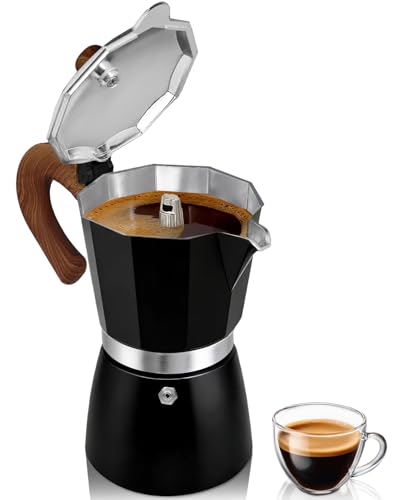 Belly Moka Coffee Maker Stovetop Espresso Maker 9 Cup Aluminum Moka Pot Percolator 15oz 450ml Easy Brewing for Electric Ceramic Stoves Home Camping Italian Cuban Café Classic Black
 Belly Moka Coffee Maker Stovetop Espresso Maker 6 Cup Aluminum Moka Pot Percolator 10oz 300ml Easy Brewing for Electric Ceramic Stoves Home Camping Italian Cuban Café Classic Silver
 HomeBeyond Espresso Coffee Maker 12 Cups, Classic Stovetop Espresso Maker, 600ml / 20oz Coffeemaker for Gas & Ceramic Stovetops (Silver)