You just finished brewing a clean cup, rinsed the dripper, and now it sits on the counter. Maybe it’s a glass V60, maybe a ceramic Kalita, or a folding steel dripper. Whatever it is, you know the drill: it takes up space, it looks cluttery, and you’re one clumsy elbow away from shattering it. Storing a pour over setup isn’t hard, but it does take a little thought.
This guide covers the practical side of storing your pour over coffee maker, dripper, and stand. I’ll walk you through the right way to clean before storage, where to keep everything, and what to avoid. You’ll also see a comparison of storage methods, answers to common questions, and the mistakes I see people make most often.

shoxil
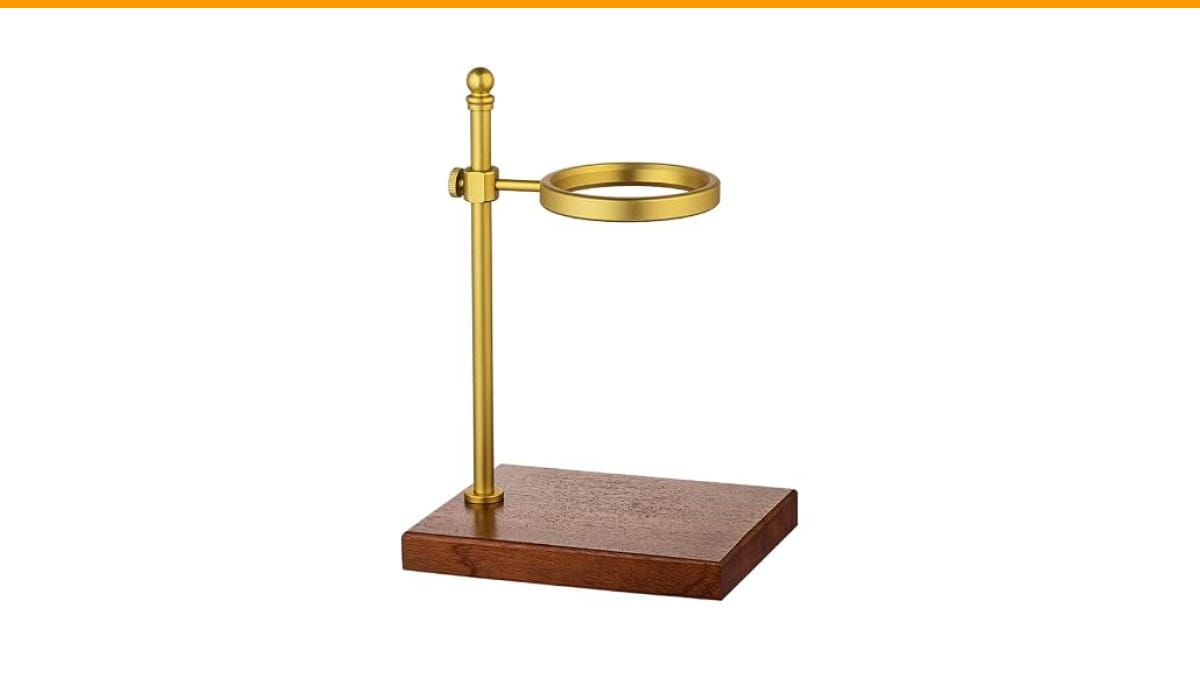
shoxil Pour Over Coffee Stand - Adjustable…
- Adjustable & Portable Design: This pour over coffee stand features a simple yet functional design that is easy to carry. Its heigh…
- Wide Compatibility & Multi-Functional Use: Designed to be compatible with most V-shaped coffee drippers on the market, this sturdy…
- Anti-Slip & Noise Reduction: The coffee filter stand is constructed with a solid wood, multi-layer design. Its bottom features an…
As an Amazon Associate I earn from qualifying purchases.
If you’re using a dedicated stand, storage gets even easier. The shoxil Pour Over Coffee Stand folds down and adjusts, which makes it a solid option if you want something that doesn’t permanently claim your countertop. More on that below.
Why Storage Matters More Than You Think
Pour over gear is fragile. Glass drippers crack if they knock against a mug. Ceramic chips at the rim. Even metal drippers can bend if you stack heavy things on top. And the carafe? That’s usually the most expensive piece, and the easiest to break.
There’s also the cleanliness angle. Coffee oils go rancid. If you put a dripper away with residue still on it, that stale smell will transfer to your next brew. A quick rinse isn’t enough if you’re storing it for more than a day or two.
So the real question isn’t where to put it. It’s how to prep it so it’s ready when you need it again. That means three things: clean it, dry it fully, and protect it from impact.
Step-by-Step: How to Store a Pour Over Coffee Maker
Here’s the process I recommend. It takes about five minutes and works for glass, ceramic, plastic, and metal drippers.
- Disassemble everything. Take the dripper off the stand, remove the filter, and separate the carafe. Every piece gets stored individually. This prevents scratches and chips.
- Wash with warm soapy water. Use a soft sponge. Avoid abrasive scrubbers, especially on ceramic and glass. Rinse thoroughly so no soap residue remains.
- Dry completely. Air dry on a dish rack, or wipe with a lint-free cloth. This is the step people skip, and it’s the one that causes mold and odors. If you’re storing for more than a week, make sure there’s zero moisture left.
- Store the dripper upside down. This keeps dust from settling inside the cone. If you have a paper filter holder, store it separately so it doesn’t trap moisture.
- Wrap fragile pieces. For glass carafes, a soft cloth or a piece of bubble wrap works well. If you’re storing in a cabinet, put the carafe on the bottom shelf so nothing falls onto it.
- Keep the stand disassembled or folded. Most wooden stands, like the shoxil model, have a collapsible design. Take it apart if you can. It takes up less room and avoids warping.
Pro tip: store your dripper and carafe in the same cabinet but not touching. A rubber band around the carafe handle can remind you it’s fragile when you reach in blindly.
One thing I learned the hard way: never store a glass carafe with the lid on. Trapped moisture leads to mildew inside the spout. Leave the lid off or slightly ajar.
Where to Store It: Cabinet, Counter, or Shelf
Your storage spot depends on how often you brew. Daily brewer? Keep it out. Weekly brewer? Put it in a cabinet. Here’s a breakdown of the three main options.
Countertop
If you brew every morning, leaving your pour over setup visible makes sense. You’ll use it more, and it becomes part of your routine. The downside is dust and grease from cooking. A simple cover or a cloth over the dripper fixes that.
Countertop storage also means you need a stable base. A wobbly dripper is a disaster waiting to happen. That’s where a dedicated stand earns its place. The shoxil pour over stand has a solid wood base with anti-slip pads, so it stays put even if you bump it. You can adjust the height and rotate it 360 degrees, which helps if your kettle is on the left but your mug is on the right. It’s not perfect for every dripper, but it fits most V-shaped ones.
Cabinet
Cabinet storage protects from dust and sunlight. Sunlight is a real issue for plastic drippers — UV light makes them brittle over time. Glass and ceramic are fine, but plastic should stay in a dark cabinet.
Use a lower shelf for heavy items. Put the carafe on the bottom, dripper on a middle shelf, and stand on the top. This way nothing lands on the glass if you’re digging around.
Open Shelf or Display
Some people like showing off their gear. That works, but keep it away from direct sunlight and high-traffic areas. A shelf above the sink sounds nice until you drop a spoon and it lands on your dripper.
If you go this route, make sure the shelf has a lip or edge. A dripper rolling off a flat shelf is the most common break I see.
Storage Methods Compared
| Method | Best For | Time Needed | Protection Level | Downsides |
|---|---|---|---|---|
| Countertop (daily use) | People who brew every day | None | Low | Dust, grease, accidental bumps |
| Cabinet (weekly use) | Occasional brewers | 5 minutes | High | Requires cleaning before storage |
| Open shelf display | Aesthetics-focused setups | 2 minutes | Medium | UV damage, falling risk |
| Padded case or box | Travel or long-term storage | 10 minutes | Very high | Bulky, takes up space |
My recommendation? If you brew more than four times a week, keep it on the counter. Otherwise, cabinet storage with the steps above is the safest bet.
Common Storage Mistakes and How to Avoid Them
I’ve seen these three mistakes wreck perfectly good pour over gear. Avoid them and your setup will last years.
Storing Wet
Putting a damp dripper in a cabinet is the fastest way to get mold. The inside of the cone is the worst spot — it traps water and never dries. Always air dry for at least an hour before storing. If you’re in a hurry, wipe it with a dry towel and leave the cabinet door open for a few hours.
Stacking Heavy Items on Top
A glass carafe is not a weight-bearing structure. Stacking a kettle or a bag of beans on top is asking for a crack. Give the carafe its own space. If you’re short on room, put a folded kitchen towel between the carafe and whatever’s above it.
Forgetting the Stand
Wooden stands warp if they stay wet or sit in direct sunlight. The shoxil stand is made from solid wood, which handles normal use well, but it still needs a dry spot. Don’t store it next to the sink where it’ll get splashed. Wipe it down occasionally with a dry cloth to keep the finish intact.
Frequently Asked Questions
Can I store my pour over coffee maker in the fridge?
No. The fridge is humid and cold, which causes condensation inside the dripper and carafe. That moisture leads to mold. Keep your gear at room temperature in a dry place.
Is it safe to hang a pour over dripper on a hook?
Yes, if the dripper is metal or plastic. Glass and ceramic drippers can chip if they swing against a wall or another hook. If you hang them, use a padded hook and make sure there’s clearance on all sides.
How long can I store a pour over maker without cleaning it?
You shouldn’t. Coffee oils oxidize and go rancid within a day or two. Even if you used a paper filter, residue builds up in the ridges of the dripper. Clean it before you store it, not after.
Can I store the dripper and carafe together?
You can, but put a cloth or paper towel between them. Ceramic and glass rubbing together causes micro-scratches that weaken the material over time. It’s a small step that prevents big problems.
Does a pour over stand need special storage care?
Wooden stands need dry conditions. Avoid storing them in a garage or basement where humidity fluctuates. If your stand folds, keep it folded when not in use. This reduces stress on the joints and keeps it compact.
What to Remember When You Put It Away
- Clean and dry every piece before storage — never put a wet dripper away.
- Store glass carafes on the bottom shelf, wrapped or padded.
- Keep plastic drippers out of direct sunlight to prevent brittleness.
- Disassemble or fold your stand to save space and protect the wood.
- If you brew daily, countertop storage is fine; otherwise, use a cabinet.
- Check your setup every few weeks for dust or moisture, especially in humid climates.
- A dedicated stand like the shoxil pour over coffee stand makes countertop storage tidier and safer, since it keeps the dripper elevated and stable.
Storing a pour over coffee maker takes five minutes of thought. Do it right, and your gear stays clean, dry, and ready for the next brew. Skip it, and you’re buying a new dripper sooner than you’d like.
If you’re dealing with buildup or stale residue, check out our guide on proper coffee maker cleaning before you store anything. And if you notice your brewer acting up, our article on brewing problems might help you diagnose the issue.
Products related to this article
Sponsored / affiliate links. As an Amazon Associate I earn from qualifying purchases. I may earn additional commission from eligible campaigns.
 HomeBeyond Espresso Coffee Maker 12 Cups, Classic Stovetop Espresso Maker, 600ml / 20oz Coffeemaker for Gas & Ceramic Stovetops (Silver)
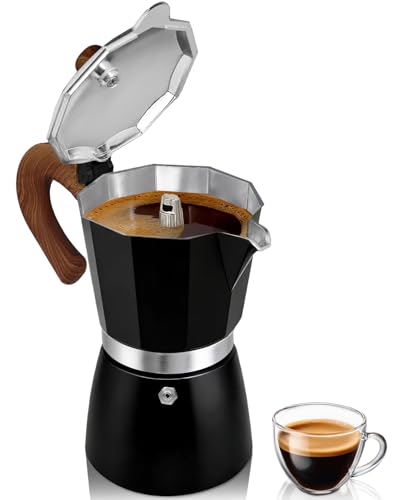 Belly Moka Coffee Maker Stovetop Espresso Maker 9 Cup Aluminum Moka Pot Percolator 15oz 450ml Easy Brewing for Electric Ceramic Stoves Home Camping Italian Cuban Café Classic Black
 Belly Moka Coffee Maker Stovetop Espresso Maker 6 Cup Aluminum Moka Pot Percolator 10oz 300ml Easy Brewing for Electric Ceramic Stoves Home Camping Italian Cuban Café Classic Silver