You love starting your day with a fresh cup of coffee, but have you ever thought about how clean your coffee maker really is? If your machine isn’t cleaned properly, it can affect the taste of your brew and even shorten the life of your coffee maker.

Affresh
Affresh Coffee Maker Cleaner, Unscented, Descales &…
- Descales your coffee maker, fighting hard water deposits and mineral buildup for a better tasting brew
- Deep cleans without the odor of vinegar
- Compatible with multi-cup and single-serve coffee makers
As an Amazon Associate I earn from qualifying purchases.
Don’t worry—you’re just a few simple steps away from making your coffee maker shine and ensuring every cup tastes just right. Keep reading to discover easy, effective ways to clean your coffee maker properly and enjoy better coffee every time.

Credit: www.cupindy.com
Choosing The Right Cleaning Supplies
Choosing the right cleaning supplies helps keep your coffee maker working well. It also removes old coffee oils and stains. Using the correct tools and agents protects your machine. This makes your coffee taste fresh every time.
Essential Cleaning Tools
A soft cloth or sponge cleans surfaces without scratching. A small brush or toothbrush reaches tight spots. Measuring cups help add the right amount of cleaning solution. A funnel makes pouring easier and less messy. These basic tools make cleaning simple and effective.
Safe Cleaning Agents
White vinegar is a natural cleaner that breaks down mineral buildup. Baking soda helps remove stains and odors gently. Mild dish soap cleans without harming the machine parts. Avoid harsh chemicals that can damage your coffee maker. Choose safe, non-toxic agents for best results.
Preparing Your Coffee Maker For Cleaning
Cleaning your coffee maker starts with proper preparation. This step makes the process safe and effective. It also helps protect your machine from damage. Taking time to prepare ensures a better cleaning result and a longer-lasting coffee maker.
Follow a few simple steps before you begin cleaning. These steps focus on safety and removing parts that need special care. Preparing your coffee maker properly saves time and effort later.
Unplugging And Cooling Down
Always unplug your coffee maker before cleaning. This prevents electric shock and protects the machine. Next, let the coffee maker cool down completely. Hot parts can cause burns or damage if cleaned too soon. Cooling also helps loosen stuck coffee residues.
Removing And Cleaning Removable Parts
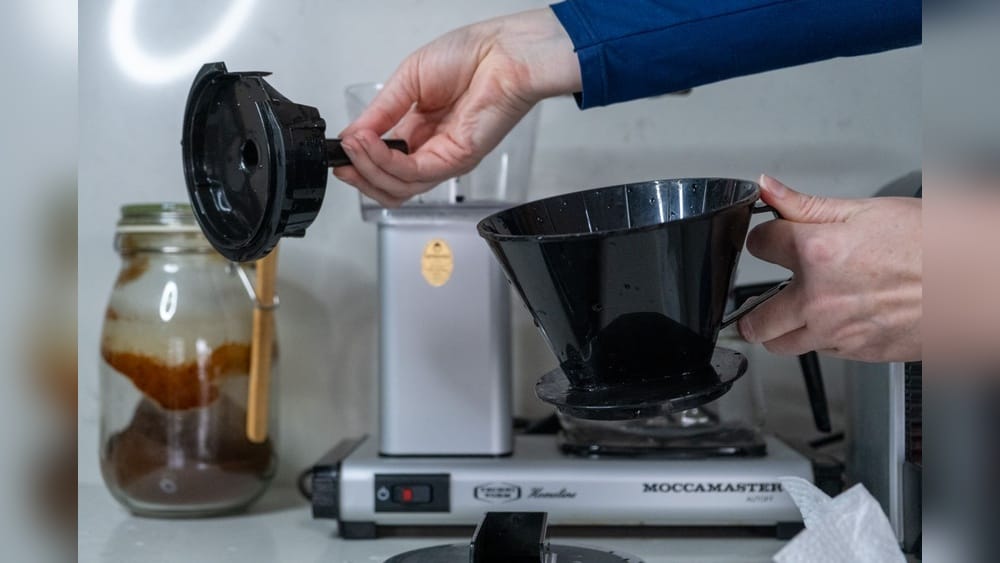
Take out all removable parts like the filter basket and carafe. These parts often collect coffee oils and grounds. Wash them with warm, soapy water for best results. Rinse well to remove all soap traces. Dry the parts completely before placing them back.
Check the user manual for any special cleaning instructions. Some parts may be dishwasher safe. Proper cleaning of removable parts keeps your coffee fresh and your machine working well.
Descaling The Coffee Maker
Descaling the coffee maker is an important step in keeping your machine clean and working well. Over time, minerals from water build up inside the machine. This buildup can affect the taste of your coffee and the coffee maker’s performance. Regular descaling removes these minerals and keeps your coffee fresh and flavorful.
Why Descaling Matters
Mineral deposits block water flow and reduce heating efficiency. This leads to weaker coffee and longer brew times. Descaling prevents damage and extends the life of your coffee maker. It also helps avoid costly repairs caused by mineral buildup.
Using Vinegar Or Commercial Descalers
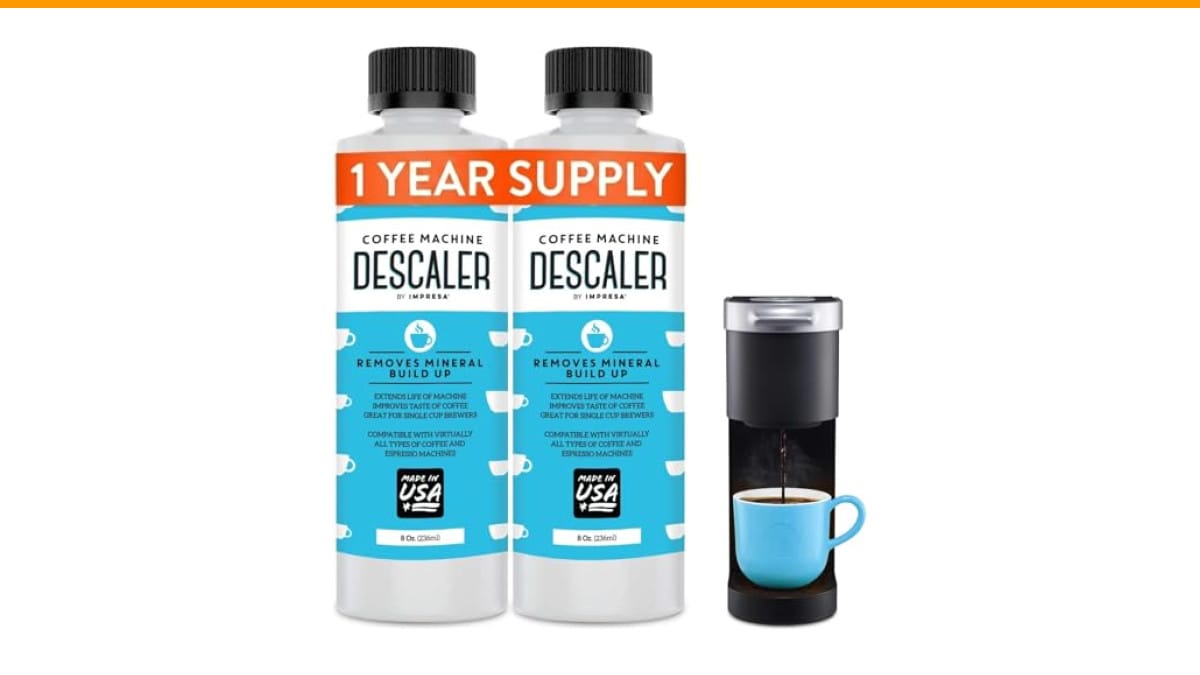
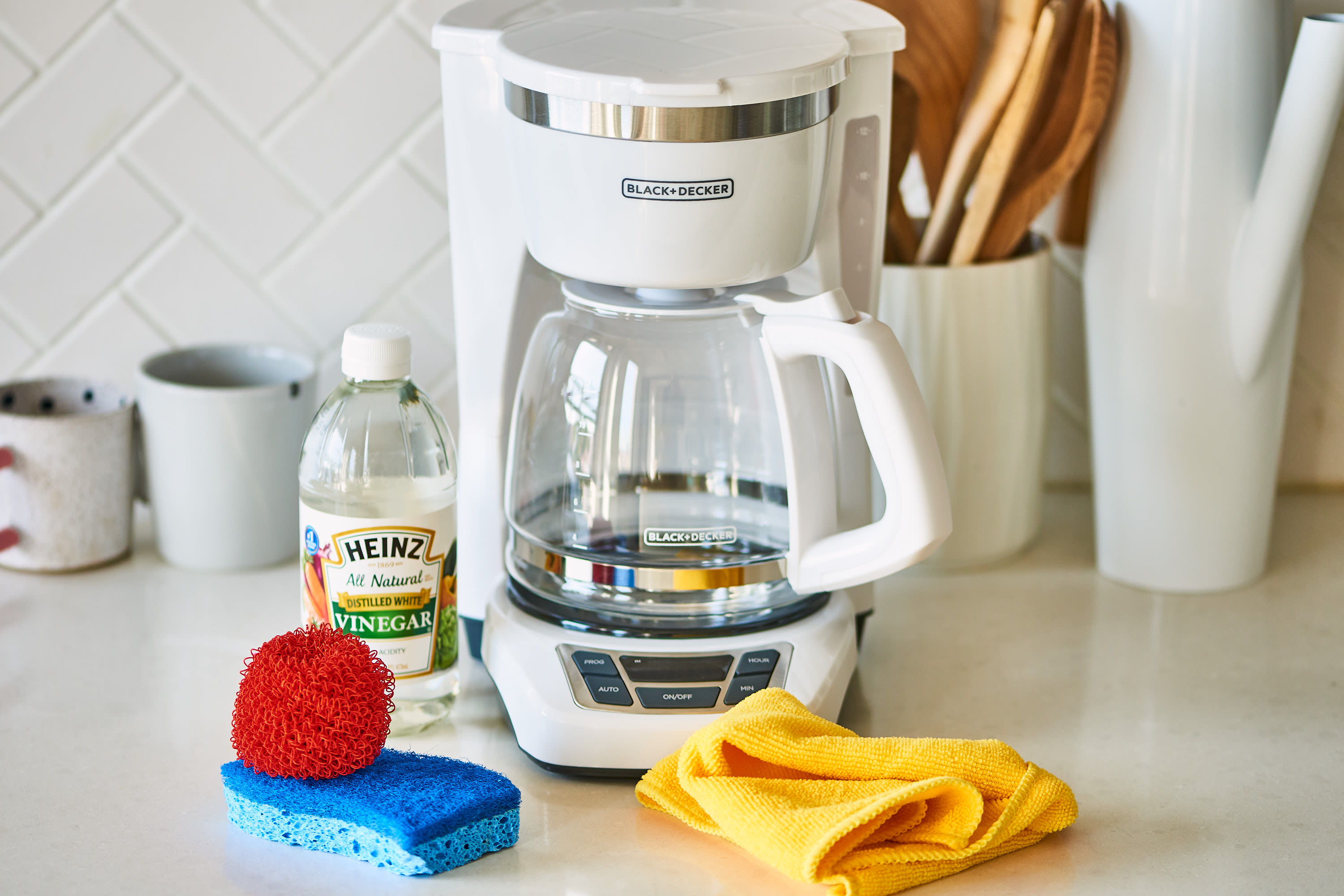
White vinegar is a natural and affordable descaling solution. Mix equal parts water and vinegar for the cleaning cycle. Commercial descalers are made specifically for coffee machines. They can be gentler on parts and remove minerals quickly. Choose the option that fits your needs and follow the instructions.
Running The Descaling Cycle
Fill the water reservoir with the descaling solution. Start a brewing cycle without adding coffee grounds. Let the solution run through the machine completely. After that, run two or three cycles with clean water to rinse the system. This removes any leftover vinegar or cleaner taste.
Credit: www.thekitchn.com
Cleaning The Exterior And Carafe
Cleaning the exterior and carafe of your coffee maker keeps it looking fresh and working well. Dirt and coffee stains can build up quickly. Regular cleaning helps avoid bad smells and keeps your coffee tasting great. A clean machine also lasts longer.
Wiping Down The Machine
Start by unplugging the coffee maker for safety. Use a soft cloth dampened with warm water. Wipe all outer surfaces gently. Focus on buttons, handles, and the area around the filter basket. Avoid using harsh chemicals or abrasive pads. They can damage the finish.
Dry the machine with a clean towel after wiping. Clean spills and stains right away to prevent buildup. For stubborn spots, a little mild soap mixed with water works well. Rinse the cloth and wipe again to remove soap residue.
Cleaning The Carafe Properly
The carafe holds your coffee, so it needs a good clean. After each use, rinse it with warm water. Use dish soap and a soft sponge to scrub inside. Avoid using metal scrubbers that can scratch the glass or plastic.
For tough stains, fill the carafe with warm water and add a tablespoon of baking soda. Let it sit for 15 minutes. Scrub gently, then rinse well. Dry with a clean towel or let it air dry.
Check the carafe lid too. Remove it and wash with warm soapy water. Rinse and dry before putting it back. Clean carafes keep coffee tasting fresh and stop old coffee smells.
Maintaining Your Coffee Maker Regularly
Keeping your coffee maker clean is key to great-tasting coffee. Dirt and old coffee oils build up over time. This can change the flavor and affect the machine’s performance. Regular maintenance helps your coffee maker last longer. It also keeps every cup fresh and enjoyable.
Small daily steps can make a big difference. Monthly deep cleaning removes stubborn buildup. Both routines work together to keep your coffee maker in top shape.
Daily Cleaning Tips
Empty the coffee grounds after each use. Rinse the filter and basket with warm water. Wipe down the outside of the machine. Use a damp cloth to remove spills and stains. Avoid harsh chemicals that can damage the surface. Let all parts dry fully before reassembling. This simple routine prevents mold and old coffee smells.
Monthly Deep Cleaning Routine
Fill the water reservoir with equal parts water and white vinegar. Run a full brewing cycle without coffee grounds. Pause halfway to let the vinegar solution soak inside. Finish the cycle and then run two cycles with clean water. This clears away mineral deposits and coffee oils. Remove and clean the carafe and filter basket separately. Use a soft brush to scrub hard-to-reach spots. Dry all parts thoroughly before putting them back. This deep clean keeps your coffee maker working smoothly and your coffee tasting fresh.

Credit: www.youtube.com
Troubleshooting Common Coffee Maker Issues
Troubleshooting common coffee maker issues helps keep your machine working well. Small problems can stop your coffee maker from making great coffee. Fixing these problems early saves time and money. This section covers easy steps to handle common issues.
Dealing With Mold And Mildew
Mold and mildew grow in moist, dark areas of the coffee maker. They cause bad smells and taste. Clean the water reservoir and carafe with warm soapy water. Use a mixture of one part vinegar to two parts water for a deep clean. Rinse well to remove all vinegar. Dry all parts before putting them back.
Run a brew cycle with just water after cleaning. This helps remove leftover mold and vinegar. Clean your coffee maker every two weeks to avoid mold growth.
Fixing Slow Brewing Problems
Slow brewing means water moves too slowly through the machine. This can happen due to mineral build-up inside. Use a descaling solution or vinegar to clean the inside. Fill the water reservoir with vinegar and run a brew cycle halfway. Let it sit for 30 minutes, then finish the cycle. Run two more cycles with clean water to rinse.
Also, check the coffee filter basket and water lines for clogs. Clean these parts regularly. Slow brewing affects coffee taste and temperature, so fix it fast.
Frequently Asked Questions
How Often Should I Clean My Coffee Maker?
You should clean your coffee maker every 1 to 2 months. Regular cleaning removes mineral buildup and old coffee oils. This keeps your coffee tasting fresh and your machine running efficiently.
What Is The Best Solution To Clean A Coffee Maker?
A mixture of equal parts white vinegar and water works best. Vinegar dissolves mineral deposits and kills bacteria. Run the mixture through a brew cycle, then rinse with water.
Can I Use Baking Soda To Clean My Coffee Maker?
Yes, baking soda can clean coffee makers safely. It removes stains and neutralizes odors. Mix a small amount with water, scrub gently, and rinse thoroughly to avoid residue.
Should I Clean Coffee Maker Filters Separately?
Yes, clean reusable filters after each use. Rinse with warm water and mild soap. This prevents clogging and ensures better coffee flavor. Disposable filters do not require cleaning.
Conclusion
Cleaning your coffee maker keeps it working well and tasting great. Regular care stops buildup and bad flavors. Use simple steps like vinegar and water for a deep clean. Rinse thoroughly to avoid leftover taste. A clean machine saves money and makes better coffee every day.
Take a few minutes each week to keep your coffee fresh and your machine lasting longer. Small effort, big difference.
Related pick: Check today's price on Amazon Sponsored / affiliate links. As an Amazon Associate I earn from qualifying purchases. I may earn additional commission from eligible campaigns.Products related to this article
 HomeBeyond Espresso Coffee Maker 12 Cups, Classic Stovetop Espresso Maker, 600ml / 20oz Coffeemaker for Gas & Ceramic Stovetops (Silver)
 Belly Moka Coffee Maker Stovetop Espresso Maker 9 Cup Aluminum Moka Pot Percolator 15oz 450ml Easy Brewing for Electric Ceramic Stoves Home Camping Italian Cuban Café Classic Black
 Belly Moka Coffee Maker Stovetop Espresso Maker 6 Cup Aluminum Moka Pot Percolator 10oz 300ml Easy Brewing for Electric Ceramic Stoves Home Camping Italian Cuban Café Classic Silver