You walk over to your super automatic espresso machine, press the power button, and nothing happens. No lights, no pump noise, no warm-up hiss. Just silence. The first thought is always the same: did I just lose an expensive machine? Before you panic, understand that most no-power issues trace back to a handful of predictable causes. Some take two minutes to fix, others need a part or two.
This guide walks through the most common reasons a super automatic espresso machine won’t turn on, in order of likelihood. You’ll learn what to check first, when to open the case, and which repairs are safe to do at home versus when to call a technician. I’ve tested and repaired enough machines to know the difference between a loose plug and a dead control board — and I’ll show you how to spot both.

Rancilio
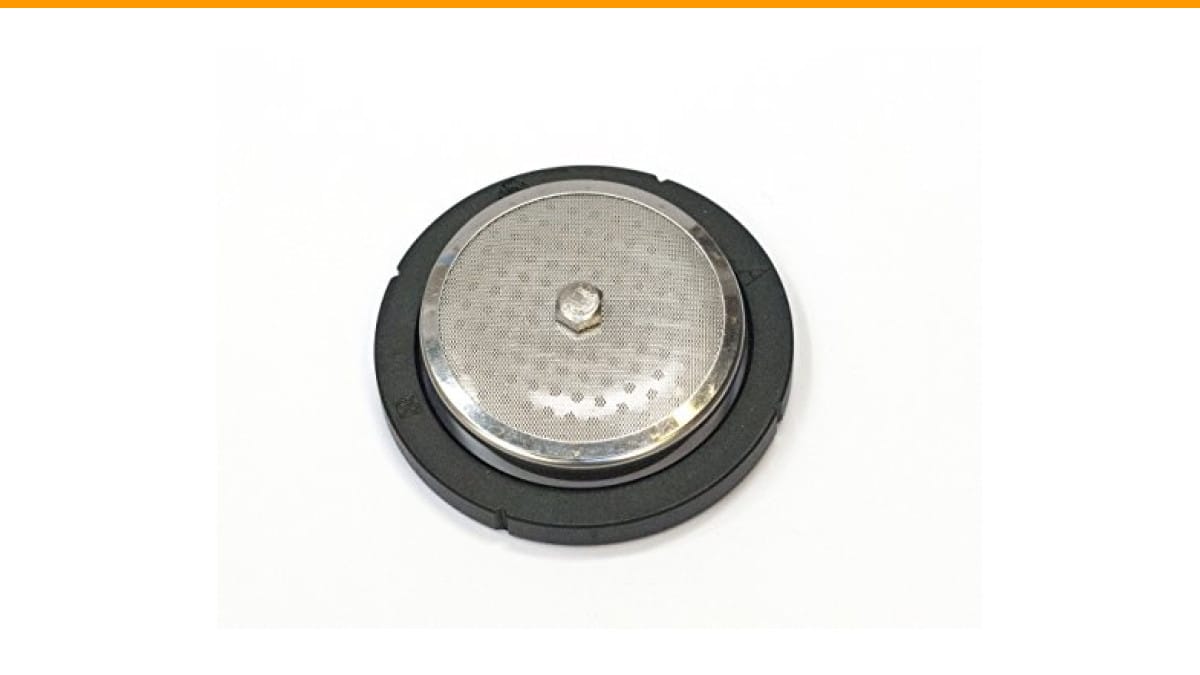
Rancilio Silvia Espresso Machine Repair Kit.
- This OEM repair kit can help you to fix some of the most common Rancilio Silvia problems.
- Water leaking around the portafilter: Usually the grouphead gasket needs to be replaced.
- Flow or no flow of water from grouphead. Your screen is probably clogged and needs to be replaced.
As an Amazon Associate I earn from qualifying purchases.
If your machine is a Rancilio Silvia (technically semi-automatic, but the same electrical logic applies), a simple repair kit can solve several startup-adjacent problems. The Rancilio Silvia Espresso Machine Repair Kit includes the OEM grouphead gasket and screen, which won’t fix a power failure but will handle water flow issues that often get mistaken for electrical problems.
1. Start With the Obvious: Power Source and Switch
I can’t tell you how many machines I’ve seen that were ‘dead’ but actually just unplugged or sitting on a tripped GFCI outlet. Check the wall outlet first. Plug a lamp or phone charger into the same outlet to confirm it’s live. If the outlet is controlled by a wall switch, make sure that switch is on.
Next, inspect the power cord along its full length. Look for chew marks (pets love these cords), kinks, or exposed wire. If the cord is damaged, stop using the machine immediately — that’s a fire risk, not a repair project.
Then test the power switch itself. On many super automatics, the switch is a rocker or push-button that can fail internally. You can bypass the switch temporarily with a jumper wire to confirm it’s the culprit, but only if you’re comfortable with basic electrical work. Safer approach: use a multimeter to check continuity across the switch terminals. No continuity when pressed means the switch is dead.
If everything checks out, move to the machine’s internal fuse. Most super automatics have a glass or ceramic fuse near the power entry. Remove it and test with the multimeter. A blown fuse looks fine visually but reads as an open circuit. Replace it with the exact same amperage rating — do not guess or use a higher-rated fuse.
One more thing: if your machine is plugged into a power strip, try a direct wall outlet. Some power strips have surge protection that trips and kills all outlets while the strip’s switch stays on.
2. The Thermal Fuse: The Silent Killer
Super automatic espresso machines run hot, and they protect themselves with a thermal fuse (also called a thermal cutoff). This is a one-time-use component that permanently opens if the machine overheats, for example after a pump failure or a blocked steam wand. When it blows, the machine appears completely dead — no lights at all.
Finding the thermal fuse requires opening the case. On most machines, it’s clipped to the boiler or the heating element. It’s a small white or yellow cylinder with two wires connected. Test it with a multimeter in continuity mode. If it reads open (infinite resistance), it’s blown.
Replacing a thermal fuse is a straightforward soldering job, but you need to match the temperature rating. Common ratings are 145°C, 152°C, or 169°C. Check the original part’s stamp or the service manual. Using a lower rating will cause nuisance trips; a higher rating defeats the safety purpose.
Before you replace it, figure out why it blew. A stuck pump relay, a faulty heating element, or a blocked water path can all cause overheating. If you just swap the fuse without fixing the root cause, it’ll blow again.
3. Control Board or Display Failure
If the machine has power, the fuse is good, and the thermal fuse is intact, the problem likely lives on the control board. This is the brain that tells the pump, heater, and valves what to do. A failed control board can prevent the machine from powering up at all, even if the display lights up (or doesn’t).
Look for obvious damage on the board: burnt components, swollen capacitors, or a burnt smell. Capacitors are the most common failure point, especially after power surges. If you see a bulging cap, replacing it is a cheap fix — a $2 part can save a $500 machine.
However, if the board has a burnt trace or a dead microprocessor, replacement is the only option. OEM boards are pricey, but aftermarket boards exist for popular models. Before ordering, double-check the part number printed on the board. Installing a mismatched board can cause more damage.
One caveat: sometimes the control board is fine, but a faulty door interlock switch (if your machine has a brew group door) prevents startup. The machine thinks the door is open and refuses to power on. Test that switch with the multimeter too.
Quick Diagnostic Comparison
| Cause | Symptom | Tools Needed | Fix Difficulty | Cost to Fix |
|---|---|---|---|---|
| Dead outlet / GFCI trip | No power at all, other devices also dead | None | Trivial | $0 |
| Faulty power cord | Intermittent power, visible damage | Multimeter | Easy | $10–$20 for a new cord |
| Blown internal fuse | No power, fuse reads open | Multimeter | Moderate (open case) | $1–$5 |
| Thermal fuse tripped | No power after overheating event | Multimeter, soldering iron | Moderate to hard | $5–$15 (plus root cause fix) |
| Failed control board | No response, sometimes burnt smell | Multimeter, visual inspection | Hard (may need replacement) | $50–$200+ |
| Door interlock switch | Machine won’t start, display may flash | Multimeter | Easy to moderate | $10–$30 |
This table assumes you’ve already confirmed the outlet is live. If you’re not comfortable with a multimeter, start with the cheap fixes and then call a pro. Some repairs aren’t worth the risk of electric shock.
4. Prevention: Keep It From Happening Again
Once your machine is running again, take a few steps to avoid a repeat. Use a surge protector rated for appliances — not a cheap power strip. Coffee machines draw serious current, and a surge from a nearby lightning strike or grid fluctuation can fry the control board.
Don’t leave the machine plugged in during a storm. Unplug it if you’re going away for more than a day. This also protects against power surges when the grid recovers.
Descale regularly. Mineral buildup can cause the boiler to overheat, which trips the thermal fuse. If you live in a hard-water area, descale every 2–3 months. Use a descaling solution recommended by your machine’s manufacturer.
If you own a Rancilio Silvia, the Rancilio Silvia Espresso Machine Repair Kit includes the grouphead gasket and screen. Replacing these parts when they wear out keeps water flow consistent and prevents the machine from working harder than it should. That reduced strain can help avoid overheating issues down the line.
Common Questions, Straight Answers
Why won’t my super automatic espresso machine turn on after a power outage?
Power outages can cause a surge when power returns, which can blow the internal fuse or thermal fuse. Check the outlet first, then the internal fuse. If those are fine, the control board may have been damaged. A surge protector prevents this in the future.
Can I fix a dead espresso machine myself, or should I hire a technician?
If you’re comfortable with a multimeter and basic soldering, you can handle fuses, thermal fuses, and even capacitor replacement. Control board replacement is trickier but doable if you follow a service manual. If the thought of opening the case makes you nervous, hire a certified technician. The cost of a service call is often worth the peace of mind.
My machine’s display lights up but the pump doesn’t run. Is that the same as ‘not turning on’?
No. That’s a different issue, usually a failed pump, a stuck relay, or a blocked water line. Check the pump for continuity and listen for a hum when you press the brew button. If you hear a hum but no water, the pump is likely airlocked or clogged. If no hum, the pump motor may be dead.
How do I know if the thermal fuse is blown?
You need a multimeter. Set it to continuity mode and touch the probes to the two terminals of the thermal fuse. If the meter beeps or shows near-zero resistance, the fuse is good. If it shows infinite resistance (no beep), the fuse is blown and needs replacement.
Is it worth repairing a super automatic espresso machine that’s more than 5 years old?
It depends on the cost of the repair versus the value of the machine. If the control board is dead and the part costs $200, but the machine is worth $800 new, it’s probably worth fixing. If the machine was a budget model worth $300, a $200 repair is hard to justify. Consider the age, the cost of parts, and whether you’ve been thinking about upgrading anyway. Sometimes a new machine is the better call.
What to Do Next
- Always check the outlet and power cord first — the cheapest fix is often the right one.
- Keep a multimeter handy. It’s the single most useful tool for diagnosing electrical failures.
- Test the internal fuse and thermal fuse before assuming the control board is dead.
- Use a surge protector and unplug the machine during storms to prevent future damage.
- If you own a Rancilio Silvia, the Rancilio Silvia Espresso Machine Repair Kit is a smart preventive investment.
- When in doubt, call a technician. A $100 service call beats a $500 mistake.
- For ongoing maintenance, check our loud noise guide and leaking water guide — both cover issues that can lead to electrical strain.
Your machine isn’t necessarily dead. In many cases, a $5 fuse or a $15 thermal fuse brings it back to life. Work through the steps in order, and you’ll either fix it or know exactly what’s wrong when you call for help.
Products related to this article
Sponsored / affiliate links. As an Amazon Associate I earn from qualifying purchases. I may earn additional commission from eligible campaigns.
 Coffee Espresso Machine Handle Replacement Parts, Cafe Bracket Handle for Lidl Silvercrest CM4621 CM4218 KF5002 KF500S Barista (for 51mm Portafilter Basket - Not included)
 Linnkyfloa Coffee Espresso Maker Handle Replacement for Stovetop Moka Pot or Percolator, Black Plastic for Spare Part Compatible with Italian(9-12 Cup)
 Wrenmor Replacement Handle For Coffee Espresso Moka Stove Pot, Black Plastic Accessory Compatible With 1/3/6/9/12 Cup Sizes For Easy Installation And Long-Lasting Use(1 Cup)