You just finished a perfect mug of loose leaf tea, and the infuser sits there with a coating of damp leaves clinging to the mesh. The dishwasher is right there. You toss it in, run the cycle, and pull out a clean-looking basket. But a week later, you notice a faint soapy taste in your tea, or worse, a speck of rust on the hinge. Sound familiar?
This article settles the dishwasher question once and for all. You’ll learn exactly which materials survive the heat and detergent, which ones warp or rust, and how to fix the two most common problems: soap film and rusty springs. I’ve tested dozens of infusers over the years, and the answer is rarely a simple yes or no. It depends on the material, the construction, and how you load the machine.
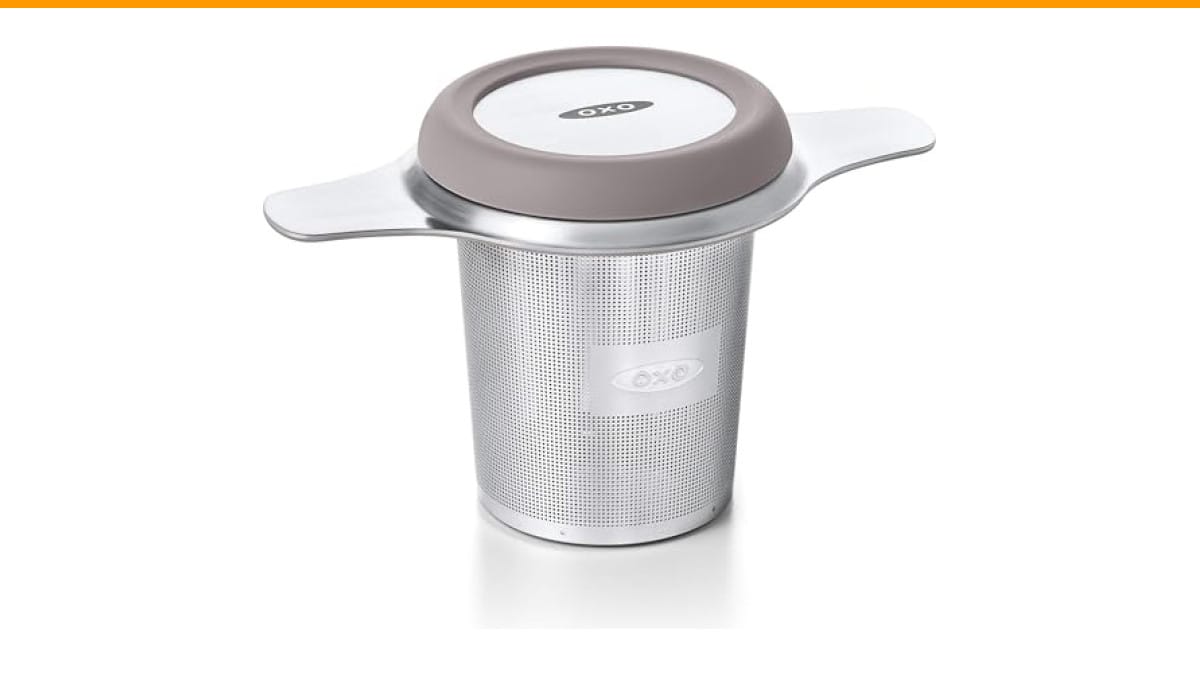
OXO
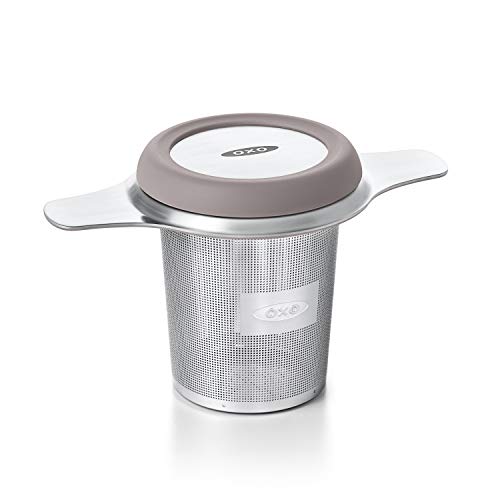
OXO Brew Tea Strainer Basket - Fine…
- Designed to optimize the flavor of your favorite loose leaf tea
- Etched hole pattern keeps fine tea leaf particles contained
- Large, stainless steel basket allows leaves to expand and fits nicely in mugs
As an Amazon Associate I earn from qualifying purchases.
After reading this, you’ll know whether your specific infuser can go in the dishwasher, and if it can, exactly how to load it so it comes out clean and ready for your next brew.
If you’re shopping for a new infuser and want one that handles the dishwasher without drama, the OXO Brew Tea Strainer Basket is a solid choice. Its stainless steel body and silicone touchpoints are dishwasher safe, and the fine mesh rinses clean without trapping leaves in awkward corners.
The Short Answer: Yes, But Check These 3 Things First
Most tea infusers can go in the dishwasher, but that doesn’t mean they should. The machine’s heat, detergent, and drying cycle do things to materials that a quick rinse never will. Before you load yours, check these three things:
- What is the mesh made of? Stainless steel mesh is fine. Nylon or plastic mesh will warp and lose its shape. If the mesh feels flimsy or bends easily, keep it out of the machine.
- Does it have a spring or hinge? Ball infusers and clamshell designs have springs that trap water. The dishwasher’s drying cycle can’t reach inside the coil, so water sits there and rusts. If your infuser has a hinge, hand washing is safer.
- Is there any plastic or aluminum? Plastic lids and handles warp in the high heat of the drying cycle. Aluminum reacts with dishwasher detergent and turns black. Both are permanent damage.
That’s the quick checklist. Now let’s get into the details, because the material guide below explains why these three things matter so much.
Material Guide: What Survives the Dishwasher (and What Warps)
The material of your infuser is the single biggest factor in whether it survives a dishwasher cycle. Here’s the breakdown based on what I’ve seen in my own kitchen and in testing.
Stainless Steel and Silicone: The Safe Zone
Stainless steel is the gold standard for dishwasher-safe infusers. It handles heat up to 500°F without warping, and the detergent won’t corrode it. The OXO Brew Tea Strainer Basket is a perfect example: the entire basket is stainless steel, and the silicone touchpoints on the lid are heat-resistant up to 400°F. Both materials sail through a normal cycle.
Silicone is almost as safe. It’s non-reactive, flexible, and won’t absorb odors. The only issue is that silicone can pick up a faint soapy smell if you use too much detergent. That’s easy to fix with a vinegar rinse, which I’ll cover below.
One thing to know about stainless steel: it develops a patina over time. That’s the dull, slightly rainbow-colored film that forms on the surface. Dishwasher detergent speeds this up. The patina is harmless, but it can trap flavors if you don’t rinse the infuser thoroughly after washing. I’ve found that a quick rinse under hot water before the next use eliminates any lingering taste.
Plastic and Aluminum: The Risky Zone
Plastic is the problem child. Most infuser lids and handles are made from polypropylene or nylon, which have melting points around 320°F. The drying cycle in a dishwasher can hit 170°F or higher, which is below the melting point but high enough to cause warping. I’ve seen plastic lids that came out of the dishwasher with a permanent bend, so they no longer sit flush on the mug.
Aluminum is worse. Dishwasher detergent is alkaline, and it reacts with aluminum to produce a dark, chalky residue. This isn’t just cosmetic; the reaction eats away at the metal. If your infuser has an aluminum component, keep it out of the machine entirely.
The bottom line: all-stainless infusers are dishwasher safe. Anything with plastic, aluminum, or a spring mechanism is a gamble.

Why Your Infuser Still Smells Like Soap (And How to Fix It)
You ran the dishwasher. The infuser looks spotless. But the next cup of tea tastes like a bar of soap. This is the most common complaint I hear, and it’s not because the infuser is dirty. It’s because the fine mesh traps detergent residue.
Dishwasher detergent is designed to cling to surfaces and break down food particles. On a smooth plate, it rinses away. On a fine stainless steel mesh with hundreds of tiny holes, the detergent gets trapped in the weave. The rinse cycle can’t reach deep enough to wash it all out.
The fix is simple: soak the infuser in a solution of one part white vinegar to three parts water for about 15 minutes. The acid breaks down the alkaline detergent residue. After the soak, rinse the infuser under hot running water and let it air dry. This removes the soap film completely.
If you want to avoid the problem altogether, use half the detergent you normally would when washing the infuser. A lighter detergent load means less residue to get trapped in the mesh. You can also skip the drying cycle and air dry the infuser instead, which prevents the heat from baking the residue onto the surface.
The Hidden Danger: Rust and the Spring Mechanism
Rust is the silent killer of tea infusers. It doesn’t happen on the mesh or the basket. It happens on the springs and hinges that connect the two halves of a ball infuser or the lid of a basket style.
Here’s why: springs are made of tightly coiled wire, often a lower-grade stainless steel that’s not fully corrosion-resistant. When you put a spring-loaded infuser in the dishwasher, water seeps into the coils. The drying cycle evaporates the water on the outside, but the inside of the coil stays wet. Over weeks of cycles, that trapped moisture oxidizes the metal, and you get rust.
Once rust appears, it’s nearly impossible to remove completely. The rust flakes off into your tea, which is both unpleasant and a health concern. You should replace the infuser at that point.
The solution is to avoid putting any infuser with a spring or hinge in the dishwasher. Hand wash those instead. If you must use the dishwasher, take the infuser apart first if the design allows it. Some ball infusers have a removable pin that lets you separate the two halves. That exposes the spring to the wash cycle so it can actually get clean and dry.
For infusers like the OXO Brew Tea Strainer Basket, this isn’t an issue. The basket has no spring or hinge; the lid sits on top with a silicone gasket. There’s no place for water to hide, so it dries completely and never rusts.
How to Load the Dishwasher for Optimal Cleaning
Loading matters more than you’d think. An infuser tossed into the silverware basket with a bunch of spoons will come out with tea leaves still stuck in the mesh. Here’s how to load it so it actually gets clean.
Place the infuser on the top rack, mesh side down. The top rack is farther from the heating element, which protects any plastic parts from warping. Facing the mesh down allows the water spray to hit the leaves directly and wash them out. If the infuser sits mesh side up, the spray just pushes the leaves deeper into the weave.
Make sure the infuser isn’t wedged against another item. It needs space for water to flow through. If it’s pressed against a bowl, the spray can’t reach the mesh, and you’ll get a half-cleaned infuser.
For infusers with removable parts, separate them. Take the lid off the basket. If there’s a chain or a clip, remove that too. Each piece needs individual exposure to the water spray.
Skip the heated dry cycle if your infuser has any plastic parts. The extra heat does nothing for the cleaning and increases the risk of warping. Just crack the dishwasher door open after the final rinse and let everything air dry.

Step-by-Step: Hand Washing vs. Dishwasher (When to Choose Manual)
Let’s be honest: hand washing is always safer. But it’s not always necessary. Here’s a practical decision guide based on what your infuser is made of.
| Infuser Type | Dishwasher Safe? | Recommended Method | Why |
|---|---|---|---|
| All-stainless basket (no plastic, no spring) | Yes | Dishwasher, top rack | No parts to warp or rust; mesh cleans well |
| Stainless with silicone lid | Yes | Dishwasher, top rack | Silicone handles heat fine; check for soap film |
| Ball infuser with spring hinge | Risky | Hand wash | Spring traps water and rusts over time |
| Plastic lid or handle | No | Hand wash | Plastic warps in the drying cycle |
| Aluminum parts | No | Hand wash | Detergent reacts with aluminum and discolors it |
| Nylon mesh | No | Hand wash | Nylon loses shape and stretches in heat |
For hand washing, use warm water and a drop of dish soap. Work the soap into the mesh with your fingers or a soft brush. A baby bottle brush works great for getting into the corners of a basket. Rinse thoroughly, then shake out the excess water and let it air dry.
The one time I always hand wash, even with a dishwasher-safe infuser, is after brewing a strongly flavored tea like chai or a smoky Lapsang Souchong. Those oils cling to the mesh and can transfer to the next tea you brew. The dishwasher doesn’t always remove them completely. A quick hand wash with a bit of baking soda paste does the job.
The 5 Best Dishwasher-Safe Infusers on the Market
Not all infusers are created equal. Based on my testing, these five handle the dishwasher well and brew a decent cup.
- OXO Brew Tea Strainer Basket – The all-stainless construction and silicone lid make it fully dishwasher safe. The fine mesh keeps even small tea particles out of your cup. It’s my top pick for everyday use.
- Finum Brewing Basket – A classic stainless steel basket with a plastic rim. The rim is the weak point; it can warp if you use the heated dry cycle. Put it on the top rack and skip the dry cycle, and it lasts for years.
- Adagio IngenuiTEA – This one’s different: it’s a steeping mug with a built-in mesh filter. The filter is stainless steel and dishwasher safe. The plastic mug body is BPA-free and also dishwasher safe, though it can stain from dark teas.
- For Life Teapot Infuser – A stainless steel mesh basket with a hook that rests on the rim of your mug. No spring, no plastic. It’s simple and completely dishwasher safe.
- Tea Forte Ceramic Infuser – A ceramic basket with a stainless steel mesh bottom. Ceramic and steel are both dishwasher safe. The mesh is coarser than the OXO, so it lets more tea dust through, but it cleans easily.
Each of these has trade-offs. The OXO is the most durable but costs a bit more. The Finum is cheaper but has that plastic rim. The Adagio is a full mug, not just an infuser, so it takes up more cabinet space.
Frequently Asked Questions
Can I put a tea ball infuser in the dishwasher?
Technically yes, but I wouldn’t. Tea ball infusers have a spring-loaded hinge that traps water inside the coil. The dishwasher’s rinse cycle can’t flush it out, and the drying cycle can’t evaporate it. Over several washes, that trapped moisture causes rust on the spring. Once rust appears, the infuser is done. Hand wash a tea ball infuser every time. It takes 30 seconds and saves you from buying a new one every few months.
Does the dishwasher ruin the taste of my tea?
It can, but not in the way you might think. The dishwasher itself doesn’t ruin the taste. The problem is detergent residue trapped in the fine mesh. If your tea tastes soapy after washing the infuser in the dishwasher, that’s the residue. The fix is a vinegar soak, as described above. Another taste issue comes from the patina on stainless steel. Over time, dishwasher detergent builds up a film on the metal that can absorb flavors from previous teas. A hot water rinse before each use prevents flavor transfer.
Is it safe to put a silicone tea infuser in the dishwasher?
Yes. Silicone is heat-resistant and non-reactive, so it handles the dishwasher without warping or leaching chemicals. The only concern is that silicone can absorb strong odors from the dishwasher, especially if you use a lot of detergent or wash it alongside heavily soiled dishes. A vinegar rinse removes any lingering smell.
How do I remove tea stains from a stainless steel infuser?
Tea stains are tannin deposits, and they’re stubborn. Dishwasher detergent actually does a decent job of removing them, which is one argument for using the machine. For hand washing, make a paste of baking soda and water, rub it into the mesh with a soft cloth, and rinse. For heavy stains, soak the infuser in a solution of one part vinegar to four parts water for 30 minutes. The stains won’t affect the taste of your tea, but they look unsightly.
What happens if I accidentally run a plastic infuser through the dishwasher?
Check it immediately after the cycle. If the plastic lid or handle has warped, you’ll notice it doesn’t fit properly anymore. A warped lid won’t seal, which means heat escapes during steeping and your tea won’t brew correctly. If the plastic looks intact, you got lucky, but don’t push it. The heat of the drying cycle weakens plastic over time. One cycle might not break it, but ten cycles will.
Final Verdict: Is It Worth the Risk?
Here’s my honest take after years of testing and a fair number of ruined infusers.
- All-stainless infusers with no springs are safe to put in the dishwasher every time. The OXO Brew Tea Strainer Basket is the best example of this design.
- Infusers with plastic parts are not worth the risk. One warped lid ruins the whole thing.
- Ball infusers and any design with a spring hinge should be hand washed. Rust is inevitable otherwise.
- Always load the infuser on the top rack, mesh side down, and skip the heated dry cycle.
- If your tea tastes soapy, soak the infuser in a vinegar solution for 15 minutes. It works every time.
- A quick rinse under hot water before your next brew eliminates any lingering flavors from the dishwasher.
- When in doubt, hand wash. It takes less than a minute and guarantees your infuser lasts for years.
Your tea infuser is a small tool, but it does a specific job well. Treat it right, and it’ll brew thousands of cups. Throw it in the dishwasher without thinking, and you’ll be shopping for a replacement by spring. The choice is yours.
For more kitchen gear care tips, check out our guide on storing pots safely and the right way to dispose of coffee grounds without damaging your plumbing.
Products related to this article
Sponsored / affiliate links. As an Amazon Associate I earn from qualifying purchases. I may earn additional commission from eligible campaigns.