You finish your cup, pull out the infuser, and see it: a brownish film clinging to the mesh, a few stubborn leaf bits wedged in the holes. So you run it under hot water for five seconds and call it done. We’ve all done it. That routine works for a while, but eventually the mesh clogs, the metal dulls, and your tea starts tasting slightly off.
This guide covers the actual methods that work for cleaning tea infusers — the daily habits, the deep-cleaning soaks, and the mistakes that ruin mesh over time. You’ll learn what to do with stainless steel balls, basket infusers, and silicone models, plus how often each step really needs to happen. No vague advice, just what works.

FUSJLQUA
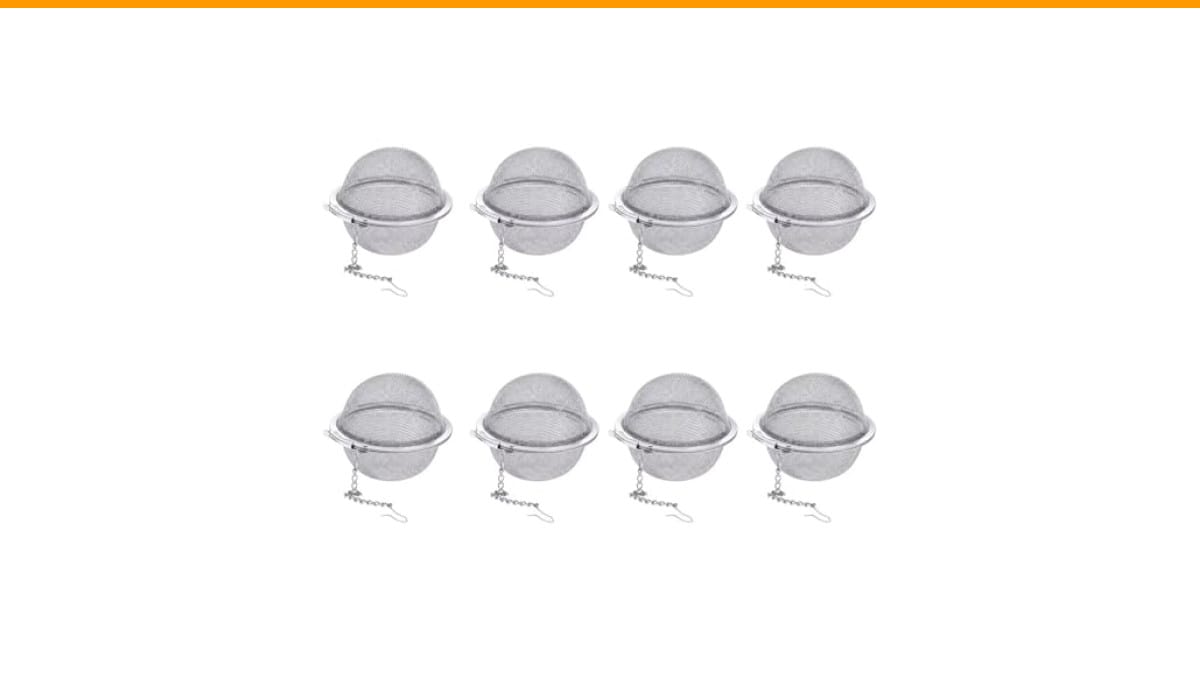
FUSJLQUA 8Pcs 304 Stainless Steel Mesh Tea…
- 304 Stainless Steel — Each tea infuser ball is crafted from premium 304 stainless steel. This material is rust-proof, non-toxic, a…
- Fine Mesh for Faster Steeping & Cleaner Tea — The tea strainer features evenly spaced fine mesh holes that filter tea particles ef…
- Secure Hook & Long Chain for Easy Steeping — Designed with a 5-inch chain and a sturdy hook, this tea steeper for loose tea hangs…
As an Amazon Associate I earn from qualifying purchases.
If you’re using a mesh ball infuser, the cleaning process is straightforward. Something like the Check Price on Amazon — eight pieces with fine mesh — cleans up faster than cheaper alternatives because the steel doesn’t react with tea tannins the way lower-grade metals do. The fine mesh means fewer leaf particles get trapped in the first place, which cuts your scrubbing time down noticeably.
Why Your Infuser Gets That Brown Film
That film isn’t dirt. It’s tannins and oxidized tea oils. When tea steeps, those compounds cling to metal and mesh surfaces. Left alone, they polymerize into a sticky layer that hot water alone won’t remove. You’ll notice it most on the inside of ball infusers where water circulates the least.
The other culprit is hard water. Calcium and magnesium deposits build up on mesh over time, especially if you air-dry your infuser without wiping it. Those white or chalky spots aren’t a health issue, but they do clog the tiny holes and slow down steeping. A clogged infuser means weaker tea and longer brew times, which defeats the purpose of using loose leaf in the first place.
One more thing: dish soap. Most people reach for it automatically, but soap leaves a residue that’s hard to rinse out of fine mesh. That residue can actually make your next cup taste flat or slightly soapy. There’s a better way, and it’s probably already in your kitchen.
The Daily Clean: 30 Seconds After Every Use
Do this immediately after you pour your tea, not when you get around to it. The longer tea sits in the infuser, the harder it is to remove.
- Pop the infuser open and dump the spent leaves into the trash or compost bin. Don’t rinse them down the sink — they’ll clog your drain over time.
- Hold the infuser under running hot water (not boiling, just hot tap water) for about 10 seconds. Use your thumb to rub the mesh gently while the water runs through it.
- If any leaf bits are stuck, use a soft-bristled brush — a baby bottle brush or a dedicated tea brush works well. A toothbrush works too, but keep one separate from your oral care one.
- Shake off excess water and set the infuser on a dish rack to air dry completely before storing. Storing a damp infuser in a drawer invites mold and mildew, especially in the hinge area.
That’s it. Thirty seconds after each brew keeps the heavy cleaning to once a month. If you drink tea daily, this routine alone will keep your infuser in good shape for years.
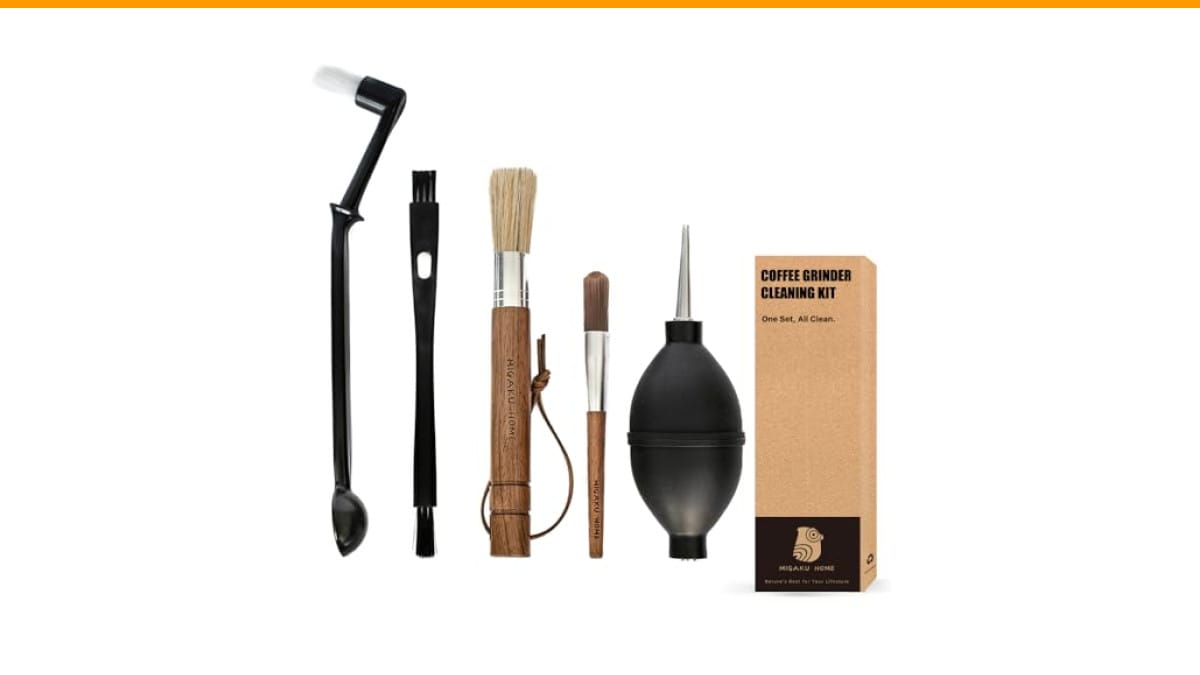
For the coffee grinder cleaning routine, the principle is similar — regular light maintenance beats occasional deep scrubbing.
The Deep Clean: Monthly Soak That Actually Works
Once a month, or whenever the mesh looks dull or clogged, do a proper deep clean. You have three solid options, and they all work differently.
Baking Soda Paste
Mix two parts baking soda with one part water to make a thick paste. Coat the infuser inside and out, then let it sit for 15 minutes. Scrub with a soft brush, rinse thoroughly, and dry. This handles tannin film and mild odors well. It’s also the gentlest option for delicate mesh.
White Vinegar Soak
Mix one part white vinegar with two parts warm water in a small bowl. Submerge the infuser completely and let it soak for 20 to 30 minutes. Vinegar dissolves mineral deposits from hard water and breaks down tannin buildup. Rinse very well afterward — you don’t want vinegar flavor in your next cup. If you have a stubborn clog, soak for an hour, but no longer, because prolonged acid exposure can pit cheaper metals.
This works on the same principle as cleaning a coffee maker with vinegar, though the infuser needs much less time.
Denture Tablets
Drop one effervescent tablet into a glass of warm water and let the infuser soak for 15 minutes. These tablets are designed to remove stains and kill bacteria on dental appliances, which makes them excellent for tea mesh. They’re especially good at getting into tiny holes that brushing can’t reach. Rinse thoroughly after.
Which one should you pick? If you have hard water, go with vinegar. If the infuser smells like old tea, baking soda works better. If the mesh is badly clogged and brushing isn’t helping, try the denture tablet route.
What Not to Do: Mistakes That Ruin Infusers
Some cleaning habits do more harm than good. Here’s what to avoid.
Abrasive scrubbers. Steel wool, scouring pads, and stiff wire brushes will scratch the mesh and strip protective coatings. Scratched mesh catches more leaf particles and becomes harder to clean over time. Stick to soft brushes and cloths.
Bleach or harsh chemical cleaners. These can corrode metal and leave toxic residues that no amount of rinsing fully removes. You don’t need them — tea residue is organic and comes off with the methods above.
Dishwasher without a cage. Many infusers claim to be dishwasher safe, and the FUSJLQUA set is, but loose infusers bounce around in the dishwasher and can dent or deform. If you use the dishwasher, place the infuser in the utensil basket or a mesh laundry bag to keep it contained.
Soaking in boiling water. Boiling water can warp thin mesh and weaken the hinge mechanism on ball infusers. Hot tap water is sufficient for daily cleaning. Reserve boiling water for sterilizing, and only if the manufacturer explicitly says it’s safe.
One more thing: don’t close the infuser while it’s still wet inside. Trapped moisture creates a breeding ground for bacteria. Dry it fully open, hinge down, so water can drain out.
Comparing Cleaning Methods Side by Side
| Method | Best For | Time Needed | Effectiveness | Risks |
|---|---|---|---|---|
| Hot water rinse | Daily maintenance | 30 seconds | Removes loose leaves, light film | None |
| Baking soda paste | Tannin stains, odors | 15 minutes | High for organic buildup | Requires thorough rinsing |
| White vinegar soak | Hard water deposits | 20–30 minutes | High for minerals | Can pit cheap metal if left too long |
| Denture tablet soak | Clogged fine mesh | 15 minutes | Excellent for tiny holes | Rinse well to avoid residue |
| Dishwasher | Quick bulk cleaning | Full cycle | Moderate | Denting, hinge damage |
The table makes the trade-offs clear. Daily rinsing is non-negotiable. The deeper methods rotate based on what your water and tea habits throw at your infuser.
How to Keep a Stainless Steel Infuser Looking New
Stainless steel is forgiving, but it’s not indestructible. The FUSJLQUA set uses 304 grade steel, which resists rust and doesn’t impart metallic flavors, but even good steel needs basic care.
After deep cleaning, dry the infuser with a soft cloth before air-drying. This prevents water spots and keeps the surface polished. If you notice the mesh starting to discolor, that’s usually tannin buildup, not rust — repeat the baking soda treatment.
Check the hinge and clasp every few months. Tea particles accumulate in those crevices and can make the mechanism stiff. Use an old toothbrush dipped in the baking soda paste to clean those areas specifically. A stuck clasp is annoying mid-brew, and it’s always caused by neglected buildup.
If you use your infuser for spices or mulled drinks — which the FUSJLQUA product page mentions as a use case — clean it immediately after those uses. Spices like cloves and cinnamon leave oils that are harder to remove than tea tannins.
Common Questions About Cleaning Tea Infusers
Can I put my tea infuser in the dishwasher?
Most stainless steel infusers are dishwasher safe, including the FUSJLQUA set. But loose infusers can rattle around and get dented. Put it in the utensil basket or a small mesh bag. Skip the dishwasher if your infuser has a wooden handle or plastic parts — those materials don’t handle heat well.
How often should I deep clean my tea infuser?
Once a month if you use it daily. If you only brew tea occasionally, every two to three months is fine. The signal to deep clean is when the mesh looks dull, water doesn’t flow through it easily, or your tea tastes slightly stale even with fresh leaves.
Why does my tea taste like soap after cleaning?
Soap residue trapped in the mesh. Dish soap is hard to rinse out of fine holes. Switch to hot water and baking soda for cleaning, and if you must use soap, rinse for a full 30 seconds under running water. A vinegar soak will also remove existing soap residue.
Is it safe to use bleach on a tea infuser?
No. Bleach corrodes metal and leaves residues that are dangerous to ingest. The tannin and mineral buildup on an infuser comes off with baking soda or vinegar — bleach is never necessary.
My infuser mesh is clogged and brushing doesn’t help. What now?
Try the denture tablet soak. If that doesn’t work, soak in vinegar for an hour, then brush again. As a last resort, use a pin or needle to gently poke through the clogged holes — but do this carefully so you don’t stretch the mesh. If the mesh is deformed or torn, it’s time to replace the infuser. That’s when buying a fresh set like the FUSJLQUA 8-pack makes sense; you’ll have spares ready.
What to Remember When You’re Done
- Rinse with hot water within minutes of finishing your tea — don’t let it sit.
- Use baking soda paste for tannin film, vinegar for hard water scale, denture tablets for clogged mesh.
- Never use abrasive scrubbers or bleach on any infuser.
- Dry the infuser fully open, hinge down, before storing.
- Check the hinge and clasp monthly for tea particle buildup.
- Dishwasher works, but only in a basket or bag to prevent dents.
- If the mesh tears or warps, replace it — a damaged infuser ruins your tea.
Cleaning a tea infuser takes under a minute a day and one deeper session a month. That small effort keeps your tea tasting clean and your infuser working for years. If you’re also maintaining other kitchen gear, the steam wand cleaning guide follows the same philosophy — regular small habits beat occasional big scrubs.
Products related to this article
Sponsored / affiliate links. As an Amazon Associate I earn from qualifying purchases. I may earn additional commission from eligible campaigns.