You brew a nice cup of loose leaf tea, fish out the infuser, and rinse it under the tap. Then what? Most people set it on the counter to dry, or worse, leave it sitting in the sink until the next morning. A few days of that and you’ll notice a musty smell, or little orange spots on a stainless steel mesh. That’s the infuser telling you it’s not happy.
Storing a tea infuser correctly isn’t complicated, but it does require a bit more thought than just shoving it in a drawer. The real enemies are trapped moisture, residual tannins, and physical damage to the mesh or hinge. This guide covers the proper drying routine, why your current method might be ruining your infuser, and how to keep loose leaf tea itself fresh so your infuser isn’t sitting in stale, damp leaves.
You’ll walk away knowing exactly how to dry, store, and maintain any infuser type — ball, basket, or novelty-shaped — and when it’s time to replace it.
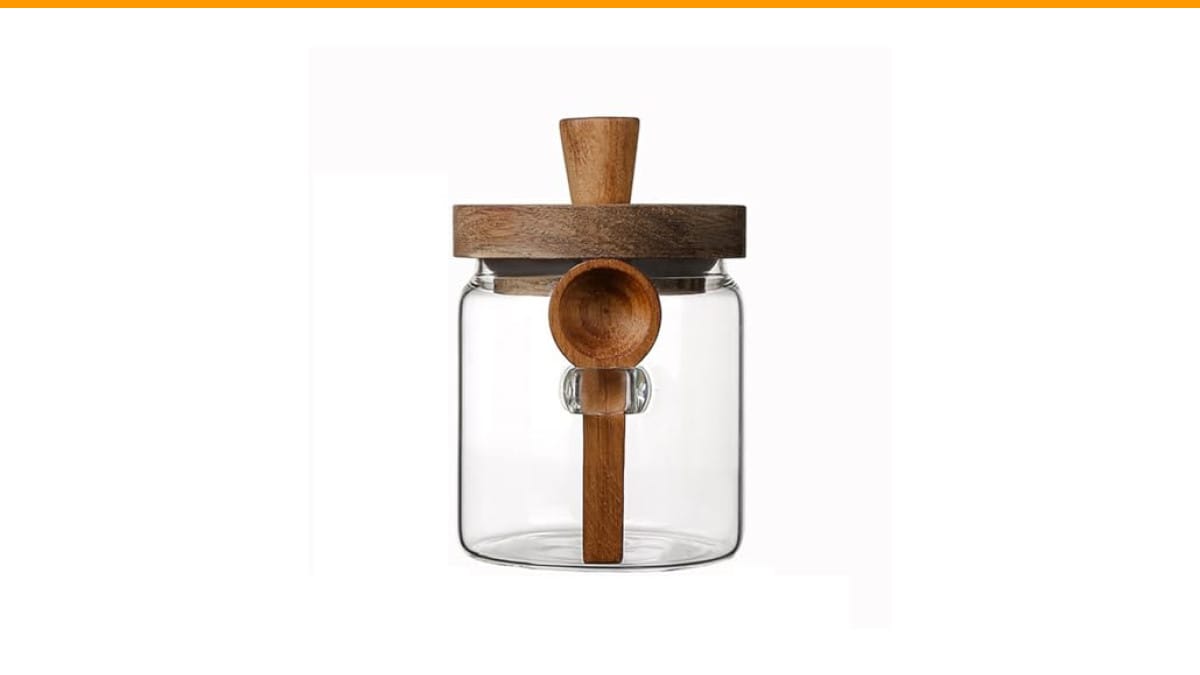
If you’re serious about keeping loose leaf tea organized and within reach, a dedicated storage jar helps. The Coriario 13 OZ Glass Jar with Lid and Spoon works well for this. It’s a wide-mouth borosilicate glass canister with a wood lid and a sealing ring, so dry tea stays dry and dust-free. The clear glass makes it easy to see what’s inside, and the included spoon means you won’t dig wet hands into the jar. It’s not a replacement for drying your infuser, but it removes one variable from the equation.
Myth #1: Air-Drying on a Dish Rack Is Good Enough
Most people think leaving a tea infuser on a dish rack overnight counts as drying. It doesn’t. A ball infuser has a hinge and a small gap where the two halves meet. Water gets trapped in that gap, and it stays there for hours. A basket infuser with a fine mesh bottom holds droplets between the mesh strands.
Stagnant water is the number one cause of mold and mildew in tea infusers. You can’t always see it, but you can smell it. That musty, damp-rag smell on your infuser? That’s mold spores. Tea leaves are organic matter, and the residual moisture creates a perfect breeding ground.
The fix is simple: dry the infuser immediately after rinsing, not later. Shake off excess water, then use a clean dish towel or paper towel to pat the outside dry. For ball infusers, open the hinge and dry the inside of both halves. For basket infusers, press a towel against the mesh from both sides. Then let it sit out, fully open, for at least 30 minutes before putting it away. This two-step method — towel dry plus air dry — makes a real difference.
Myth #2: All Tea Infusers Are Dishwasher-Safe
Check the product listing or the packaging before you toss your infuser in the dishwasher. Many stainless steel infusers claim to be dishwasher-safe, but the high heat and harsh detergents can degrade the silicone gaskets or rubber seals over time. On a mesh infuser, the dishwasher can also warp the fine wire, which changes how it sits in the cup and lets more tea leaves escape.
Hand washing is the safer route. Rinse the infuser under warm running water immediately after use, while the leaves are still loose. This takes ten seconds and prevents tannins from baking onto the mesh. If you let the infuser sit with used leaves in it for an hour, the dried leaves become much harder to rinse out. You’ll end up scrubbing, and scrubbing a fine mesh with a brush can tear it.
For stubborn stains or lingering odors, soak the infuser in a solution of one part white vinegar to three parts water for 15 minutes. Then rinse thoroughly. Don’t use baking soda paste on the mesh — the abrasive texture can scratch the metal and create rough spots where tea particles cling.
How to Store a Tea Infuser for Daily Use vs. Occasional Use
How you store your infuser depends on how often you use it. A daily tea drinker has different needs than someone who brews a pot once a month.
Daily Use Storage
If you use your infuser every day, keep it somewhere accessible but dry. A small cup or mug on the counter works fine, as long as it has drainage holes or you dry the infuser completely before dropping it in. Many people keep their infuser in a dedicated ceramic rest that catches drips. That’s fine, but empty and dry the rest every few days. Moisture collects in the bottom, and your infuser sits in it.
Another option is a small utensil crock on the counter. The key is to make sure the infuser is bone dry before you put it in. If it’s a basket style, store it upside down so the mesh isn’t resting flat against the bottom of the container. That allows air to circulate around the mesh.
Occasional Use Storage
For infusers you use rarely, airtight storage is the way to go. A zippered plastic bag works, but a small glass jar with a lid is better. The Coriario jar mentioned above is good for this dual purpose — store dry tea inside it, and keep the infuser in a separate sealed bag or container nearby. The key is to keep the infuser away from humidity and kitchen steam.
Before storing an infuser long-term, make sure it’s completely dry. Any residual moisture will cause rust or mold in a sealed container. If you live in a humid climate, add a small silica gel packet to the storage container. That absorbs ambient moisture and keeps the infuser dry between uses.
Rust, Corrosion, and When to Replace
Not all stainless steel is the same. Cheaper infusers use 201 or 304 grade steel, which resists rust but isn’t immune. If you see small orange or brown spots on your infuser, that’s surface rust. It happens when the protective chromium oxide layer is compromised, usually by acidic tea or abrasive cleaning.
Once rust appears, it’s tough to reverse. You can try a gentle scrub with a soft cloth and a little lemon juice, but if the rust has pitted the metal, it will come back. At that point, replacement is the practical choice. A rusted infuser is not something you want steeping in your tea.
Also check the hinge on ball infusers. If it’s stiff or squeaky, a drop of food-grade mineral oil can help. But if the hinge is loose and the two halves don’t close tightly, leaves will escape into your cup. That’s a sign to replace it.
For mesh baskets, inspect the seam where the mesh meets the frame. If you see a gap or the mesh is pulling away, leaves will get through. That’s another replacement trigger.
| Storage Method | Best For | Drying Requirement | Risk Level |
|---|---|---|---|
| Open dish rack | Daily use, quick access | Must towel dry first | Medium — dust and airborne grease |
| Countertop mug or rest | Daily use, single infuser | Bone dry before placing | Low if drained daily |
| Utensil crock | Multiple infusers | Bone dry, store mesh-side up | Low |
| Airtight jar or bag | Occasional use, long-term | Completely dry, add silica gel | Low — best protection |
| Drawer, loose | Any | Bone dry | High — scratches, dents, trapped moisture |
That last row is worth repeating: a loose drawer is the worst place for a tea infuser. It bangs against other utensils, which can dent the mesh or bend the hinge. And if the drawer is near a dishwasher or sink, the humidity seeps in.
Frequently Asked Questions
Can I store a tea infuser in a glass jar with the tea leaves?
You can, but it’s not ideal. The infuser needs to be completely dry, and the tea leaves need to be dry too. Any residual moisture from the infuser will transfer to the leaves and degrade their flavor. If you do this, use a jar with a good seal and check both the infuser and the leaves for moisture after a few days. The Coriario jar has a sealing ring, which helps, but I’d still keep the infuser in a separate small bag inside the jar.
How do I get the musty smell out of a tea infuser?
Soak it in a solution of one part white vinegar to three parts warm water for 20 minutes. Rinse thoroughly and dry completely. If the smell persists, the infuser likely has mold in a crevice you can’t reach, and it’s time to replace it. A musty smell that returns after cleaning is a sign of embedded organic matter.
Is it safe to leave a tea infuser in the mug overnight?
No. The tea leaves will continue to steep and release tannins, which stain the mesh and leave a bitter residue. Worse, the trapped water between the leaves and the mesh creates a breeding ground for bacteria. Rinse and dry the infuser right after you finish your tea, even if you plan to reuse it later that day.
Does the type of tea affect how I store the infuser?
Oily teas like Earl Grey or flavored blends leave more residue on the mesh. That residue can go rancid if the infuser isn’t cleaned properly. Herbal teas with large leaf pieces can clog a fine mesh, making rinsing harder. For these teas, a quick soak in hot water right after use helps loosen the debris before you rinse.
Can I store a tea infuser in the freezer?
You can, but there’s no benefit. Freezing doesn’t kill bacteria or mold spores; it just puts them in stasis. When you take the infuser out and it thaws, condensation forms on the metal, which is exactly what you’re trying to avoid. Room-temperature dry storage is better.
What to Remember Next Time You Finish a Cup
Getting the storage routine right comes down to a few habits that take less than a minute each.
- Rinse the infuser immediately after use, while the leaves are still loose.
- Towel dry the infuser, including the hinge and the mesh, before any air drying.
- Never put a damp infuser into a sealed container or drawer.
- Store daily-use infusers in an open, ventilated spot; store occasional-use infusers in an airtight jar with a silica packet.
- Hand wash instead of using the dishwasher to protect the mesh and seals.
- Watch for rust spots or a loose hinge — those are replacement signals, not repair jobs.
- Keep loose leaf tea in a sealed glass jar like the Coriario canister so it stays fresh and doesn’t introduce moisture to your infuser.
If you’re also dealing with stale coffee grounds or a grinder that smells off, the same drying principle applies. A clean, dry environment is half the battle. Check out our guide on coffee grinder cleaning for the same logic applied to your morning routine. And if you’re already deep into equipment care, the coffee maker cleaning schedule covers the rest of your kitchen gear.
Your tea infuser is a simple tool, but it rewards a little attention. Dry it properly, store it smart, and it’ll give you years of good cups without any funky surprises.
Products related to this article
Sponsored / affiliate links. As an Amazon Associate I earn from qualifying purchases. I may earn additional commission from eligible campaigns.