You just finished your morning brew, and the reusable filter sits in the sink with a puck of wet grounds. The dishwasher is half empty. Tossing the filter in with the plates would save you 30 seconds, but a nagging voice asks: will this ruin my coffee? It’s a fair question, and the answer isn’t a simple yes or no.
This guide covers exactly which materials survive a dishwasher cycle, why dishwasher soap can make your coffee taste bitter, and how to clean each type without wrecking it. You’ll leave with a concrete cleaning routine that protects both your filter and your cup.
MJULY
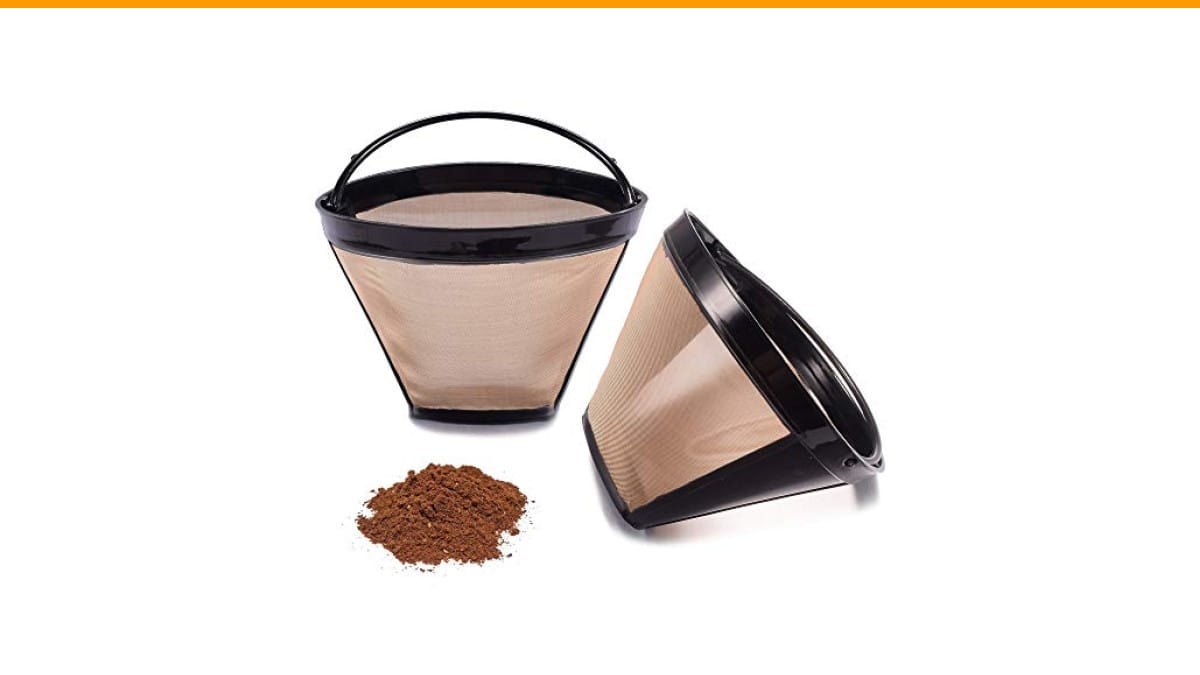
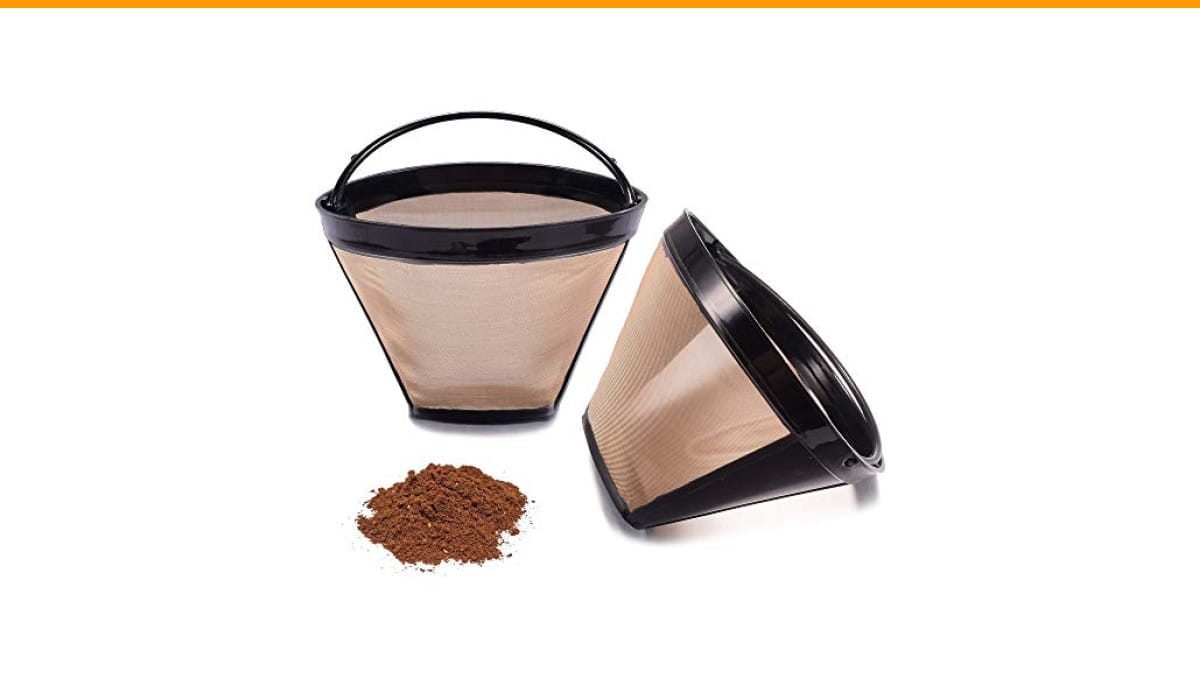
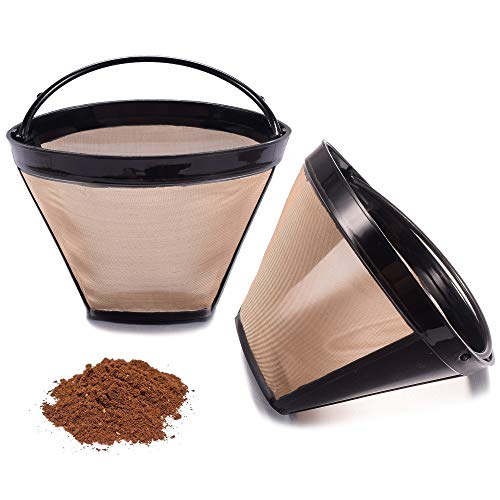
Reusable No.4 Cone Coffee Maker Filters for…
- Package come with 2 PCS #4 Cone Permanent Coffee Filters,easy to clean, repeated use,Save more money than disposable filters paper
- Using food grade stainless-steel woven mesh,the fine mesh makes the filtered coffee taste better.
- #4 cone coffee filter for Ninja coffee bar brewer.8-12 cups.As a replacement coffee filter for your coffee makers.
As an Amazon Associate I earn from qualifying purchases.
If you’re using a #4 cone style filter, a set like the Check Price on Amazon (two stainless steel mesh cones) gives you a spare so one can air dry while the other is in use. Stainless steel handles the dishwasher better than most materials, which we’ll get into shortly.
The Short Answer: Yes, But Only for Certain Materials
Dishwasher safety depends entirely on what your filter is made of. There’s no universal rule.
Stainless steel mesh filters (like the #4 cone style) generally survive dishwasher cycles without structural damage. The heat won’t warp them, and the detergent won’t corrode the metal. But that doesn’t mean the dishwasher is the best way to clean them.
Nylon and gold-tone filters are riskier. The high heat can warp the fine mesh, and aggressive detergent can degrade the plastic rim. Cotton and felt filters should never see a dishwasher — they’ll shred or clump beyond use.
So the real question isn’t can you put it in the dishwasher. It’s should you, given what it does to your coffee’s flavor.
Material-by-Material Dishwasher Safety Breakdown
Stainless Steel Mesh Filters
These are the workhorses of the reusable filter world. The woven mesh is tough, and the metal frame won’t melt or bend under normal dishwasher heat (typically 120–150°F).
The main issue isn’t damage — it’s residue. Dishwasher detergent leaves a microscopic film on the mesh. That film doesn’t rinse off completely, and it transfers directly into your next brew. The result is a flat, slightly soapy taste that masks the coffee’s natural oils.
If you run a stainless steel filter through the dishwasher, do it on a short cycle with no heated dry, and skip the rinse aid. We’ll cover the full protocol below.
Gold-Tone and Nylon Filters
Gold-tone filters are actually nylon mesh coated with a gold-colored finish. The coating is thin, and dishwasher detergent — especially the citrus or oxygen-bleach varieties — can strip it over time.
Nylon also has a lower melting point than you’d expect. Most nylon filters are rated for temperatures up to around 212°F, but the combination of heat and caustic detergent weakens the fibers. After a few cycles, you might notice the mesh stretching or the shape distorting. That changes how the coffee extracts, and not in a good way.
Hand wash these. It takes twenty seconds under warm running water.
Cotton and Felt Filters
Cotton filters (often used in pour-over setups) absorb oils and flavors. That’s part of their charm — they produce a clean cup with no sediment. But a dishwasher cycle will compress the fibers, and the heat will shrink them. Felt filters are even worse; they mat down and become unusable.
Neither should ever go near a dishwasher. Hand rinse them immediately after use, and replace them every few months when they start to smell musty.
Why the Dishwasher Ruins Coffee Flavor (The Detergent Film Problem)
Here’s the part most people don’t expect. Your dishwasher leaves behind more than water spots.
Dishwasher detergents contain surfactants that break down grease and food particles. Those same surfactants cling to the fine mesh of a coffee filter. Rinsing doesn’t remove them all — the mesh is too dense, and the soap molecules are too sticky.
When hot water hits that filter during your next brew, it releases the detergent film into your coffee. You won’t taste soap exactly. You’ll taste a dull, chemical bitterness that masks the coffee’s sweetness. It’s the same reason coffee tastes bitter after cleaning your machine with the wrong products.
If you’ve noticed your coffee tasting off after a dishwasher cycle, this is why. The fix is a vinegar soak — one part white vinegar to three parts water, thirty minutes, then a thorough rinse. That breaks down the detergent film and restores the filter’s performance.
The Hidden Risk: Hard Water and Mineral Buildup
Dishwashers are designed to handle hard water, but your coffee filter isn’t.
When hard water evaporates during the heated dry cycle, it leaves behind calcium and magnesium deposits. These minerals accumulate in the mesh’s tiny gaps. Over weeks, the buildup clogs the filter, slowing drainage and making your coffee over-extract. The result is a bitter, muddy cup that has nothing to do with your beans.
Hand washing with warm water doesn’t have this problem because you’re not baking the minerals onto the mesh. If you live in an area with hard water, the dishwasher is a worse choice for your filter than for almost anything else in your kitchen.
A monthly vinegar soak clears mineral deposits from any filter type. It’s cheap, it works, and it takes almost no effort.
How to Check if Your Specific Filter is Dishwasher-Safe
Before you trust a general rule, check your specific filter’s care instructions. Some manufacturers explicitly forbid dishwashers, and ignoring that can void your warranty.
Look for a small tag, an engraving on the frame, or the original packaging. If you bought it online, the product listing usually has a care section. The MJULY stainless steel filters, for example, are marketed as easy to clean — but the listing recommends hand washing to preserve the mesh’s integrity for the long term.
When in doubt, hand wash. The worst case for hand washing is a slightly stained filter. The worst case for a dishwasher is a warped, clogged, or soap-flavored filter that ruins your morning routine.
The “If You Must” Dishwasher Protocol
Sometimes the dishwasher is the only realistic option. Maybe you’re traveling, or you’re recovering from surgery, or you just hate hand washing. Fine. Here’s how to minimize the damage.
Step-by-Step Guide to Safe Dishwashing
- Scrape out all coffee grounds first. Rinse the filter under running water until the water runs clear. Grounds left on the filter can stain the mesh and clog your dishwasher’s drain.
- Place it on the top rack. The top rack is farther from the heating element, which means less heat exposure. Never put a coffee filter on the bottom rack.
- Skip the heated dry cycle. Turn it off if your dishwasher allows. Air drying prevents mineral deposits from baking onto the mesh.
- Use a mild detergent. Avoid gels with citrus or oxygen bleach. A simple powder or a free-and-clear pod is less aggressive.
- Remove the filter immediately after the cycle ends. Don’t let it sit in the humid dishwasher overnight. Humidity can cause rust on cheaper stainless steel and encourage mold growth in the mesh.
- Air dry completely before storing. A damp filter in a closed cabinet is a mold farm. Let it dry on a dish rack for a few hours.
Even with this protocol, expect some flavor degradation. The detergent film is hard to avoid entirely.
The Best Cleaning Routine (Hand Wash vs. Dishwasher vs. Deep Clean)
Here’s a realistic schedule that balances effort and coffee quality. It assumes you use your reusable filter daily.
| Frequency | Method | What It Does | Best For |
|---|---|---|---|
| After every use | Rinse under warm water, rub mesh with fingers | Removes oils and loose grounds | All filter types |
| Weekly | Hand wash with mild dish soap and a soft brush | Removes stubborn oils and residue | Stainless steel, gold-tone |
| Every 2–4 weeks | Vinegar soak (1:3 vinegar to water, 30 min) | Dissolves mineral buildup and detergent film | All filter types, especially in hard water |
| Occasionally | Dishwasher (top rack, no heated dry) | Sanitizes but risks residue | Stainless steel only |
That weekly hand wash takes about a minute. The vinegar soak takes five minutes of active time. Neither is a big ask.
If you skip the daily rinse, grounds dry onto the mesh and become much harder to remove. A quick rinse while the filter is still warm is the single best habit you can build.
Final Verdict: When to Hand Wash, When to Machine Wash
Hand washing wins for flavor, plain and simple. The dishwasher saves time but costs you coffee quality in ways you might not notice immediately.
Use the dishwasher only for stainless steel filters, and only occasionally. If you have a nylon, gold-tone, or cotton filter, never machine wash it. The risk of warping or coating damage isn’t worth the convenience.
Here’s what to remember:
- Stainless steel mesh is the only material that survives dishwasher cycles without structural damage.
- Dishwasher detergent leaves a bitter film that ruins coffee flavor — a vinegar soak fixes it.
- Hard water minerals bake onto mesh during heated dry cycles and clog the filter over time.
- Always check your filter’s care instructions; some brands void warranties on dishwasher use.
- If you must use the dishwasher, top rack, no heated dry, and remove the filter immediately.
- Hand rinse after every use — it takes ten seconds and prevents most buildup.
- Deep clean monthly with vinegar to keep any filter tasting fresh.
Your reusable filter is a small investment in better coffee and less waste. Treat it like the precision tool it is, and it’ll last for years. Throw it in the dishwasher carelessly, and you’ll be replacing it — and wondering why your coffee tastes flat — much sooner than you’d like. For more on keeping your coffee gear in top shape, check out our guide on burr vs. blade grinders and how they affect your brew.
Products related to this article
Sponsored / affiliate links. As an Amazon Associate I earn from qualifying purchases. I may earn additional commission from eligible campaigns.