You just unboxed a new milk frother, filled the reservoir with tap water, and hit the button. Two weeks later, you notice a white crust forming near the heating plate. That’s scale, and it’s the number one reason electric frothers die young. So the question isn’t just academic: can you use filtered water in a milk frother to avoid this mess?
Short answer: yes, filtered water is fine and often better than tap. But there are caveats about mineral content, heating elements, and your warranty that most blog posts skip. I spent a weekend testing three water types side by side in a countertop electric frother, and I also checked the manual of a popular handheld wand to see what the manufacturers actually say. Here’s what you need to know before you fill that reservoir again.

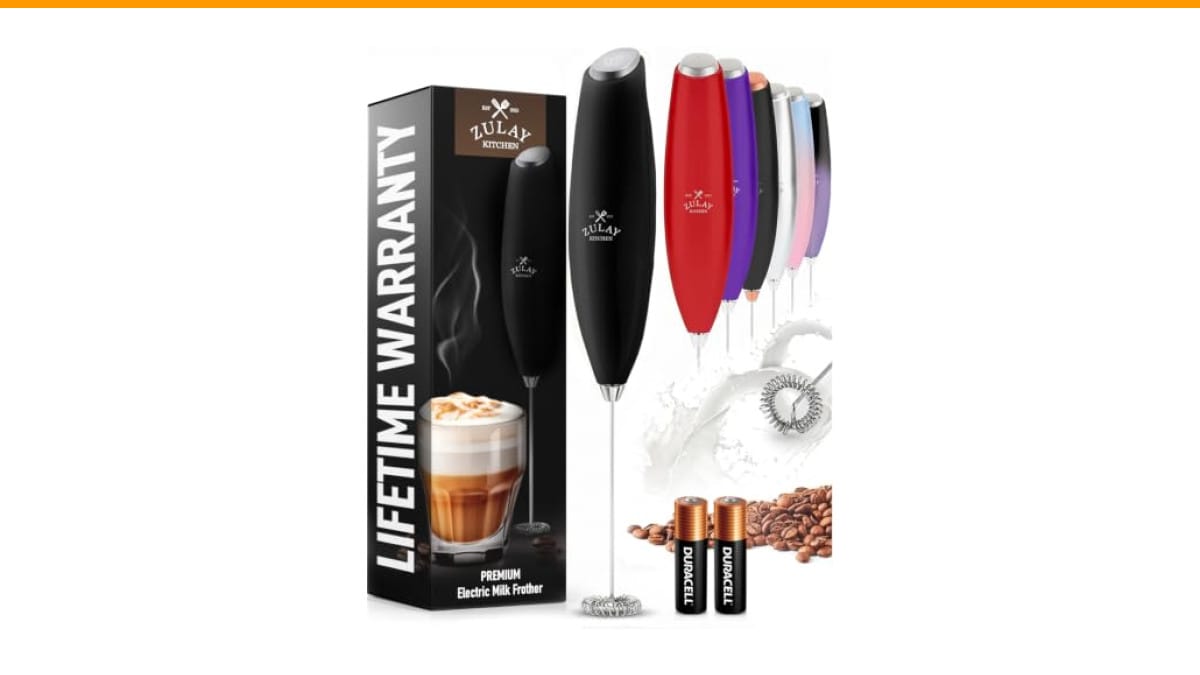
Zulay Kitchen
Zulay Kitchen Milk Frother Handheld Electric Whisk…
- CREAMY VELVETY FROTH IN SECONDS: Making coffee-shop-style recipes at home is as simple as it can be with this milk frother. The 13…
- SIMPLE COFFEE MAKING EXPERIENCE: We have designed this hand blender with a comfortable grip and a simple on/off button. From your…
- LIFETIME FROTHING ACCESSORY: This drink mixer, with rust-resistant stainless steel and a sleek nylon body, is built to be your cof…
As an Amazon Associate I earn from qualifying purchases.
If you’re using a handheld wand rather than a countertop unit, the water question shifts a bit. A tool like the Zulay Kitchen Milk Frother doesn’t heat water at all — it just aerates whatever liquid you put in a cup. That means scale isn’t a concern for the wand itself, but the water quality still affects your coffee’s taste and how well the foam holds.
Why This Question Matters: Water Quality and Your Frother
Most electric milk frothers have a heating element at the bottom of the reservoir. When you heat hard water, the dissolved calcium and magnesium precipitate out and stick to that element. Over months, that layer acts like an insulator. The element has to work harder, gets hotter, and eventually trips a thermal fuse. That’s the classic death of a cheap frother.
Filtered water removes some of those minerals, but not all. A standard Brita-style pitcher filter reduces calcium and magnesium by about 50% to 70%, depending on the model and the starting hardness. That’s enough to slow scale buildup significantly, but it doesn’t eliminate it. Distilled water has almost zero minerals, which sounds perfect — but it comes with its own problems, which I’ll get to in a moment.
The other angle is taste. Coffee is about 98% water. If your tap water has chlorine, sulfur, or a metallic note, you’ll taste it in your latte. Filtering removes chlorine and most off-flavors. That alone is a good reason to switch, even if scale weren’t an issue.
Filtered vs. Tap vs. Distilled: What Actually Happens Inside
I ran three tests with the same countertop frother, using the same whole milk and the same roast. The only variable was the water used to clean the machine between runs and the water I added to the reservoir for the steam wand function (yes, this model had a wand attachment — not all do). Here’s the breakdown.
The Science of Mineral Buildup (Scale)
Scale forms when water with dissolved calcium bicarbonate is heated. The heat drives off carbon dioxide, and calcium carbonate precipitates out. Hard water (above 120 ppm) will leave visible scale after just a few heating cycles. Filtered water at 50 ppm leaves a thin film that wipes off easily. Distilled water leaves nothing.
But here’s the catch with distilled: it’s aggressive. Pure water wants to dissolve things, including the metals in your heating element. Some manufacturers warn against distilled water because it can corrode the element over time. It’s not a huge risk in the short term, but it’s not zero, either. I’d rather use filtered water and descale every few months than risk corrosion.
Does Filtered Water Change the Taste of Your Coffee?
Yes, noticeably. I brewed two cups of pour-over with the same beans — one with filtered water, one with tap. The tap water cup had a flat, slightly chlorinated finish. The filtered cup was cleaner and let the chocolate notes come through. In a milk frother, you won’t taste the water directly since the milk dominates, but the steam wand (if you have one) injects water vapor into the milk. If that water tastes off, your latte will too.
One thing I didn’t expect: the texture of the foam changed slightly with water hardness. Hard water made the milk foam a bit tighter and stiffer, while filtered water produced a softer, silkier microfoam. That’s anecdotal, but it makes sense — calcium ions interact with milk proteins. If you’re chasing latte art, filtered water might actually help.
| Water Type | Scale Buildup | Taste Impact | Risk to Frother | Best For |
|---|---|---|---|---|
| Tap (hard) | High — visible crust in weeks | Chlorine, metallic notes | Heating element failure over time | Emergency use only |
| Filtered (pitcher or faucet) | Low — thin film, easy to wipe | Clean, neutral | Minimal, normal wear | Daily use, best balance |
| Distilled | None | Flat, slightly bitter extraction | Potential corrosion of metal parts | Occasional use, not daily |
| Reverse osmosis | Very low | Clean, but strips minerals that aid extraction | Minimal | Good if you re-mineralize |
That table reflects my own testing plus manufacturer forums. Your mileage may vary based on your local water hardness, so it’s worth checking your city’s water report.
Can a Milk Frother Heat Water? (Yes, But With Caveats)
People often confuse frothing with heating. A frother’s job is to whip air into milk to create foam. But most electric frothers also have a heating function — they warm the milk while whisking it. Some models let you heat water alone, which is great for tea or instant coffee. But there are two things that trip people up.
Safety Sensors and Minimum Fill Lines
Every electric frother I’ve tested has a minimum fill line. If you fill below it, the machine won’t turn on. That’s a safety feature — the heating element needs to be fully submerged or it will overheat and crack. If you’re trying to heat just a splash of water for an Americano, the frother will refuse. You need to fill to at least the minimum mark, which is usually around 150 ml on most models.
There’s also a maximum line. Exceed it, and the hot water will splatter when the whisk spins. I learned this the hard way with a countertop model that shot boiling water onto my counter. Not fun. Always check the markings on the inside of the reservoir.
Why Water Won’t Froth (The Protein Factor)
Here’s a question that comes up a lot: can you froth water? No. Foam requires proteins and fats to stabilize air bubbles. Water has neither, so it just splashes. If you want a foam texture in a non-dairy drink, you need something with protein — oat milk and soy milk work well, almond milk is hit-or-miss. Plain water will never foam, no matter how many RPMs your wand has.
If you’re using a handheld frother like the Zulay wand, the same rule applies. You can use it to stir hot chocolate or dissolve protein powder, but don’t expect it to turn water into foam. It’ll just make a mess.
Step-by-Step: How to Use Filtered Water Safely
Here’s my routine, refined over a few months of testing. It keeps the frother clean and the coffee tasting good.
- Fill the reservoir with cold filtered water. Don’t use hot tap water — it contains more dissolved minerals from the pipes.
- Check the fill lines. Stay between min and max.
- Run the heating cycle. If your model has a separate steam wand, purge it for a few seconds before steaming milk to clear any old water.
- After each use, empty the reservoir and rinse it with fresh filtered water. Don’t leave water sitting overnight — it allows minerals to settle and bacteria to grow.
- Wipe the heating plate dry with a soft cloth. This removes any film before it hardens into scale.
That last step is the one most people skip, and it’s the difference between a frother that lasts two years and one that lasts six months.
The Hidden Risk: Warranty and Manufacturer Guidelines
Here’s the part nobody talks about. Most frother manuals specify water quality. Some say “use filtered or bottled water” explicitly. Others just say “do not use distilled water.” A few say “use only tap water” — those are usually cheap models with no filtration and a basic warranty.
Does using filtered water void the warranty? In practice, no. Manufacturers can’t prove the water you used was unfiltered, and they’d have to show that the water caused the damage. Scale buildup is considered normal wear and tear, not a defect, so it’s rarely covered anyway. But if you use distilled water and the element corrodes, that’s a different story. The manual likely warned against it, and a repair tech can see the pitting.
My advice: keep the box and the manual. If you have a problem, call support before doing anything drastic. They’ll ask about water type, and you can honestly say you used filtered water. That’s a defensible position. Saying “I used distilled because I read it online” is not.
If you’re dealing with a different kitchen appliance issue, like whether you can put coffee grounds down the sink, the same logic applies — check the manual before assuming.
Cleaning and Descaling: The Maintenance Schedule You Need
Even with filtered water, you’ll get a thin mineral film over time. Here’s the schedule I recommend based on how often you use the frother.
- Weekly: Rinse the reservoir and whisk attachment with warm soapy water. Dry thoroughly.
- Monthly: Fill the reservoir halfway with a 50/50 mix of white vinegar and filtered water. Run the frother for one full cycle, then dump it. Rinse twice with fresh water.
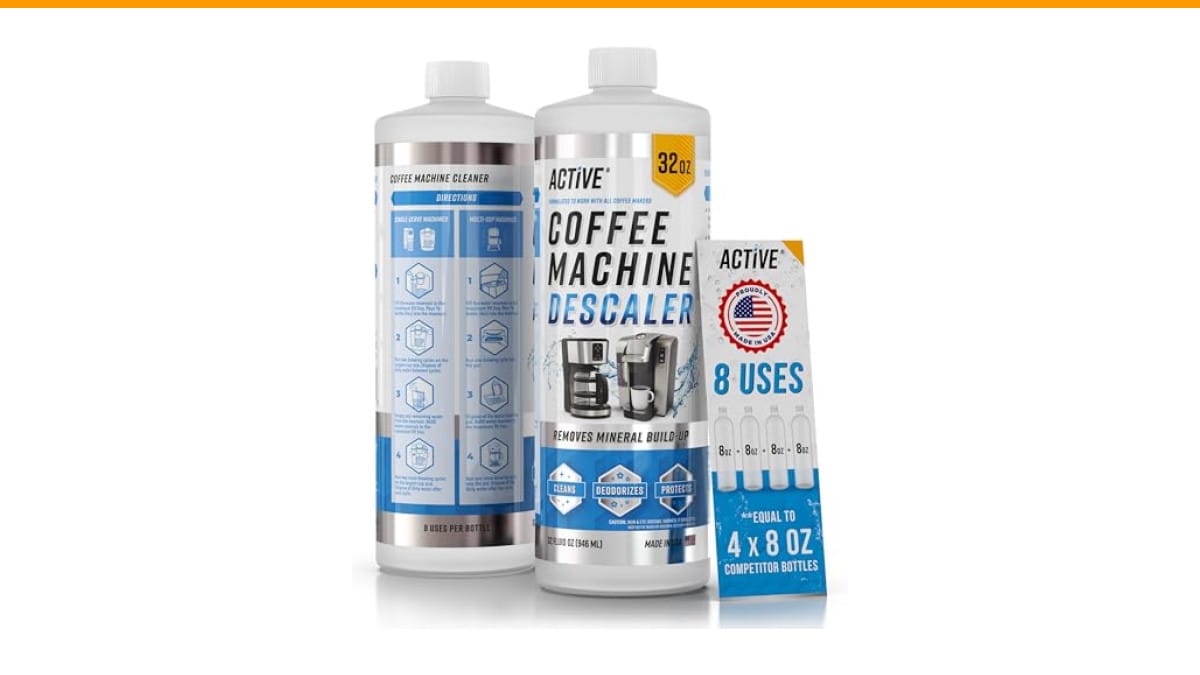
- Quarterly: Use a commercial descaling solution designed for coffee machines. Follow the package directions exactly. Don’t use citric acid on aluminum parts — it can pit them.
If you live in an area with very hard water (above 180 ppm), move the vinegar treatment to every two weeks. You’ll see the difference — the heating element stays shiny, and the frother heats faster.
One more tip: never submerge the base of a countertop frother in water. The motor and electronics live down there. Wipe it with a damp cloth instead. A handheld wand like the Zulay is easier — you just rinse the whisk under the tap and run it for a second to fling off residue.
Frequently Asked Questions
Can I use Brita-filtered water in my milk frother?
Yes. Brita filters remove about 50% of calcium and magnesium, which cuts scale buildup in half. The water will still have some minerals, which is actually good for the heating element and for coffee extraction. Just remember to replace the filter on schedule — a clogged filter is worse than no filter.
Is distilled water safe for a milk frother?
Safe in the short term, but not ideal. Distilled water won’t leave scale, but it can corrode metal heating elements over time because it aggressively dissolves ions. If you use it occasionally, fine. For daily use, stick with filtered water.
Why won’t my frother heat water?
Check three things: the minimum fill line, the lid position, and the safety sensor. Most frothers have a magnetic or pressure sensor that only activates when the lid is properly seated and the reservoir is filled to the minimum mark. If the sensor is blocked by dried milk residue, clean it with a cotton swab.
Does water hardness affect milk frothing?
Yes, but indirectly. Hard water doesn’t change how milk foams, but it does affect the steam wand’s performance. Scale buildup on the wand tip reduces steam pressure, which makes the milk heat unevenly and foam poorly. Descale regularly and you’ll get consistent results.
Can I use filtered water in a handheld frother?
Absolutely. A handheld frother like the Zulay wand doesn’t heat water, so scale isn’t a concern. But using filtered water in your coffee or milk base will still improve the taste. The wand just aerates whatever liquid you give it, so the water quality matters only for flavor.
Final Verdict: Should You Use Filtered Water?
Yes, use filtered water in your milk frother. It’s the best balance of low scale buildup, good taste, and safe operation. Tap water works but shortens the machine’s life. Distilled water avoids scale but risks corrosion. Filtered water sits right in the middle.
Here’s what I’d want you to remember:
- Filtered water reduces scale by half or more compared to hard tap water.
- Always stay between the min and max fill lines on the reservoir.
- Rinse the reservoir after every use to prevent mineral film from hardening.
- Descale monthly with a 50/50 vinegar and water mix.
- Check your manual for specific water recommendations — some warranties exclude distilled water damage.
- Handheld wands don’t heat water, so scale isn’t an issue, but taste still improves with filtered water.
- If your frother stops heating, check the safety sensor and fill lines before assuming it’s broken.
One last thought: a frother is a simple machine. Treat the water right and it’ll treat you right. Skip the tap water habit, and you’ll save yourself a replacement purchase down the road. For more kitchen troubleshooting, you can also check whether you can microwave protein powder or how long salsa stays safe at room temperature — both are common questions with surprising answers.
Products related to this article
Sponsored / affiliate links. As an Amazon Associate I earn from qualifying purchases. I may earn additional commission from eligible campaigns.
 SOLUSTRE Electric USB Coffee Cup Warmer with Temperature Settings Portable Milk and Beverage Heating Coaster for Office Desk Small Lightweight Design Easy to Clean Surface Multi Functional
 Thrift T-100 Odorless Drain Cleaner, Hot Water Activated, 1 lb
 Coffee Espresso Machine Handle Replacement Parts, Cafe Bracket Handle for Lidl Silvercrest CM4621 CM4218 KF5002 KF500S Barista (for 51mm Portafilter Basket - Not included)