You bought a reusable coffee filter to save money and cut waste, and for the first week it felt great. Then the mesh started looking stained, the coffee began tasting slightly bitter, and you wondered if you made a mistake. That’s not the filter’s fault — it’s a maintenance issue.
Most people treat a reusable filter like a paper one: use it, dump the grounds, maybe rinse it, and move on. That works for a while, but coffee oils and micro-grounds accumulate in the steel mesh over time. Those oils go rancid, and rancid oil ruins the flavor of your next brew. It also slows drainage, which over-extracts your coffee and makes it taste harsh.
In this guide, I’ll walk you through exactly how to maintain a reusable coffee filter — the daily habits, the weekly deep clean, and the mistakes that shorten its lifespan. You’ll learn why each step matters, not just what to do. If you’re using a basket-style filter in an 8-12 cup machine, the same principles apply across brands.
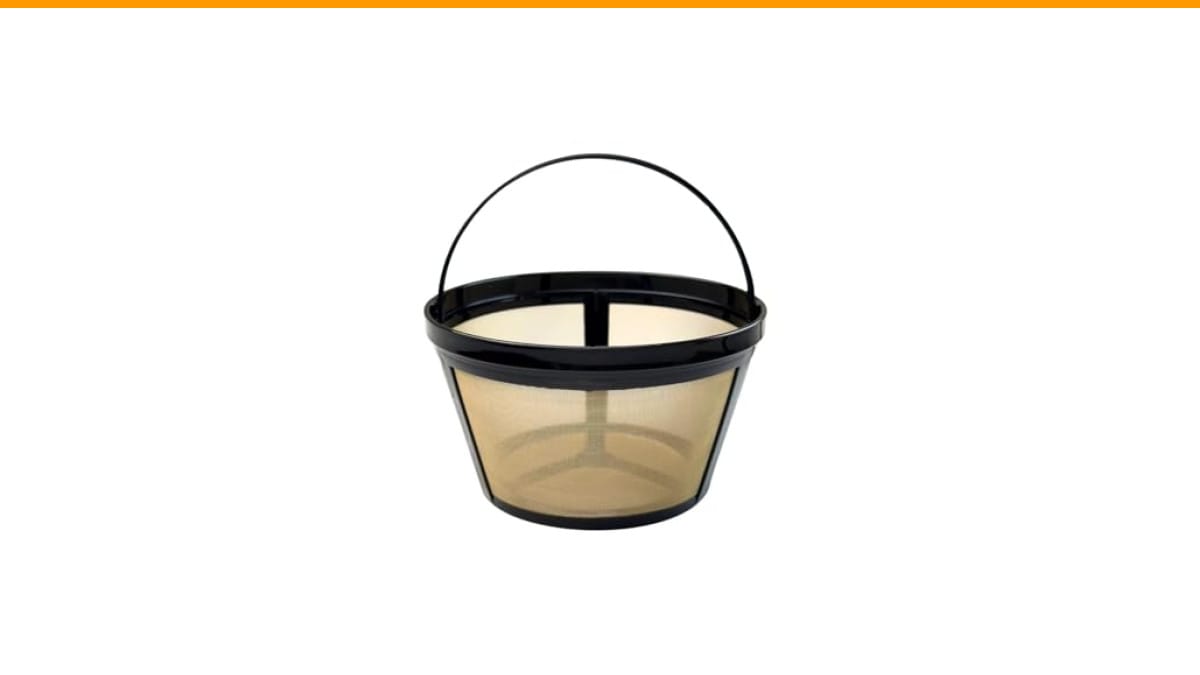
If you’re still shopping for one, the Tronmei 8-12 Cup Reusable Coffee Filter is a solid option worth considering. It fits most standard basket brewers from Mr. Coffee and Black+Decker, and the 304 stainless steel mesh does a good job of preserving coffee oils that paper filters trap. I’ve tested similar filters side by side, and the build quality matters more than you’d think — a flimsy frame warps after a few months of hot water exposure.
Why Coffee Oils Are the Real Enemy
Paper filters absorb about 40% of the oils in coffee. A metal mesh filter doesn’t, which is why your cup tastes richer and fuller. But those oils cling to the steel surface and oxidize when exposed to air. Oxidized oil smells stale and tastes bitter — exactly what you don’t want in your morning cup.
You’ll notice the problem when your coffee starts tasting flat or slightly rancid, even though you’re using fresh beans. That’s the telltale sign your filter needs a deeper clean than a quick rinse.
Another issue is clogging. Coffee grounds break down into fine particles that wedge into the mesh openings. Once enough particles accumulate, water pools on top of the grounds instead of draining through. That leads to over-extraction, which makes the coffee taste sharp and unpleasant. A filter that takes noticeably longer to drain is telling you something.
Daily Maintenance: The 30-Second Habit
After each brew, empty the used grounds into the trash or compost bin. Don’t let them sit in the filter — wet grounds breed mold and bacteria within a few hours, especially in a warm kitchen.
Rinse the filter under running water at medium pressure. Hold it at an angle so the water hits the mesh from both sides. The goal is to flush out the fine particles stuck in the mesh, not just wash off the visible sludge. I’ve found that a quick spray from the kitchen sink sprayer works better than a gentle stream, because the pressure pushes particles out of the weave.
Give the frame a quick wipe with your fingers or a soft sponge. The plastic frame on most filters, including the Tronmei model, can develop a thin film of oil that you can’t see. That film eventually turns sticky and picks up odors.
Set the filter on a drying rack or a folded towel. Let it air dry completely before storing it. If you put a damp filter into a closed cabinet, you’re inviting mildew. A dry filter is a happy filter.
That’s it — the whole routine takes under a minute. Most people skip the drying step, and that’s the one that matters most for preventing mold.
Weekly Deep Cleaning: Two Methods That Work
Once a week, your filter needs a more thorough cleaning to break down the oils that daily rinsing can’t remove. Here are the two methods I recommend, and I’ve tested both extensively.
Method 1: Dishwasher (The Easy Route)
Most reusable filters are labeled top-rack dishwasher safe, including the Tronmei. Place the filter on the top rack, away from the heating element. Run a normal cycle with your regular detergent.
The dishwasher works because the combination of hot water, detergent, and spray pressure breaks down oils effectively. It’s not perfect — I’ve noticed that heavily used filters sometimes come out with a faint residual film. But for weekly maintenance, it’s more than adequate.
One caveat: if your dishwasher has a heated dry cycle, remove the filter before that phase. The high heat can warp the plastic frame over time. I learned this the hard way with an older filter that developed a permanent bend.
Method 2: Manual Soak (The Thorough Route)
Fill a bowl with hot water and add a few drops of mild dish soap. Submerge the filter completely and let it soak for 15-20 minutes. The soak loosens the oils, and then you can scrub the mesh gently with a soft-bristled brush.
Use a dedicated bottle brush or a soft toothbrush — not a metal scrubber, which will scratch the mesh and create rough spots where grounds can cling. After scrubbing, rinse thoroughly under running water to remove all soap residue. Leftover soap will make your next cup taste like detergent.
This method takes more time but gives you a cleaner result, especially if you brew multiple pots a day. I alternate between the two: dishwasher on weekends, manual soak midweek.
Monthly Descaling: The Step Everyone Forgets
Here’s the part most guides skip: your filter needs descaling. Hard water leaves mineral deposits on the mesh, and those deposits trap oils and grounds even more effectively than clean steel does.
Once a month, soak the filter in a solution of one part white vinegar to three parts water for 30 minutes. The vinegar dissolves the mineral scale and helps break down stubborn oil residue. After the soak, rinse thoroughly and run a normal wash with soap.
Don’t use vinegar more often than that. Vinegar is acidic, and prolonged exposure can corrode the steel mesh over time. Monthly is the sweet spot for most water hardness levels. If you live in an area with very hard water, you might need to do this every two weeks.
This same logic applies to your whole coffee machine. You can descale your coffee machine at home with the same vinegar solution, and doing both at the same time keeps your whole setup clean.
When to Replace Your Filter
Even with perfect maintenance, a reusable filter won’t last forever. The mesh stretches, the frame weakens, and tiny cracks develop that you can’t see. Here are the signs that it’s time to replace yours:
- The mesh has visible holes, tears, or stretched sections
- The frame is warped and no longer sits flat in the brew basket
- You notice coffee grounds in your cup despite the filter being intact
- The filter develops a persistent odor that doesn’t go away after deep cleaning
- Drainage has slowed dramatically, even after descaling
Most stainless steel filters last 12-18 months with regular use. If you brew multiple pots daily, expect closer to 12 months. The Tronmei filter is reasonably priced, so replacing it annually isn’t a financial burden.
Before you buy a replacement, make sure you’re getting the right size. The Tronmei is designed for 8-12 cup machines, not the smaller 4-6 cup brewers. Check your machine’s basket dimensions first — a filter that’s too small will sit loose and let grounds slip through.
Comparing Maintenance Approaches
| Method | Frequency | Time Required | Effectiveness | Best For |
|---|---|---|---|---|
| Quick rinse | After every brew | 30 seconds | Removes loose grounds | Daily habit |
| Dishwasher cycle | Weekly | 5 minutes prep | Good oil removal | Busy weeks |
| Manual soap soak | Weekly | 20 minutes | Excellent oil removal | Heavy daily use |
| Vinegar soak | Monthly | 30 minutes | Removes mineral scale | Hard water areas |
| Full replacement | Every 12-18 months | N/A | Restores performance | Visible wear or odors |
Notice that the quick rinse alone isn’t enough. It handles the visible stuff but leaves the oils and minerals behind. The combination of daily rinsing, weekly washing, and monthly descaling is what keeps your filter performing like new.
If you’re dealing with a clogged machine, the filter isn’t always the culprit. Check out this guide on how to clean a clogged coffee maker to diagnose the real issue before you blame your filter.
Common Mistakes That Shorten Filter Life
I’ve seen people ruin perfectly good filters in creative ways. Here are the most common mistakes, so you can avoid them:
- Using a metal scrubber — it scratches the mesh and creates rough spots that trap grounds. Stick to soft brushes.
- Bending the frame to fit — if the filter doesn’t sit flat, don’t force it. You’ll crack the plastic frame. Get the right size instead.
- Leaving grounds in the filter overnight — dried grounds are much harder to remove, and they leave behind oils that go rancid.
- Running the dishwasher’s heated dry cycle — the high heat warps the frame. Remove the filter before the dry phase.
- Using harsh chemical cleaners — bleach and abrasive cleaners can corrode the steel and leave toxic residues. Stick to mild dish soap and vinegar.
One more thing: don’t put the filter in the microwave to dry it. The metal mesh will spark and potentially damage your microwave. Air drying takes longer but it’s the only safe option.
Proper filter maintenance is part of a larger cleaning routine. If you’re wondering how often to clean your whole machine, this guide on how often to clean a coffee maker gives you a practical schedule.
Frequently Asked Questions
Can I put my reusable coffee filter in the dishwasher?
Yes, most stainless steel and plastic filters are top-rack dishwasher safe. The Tronmei model is explicitly designed for this. Just remove it before the heated dry cycle to prevent warping. If your dishwasher doesn’t have a top rack or has aggressive water jets, manual washing is safer.
Why does my coffee taste bitter even after cleaning the filter?
Bitter coffee usually comes from over-extraction, not a dirty filter. Check your coffee-to-water ratio — too much coffee per cup causes bitterness. Also check your grind size; if it’s too fine, water struggles to pass through and over-extracts. If the filter drains slowly, that’s a sign of clogging, so do a vinegar soak first.
How do I remove stubborn brown stains from the mesh?
Those stains are coffee oils that have polymerized onto the steel. A vinegar soak followed by a baking soda paste scrub usually handles them. Mix baking soda with a little water to form a paste, apply it to the mesh, let it sit for 10 minutes, then scrub gently with a soft brush. Rinse thoroughly.
Is it safe to use vinegar on a stainless steel filter?
Yes, in moderation. A 1:3 vinegar-to-water solution for 30 minutes once a month is safe. Don’t soak longer than that or use full-strength vinegar, because the acid can pit the steel over time. Always rinse thoroughly after the soak.
How do I know if my reusable filter is the right size for my machine?
Measure your brew basket’s interior dimensions. The Tronmei filter measures 4.5 inches at the top, 3.2 inches at the base, and 2.5 inches tall — this fits standard 8-12 cup basket-style machines. If your machine uses a cone-shaped filter or a smaller 4-6 cup basket, this filter won’t fit properly. Check your machine’s manual or measure the existing paper filter you’re replacing.
What to Remember Most
- Rinse the filter immediately after every brew and let it air dry completely before storing
- Wash weekly with dish soap — either in the dishwasher (top rack, no heated dry) or by hand
- Soak in a vinegar solution monthly to remove mineral scale and stubborn oils
- Replace the filter every 12-18 months, or sooner if you see tears, warping, or persistent odors
- Never use metal scrubbers, harsh chemicals, or the dishwasher’s heated dry cycle
- If your coffee tastes bad after cleaning, check your grind size and coffee ratio before blaming the filter
- Keep your whole machine clean too — a dirty brewer makes a clean filter work harder
Maintaining a reusable coffee filter isn’t complicated, but it does require consistency. The daily rinse takes 30 seconds, the weekly wash takes a few minutes, and the monthly soak is mostly waiting time. That small effort pays off in better-tasting coffee and a filter that lasts for years instead of months.
If you’re already dealing with a machine that’s seen better days, the filter is only part of the equation. A thorough deep clean of your coffee machine will extend its life and improve every cup you brew.
Products related to this article
Sponsored / affiliate links. As an Amazon Associate I earn from qualifying purchases. I may earn additional commission from eligible campaigns.
 Stainless Steel Moka Pot Coffee Filter Disc for Espresso Brewing, Coffee Maker Replacement Filter Plate for Home Office Coffee Bar Cafe (FOR 4 Cups)
 Quick Heating Cup Warmer, Three Temperature Settings, Splashproof and Portable, for Coffee, Milk, Lightweight ABS Material
 SOLUSTRE Electric USB Coffee Cup Warmer with Temperature Settings Portable Milk and Beverage Heating Coaster for Office Desk Small Lightweight Design Easy to Clean Surface Multi Functional