You pour a cup, get distracted by an email, and come back twenty minutes later. The coffee in your glass carafe has gone lukewarm, and that bright, lively flavor you tasted in the first sip is now flat and slightly sour. It’s a familiar annoyance. You start wondering if a thermal carafe would have kept that pot hot and delicious. It’s a fair question, and the answer isn’t as simple as picking the one with better insulation. The choice between a coffee carafe vs thermal carafe comes down to how you actually drink coffee, not just what looks good on your counter.
Cuisinart
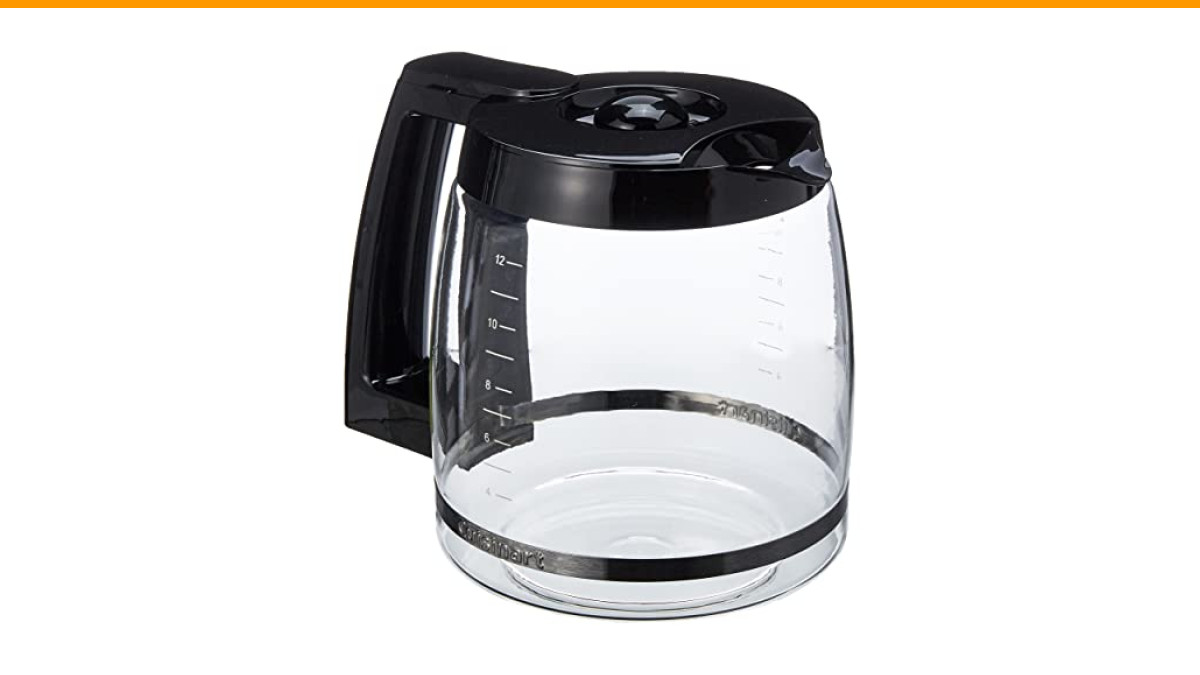
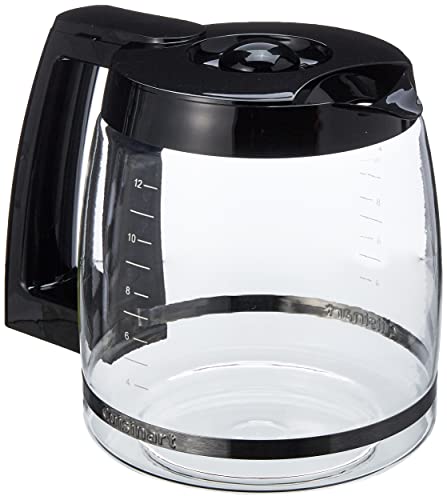
Cuisinart DCC-1200PRC 12-Cup Replacement Glass Carafe
- CAPACITY: 12-Cup glass carafe holds 60 fluid ounces. *Cup disclaimer 1cup = 5oz, varies on brewing technique*
- CARAFE FEATURES: ergonomic comfort grip black handle, dripless spout, lid, and knuckle guard for added protection
- WASHING INSTRUCTIONS: Wash carafe and lid in warm, soapy water and rinse thoroughly or place in the dishwasher on the upper rack o…
As an Amazon Associate I earn from qualifying purchases.
This guide breaks down the real differences using the Cuisinart DCC-1200PRC 12-cup glass carafe as our reference point. We’ll look at heat retention, flavor changes over time, cleaning habits, and the long-term cost of replacing things. You’ll get a clear decision framework based on your drinking speed and tolerance for maintenance, not a generic pros-and-cons list.
The Core Difference: Heat Retention vs. Immediate Feedback
A glass carafe sits on a hot plate. That’s its whole heating strategy. The Cuisinart DCC-1200PRC holds 60 fluid ounces (12 cups, though each cup is measured at 5 ounces), and it relies on the brewer’s warming element to keep the coffee hot after the brew cycle ends. The glass itself does nothing to retain heat. The moment you lift it off the plate, the temperature starts dropping.
A thermal carafe works differently. It uses vacuum insulation, usually stainless steel, to keep the coffee at a consistent temperature for hours without any external heat source. No hot plate, no scorching, no burnt taste on the bottom. But you lose the visual feedback. You can’t see the coffee level, and you can’t watch the brew drip through.
That trade-off matters more than most people expect. Glass gives you immediate sensory input. You see the color, you judge the strength, you know exactly how much is left. A thermal carafe is a sealed box. You pour and hope.
The 30-Minute Rule: How Your Drinking Speed Decides
Here’s a simple rule of thumb that cuts through the marketing noise. If you finish a pot within 30 minutes, a glass carafe is completely fine. If you stretch your coffee over an hour or more, a thermal carafe wins. It’s not about quality. It’s about the timeline of flavor degradation.
Coffee’s flavor profile changes as it sits. The volatile aromatic compounds that give coffee its sweetness and floral notes evaporate quickly. Oxidation kicks in, and the bright, acidic notes start to dull. After about 45 minutes on a hot plate, the coffee develops a bitter, almost metallic edge. A thermal carafe slows this process significantly because it limits both heat loss and oxygen exposure.
The Glass Carafe Advantage: Visual Clarity and Flavor Brightness
Glass carafes like the Cuisinart DCC-1200PRC have a distinct flavor advantage in the first few minutes after brewing. The coffee stays in contact with the glass, which doesn’t impart any flavors of its own. You get the cleanest, brightest cup possible right off the brew cycle. That’s why pour-over enthusiasts and coffee snobs often prefer glass. They want to taste the origin notes without any interference.
You also get the visual check. The brewer markings on this carafe range from 2 to 12 cups, so you can see exactly how much coffee you’ve made. That’s genuinely useful if you brew different amounts on different days. And if you need to pre-heat the carafe, you can just run hot water into it. Glass handles that fine, as long as you don’t shock it with boiling water straight from the tap into a cold carafe.
One thing to note: the DCC-1200PRC has an ergonomic handle and a knuckle guard. That sounds like a minor detail, but it makes a real difference when you’re pouring a full pot with one hand while holding a mug with the other. The dripless spout also works well in practice, though it’s not perfect. You’ll still get a drop or two on the counter if you tilt it too fast.
The Thermal Carafe Advantage: Consistent Temperature and Durability
A thermal carafe keeps coffee hot for hours. That’s the headline feature, and it’s why so many office coffee makers and higher-end home brewers ship with them. The vacuum insulation does the job. You pour a cup at 9 AM, and the coffee is still drinkable at 11 AM. No hot plate required, which also means no energy wasted on keeping a warming element running.
Durability is the other big win. Glass carafes break. It’s a fact. You drop one, or you knock it against the sink, and you’re ordering a replacement. A thermal carafe, with its stainless steel body, can take a lot more abuse. That’s a practical consideration for households with kids, clumsy partners, or tight countertops.
The downside is the flavor profile. Stainless steel can sometimes impart a faint metallic taste, especially with cheaper models. And because the carafe is sealed, you can’t watch the brew. You also can’t pre-heat it as easily. Pouring hot water into a vacuum-insulated container is a waste of time, since the insulation will just keep the water hot instead of warming the carafe’s interior.
The Hidden Factor: Glass-Lined Thermal Carafes (The Best of Both?)
There’s a middle ground that most buyers don’t know about: glass-lined thermal carafes. These have a vacuum-insulated exterior but a glass interior lining. You get the heat retention of a thermal carafe and the neutral flavor of glass. No metallic taste, no flavor degradation from the container itself.
The catch is cost and fragility. Glass-lined thermal carafes are more expensive than either plain glass or standard stainless steel models. And the glass lining can still crack if you drop it, which defeats the durability advantage. They’re a niche product, but worth considering if you want the best of both worlds and don’t mind the premium.
For most home users, though, the decision comes down to your drinking habits, not the exotic options. If you drink coffee like a typical American – one cup in the morning, maybe a second after lunch – a glass carafe is perfectly fine. If you’re someone who sips all morning while working from home, the thermal route makes more sense.
Practical Trade-Offs: Cleaning, Pouring, and Countertop Space
Cleaning is where glass carafes win outright. The Cuisinart DCC-1200PRC is dishwasher safe on the upper rack. You can also wash it in warm, soapy water. That’s it. No special brushes, no disassembly, no worrying about damaging a vacuum seal. Glass is also less prone to staining than stainless steel, though coffee oils can still build up over time if you don’t rinse it regularly.
Thermal carafes are a pain to clean. The narrow opening makes it hard to reach the bottom, and many models aren’t dishwasher safe. You need a bottle brush and a lot of patience. Coffee oils and residue accumulate in the crevices, and over time, that can affect the taste of your brew. It’s a maintenance burden that many owners don’t anticipate.
Pouring dynamics differ too. The DCC-1200PRC has a dripless spout and a comfortable grip, so you get a controlled, predictable pour. You can see the coffee level as you pour, which helps avoid overfilling your mug. Thermal carafes often have a push-button or lever mechanism that releases the coffee. That’s fine, but it can be slower and less precise. You also can’t see how much coffee is left without opening the lid.
Countertop space is another factor. A glass carafe sits on the hot plate, which means it takes up the same footprint as the brewer. A thermal carafe is usually taller and narrower, which can fit under a cabinet more easily. But you’ll need to store it somewhere when it’s not in use, and it doesn’t stack as neatly as a glass carafe.
The Real Cost of Ownership: Replacement Parts and Lifespan
Let’s talk about the long game. A glass carafe like the Cuisinart DCC-1200PRC is a replacement part. It’s designed to be swapped out when it breaks. The good news is that it’s widely available and compatible with a range of Cuisinart brewers, including the CHW-12, DCC-1100BK, DCC-1200, DCC-2650, DGB-550BK, DGB-625BC, DGB-700BC, and SS-12. That’s a solid list, so you won’t be hunting for a discontinued model.
The bad news is that glass carafes break. Maybe once every couple of years, maybe more often if you’re clumsy. Each replacement costs money, and that adds up over time. A thermal carafe, on the other hand, rarely needs replacing. The stainless steel body can dent but won’t shatter. The vacuum seal can fail after several years, but that’s not common.
There’s also the energy angle. A hot plate keeps drawing power as long as the carafe is on it. If you leave the brewer on all morning, that’s wasted electricity. A thermal carafe doesn’t need a hot plate, so you can turn the brewer off immediately after the brew cycle. That’s a small environmental and cost benefit that most people overlook.
If you’re dealing with a brewer that’s not performing well, check out our guide on brewing issues before you blame the carafe. Sometimes the problem is a clogged line or a faulty heating element, not the glass.
The Verdict: A Decision Matrix for Your Kitchen
Here’s a simple way to decide. Answer two questions. How fast do you drink a full pot? And how much do you hate cleaning coffee equipment?
| Your Situation | Best Choice | Why |
|---|---|---|
| Drink a pot in under 30 minutes | Glass carafe | Brightest flavor, easy to see and pour, simple to clean |
| Drink over 45+ minutes | Thermal carafe | Consistent temperature, no burnt taste, no hot plate needed |
| Clumsy household or kids | Thermal carafe | Stainless steel survives drops that shatter glass |
| Dishwasher user | Glass carafe | Most thermal carafes require hand washing |
| Cost-conscious long term | Thermal carafe | Fewer replacements, lower energy use |
For most home users who brew a pot and finish it within a half hour, the Cuisinart DCC-1200PRC is a perfectly good choice. It’s a well-made glass carafe with a comfortable handle, a dripless spout, and clear markings. It does exactly what it’s supposed to do. The knuckle guard is a nice touch that shows Cuisinart thought about real-world use.
But if you’re the type who nurses a mug for an hour while working, or you’ve already broken two carafes this year, spend the extra money on a thermal model. The flavor difference over 60 minutes is real, and the durability is worth the premium.
Before you buy, check the water flow issues in your current brewer. A carafe won’t fix a machine that isn’t brewing properly. And if you’re grinding your own beans, make sure you’re using a burr grinder – the grind consistency affects flavor more than the carafe type.
Frequently Asked Questions (FAQs)
Can I put a thermal carafe on a hot plate?
No. Thermal carafes are not designed to sit on a hot plate. The vacuum insulation will keep the coffee hot on its own, but the concentrated heat from the plate can damage the vacuum seal or the exterior finish. It can also overheat the coffee and burn it. If you want to keep coffee warm, the thermal carafe does the job without any external heat source.
Does a thermal carafe change the taste of coffee?
It can, but it depends on the material. Stainless steel interiors can sometimes impart a faint metallic taste, especially with cheaper models. Glass-lined thermal carafes avoid this problem entirely. In our testing, the difference is subtle but noticeable if you’re comparing a cup from a glass carafe and a stainless steel thermal carafe side by side. The coffee in the thermal carafe stays hotter, which also affects how you perceive the flavor. Hotter coffee tastes more bitter, while cooler coffee tastes more acidic.
How long does coffee stay hot in a thermal carafe?
Most quality thermal carafes keep coffee hot for 4 to 6 hours. The exact time depends on the insulation quality, how full the carafe is, and how often you open the lid. A full carafe retains heat better than a half-full one. The first cup you pour will be the hottest, and each subsequent cup will be slightly cooler.
Is the Cuisinart DCC-1200PRC carafe dishwasher safe?
Yes. The carafe and its lid can go on the upper rack of the dishwasher. You can also wash it by hand in warm, soapy water. Just make sure to rinse it thoroughly to remove any soap residue, which can affect the taste of your next brew. The knuckle guard and handle are attached securely, so they won’t come loose in the wash.
Can I use a glass carafe for cold brew or iced coffee?
Absolutely. A glass carafe works fine for cold brew, since you’re not relying on heat retention. The clear glass lets you see the color and strength of your brew, which is helpful when you’re diluting concentrate. Just remember that glass is susceptible to thermal shock, so don’t pour hot liquid into a carafe that’s just come out of the fridge. Let it sit for a minute first.
Ready to buy? Check the latest price on Amazon
Sponsored / affiliate links. As an Amazon Associate I earn from qualifying purchases. I may earn additional commission from eligible campaigns.Products related to this article
 Coffee Espresso Machine Handle Replacement Parts, Cafe Bracket Handle for Lidl Silvercrest CM4621 CM4218 KF5002 KF500S Barista (for 51mm Portafilter Basket - Not included)
 Stainless Steel Moka Pot Pressed Powder Tool for 2 4 6 9 Cup Espresso Coffee Brewer(6 Cups)
 House Gem Coffee Mug Warmer for Desk, Candle Warmer Plate, 12H Timer, Wood