Why Size Matters More Than You Think
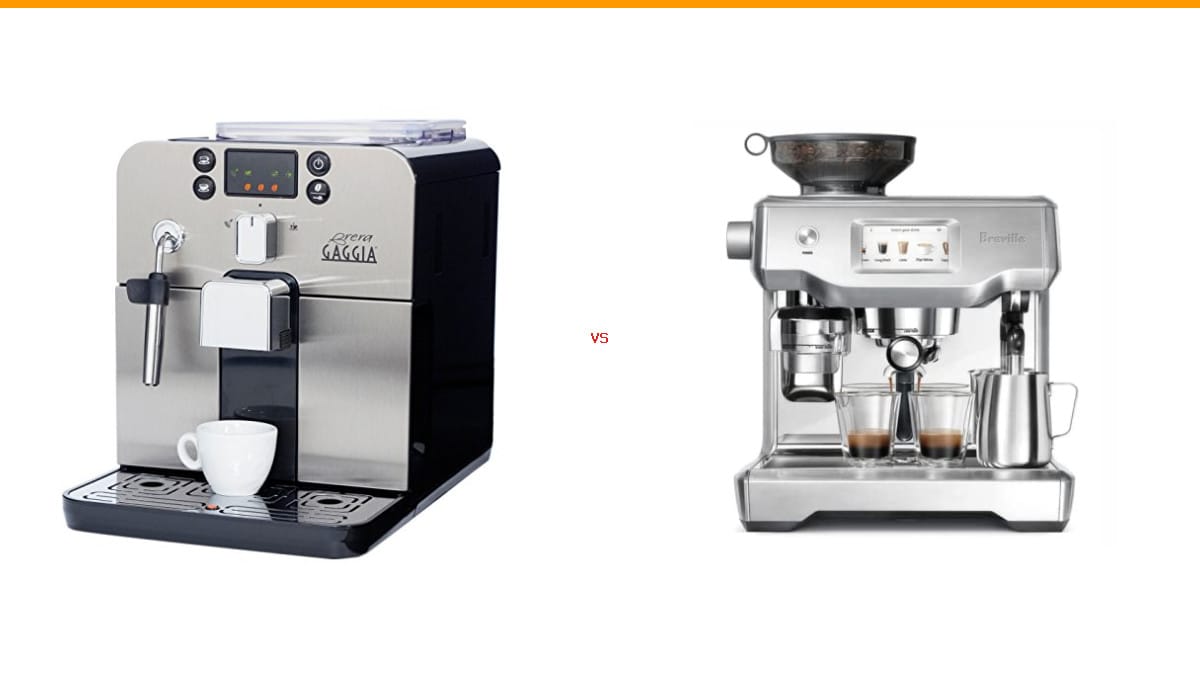
Most people shop for an espresso machine like they shop for a TV. They compare specs, read about pressure and boilers, and completely ignore the one thing that will shape their daily experience: the physical footprint. The Gaggia Brera and the Breville Oracle Touch sit at opposite ends of that spectrum, and the choice between them is less about which makes better espresso and more about which fits your life.
| Our Pick | Runner Up |
|
|
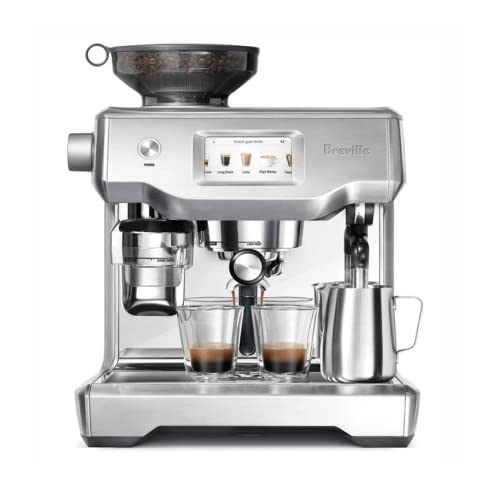
| Gaggia Gaggia Brera Super-Automatic Espresso Machine, Small, Black,… | Breville Breville BES990BSS Oracle Touch Espresso Machine, Brushed… |
| See on Amazon | See on Amazon |
As an Amazon Associate I earn from qualifying purchases.
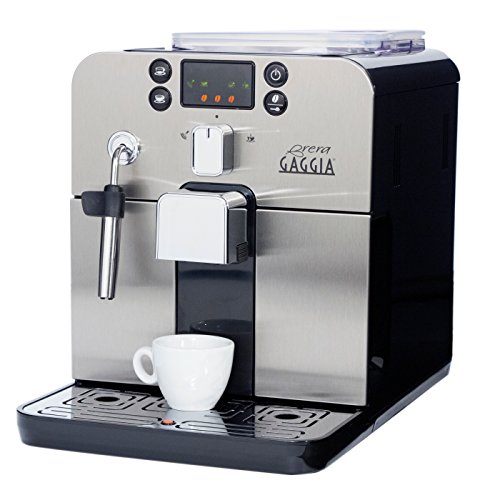
I have used both. The Brera is a compact super-automatic that disappears into a small kitchen corner. The Oracle Touch is a full-size prosumer machine that dominates a countertop and demands respect. If you live in an apartment with limited counter space, the Brera wins before you even pull a shot. If you have a dedicated coffee bar and want café-level control, the Oracle Touch is the clear choice. The right answer depends on your space, your budget, and how much effort you want to put into every cup.
This comparison breaks down the real differences—boiler size, pump type, workflow, noise, and resale—so you can decide without second-guessing. I’ll give you my honest call on each, and I’ll tell you which one I’d buy if I had to pick today.
The Real Differences: Compact vs. Full-Size (Boiler, Pump, and Build)
Under the hood, these two machines are built for different jobs. The Brera is a single-boiler super-automatic with a vibration pump. The Oracle Touch is a dual-boiler semi-automatic with a rotary pump. That difference changes everything about how they perform.
Boiler Size and Temperature Stability
The Brera uses a single boiler to heat water for both brewing and steaming. It switches between the two, which means you wait a few seconds between pulling a shot and steaming milk. The temperature stays stable enough for a decent shot, but if you pull back-to-back shots, you’ll notice the second one runs a touch cooler.
The Oracle Touch has two separate boilers. One for brewing, one for steaming. That means you can pull a shot and steam milk at the same time, and the temperature stays rock solid from the first shot to the tenth. For a home barista who entertains, that’s a huge deal. For someone who makes one cappuccino in the morning, it’s overkill.
Pump Type: Vibration vs. Rotary
The Brera uses a vibration pump. It’s the standard for compact machines. It’s small, cheap, and does the job, but it’s noisy. You’ll hear a distinct buzzing sound during extraction, and it vibrates the whole machine. It’s not a dealbreaker, but it’s noticeable.
The Oracle Touch uses a rotary pump. This is the same pump found in commercial espresso machines. It’s quieter, smoother, and lasts longer. The machine hums rather than buzzes. If you’re making coffee at 6 a.m. while your partner sleeps, the Oracle Touch is the better neighbor. The rotary pump also allows for a direct water line connection, though the standard setup uses a tank.
Workflow and Ergonomics: The Daily Reality
This is where the size difference hits home. A compact machine changes how you move in the kitchen. A full-size machine changes the room.
Counter Space and Cup Clearance
The Brera is small. It fits under standard cabinets without issue, and it leaves room for a grinder and a couple of mugs on the same counter. The drip tray is accessible, and the water tank is easy to reach. You can slide it into a corner and forget it’s there.
The Oracle Touch is a beast. It’s wide, tall, and deep. You need a dedicated space, and you need to check that your cabinets have enough clearance to open the top lid and fill the water tank. The portafilter handles are long, so you need room to swing them. The drip tray is heavy and deep, which is great for capacity but a pain to empty. If you have a small kitchen, this machine will feel like it’s taking over.
Noise, Heat-Up Time, and Maintenance
The Brera heats up in about 30 seconds. The Oracle Touch takes closer to 10 minutes to reach full temperature. That’s a big difference for a morning routine. With the Brera, you press the button and you’re pulling a shot in under a minute. With the Oracle Touch, you need to plan ahead or use a smart plug.
Noise is a similar story. The Brera’s vibration pump is loud. The Oracle Touch’s rotary pump is quiet. The Oracle Touch also has a self-cleaning steam wand, which is a nice touch. The Brera’s steam wand is manual, so you have to wipe it down after each use. Maintenance on the Brera is simpler—fewer parts to clean—but the Oracle Touch’s automatic cleaning cycle is a time-saver.
Who Should Buy Compact? (And Who Shouldn’t)
The Brera is for the person who wants good espresso without the ritual. It’s a super-automatic, so you press a button and it grinds, doses, and brews. You don’t need to weigh beans, tamp, or time your shot. That’s a huge advantage for beginners or anyone who doesn’t want to fuss.
It’s also for the person with limited counter space. If you’re in an apartment with a galley kitchen, the Brera fits. It’s also easier to move. I’ve moved mine twice, and it’s light enough to carry with one hand. If you’re renting and move often, that matters.
But the Brera isn’t for the home barista who wants control. The grind settings are limited, and you can’t adjust the dose or pressure. The steam wand is weak compared to a dedicated boiler. If you’re chasing the perfect shot, you’ll outgrow it fast.
Pick the Brera if you’re a beginner, you have a small kitchen, or you want convenience over control.
Who Should Buy Full-Size? (And Who Shouldn’t)
The Oracle Touch is for the enthusiast who wants café-quality shots at home. It has a built-in grinder, but it’s the same conical burr found in the Breville Smart Grinder Pro. You can adjust the grind size, dose, and extraction time. The automatic milk texturing is a standout feature—it steams and textures milk to your preferred temperature and consistency, which is rare in a home machine.
It’s also for the person who entertains. The dual boilers and rotary pump mean you can pull shot after shot without a drop in quality. The machine looks impressive on the counter, too. It’s a conversation piece.
But the Oracle Touch is not for the casual user. It’s big, it’s expensive, and it takes time to learn. The built-in grinder is good, but not great—serious home baristas will want a separate grinder. And the footprint is a real issue. If you don’t have a dedicated coffee area, this machine will frustrate you.
Pick the Oracle Touch if you’re a home barista, you have the counter space, and you want a machine that grows with your skills.
The “First Machine” Trap: Why Beginners Should Start Small
Here’s a mistake I see all the time: a beginner buys a full-size machine because they think it’ll make better espresso, then they get overwhelmed and stop using it. The Oracle Touch is a fantastic machine, but it has a learning curve. You need to dial in the grind, adjust the dose, and learn how to texture milk. That’s a lot for someone who just wants a decent cappuccino.
The Brera is the better first machine. It takes the guesswork out of the process. You press a button, and you get a consistent shot. It’s not perfect, but it’s good enough to learn what you like. Once you outgrow it, you can sell it and upgrade. The Brera holds its resale value well because there’s a steady market for compact, easy-to-use machines.
If you start with the Oracle Touch, you’re learning on hard mode. You’ll make a lot of bad shots before you get it right. That’s fine if you’re patient, but most people aren’t. Start small, learn the basics, and then decide if you want to invest in a full-size machine.
Resale Value and Upgrading Later
Resale is a hidden factor in this decision. Compact machines like the Brera have a strong resale market because they appeal to a wide range of buyers—renters, students, and people who want a simple machine. You can sell a used Brera for a decent portion of what you paid, especially if you keep it clean.
Full-size machines like the Oracle Touch are harder to resell. The market is smaller, and buyers are more discerning. They want to know the machine was maintained, and they’re wary of buying a used machine with a complex plumbing system. That said, the Oracle Touch is a premium product, so it retains value better than mid-range machines. But you’ll wait longer to find a buyer.
If you’re thinking of the Brera as a stepping stone, it’s a smart move. You’ll lose less money on the upgrade than you’d think. If you’re buying the Oracle Touch as your forever machine, just know that selling it later will take effort.
Quick Comparison Table: Compact vs. Full-Size at a Glance
| Feature | Gaggia Brera | Breville Oracle Touch |
|---|---|---|
| Type | Super-automatic | Semi-automatic |
| Boiler | Single | Dual |
| Pump | Vibration | Rotary |
| Footprint | Compact | Full-size |
| Water tank capacity | 40 fl oz | Larger (approx. 84 fl oz) |
| Heat-up time | ~30 seconds | ~10 minutes |
| Milk texturing | Manual steam wand | Automatic microfoam |
| Grinder | Integrated, adjustable | Integrated, adjustable |
| Noise level | Loud (vibration) | Quiet (rotary) |
| Best for | Beginners, small kitchens | Enthusiasts, home baristas |
Final Verdict: Which One Fits Your Life?
If you’re asking me which one to buy, the answer is the Brera—unless you already know you want the Oracle Touch. The Brera is the pragmatic choice for most people. It’s compact, affordable (check the current price on Amazon), and easy to use. It makes a solid espresso with minimal fuss. The Oracle Touch is the aspirational choice. It’s a beautiful machine that makes incredible espresso, but it demands space, time, and patience.
I’ve had both on my counter. The Brera is the one I reach for on a Tuesday morning when I’m half asleep. The Oracle Touch is the one I use on a Sunday afternoon when I’m experimenting with a new roast. Both have a place, but if you can only have one, think about your daily routine. Do you want coffee in 30 seconds, or are you willing to wait 10 minutes for a better shot? That’s the real question.
My honest recommendation: start with the Brera. Learn what you like. Then, if you outgrow it, upgrade to the Oracle Touch. You’ll appreciate the full-size machine more, and you’ll have the skills to use it well.
FAQ
Can the Gaggia Brera make latte art?
Not really. The steam wand is manual and produces decent microfoam, but it’s not consistent enough for intricate latte art. The Oracle Touch’s automatic milk texturing is better for that, though you’ll still need practice with the pitcher.
How much counter space do I need for the Breville Oracle Touch?
You’ll need at least 24 inches of width, 18 inches of depth, and about 20 inches of height clearance to open the top lid. It’s a big machine, so measure your space before buying.
Is the Gaggia Brera good for a small apartment?
Yes. It’s one of the most compact super-automatics on the market. It fits under standard cabinets, and it’s light enough to move around. It’s also quiet enough for an apartment, though the vibration pump does buzz.
Which machine is easier to clean?
The Brera is simpler. The drip tray and water tank are easy to remove, and there are fewer parts to wipe down. The Oracle Touch has more components, but its self-cleaning steam wand and automated cleaning cycle save time in the long run.
For more on automatic machines, check out our automatic vs semi guide. If you’re on a budget, see our best under 1000 picks. And if your machine gets noisy, read our noise troubleshooting guide.
Products related to this article
Sponsored / affiliate links. As an Amazon Associate I earn from qualifying purchases. I may earn additional commission from eligible campaigns.
 Coffee Espresso Machine Handle Replacement Parts, Cafe Bracket Handle for Lidl Silvercrest CM4621 CM4218 KF5002 KF500S Barista (for 51mm Portafilter Basket - Not included)
 Quick Heating Cup Warmer, Three Temperature Settings, Splashproof and Portable, for Coffee, Milk, Lightweight ABS Material
 Coffee Mug Warmer & You are Awesome Mug Set, Electric Cup Warmer for Desk