The Rancilio Silvia is the most important espresso machine you can buy for under a grand, but not for the reasons the marketing copy suggests. It isn’t fast, it isn’t automatic, and it will absolutely frustrate you for the first two weeks. That’s the point. This machine is a platform for learning the craft of espresso, and it has been for over two decades. In this Rancilio Silvia review, I’ll break down why this 20-year-old design still holds up against modern rivals, and just as importantly, who should walk away from it.

Rancilio
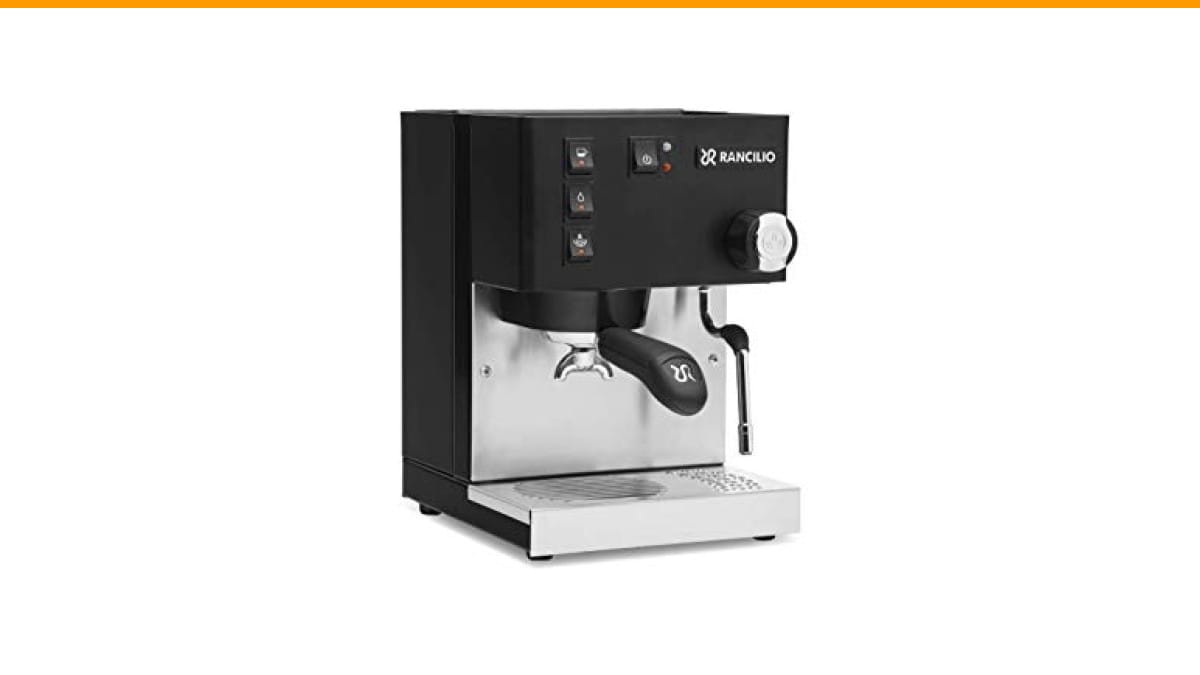
Rancilio Silvia Espresso Machine, Black
- Classic Espresso: The Silvia has been in production for over 20 years-- making it one of the most stable espresso platforms on the…
- Single Boiler: The single 12-ounce brass boiler serves both brew and steam temperatures.
- Steel Case: The Silvia's steel case offers sturdy service and fits in any decor.
As an Amazon Associate I earn from qualifying purchases.
I pulled shots on the Silvia for a month straight, going back and forth between it and a few modern machines. The difference is stark. Modern machines try to hide the process from you. The Silvia puts every variable on the table and forces you to deal with it. The 12-ounce brass boiler is the heart of the machine, and it’s both its greatest strength and its biggest quirk. You get commercial-grade components in a 9.5x11x13 inch steel case, but you also get a single boiler that needs careful management.
There is no shortcut here. You have to learn how the machine heats, how it cools, and how to work with its rhythm. If that sounds like a chore, you should buy something else. If it sounds like a challenge, keep reading. This is the Rancilio Silvia review for the person who wants to understand espresso, not just drink it.
Design & Build: Why Metal Still Matters
The Silvia’s steel case is the first thing you notice. It’s heavy, solid, and doesn’t flex when you lock in the portafilter. At 9.5 inches wide and 11 inches deep, it takes up less counter space than a toaster, but it weighs like a small boat anchor. This is not a machine you’ll knock over or push around. The black finish on this version is a fingerprint magnet, so keep a microfiber cloth handy.
Inside, the components are borrowed from Rancilio’s commercial lineup. The brass boiler is the star, but the grouphead, the three-way solenoid valve, and the commercial-sized 58mm portafilter all come from the same family as their cafe machines. That 58mm portafilter is a big deal. It means you can use the same baskets, tampers, and accessories that baristas use in professional settings. You’re not locked into a proprietary ecosystem.
Compare that to the plastic-bodied machines at this price point. The Silvia will outlive them. There’s no planned obsolescence here. The machine is designed to be repaired, not replaced. Parts are available everywhere, and the design hasn’t changed dramatically in years, which means the aftermarket support is massive. This is a machine you can hand down to your kids.
The Single Boiler Conundrum: Workflow and Temperature Surfing
Here’s the thing nobody tells you about the Silvia: it’s a single boiler machine. That 12-ounce brass boiler serves both brewing and steaming. You can’t do both at the same time. The workflow is brew, then wait for the boiler to heat up to steam temperature, then steam, then wait for it to cool back down if you want to pull another shot. It takes time and planning.
This is the biggest adjustment for people coming from dual boiler or thermojet machines. If you’re making drinks for a crowd, you’ll spend a lot of time waiting. For one or two drinks, it’s manageable. You learn to batch your workflow: pull both shots first, then steam the milk for both. It’s a rhythm, not a race.
The bigger issue is temperature control. The Silvia doesn’t have a PID controller. The thermostat has a deadband of about 10 degrees, meaning the boiler temperature swings up and down as it cycles. If you pull a shot at the wrong moment, your espresso will taste sour or bitter. This is where the concept of temperature surfing comes in.
The “Surfing” Ritual Explained
Temperature surfing is the workaround. You watch the boiler light, wait for it to cycle off, then wait a specific amount of time (usually 15-30 seconds) before pulling your shot. This lands you in the sweet spot of the temperature swing. It sounds ridiculous, and to be honest, it kind of is. But it works.
I spent a week dialing in my timing. The payoff is real. Once you find the rhythm, you can pull consistent shots that rival machines costing twice as much. The key is understanding that the Silvia rewards patience. It’s not a flaw in the machine; it’s a feature for people who want to learn the mechanics of extraction. You’re not just pressing a button; you’re actively managing the thermal dynamics of the boiler.
If you get frustrated, there’s a fix. The aftermarket for Silvia mods is huge. You can install a PID controller yourself or buy a pre-built kit. It’s a weekend project that transforms the machine, giving you rock-solid temperature stability. But you don’t need it to make great espresso. You just need it to make great espresso without thinking. I’d argue the stock machine is fine for a year before you even consider a mod.
Espresso Quality: From Good to Great (With Practice)
Out of the box, the Silvia makes decent espresso. The 58mm portafilter and brass grouphead provide excellent thermal stability once you get the hang of it. The brew pressure is set to 9 bars, which is the standard for espresso extraction. The shots have a good body and crema, provided your grind is dialed in correctly.
But here’s the honest truth: your grinder matters more than the machine. The Silvia is unforgiving of a bad grind. If you’re using a blade grinder, you will make terrible coffee. You need a proper burr grinder with fine adjustment. The Silvia will expose every flaw in your technique and your equipment. It’s a demanding teacher.
Once you get the grind right and master the temperature surfing, the Silvia produces shots that are genuinely impressive. The flavor clarity is better than what you get from most automatic machines. You taste the origin of the beans, the roast profile, the subtle notes. It’s a level of control that you simply don’t get from a super-automatic.
I found the extraction window to be a bit narrow compared to a PID-equipped machine. You have less room for error. But when you hit it, the shot is sweet, balanced, and complex. It took me about two weeks to get to the point where I could pull a great shot consistently. That’s the learning curve, and it’s real.
Milk Steaming: A Powerful Wand with a Caveat
The steam wand on the Silvia is a commercial-grade piece of equipment. It’s a four-hole tip that produces a powerful, swirling vortex that textures milk quickly. If you’ve used a cheap machine with a panarello wand, this is a revelation. You have real control over the microfoam, and you can produce latte art quality milk with practice.
The caveat is the single boiler again. The steam power is tied to the boiler temperature. When you switch from brewing to steaming, you have to wait for the boiler to climb to its steam set point. That takes about 60 seconds. Then you have a limited window of steam pressure before the boiler runs out of heat. You can steam about one pitcher of milk before you need to wait for the boiler to recover.
It’s not a machine for steaming multiple pitchers back-to-back for a dinner party. For a single cappuccino or latte, it’s fantastic. The milk texture is silky and glossy, and the wand is easy to clean. Just remember to purge it after each use. The four-hole tip is powerful, but it can be tricky to manage if you’ve only used single-hole wands. You’ll need to adjust your technique to avoid splashing.
The Real Cost of Entry: Grinder and Accessories
Nobody talks about this enough, but the Silvia is just the beginning. You need a grinder, and a good one. The machine is only as good as the grind you feed it. A decent espresso grinder will cost you anywhere from $200 to $600. You also need a tamper, a distribution tool, a milk pitcher, and a scale. The total cost of entry is easily double the price of the machine alone.
This is where the Silvia’s competition gets interesting. Machines like the Breville Bambino Plus come with a pressurized basket that lets you use pre-ground coffee. The Silvia doesn’t. It requires a fine, consistent grind to work properly. You can’t cheat the process. If you aren’t willing to invest in a grinder, the Silvia is the wrong choice.
On the flip side, if you already have a good grinder, the Silvia is a bargain. You’re paying for the machine’s mechanical simplicity and durability, not for a bunch of electronics you don’t need. The money you save on the machine can go toward better beans. Check the current price on Amazon, but factor in the cost of a grinder when you budget. A burr grinder vs blade guide will help you understand why this matters.
Rancilio Silvia vs. The Modern Rivals
You can’t talk about the Silvia without comparing it to the other big names in the home espresso world. The market has changed a lot since the Silvia was first released. There are now machines with digital temperature control, faster heat-up times, and easier workflows. The Silvia is the old guard, but that doesn’t mean it’s obsolete.
Gaggia Classic Pro E24
The Gaggia Classic Pro is the Silvia’s most direct competitor. It’s a similar single boiler design with a similar learning curve. The new E24 version has a brass boiler, which is a big upgrade from the older aluminum ones. It’s also cheaper than the Silvia. The main difference is the grouphead. The Gaggia uses a smaller 58mm grouphead that is technically the same size but has a different thermal profile.
In my testing, the Silvia has a slight edge in build quality and thermal stability. The brass boiler is larger, and the machine feels more substantial. The Gaggia is a fine machine, but the Silvia is the more serious tool. If you’re on a tight budget, the Gaggia is a good starting point. If you want the machine you’ll keep for a decade, the Silvia is worth the extra money.
Breville Bambino Plus
The Breville Bambino Plus is the anti-Silvia. It heats up in three seconds, has automatic milk steaming, and is incredibly forgiving. It’s a great machine for beginners who want good espresso without the hassle. The problem is the 54mm portafilter and the limited lifespan. The Bambino is not designed to be repaired. When it breaks, you throw it away.
The Silvia is a completely different philosophy. It’s slower, harder to use, and requires a grinder. But it’s also built to last and produces better espresso once you master it. The Bambino is a convenience appliance; the Silvia is a tool. If you just want a latte in the morning without thinking, get the Bambino. If you want to learn the craft, get the Silvia. You can read our Breville Barista Express review for a comparison with another popular option.
Profitec GO
The Profitec GO is the modern alternative that fixes the Silvia’s biggest flaw. It has a PID controller built in, so you get precise temperature control without the surfing ritual. It’s also a single boiler, but the workflow is much smoother. The build quality is excellent, and it comes with a shot timer.
The catch is the price. The Profitec GO costs significantly more than the Silvia. You’re paying for the PID and the refined design. If you have the budget, the Profitec is the better machine. But the Silvia plus a DIY PID kit is a fraction of the cost and gives you the same result. It’s a question of whether you want to tinker or just want it to work out of the box.
Maintenance, Repairability, and Resale Value
The Silvia is a workhorse, but it still needs regular maintenance. You should backflush the grouphead weekly with a cleaning tablet. You’ll need to replace the group gasket and shower screen every year or two. Descaling is also necessary, especially if you have hard water. None of this is hard, and there are countless YouTube tutorials showing you how to do it.
The real advantage is repairability. Every part of the Silvia is available for purchase. You can buy a new pump, a new boiler, a new thermostat, or a new steam wand. The machine is designed to be taken apart. This is the opposite of the throwaway culture of modern appliances. You can keep this machine running for 20 years with basic DIY skills.
Resale value is another strong point. Used Silvias hold their value incredibly well. A 10-year-old Silvia in good condition will still sell for 60-70% of its original price. That’s not true for most electronics. It’s a testament to the machine’s durability and its reputation. People know a used Silvia is a safe bet.
Verdict: Who Should Buy the Silvia in 2026?
The Rancilio Silvia is not for everyone. It’s for the person who sees espresso as a hobby, not a chore. If you enjoy the process of dialing in a shot, if you want to understand how temperature affects extraction, and if you value a machine that you can repair yourself, the Silvia is the best choice you can make at its price point.
Skip it if you’re impatient, if you don’t want to buy a grinder, or if you just want a quick caffeine hit in the morning. There are better machines for that. The Silvia demands a commitment. It will frustrate you, but it will also teach you. The skills you learn on this machine will transfer to any espresso setup, no matter how expensive.
I’ve used machines that cost three times as much, and the Silvia still holds its own. It’s not perfect. The lack of a PID controller is annoying, and the single boiler workflow is dated. But the fundamentals are so solid that it doesn’t matter. The Silvia is a platform. You grow into it, you mod it, and you keep it forever. It’s the last espresso machine you’ll ever need to buy. For more context on how it fits into the broader market, check out our automatic espresso machine vs semi guide.
Frequently Asked Questions
Is the Rancilio Silvia good for beginners?
No, not really. It’s a great learning tool, but it has a steep curve. Beginners will struggle with temperature surfing and grind dialing. A machine like the Breville Bambino Plus is much easier to start with. The Silvia is better suited for someone who has made a few shots before and wants to get serious.
Do I need to mod the Silvia with a PID?
No, but it helps. The stock machine makes great espresso if you learn to temperature surf. A PID controller removes the guesswork and makes the workflow much more consistent. It’s a luxury, not a necessity. I’d recommend using the stock machine for at least six months before deciding if you need a mod. The aftermarket kits are affordable and easy to install.
How long does the Rancilio Silvia last?
With proper maintenance, 10 to 15 years is common. Many owners report using the same machine for 20 years. The pump and boiler are replaceable, so the machine can be repaired indefinitely. The steel case and brass boiler are built to withstand daily use. It’s a long-term investment, not a disposable appliance.
Can I make one latte after another?
Yes, but not quickly. The single boiler needs time to switch between brew and steam temperatures. You can make one drink, then wait about a minute for the boiler to heat up for the next shot. For a couple of drinks, it’s fine. For a party, you’ll be in the kitchen for a while. It’s the main drawback of the design.
What grinder should I pair with the Silvia?
You need a good burr grinder. A budget-friendly option is the Baratza Encore ESP, but you’ll get better results with something like a Eureka Mignon or a DF64. The grinder is more important than the machine. Don’t skimp here. A cheap grinder will ruin your shots, no matter how good the Silvia is.
Ready to buy? Check the latest price on Amazon
Sponsored / affiliate links. As an Amazon Associate I earn from qualifying purchases. I may earn additional commission from eligible campaigns.Products related to this article
 Coffee Espresso Machine Handle Replacement Parts, Cafe Bracket Handle for Lidl Silvercrest CM4621 CM4218 KF5002 KF500S Barista (for 51mm Portafilter Basket - Not included)
 Linnkyfloa Coffee Espresso Maker Handle Replacement for Stovetop Moka Pot or Percolator, Black Plastic for Spare Part Compatible with Italian(9-12 Cup)
 HomeBeyond Espresso Coffee Maker 12 Cups, Classic Stovetop Espresso Maker, 600ml / 20oz Coffeemaker for Gas & Ceramic Stovetops (Silver)