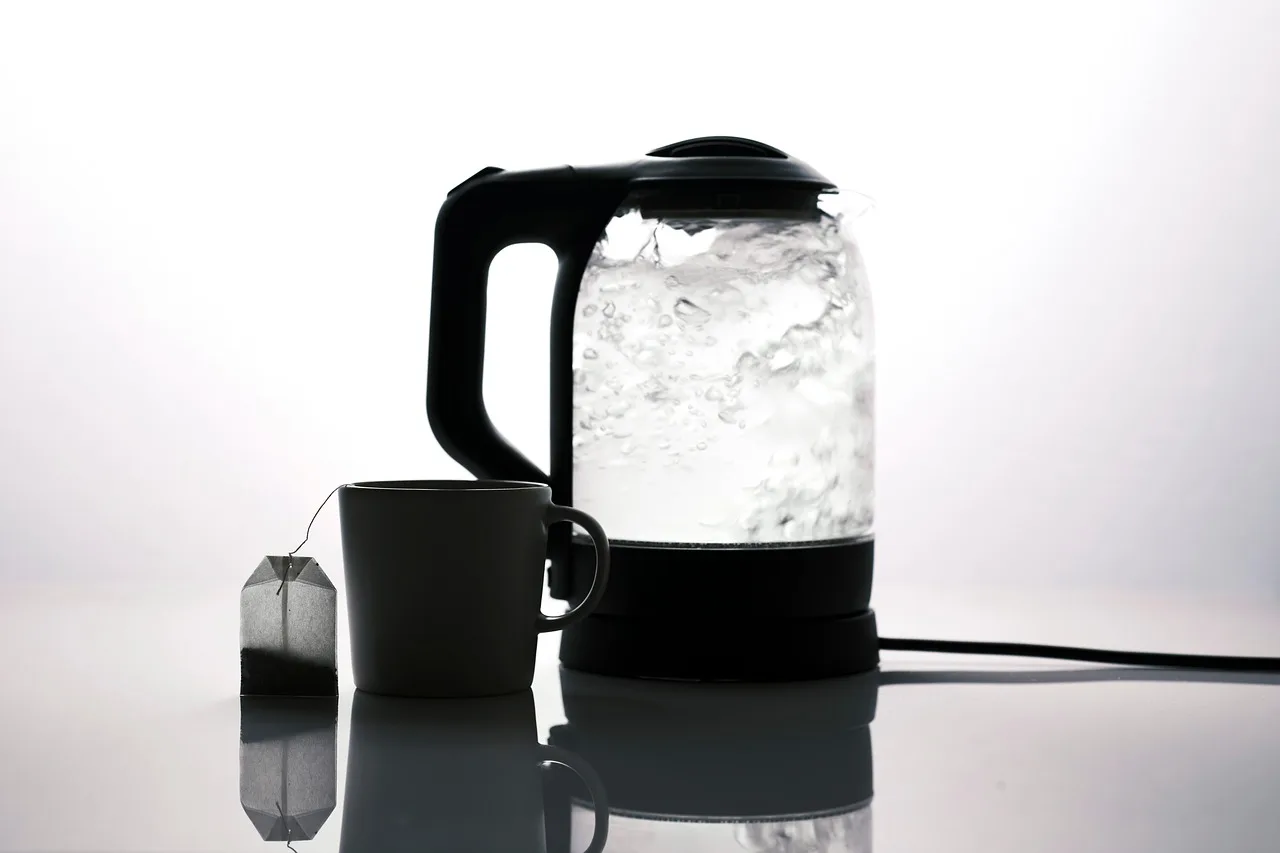
Choose a gooseneck variable-temperature kettle for pour over and AeroPress, or a fast standard kettle for French press and instant; brew most coffee with water at 195-205°F, with about 200°F as a dependable starting point. Get it wrong and you trade speed for dull flavor, bitter extraction, messy pours, and scale that leaks into every cup. This guide matches kettle types, spout styles, capacity, hold-temp features, and cleaning habits to better coffee at home.
Start with the cup: what coffee drinkers need from a kettle
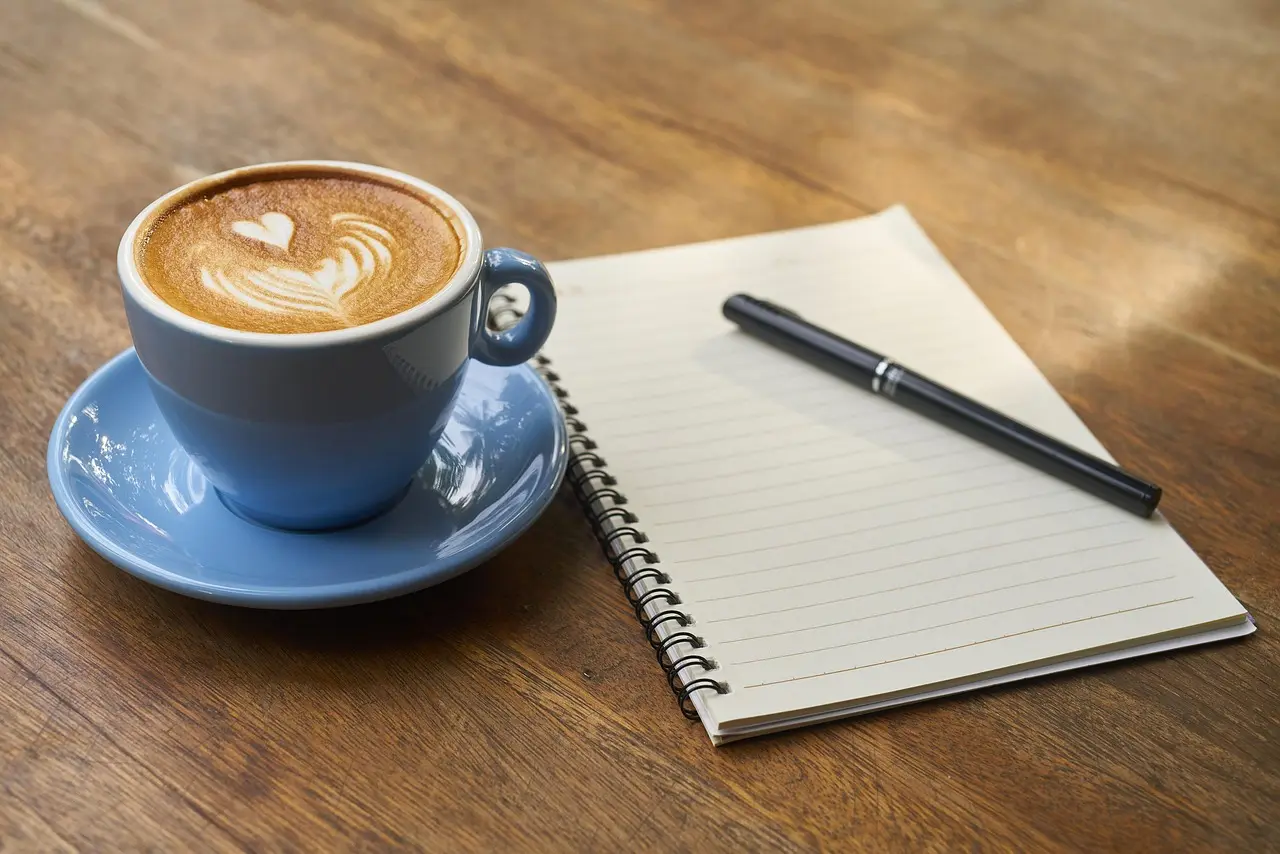


How kettle choice changes extraction and flavor
Coffee drinkers often shop kettles by wattage, body material, and price. I think the better place to start is the cup. Water that lands too hard, too cool, too hot, or too unevenly changes extraction before the grinder or brewer can fix anything.
Flavor clarity depends on repeatable water delivery. A controlled pour keeps a pour-over bed even. Stable temperature keeps sweetness from turning thin or bitter. A clean interior keeps scale, stale water residue, and odors out of the cup.
When speed helps and when control matters more
Fast boiling matters most for immersion brewing and general hot-water use. French press, instant coffee, and most mug preheating jobs work well with a standard spout kettle that reaches target temperature quickly.
Control matters more when water application is part of the recipe. Pour over exposes every flaw in flow rate, spout shape, and hand feel.
The five buying inputs that affect coffee most
Spout shape affects pour control and agitation. Temperature control affects extraction and repeatability. Capacity affects handling, warm-up habits, and whether the kettle feels oversized for one mug. Interior material affects taste neutrality and cleanup. Cleaning access affects how long the kettle stays flavor-safe.
Safety features matter too, mainly because failure shows up in daily brewing: false shutoffs, half-heated water, or dry-boil damage. Those are coffee problems first and appliance problems second.
📊 COMFEE’s kettle uses a 1.7-liter capacity, suitable for multiple cups or family use. Source: 10 Best Electric Kettles For Fast & Safe Boiling.
What electric kettle is best for coffee drinkers?
A gooseneck variable-temperature kettle is often a strong fit for pour over and AeroPress because it can offer tighter flow control and more repeatable extraction. A fast standard-spout kettle can suit French press, instant coffee, and mixed kitchens where speed, larger capacity, and easy filling matter more than precision pouring.
Best fit by brew method
For pour over, choose a gooseneck. The long, narrow spout slows flow, gives cleaner starts and stops, and makes bloom and pulse pours easier to repeat. In the cup, that usually means clearer flavor and less accidental over-agitation.
For French press, a standard spout kettle is often the practical pick. Immersion brewing reacts less to stream shape, so speed and capacity matter more than precision. The same goes for instant coffee and general hot water.
AeroPress sits in the middle. If the brewer is used with a pour-over style recipe, a gooseneck helps. If it is used as a short immersion brew, a standard spout works well.
Best fit for mixed households
Mixed households usually do better with a standard kettle unless one person makes pour over every day. Standard spouts fill pots, mugs, and cooking vessels faster. They are also easier for guests who just want boiled water without learning a careful pour angle.
Choose a cordless base so you can lift and set the kettle down without dragging a cord across the counter, and a swivel base can make docking easier from either side. One family-size example uses a 360° swivel base, which makes docking and lifting smoother during rushed morning use.
Best fit by counter space and batch size
Small counters reward smaller goosenecks because they store more easily and feel less awkward to tip from a full fill line. Larger kitchens can absorb a family-size kettle without making the coffee station feel crowded.
A 1.7-liter capacity works well in homes where you are making several drinks, preheating brewers and mugs, or running back-to-back brews in one session. That size is common on general-use stainless kettles built for multiple cups rather than single-cup precision pouring.
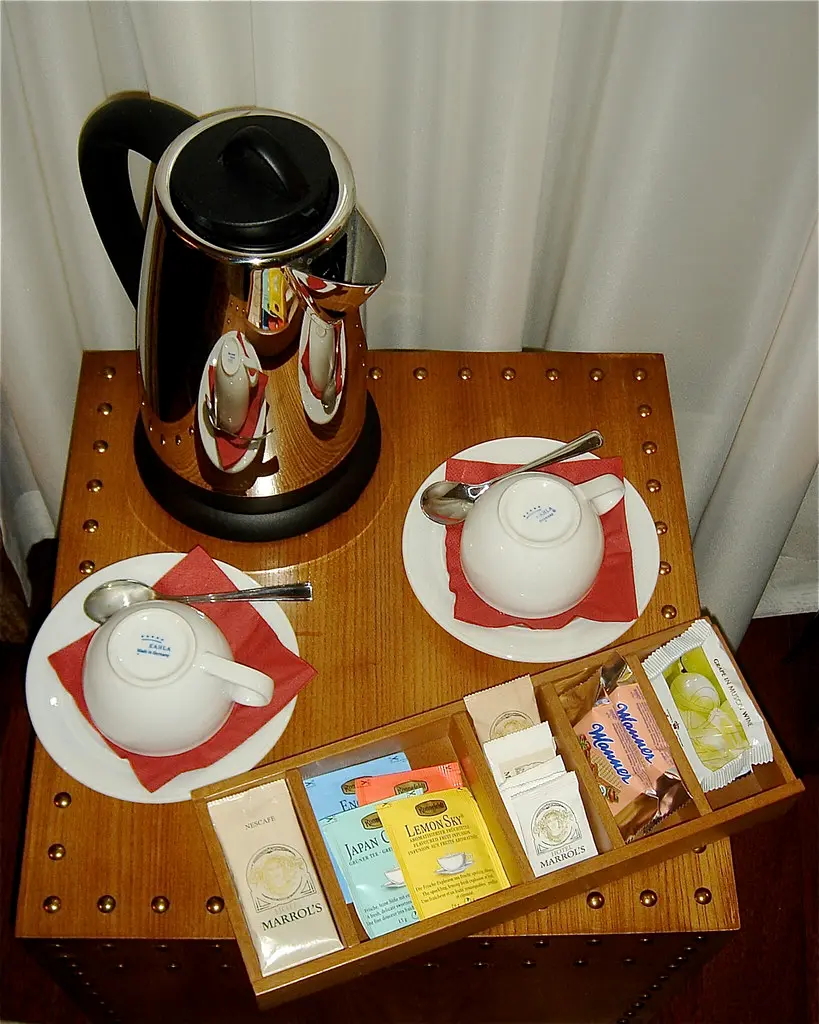
What temperature should I set an electric kettle for coffee?
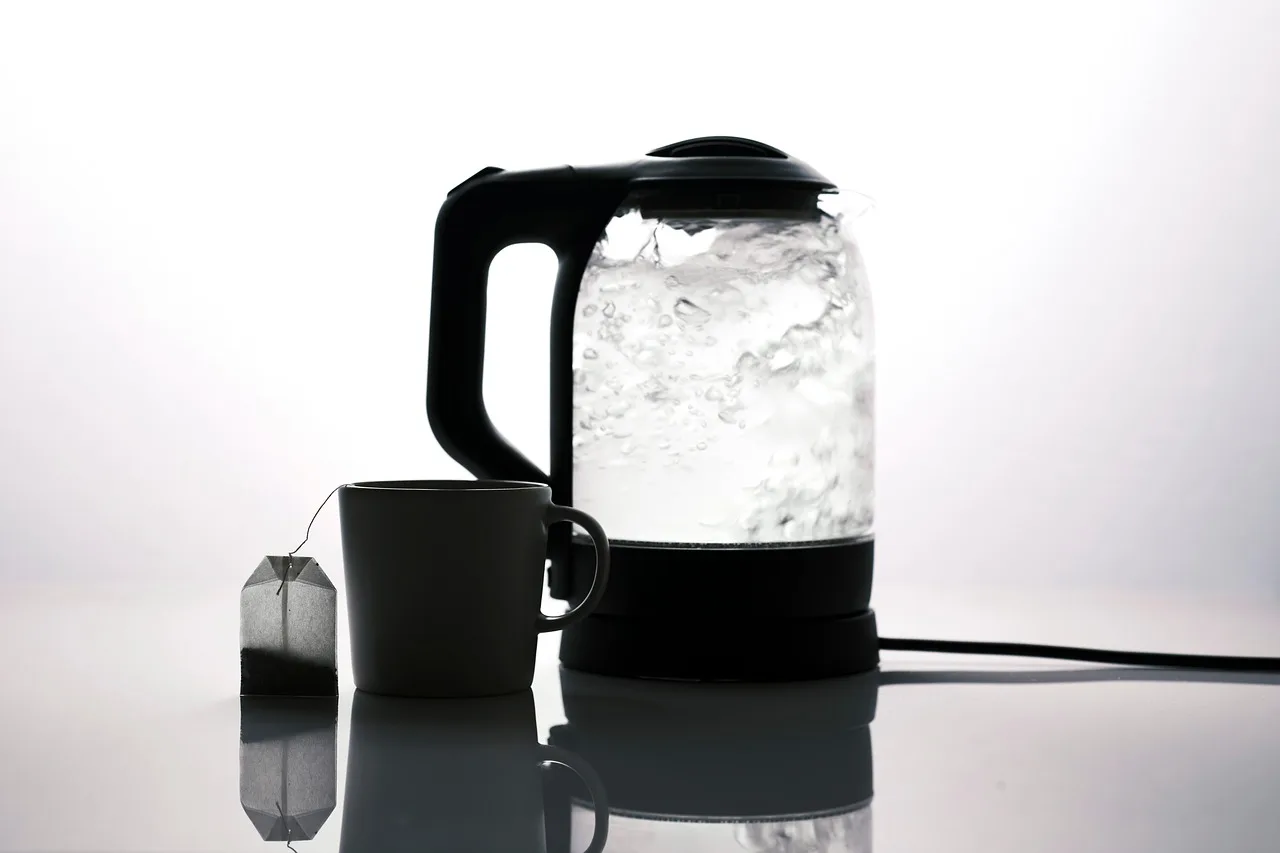
A common starting point for most coffee is roughly 195-205°F, with about 200°F often used as a dependable baseline. Pour over and AeroPress often reward exact targets, while French press and instant coffee are more forgiving. Hotter water raises extraction and bitterness risk; cooler water can leave coffee flat, sour, or hollow.
Recommended temperature ranges by brew method
Pour over usually benefits from the full 195-205°F range, adjusted by roast level and grind. Lighter roasts often need the upper end to avoid under-extraction. Darker roasts can taste cleaner lower in the range.
French press also fits well in the same range, though exact single-degree control matters less because the brew is immersion-based. AeroPress varies by recipe. Instant coffee is the least sensitive, though boiling water can still make some products taste harsher.
How hotter or cooler water changes extraction
As water temperature rises, solubles dissolve faster. That can improve sweetness and body, or push the cup toward bitterness if grind size and contact time stay unchanged. Lower temperature slows extraction and can preserve brightness, but it also risks a thin finish.
For coffee drinkers, the point is simple: temperature is a flavor control, not a checkbox. Kettles with target settings let the brewer repeat what worked instead of guessing by steam and sound.
When exact temperature control matters and when it barely does
Exact control matters most for pour over, lighter roasts, and recipes repeated every morning. It matters less for French press, instant coffee, and households where the kettle spends much of the day making oatmeal, tea, or hot water for other tasks.
If a kettle lacks variable settings, boil then rest briefly before brewing. That is less exact, but still workable when the brew method is forgiving.
Preheating brewers, mugs, and servers without wasting time
Preheating helps extraction stability because the water hitting the coffee stays closer to target. It also keeps the final drink warmer without reheating the coffee itself.
Use kettle water to warm the brewer, mug, and server while the coffee is being weighed or ground. This matters most with ceramic drippers, thick mugs, and glass servers that pull heat away fast.
How do I use an electric kettle for pour over coffee?
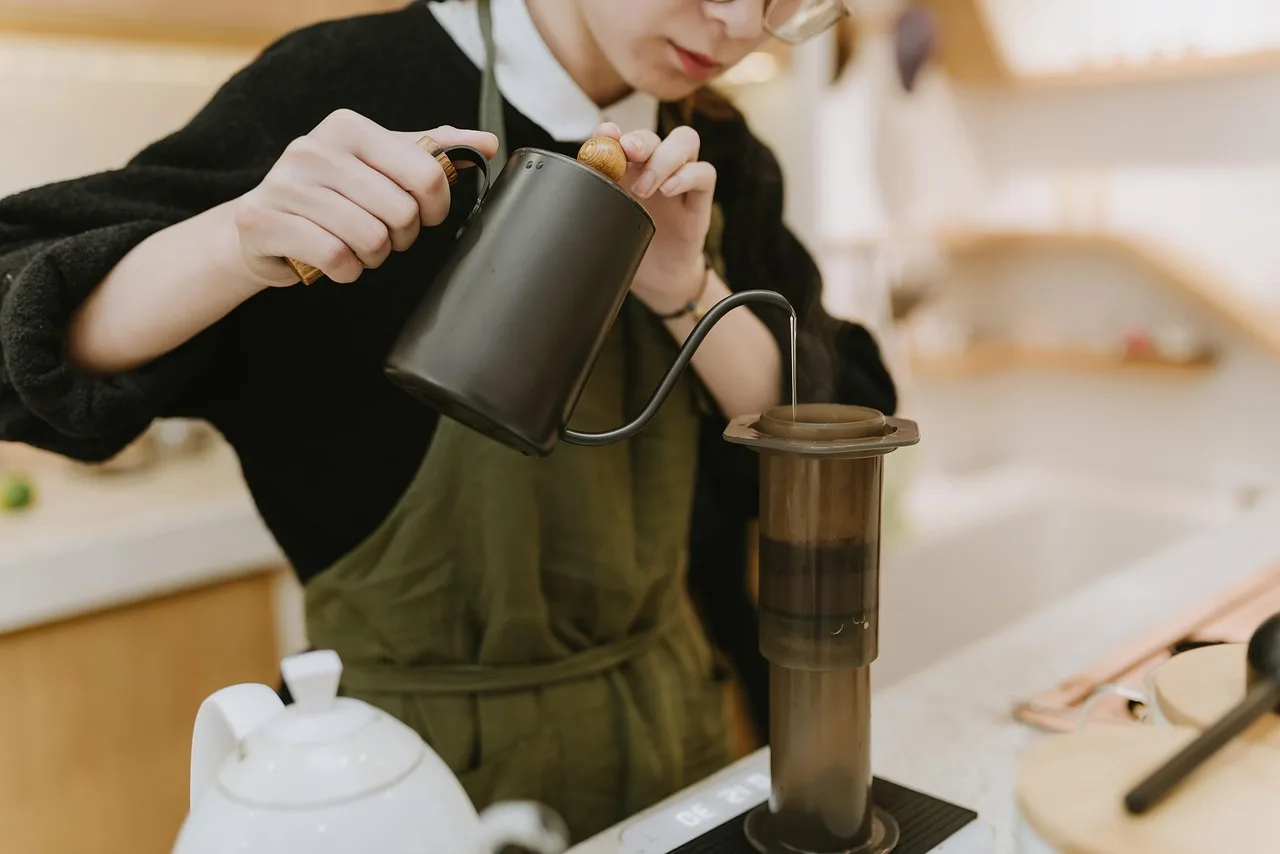
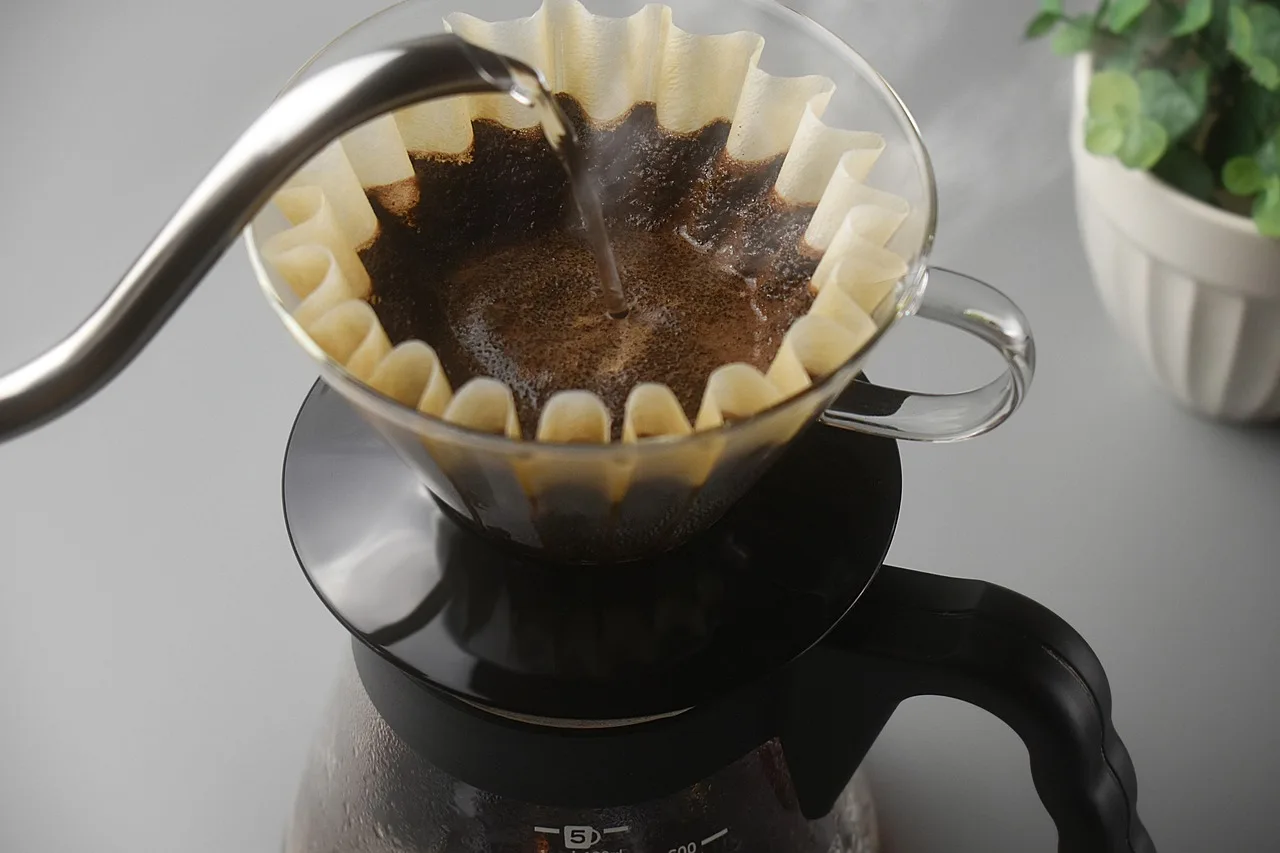
Use a gooseneck kettle filled below its maximum line, heat to target temperature, then pour with a slow, steady stream that lands where intended. Controlled blooming, even pulse pours, and restrained agitation improve clarity and repeatability; a rushing stream usually causes channeling, muddy fines movement, and uneven extraction.
Why spout shape and flow rate change the bed
Pour over is a water-placement method. The kettle decides how that water moves. A gooseneck makes it easier to wet dry grounds evenly, keep the slurry height stable, and avoid blasting holes into the bed.
Flow rate also changes contact time. Too much water too quickly can stall one part of the bed and overwork another. The result is a cup that tastes both bitter and weak.
Controlling bloom, pulse pours, and agitation
- Heat water to the target range for the coffee and brewer.
- Preheat the dripper, server, and mug if they absorb heat quickly.
- Start the bloom with a small, centered pour that fully wets the grounds.
- Pause, then resume with short pulse pours or one steady spiral, depending on the recipe.
- Keep the stream thin and low to the bed to limit splashing and over-agitation.
- Finish the final pour without sudden surges that disturb the bed.
Target fill levels for stable pouring
Very full kettles feel heavier and change angle faster. That makes fine control harder, especially with a standard spout. For careful pour over work, a partly filled kettle is usually easier to steer than one filled to the top.
Capacity still matters. Small goosenecks pour beautifully for one brew, but repeated refills become annoying when preheating, blooming, and brewing multiple cups back to back.
When a standard spout can still work
A standard spout can work for pour over if the brewer pours slowly and uses a dripper that forgives uneven agitation. It is still a compromise. The stream usually starts thicker, stops less cleanly, and makes repeatability harder.
Gooseneck vs standard spout: which gives better coffee results?
Gooseneck kettles usually produce better pour-over results because they control flow rate and agitation more precisely. Standard spouts are faster and more versatile for immersion brews and household hot water. The right choice depends on whether cup clarity and repeatability matter more than speed, capacity, and general kitchen convenience.
Pour control and repeatability differences
Goosenecks win on control. They let the brewer place water exactly where needed and repeat a recipe with less drift from one day to the next.
Standard spouts win on speed. They fill a French press fast, top up a mug quickly, and usually feel less delicate in a busy kitchen.
Tradeoffs in speed, comfort, and daily versatility
If the kettle does double duty for coffee, noodles, and guests, a standard spout can be easier to live with. If the kettle is mainly a coffee tool, a gooseneck earns its place.
Capacity limits matter here. Many precision kettles feel ideal for one or two brews, while family-size standard kettles feel more practical when the morning includes several drinks and preheating water.
Should I buy a glass or stainless steel electric kettle for coffee?
For most coffee drinkers, stainless steel is the safer long-term buy because it is durable, taste-neutral when well made, and less likely to crack from daily handling. Glass offers easy water-level visibility and easy spotting of scale, but it brings more break risk and no real pour-control advantage.
304 stainless interiors, taste neutrality, and durability
A 304 food-grade stainless steel interior is a strong target because it resists corrosion and usually stays neutral in flavor when cleaned well. One common spec on better kettles is a 304 food-grade stainless steel interior paired with BPA-free construction.
Stainless also handles repeated heating cycles and descaling well. Metallic taste is usually not caused by stainless itself. It is more often caused by residue, poor coatings, stale standing water, or mineral buildup.
Glass visibility, cleaning visibility, and break risk
Glass makes the water level easy to read. It also makes scale, film, and residue easy to see, which can help in homes that forget cleaning. That visual feedback is a real benefit.
The tradeoff is fragility. Glass kettles are more exposed to crack or chip risk from bumps, sinks, and rushed cleanup. For a busy coffee station, that matters.
How materials affect odor, residue, and long-term upkeep
The inside of the kettle matters more than the outside shell. Exposed interior plastic near hot water can hold odors longer than steel or glass. Wide-mouth access matters too, because it decides whether scale and film can actually be scrubbed off when needed.
Some kettles also include a removable filter near the spout. One example uses a removable nylon filter to keep particles out of the cup, which helps when scale flakes or loose residue begin to appear.
What wattage makes an electric kettle boil faster?
Higher wattage often boils water faster, but the practical value depends on batch size, circuit load, and how much noise you mind. For many homes, around 1500W is a practical fast-boil range for quicker boiling. Above that, gains can feel small if the kettle is oversized, partly filled, or sharing a busy kitchen circuit.
What wattage changes in real use
Wattage changes heat-up speed first. A 1500W concealed heating element is a common fast-boil setup on household kettles, and one 1.7-liter example is described as boiling a full pot in about 5–7 minutes. Actual time still changes with fill level and starting water temperature.
For coffee workflow, faster boiling helps when several tasks depend on hot water at once: preheating, brewing, and a second round for another person.
Boil speed versus circuit limits, noise, and power draw
More wattage also means more draw from the outlet. In kitchens with multiple appliances running, a sensitive breaker may trip sooner when a high-watt kettle shares space with a toaster oven or grinder on the same line.
Some fast-boil kettles also sound louder. That matters less for flavor than for early mornings, but it still affects daily use.
What size electric kettle is best for one or two coffee drinkers?
One or two coffee drinkers usually do best with a kettle that feels easy to lift, easy to aim, and large enough for brewing plus preheating without repeated refills. A 1.7-liter kettle suits heavier household use; smaller kettles usually handle single-brew coffee work better and feel steadier in the hand.
Best size for one drinker
For one drinker, oversized kettles often slow the routine rather than help it. They take more space, feel heavier at steep pour angles, and encourage boiling extra water that sits and goes stale between brews.
Best size for two drinkers
Two drinkers sit in the middle. If both drink pour over, a compact gooseneck may still work if it can cover preheating and brew water in one fill. If the second drink is tea, instant coffee, or French press, a standard kettle starts making more sense.
When family-size capacity pays off
A 1.7-liter kettle is useful when the morning includes several mugs, a press pot, or repeated hot-water tasks. One family-style model pairs that 1.7-liter capacity with auto shut-off and boil-dry protection, which is the kind of feature set that fits multi-user kitchens better than compact specialist kettles.
Safety and reliability features that matter in daily coffee use
How auto shutoff should behave at boil
Auto shut-off should cut power promptly after boil completion, not early and not long after a rolling boil. When it works well, it protects the kettle and keeps water from cooking down while the brewer is weighing coffee or rinsing a filter.
Auto shut-off is standard on many electric kettles, including common household models built for coffee use. If the kettle repeatedly shuts off before the water is ready, the issue often shows up as weak extraction and confusing brew inconsistency.
What boil-dry protection prevents
Boil-dry protection cuts power when the kettle is switched on with little or no water inside. That protects the heating element and lowers fire and damage risk.
It also saves absent-minded coffee routines. A kettle with boil-dry protection is much easier to trust in a half-awake kitchen than one that keeps heating an empty body.
Base design, handle balance, and safe pouring
Cordless bases keep the pour path clear. A 360° swivel base makes docking easier for left- and right-handed use and reduces awkward twists at the coffee station.
Handle balance matters just as much. A kettle can have fast boil specs and still pour poorly if the handle forces the wrist high when the body is near full.
Coffee-specific kettle decision matrix and troubleshooting table
Decision matrix: kettle type by brew method, household size, and cleanup burden
| Kettle type | Best brew methods | Household size fit | Pour control | Cleanup burden | Likely coffee flavor impact |
|---|---|---|---|---|---|
| Gooseneck variable-temp stainless | Pour over, AeroPress | One to two drinkers | High | Medium | Best clarity and repeatability when kept clean |
| Standard-spout stainless | French press, instant, mixed hot-water use | Two or more drinkers | Medium-low | Low | Strong for immersion brews; less precise for pour over |
| Glass standard-spout | French press, instant, general use | One to two drinkers | Medium-low | Low to medium | Easy scale spotting; flavor stays clean if residue is removed early |
| Compact gooseneck | Single-cup pour over | One drinker | High | Medium | Excellent control, but small volume can interrupt multi-cup workflow |
| Large family standard kettle | French press, instant, batch hot water | Small household or family | Low | Low | Fast service for multiple cups; weakest fit for precise pour-over work |
Troubleshooting common failure modes before they ruin coffee
| Problem | Likely cause | Coffee impact | What to do |
|---|---|---|---|
| Early shutoff | Faulty thermostat, scale near sensor, lid vent issue | Under-extraction from low water temperature | Descale, check lid fit, test again; replace if it repeats |
| Uneven boiling or hot spots | Scale on heating area or failing element | Inconsistent brew-to-brew results | Descale first; if unchanged, the kettle is likely failing |
| Breaker trips | High draw on a loaded circuit or electrical fault | Workflow interruption and unreliable heat-up | Move the kettle to another outlet; stop use if tripping continues |
| Metallic or off taste | Residue, stale water, coatings, scale | Muddy flavor and harsh finish | Flush, descale, and smell the empty kettle after drying |
| Slow boiling | Scale buildup, low wall voltage, overloaded circuit | Longer workflow and stale standing water habits | Descale and test on a clear outlet |
| Inaccurate temperature behavior | Sensor drift or poor calibration | Bitterness or sourness despite unchanged recipe | Compare results across settings; replace if drift is obvious |
How do I stop my kettle from tasting metallic?
Metallic taste usually comes from residue, hard-water film, stale standing water, or poor interior materials rather than from stainless steel itself. Flush the kettle, descale it, and stop storing old water inside. If the taste returns fast after cleaning, the interior finish or hidden scale may be the real problem.
Diagnosing metallic, stale, and plastic-like tastes
Start with fresh water. If the taste fades after a few full boils and rinses, the issue was likely manufacturing residue or stale water habits. If it stays, inspect for scale, especially around seams, spout screens, and the bottom plate.
Plastic-like odor usually points to interior plastic parts or residue trapped near the lid. Stainless kettles with 304 interiors tend to be the safest long-term choice for taste neutrality.
What to avoid inside the kettle body
Avoid scrubbing that leaves soap film behind. Avoid storing water overnight if the kettle already has an odor issue. Avoid ignoring removable filters, because trapped particles can keep off flavors circulating back into the cup.
How do I remove limescale from an electric kettle before it affects coffee?
Remove limescale as soon as the kettle shows a chalky ring, loose flakes, slower heating, or duller coffee flavor. Scale changes heating behavior and can add a minerally edge to brewed coffee. Regular descaling protects taste, keeps boil times steady, and lowers stress on the heating element.
How limescale changes taste and heating
Limescale is mineral buildup left behind as water heats and evaporates. In coffee use, it matters because it can insulate the heating area, trigger false shutoffs, shed particles, and hold old odors.
The cup effect is subtle at first. Then it stops being subtle. Water tastes flatter, brews start drifting, and the kettle sounds or behaves differently.
Descaling intervals by water hardness and use frequency
Hard water and daily use call for more frequent descaling. Soft water and lighter use stretch the interval. The practical rule is visual and sensory: descale when a ring forms, when boil speed drops, or when clean coffee starts tasting minerally without another clear cause.
Cleaning methods that remove buildup without leaving residue
Use a kettle-safe descaling routine, then rinse thoroughly until no odor remains. A wide mouth and removable lid make this much easier because the user can inspect the bottom and side walls directly.
After descaling, boil fresh water and discard it before brewing coffee. That extra rinse matters when the kettle is used for flavor-sensitive methods like pour over.
Products related to this article
Sponsored / affiliate links. As an Amazon Associate I earn from qualifying purchases. I may earn additional commission from eligible campaigns.