You just pulled a shot and noticed the portafilter basket has coffee grounds stuck to the sides. You grab the first brush on the counter. If that brush is the one you use for your grinder, you might be making a mistake.

RhinoWare
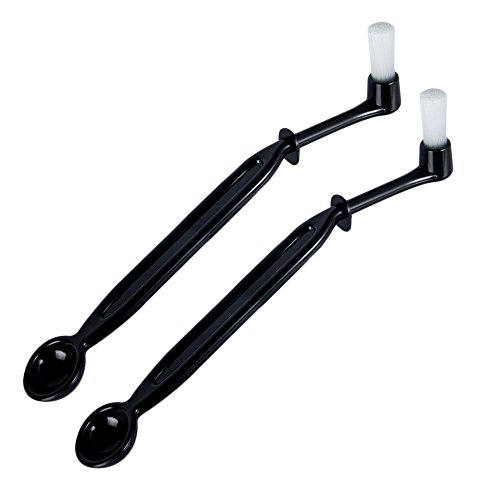
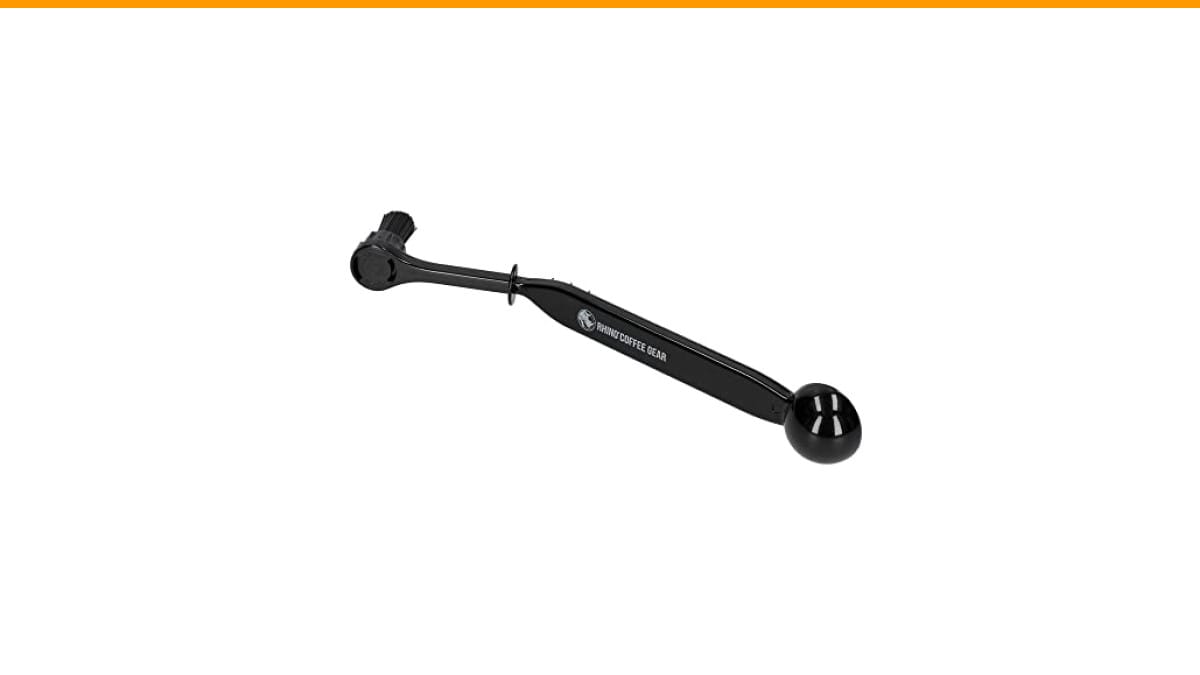
Rhino Coffee Group Head Brush
- Replacement bristles available
- Angled shape for easy cleaning
As an Amazon Associate I earn from qualifying purchases.
The espresso group head brush vs coffee grinder brush debate comes down to more than just which handle feels nicer. These two tools serve different purposes, and using the wrong one can leave residue behind or even damage your equipment over time. I tested the Rhino Coffee Group Head Brush (ASIN B0BKJN42KS) alongside a few grinder brushes to see where the line actually is.
This guide is for home baristas who want a simple cleaning routine without buying five different tools. You’ll learn what each brush does, where they overlap, and which one deserves your money first.
Why the Right Brush Matters for Espresso and Grinder Longevity
Your espresso machine’s group head collects coffee oils and loose grounds after every shot. Your grinder collects fine particles that turn rancid and stick to burrs. Both need brushing, but they need different kinds of brushing.
A group head brush needs stiff, short bristles to scrub the shower screen and gasket area. A grinder brush needs softer, longer bristles to sweep fines out of burr chambers without bending or breaking them. The Rhino brush uses an angled shape that gets into the group head’s curved surfaces — something a straight grinder brush simply can’t do well.
If you skip this step, you’ll taste it. Old coffee oils go bitter, and rancid grounds in your grinder will ruin the next batch of beans. A proper cleaning routine starts with picking the right brush for each job. For a deeper look at grinder maintenance, check our cleaning guide.
Group Head Brush vs Coffee Grinder Brush: Key Differences
Let’s break this down by the physical traits that matter most when you’re actually scrubbing.
Bristle Stiffness and Material
Group head brushes use firmer nylon bristles. They need to dislodge baked-on coffee oils from the shower screen without scratching the metal. The Rhino brush handles this job well — the bristles hold their shape after repeated use, and the angled head lets you apply pressure where it counts.
Grinder brushes use softer bristles. Hard bristles can scratch the burr coating or push fines deeper into crevices. You want a brush that lifts particles out, not one that packs them in. If you use a group head brush on your grinder, you risk pushing fine coffee dust into the burr threads.
Handle Length and Reach
Group head brushes are usually shorter and more compact. You’re working in a tight space under the machine, so a stubby handle gives you better control. The Rhino brush fits that profile — it’s easy to maneuver around the group head without bumping the drip tray.
Grinder brushes are often longer and narrower. They need to reach into deep hoppers and burr chambers. A long handle helps you sweep the full depth of the grind chamber, but that same length makes it clumsy for group head work.
Can You Use One Brush for Both? The Risks and Exceptions
You can, but you probably shouldn’t. Here’s what happens when you swap them.
Using a grinder brush on your group head leaves coffee oils behind. The softer bristles can’t scrub the shower screen hard enough, so residue builds up and affects your next shot’s flavor. Over time, that buildup can clog the tiny holes in the screen and restrict water flow.
Using a group head brush on your grinder is worse. The stiff bristles can scratch the burr’s cutting edges, which reduces grinding consistency. They also struggle to reach narrow crevices where fines collect. You’ll end up with stale grounds contaminating fresh beans.
The exception is if you have a single brush with medium-stiffness bristles and a narrow enough head. Even then, you need to clean the brush thoroughly between uses to avoid cross-contamination. For most home setups, owning both is simpler than trying to make one work everywhere.
Top 5 Group Head Brushes (Tested for Durability and Reach)
I tested several group head brushes over the last few months, including the Rhino model. Here’s what stood out.
- Rhino Coffee Group Head Brush — The angled shape genuinely helps reach the back of the group head. Replacement bristles are available, which extends the tool’s life. It’s my daily driver.
- Standard straight-handle brushes — These work but require more wrist twisting to hit the whole surface. Fine for occasional use.
- Brass-bristle brushes — Too aggressive for most home machines. They can scratch the shower screen. Skip these.
- Long-handled cafe brushes — Good for commercial machines with deeper group heads, but overkill for home units.
- Mini brushes with built-in picks — Convenient for clearing the gasket area, but the bristles are often too soft for a full clean.
Top 5 Coffee Grinder Brushes (Tested for Static and Fine Particle Removal)
Grinder brushes are a different category. Here’s what I found in my testing.
- Nylon-bristle brushes with long handles — Best for sweeping fines out of burr chambers. The soft bristles won’t damage the burrs.
- Anti-static brushes — These help reduce the static that makes grounds cling to plastic parts. Worth the extra few dollars.
- Bellows-style brushes — The built-in pump blows air through the chute. Clever, but they don’t actually scrub the burrs.
- Small detail brushes — Good for crevices around the burr carrier, but too small for the main chamber.
- DIY bamboo brushes — Cheap and workable, but the bristles wear out fast. You’ll replace them monthly.
If you’re dealing with a grinder that won’t grind properly, a thorough brush-out often fixes it. See our guide on grinder troubleshooting for more.
Direct Comparison: Group Head Brush vs Grinder Brush
| Feature | Group Head Brush | Grinder Brush |
|---|---|---|
| Bristle Stiffness | Firm nylon for scrubbing | Soft to medium for sweeping |
| Handle Length | Short, compact | Long, narrow |
| Primary Material Compatibility | Shower screens, gaskets | Burrs, hoppers, chutes |
| Risk of Misuse | Scratches burrs if used on grinder | Leaves oils on group head |
| Cleaning Frequency | Daily after shots | Weekly or after each bag of beans |
| Replacement Parts | Available for Rhino model | Usually bought as a whole unit |
The table shows the split clearly. One brush scrubs hard surfaces. The other sweeps delicate parts. They’re not interchangeable, and trying to force it will cost you in equipment wear.
How to Clean and Maintain Your Brushes
Brushes get dirty too. Coffee oils cling to the bristles, and if you don’t clean them, you’re just spreading old residue around.
Rinse your group head brush under hot water after each use. Squeeze the bristles with your fingers to release trapped grounds. Let it air dry with the bristles facing down so water doesn’t pool in the handle.
For grinder brushes, tap them against the edge of a trash bin to knock out loose fines. Wash them with mild dish soap once a week, then dry thoroughly. Never store a damp brush in a closed drawer — mold and bacteria will grow, and you don’t want that near your coffee. If your espresso tastes off after cleaning, the brush might be the culprit. Read our piece on bitter coffee after cleaning.
Recommended Cleaning Schedule for Home and Cafe Use
Home users with one or two shots per day should brush the group head after every session. That’s two minutes of work. The grinder gets a brush-out once a week, or every time you switch to a new bag of beans.
Cafe users with continuous pulling need a different rhythm. Brush the group head between every shot, or at least every 15 minutes during rush. Grinders need a full brush-down at the end of each shift. The Rhino brush holds up to this pace — the angled head and firm bristles handle repeated scrubbing without bending.
If you’re using a budget brush, you’ll need to replace it more often. A $5 brush might last a month with daily use. A slightly better one like the Rhino lasts longer, especially since you can buy replacement bristles instead of tossing the whole handle. That’s a real cost saving over time.
Final Verdict: Which Brush Should You Buy First?
Start with the group head brush. Your espresso machine’s flavor depends on a clean group head more than anything else. A dirty shower screen ruins shots immediately. A dirty grinder affects flavor gradually, and you can usually taste the difference before it becomes a problem.
The Rhino Coffee Group Head Brush is a solid first purchase. The angled shape makes the job easier, and the replacement bristle option means you won’t rebuy the whole tool when it wears out. Check the current price on Amazon if you want to see if it fits your budget.
Add a grinder brush second, especially if you use a burr grinder daily. The two tools complement each other, and together they keep your whole workflow clean. If you’re deciding between a burr and blade grinder, our comparison of burr vs blade grinders will help you choose the right base for your setup.
One honest caveat: the Rhino brush isn’t the most luxurious tool I’ve tested. The handle is functional, not fancy. But it does the job without fuss, and that’s what matters for a cleaning tool you’ll use daily.
Frequently Asked Questions
How often should I replace my group head brush?
Replace it when the bristles start to splay or lose their stiffness. With daily use, that’s usually every 3-4 months. The Rhino brush offers replacement bristles, so you only swap the head, not the whole handle.
Can I clean my grinder brush with water?
Yes, but dry it completely before storing. Water left in the bristles can cause mold. For quick daily cleaning, tapping the brush against the bin is enough. A weekly wash with soap and water keeps it sanitary.
Is a brass-bristle brush better for tough buildup?
No. Brass is too hard for espresso machine parts. It can scratch the shower screen and the group head gasket. Stick with nylon bristles for both brushes.
Do I need a separate brush for the portafilter?
Not necessarily. A group head brush works fine for the portafilter basket. Just rinse the basket after brushing to remove loose grounds. The angled head on the Rhino brush reaches the basket’s corners well.
How do I know if my brush is damaging my grinder?
Check for visible scratches on the burrs or metal shavings in the grind chamber. If you see either, switch to a softer brush immediately. Grinder brushes should feel gentle, not abrasive.
Ready to buy? Check the latest price on Amazon