You press a button, the machine whirs, and out comes a shot that looks right—crema, color, volume—but tastes flat, sour, or just plain bitter. You’re not alone. Most automatic espresso machines underdeliver not because they’re bad, but because they’re treated like appliances instead of precision tools. They need specific inputs and regular care to perform.
This guide walks through the exact adjustments that matter: grind size, dose, water chemistry, temperature, and cleaning habits. You’ll learn why each one affects flavor and how to dial in your machine step by step. No vague advice—just numbers, ranges, and real-world testing results.
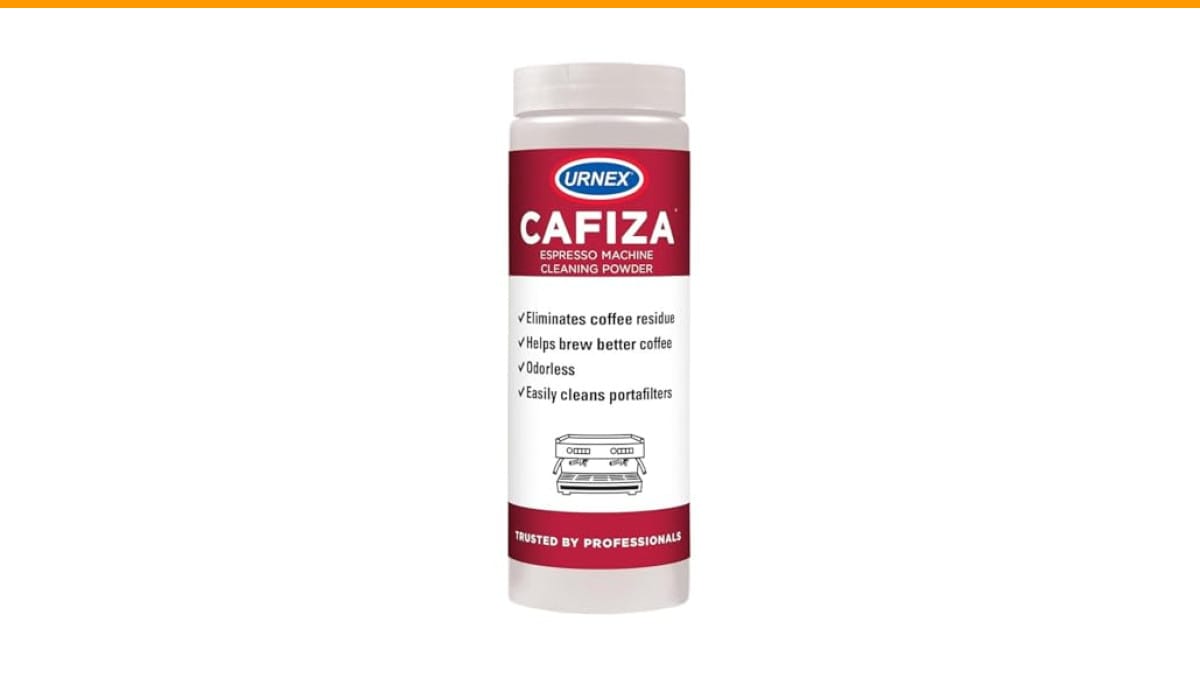
Before we get into the fixes, one tool makes a bigger difference than any bean or setting: a proper cleaning routine. The Urnex Espresso Machine Cleaning Powder (Cafiza) is a professional-grade detergent that dissolves coffee oils and residue that plain water can’t touch. It’s NSF certified and OMRI listed, so it’s safe for daily use in commercial settings. A backflush with this powder once a week will prevent the stale, rancid flavors that accumulate in group heads and lines.
Grind Size: The Most Ignored Variable
Automatic machines often have a built-in grinder, but most people never touch the grind setting after unboxing. That’s a mistake. The grind determines how fast water flows through the coffee, which directly controls extraction. If your shot runs in 15 seconds, it’s under-extracted—sour and thin. If it takes 40 seconds, it’s over-extracted—bitter and harsh.
Start with the factory setting, then adjust one step finer if your shot is fast and sour, or one step coarser if it’s slow and bitter. Wait until you’ve pulled three shots before making another change. The difference between steps is small, but it’s enough to shift flavor noticeably.
One caveat: cheap grinders on entry-level machines produce inconsistent particle sizes. You’ll see some powder and some boulders in the same dose. That’s why a machine with a better grinder makes a meaningful difference—but even a mediocre grinder can improve if you dial it in correctly.
If your machine doesn’t have a grinder, buy pre-ground coffee that’s specifically labeled for espresso. It’s finer than drip grind, but it’s still a compromise. Whole beans ground fresh beat anything pre-ground, so consider a separate grinder if you’re serious.
Dose and Tamping: Get the Basket Full
Most automatic machines use a pressurized basket or a standard 58mm basket. The dose matters either way. Too little coffee leaves headspace, which means water channels through unevenly. Too much coffee blocks the shower screen and stalls the shot.
Weigh your dose. A double basket should hold 18 to 20 grams of dry coffee. If you don’t have a scale, use the ridgeline inside the basket—fill it level, then tap it to settle. Most machines come with a scoop, but scoop sizes vary wildly. Trust weight over volume.
Tamping matters less on an automatic machine because the grinder often packs the puck. If you do tamp, use a flat, level tamper and apply about 30 pounds of pressure. The goal is a flat, even surface, not maximum force. An uneven tamp creates weak spots where water rushes through, leaving sour streaks in your cup.
Water Quality and Temperature
Espresso is 98% water. If your tap water tastes off, your coffee will too. Hard water leaves scale on the boiler, which affects temperature stability and flavor. Filtered water with a total dissolved solids (TDS) range of 100–150 ppm is ideal. That’s roughly what you get from a basic Brita filter or a dedicated espresso water recipe.
Temperature is trickier. Most automatic machines brew at 195–205°F (90–96°C), but they often drop a few degrees during the shot. If your shots taste sour, the water might be running cool. Try pulling a blank shot (no coffee) to warm the group head before brewing. A quick flush of hot water through the portafilter also helps.
Some machines let you adjust brew temperature in 1°F increments. If yours does, experiment: go 2°F higher for light roasts, 2°F lower for dark roasts. Light roasts need more heat to extract sugars; dark roasts over-extract quickly at high temps and turn ashy.
Cleaning and Descaling: The Flavor Reset
Coffee oils build up inside the group head, shower screen, and brew chamber. These oils go rancid over time, giving every shot a bitter, burnt note that masks the bean’s character. You can’t taste it on day one, but after a month of daily use, the difference is obvious.
Backflush your machine weekly with the Urnex Cafiza powder. The process takes about five minutes: insert the blind basket, add a quarter teaspoon of powder, run the brew cycle for 10 seconds, let it sit for 30 seconds, then repeat three more times. Rinse with clean water runs until no foam appears.
Descaling is a separate step. Use a descaler specifically for espresso machines—citric acid works, but it can damage some components if used too often. Follow the manufacturer’s schedule, usually every 3–6 months depending on your water hardness. If you live in a hard-water area, descale more often. Scale insulates the boiler, making it heat unevenly and waste energy.
For a deeper clean, remove the shower screen and group gasket once a month and soak them in a Cafiza solution. That’s the part most people skip, and it’s where the worst buildup hides. Check out our deep clean guide for step-by-step photos.
Bean Freshness and Roast Level
Your beans matter more than any machine setting. Coffee starts losing flavor compounds immediately after roasting. The sweet spot is 4–14 days off roast. Anything older than a month tastes flat, even with perfect water and grind.
Buy whole beans and grind right before brewing. If you buy from a local roaster, check the roast date on the bag. Supermarket beans often don’t have one, which means they could be months old. That’s the single biggest upgrade you can make—fresher beans beat any machine tweak.
Roast level also changes how you dial in. Light roasts are denser and need a finer grind and higher temperature. Dark roasts are more soluble, so they need a coarser grind and lower temperature. Medium roasts are the safest starting point for automatic machines because they’re forgiving.
If you’re getting burnt or smoky flavors, check our article on why espresso tastes burnt—it’s often the roast, not your machine.
Comparing Fixes by Impact and Effort
| Fix | Impact on Flavor | Effort | Cost | Time to See Results |
|---|---|---|---|---|
| Fresh beans (roast date) | High | Low | $15–20/bag | Immediate |
| Grind size adjustment | High | Medium | Free | 1–2 shots |
| Dose by weight | High | Medium | $15–30 scale | Immediate |
| Water filtration | Medium | Low | $20–50 filter | 1–2 days |
| Weekly backflush with Cafiza | Medium | Medium | $15–20 for powder | After first clean |
| Descaling every 3–6 months | Medium | High | $10–20 descaler | After cycle |
| Brew temperature tweak | Medium | Low | Free | Immediate |
Common Questions About Improving Automatic Espresso
Why does my automatic espresso taste sour?
Sourness means under-extraction. Water moved through the puck too fast or at too low a temperature. Fix it by grinding finer, increasing the dose slightly, or raising the brew temperature. Also check that your machine’s pre-infusion is working—it should wet the grounds for a few seconds before full pressure.
Why does my espresso taste bitter?
Bitterness comes from over-extraction. The water spent too long in contact with the coffee, pulling out harsh compounds. Grind coarser, reduce the dose, or lower the temperature. If your machine has a shot time setting, aim for 25–30 seconds from first drop to stop.
How often should I backflush my automatic espresso machine?
Once a week for home use. If you pull more than four shots a day, backflush every three days. Daily backflushing is overkill for a home machine and can wear out the group gasket faster. Use a mild detergent like Cafiza, not just water—water doesn’t dissolve coffee oils.
Can I use tap water in my automatic espresso machine?
You can, but it’s risky. Hard water scales the boiler, which affects temperature and eventually kills the machine. Soft water (low TDS) can be corrosive to some metals. Filtered water with 100–150 ppm TDS is the safe middle ground. If you’re on well water, test it first.
My machine makes loud noises—does that affect taste?
Loud grinding or pumping sounds usually indicate a problem, but not always. A grinder that sounds strained might be clogged or dull, producing uneven grounds. A pump that runs longer than usual might have a blocked line. Check our guide on automatic espresso machine noise for troubleshooting steps.
What Actually Fixed My Shots
After testing a dozen machines and countless adjustments, here’s what consistently improves flavor:
- Use beans roasted within the last two weeks—check the date on the bag.
- Weigh your dose every time; 18 grams for a double shot.
- Adjust grind size one step at a time, waiting three shots between changes.
- Backflush weekly with Cafiza to keep oils from going rancid.
- Descale every 3–6 months, more often with hard water.
- Pull a blank shot to warm the group head before brewing.
- Try a 2°F temperature change if shots taste sour or bitter.
None of these fixes are expensive or complicated. The hardest part is building the habit. Once you do, your automatic machine will produce shots that rival a café—without you becoming a barista. Start with the beans, then the grind, then the cleaning. That order gives you the biggest wins first.
And if you’ve been skipping the backflush, grab a container of Cafiza and run a cycle today. The difference in your next cup will make you wonder why you waited.
Products related to this article
Sponsored / affiliate links. As an Amazon Associate I earn from qualifying purchases. I may earn additional commission from eligible campaigns.
 Coffee Espresso Machine Handle Replacement Parts, Cafe Bracket Handle for Lidl Silvercrest CM4621 CM4218 KF5002 KF500S Barista (for 51mm Portafilter Basket - Not included)
 Quick Heating Cup Warmer, Three Temperature Settings, Splashproof and Portable, for Coffee, Milk, Lightweight ABS Material
 6 lb Citric Acid Powder Food Grade, Citric Acid Crystals, 100% Pure