Your coffee machine works hard every day to give you that perfect cup of coffee. But have you ever stopped to think about what’s lurking inside it?
Over time, oils, mineral deposits, and leftover coffee grounds build up, affecting the taste and even the machine’s performance. If you want your coffee to taste fresh and your machine to last longer, deep cleaning is a must. You’ll discover simple steps to thoroughly clean your coffee machine, making each cup better than ever.
Keep reading—you’ll be surprised how easy it is to bring your coffee maker back to life.
Why Deep Clean Your Coffee Machine
Deep cleaning your coffee machine is more than a chore. It keeps your coffee tasting fresh and your machine working well. Over time, oils, minerals, and dirt build up inside. These affect the coffee’s flavor and the machine’s performance. Regular deep cleaning protects your investment and improves every cup.
Impact On Flavor
Old coffee oils and residues change the taste of your brew. They make coffee bitter or stale. A clean machine brews pure, rich coffee every time. Removing buildup restores the original flavor of your beans.
Preventing Build-up
Mineral deposits from water clog the machine’s parts. This slows brewing and causes leaks or breaks. Cleaning stops these deposits from forming. It keeps water flowing smoothly and parts working well.
Extending Machine Lifespan
Dirt and scale wear down your coffee machine. This causes parts to fail sooner. Deep cleaning protects the internal components. It helps your machine last longer and saves money on repairs or replacements.

Credit: www.amazon.com
Tools And Supplies Needed
Deep cleaning your coffee machine keeps it working well and makes your coffee taste better. Using the right tools and supplies makes the process easier and more effective. Gather everything before you start. This saves time and helps you clean every part properly.
Cleaning Solutions
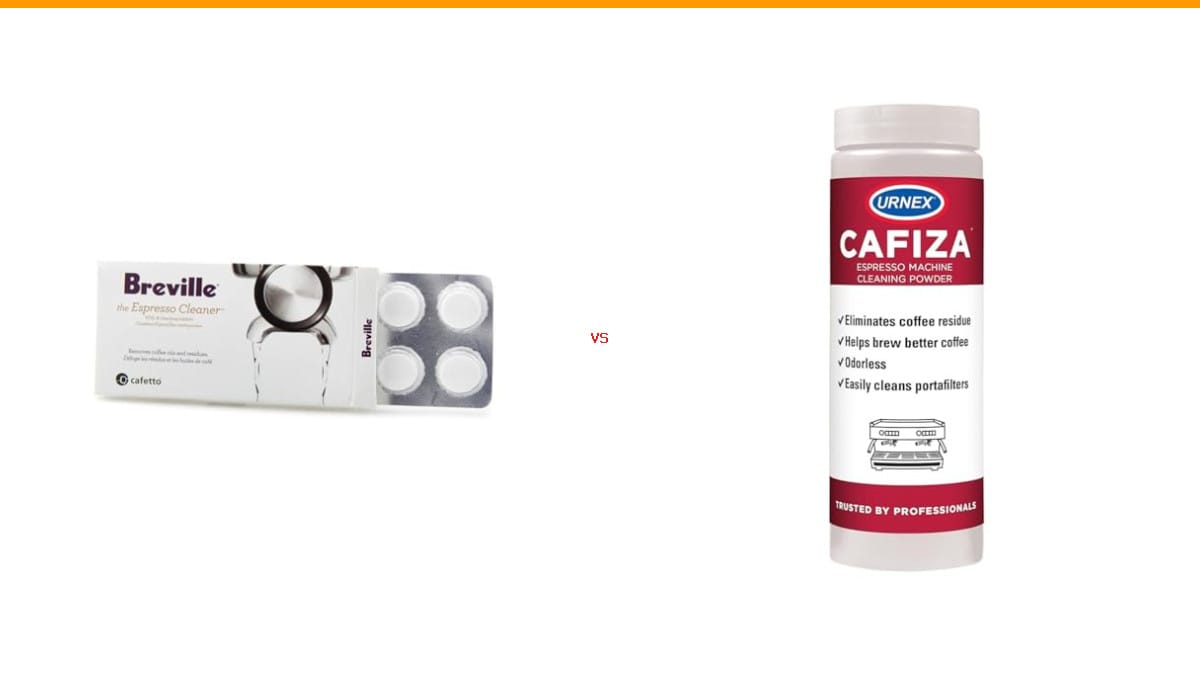
Choose a gentle cleaning solution made for coffee machines. Mild dish soap works for daily cleaning. Avoid harsh chemicals that can damage parts or leave bad taste. Some brands sell special coffee machine cleaners. These remove oils and coffee stains safely.
Brushes And Cloths
Use small brushes to clean hard-to-reach areas. A toothbrush or a brush with soft bristles works well. Microfiber cloths help wipe surfaces without scratching. Avoid rough cloths that may damage the machine. Keep extra cloths handy for drying parts after cleaning.
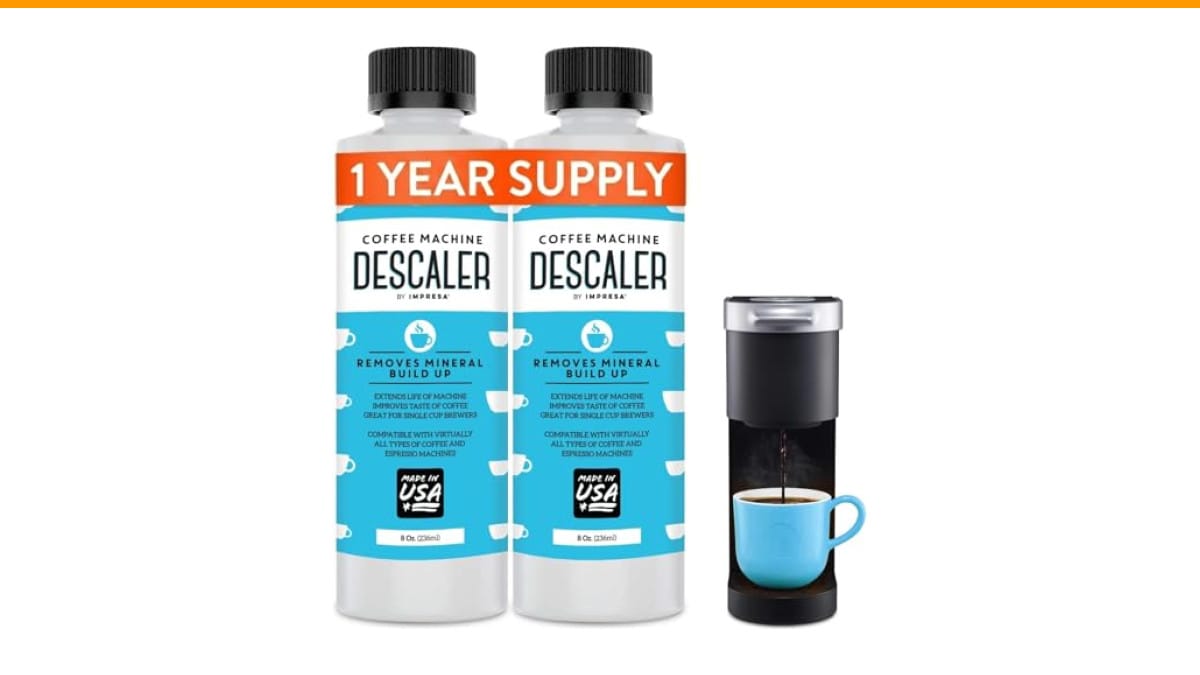
Descaling Agents
Descaling removes mineral buildup inside the machine. Use descaling agents made for coffee makers. Vinegar is a natural option but may leave a strong smell. Commercial descalers work faster and are safe for most machines. Follow instructions carefully to protect your coffee maker.
Cleaning Different Coffee Machine Types
Different coffee machines need different cleaning methods. Each type has unique parts that collect coffee oils and minerals. Cleaning them well keeps your coffee tasty and your machine working longer.
Follow clear steps for each type. Avoid damage and remove buildup effectively. Clean regularly for the best results.
Drip Coffee Makers
Remove the filter and grounds after each use. Wash the basket and carafe with warm, soapy water. Run a cycle with equal parts vinegar and water to remove mineral deposits. Rinse by running two cycles with clean water. Wipe the exterior and warming plate to remove stains.
Espresso Machines
Empty the portafilter and clean it with warm water. Use a brush to scrub the group head. Run a cleaning cycle with a detergent made for espresso machines. Soak removable parts in warm, soapy water. Backflush the machine to clear internal pipes. Wipe the steam wand after each use to prevent milk buildup.
Single-serve Machines
Remove and wash the drip tray and pod holder regularly. Run a cleaning cycle with vinegar and water to clear mineral buildup. Rinse with two cycles of clean water. Clean the needle that punctures pods with a small brush. Wipe the exterior to keep the machine looking fresh.
Step-by-step Deep Cleaning Process
Deep cleaning your coffee machine helps it work better and last longer. It removes old coffee oils, mineral buildup, and bacteria. Follow these simple steps for a thorough clean. Each step focuses on a key part of the machine. Take your time to clean every piece carefully. This keeps your coffee tasting fresh and your machine in good shape.
Disassembling Parts
Start by unplugging the machine. Let it cool down if it was recently used. Remove all detachable parts like the water tank, drip tray, and filter holder. Check the user manual to find all removable pieces. Keep small parts safe to avoid losing them. Disassemble carefully to prevent any damage.
Cleaning Removable Components
Wash the removable parts with warm water and mild soap. Use a soft cloth or sponge to avoid scratches. Rinse parts well to remove soap residue. Let everything dry completely before putting parts back. This step removes coffee oils and dirt that build up quickly.
Descaling The Machine
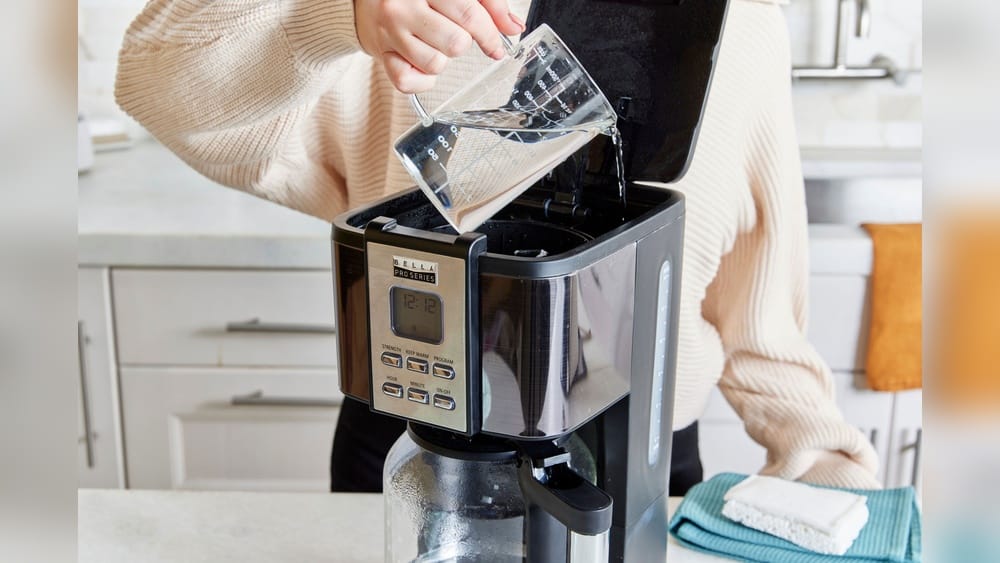
Descaling removes mineral deposits inside the machine. Use a commercial descaling solution or mix equal parts water and white vinegar. Fill the water tank with the solution. Run the machine as if brewing coffee, but without coffee grounds. Repeat the process with clean water to rinse out any residue.
Sanitizing Internal Parts
Sanitize internal parts to kill bacteria and germs. Use a food-safe sanitizer or a mix of water and vinegar. Run the sanitizer through the machine as you did with the descaling solution. Let the machine sit for a few minutes to work effectively. Rinse well afterward to clear any sanitizer taste.
Reassembling And Testing
Once all parts are clean and dry, reassemble the machine. Ensure each piece fits securely in place. Plug in the machine and run a test brew with water only. Check for leaks or strange noises. Your coffee machine is now clean and ready for perfect coffee.
Tips To Maintain A Spotless Coffee Machine
Keeping your coffee machine spotless helps it work better and last longer. Dirt and buildup can change the taste of your coffee. Regular care stops these problems early. Follow simple steps to maintain your machine’s cleanliness.
Clean machines make fresh, tasty coffee every day. Small habits make big differences in how your machine performs.
Regular Cleaning Schedule
Set a routine for cleaning your coffee machine. Clean the removable parts daily. Wipe the exterior with a damp cloth after each use. Deep clean the machine every one to two weeks. This removes hidden oils and residue. A clean machine brews better coffee and stays fresh.
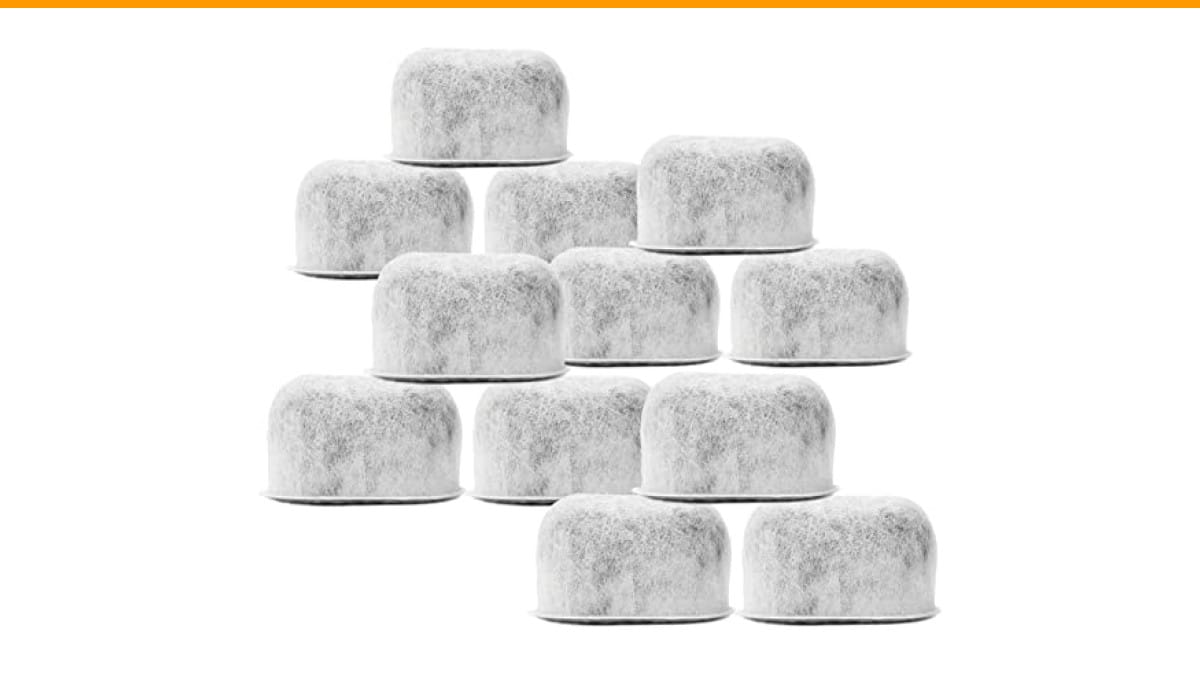
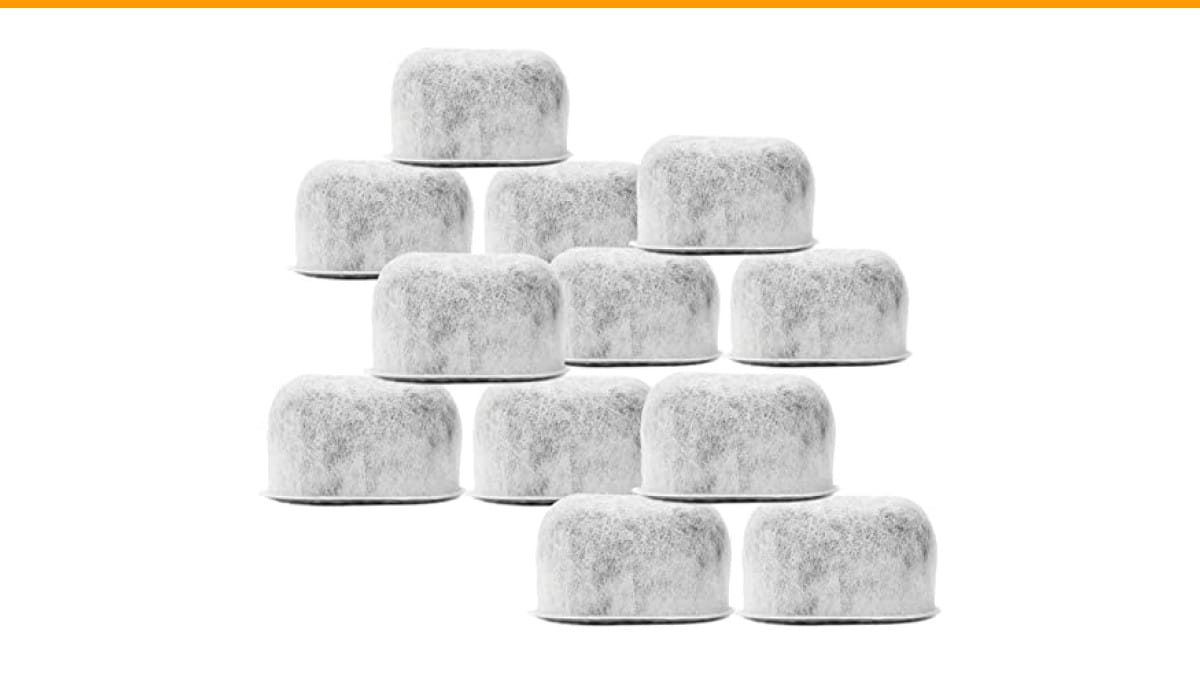
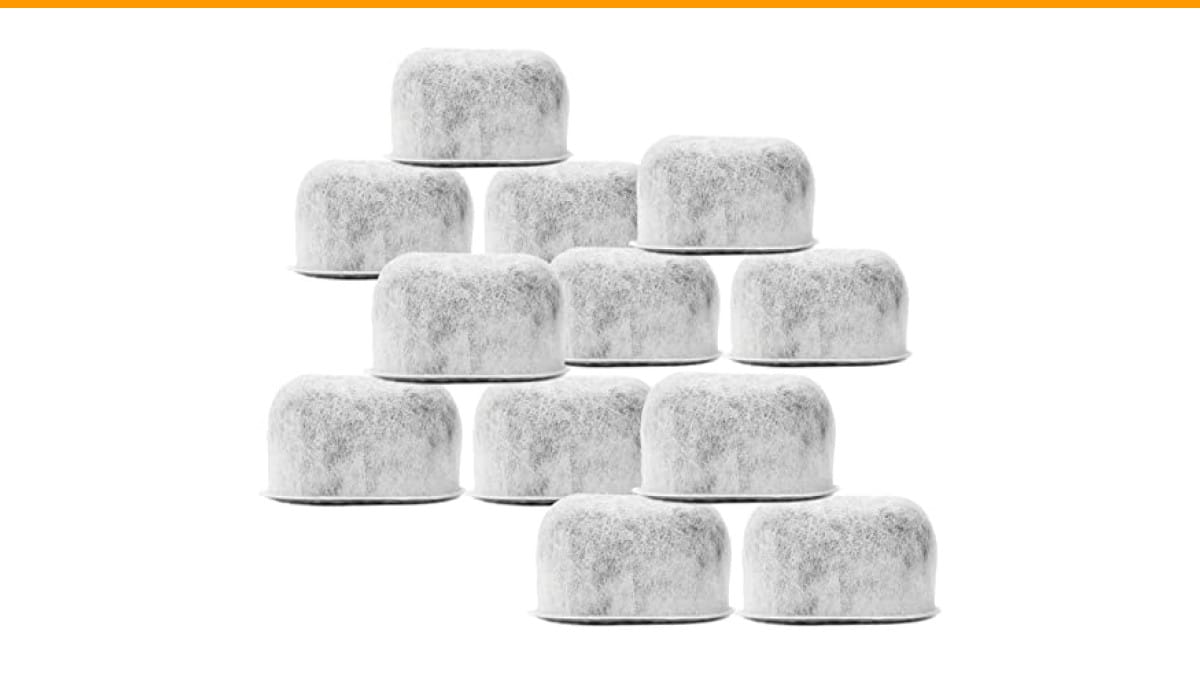
Using Filtered Water
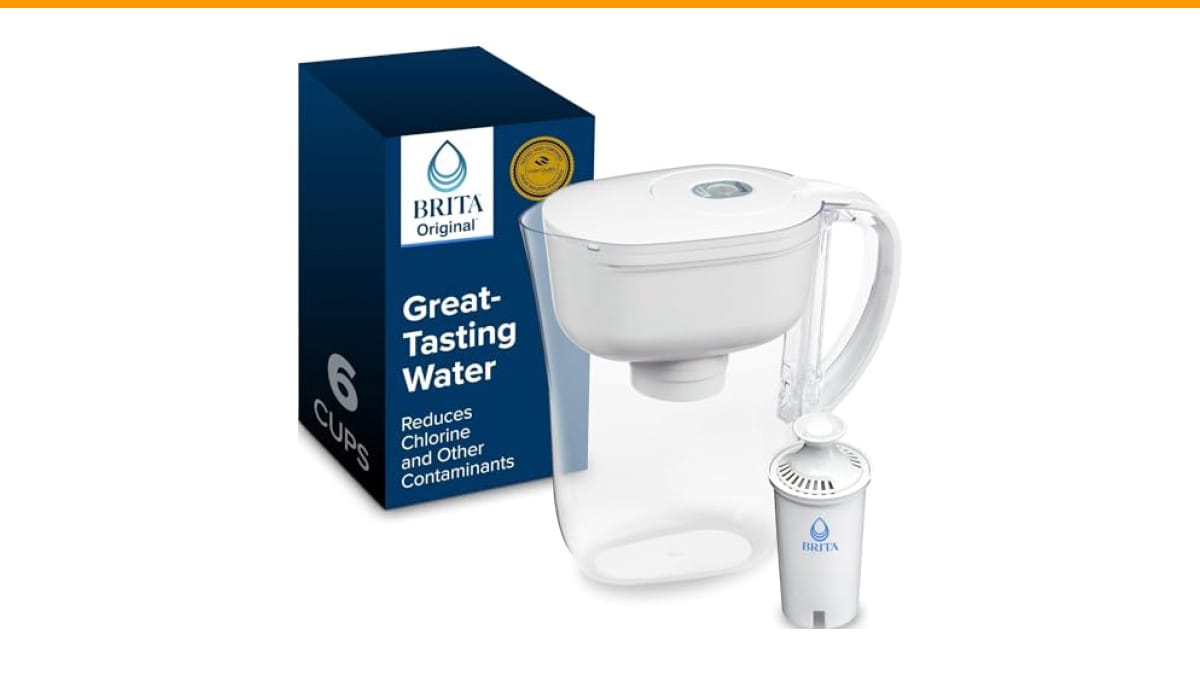
Use filtered water to avoid mineral buildup. Minerals clog your machine and affect taste. Filtered water keeps internal parts clean. It also protects the heating element. This simple step reduces the need for frequent deep cleaning. Your coffee will taste pure and smooth.
Avoiding Common Mistakes
Don’t leave coffee grounds inside the machine for long. They can cause mold and bad smells. Avoid using harsh chemicals or abrasive tools. These can damage your machine’s surface and parts. Follow the manufacturer’s cleaning instructions carefully. Use soft cloths and mild detergents only. This keeps your coffee machine safe and spotless.
:max_bytes(150000):strip_icc()/sea-detail-lelit-elizabeth-espresso-machine-nsimpson-3804-e239a8dac9314bcf814078cc19b5be9e.jpeg)
Credit: www.seriouseats.com
Troubleshooting Common Issues
Deep cleaning your coffee machine keeps it working well and makes great coffee. Sometimes, issues pop up even after cleaning. Understanding these common problems helps you fix them fast. This section covers key issues like slow brewing, off tastes, and leaks. Knowing how to spot and solve these troubles saves time and frustration.
Slow Brewing
Slow brewing often means a clogged coffee machine. Old coffee grounds or mineral buildup block water flow. Descale the machine with a vinegar solution or special cleaner. Clean the filter and water reservoir regularly. Check the water pressure too. Low pressure can slow brewing speed. Keep your machine parts clean and free of debris.
Off Tastes
Strange or bitter flavors come from dirty parts. Coffee oils and residue build up inside the machine. Clean the brew group and portafilter after each use. Replace old coffee filters. Use fresh water every time. Deep clean the machine monthly. This removes hidden buildup that causes bad flavors. Store coffee beans properly to keep taste fresh.
Leaks And Blockages
Leaks happen if seals or gaskets wear out. Check these parts for cracks or damage. Replace them if needed. Blockages occur in the drip tray or pipes. Clean the drip tray regularly. Flush the pipes using a cleaning solution. Avoid using too much coffee or grounds. This can cause clogs. Regular maintenance prevents leaks and blockages.

Credit: www.amazon.com
Frequently Asked Questions
How Often Should I Deep Clean My Coffee Machine?
Deep clean your coffee machine every 1 to 3 months. Frequent cleaning prevents buildup of oils and minerals. This keeps your coffee tasting fresh. Regular maintenance also prolongs your machine’s lifespan and ensures optimal performance.
What Household Items Can I Use To Clean Coffee Machines?
You can use white vinegar, baking soda, and mild dish soap. Vinegar removes mineral deposits effectively. Baking soda helps eliminate odors. Mild soap cleans removable parts safely. Avoid harsh chemicals that can damage your machine.
Can I Use Vinegar To Descale My Coffee Machine?
Yes, vinegar is a natural and affordable descaling agent. Mix equal parts vinegar and water. Run the mixture through your machine. Follow with several cycles of clean water to rinse. This removes mineral buildup and improves brewing quality.
How Do I Clean The Coffee Machine’s Grinder?
Unplug the machine first. Remove the grinder components carefully. Brush out leftover coffee grounds using a soft brush. Wipe with a dry cloth. Avoid water on electrical parts. Regular cleaning prevents stale coffee taste and grinder jams.
Conclusion
Regular deep cleaning keeps your coffee machine working well. It removes old coffee oils and dirt that affect taste. Clean machines make better coffee every time. Follow simple steps to clean it safely and quickly. Set a cleaning schedule to avoid buildup.
Your coffee will taste fresh and pure. Enjoy each cup with confidence and ease. A clean machine means happy mornings and great coffee. Keep it simple and clean often.
Products related to this article
Sponsored / affiliate links. As an Amazon Associate I earn from qualifying purchases. I may earn additional commission from eligible campaigns.
 Coffee Espresso Machine Handle Replacement Parts, Cafe Bracket Handle for Lidl Silvercrest CM4621 CM4218 KF5002 KF500S Barista (for 51mm Portafilter Basket - Not included)
 Cascade Platinum Plus Dishwasher Detergent Pods Dish Soap Lemon 57 Count
 Dawn Ultra Gentle Clean 2x Grease Cleaning Power Dish washing Liquid, Pomegranate Rosewater Scent 16.2 oz