You just dropped serious money on a machine that grinds, tamps, and brews with one touch. The first latte tastes incredible. Then a thought creeps in during month two: how long will this thing actually keep working? It’s a fair question, because nobody wants to treat a $1,000 appliance like a disposable printer.
Here’s the honest answer, based on years of testing and talking with home baristas: most super automatic espresso machines last between 5 and 10 years. The spread is wide because lifespan depends less on the brand and more on three things you control: water quality, cleaning habits, and how often you brew. This guide walks through the exact timeline of what breaks, when it breaks, and how to calculate whether the machine pays for itself before it dies.

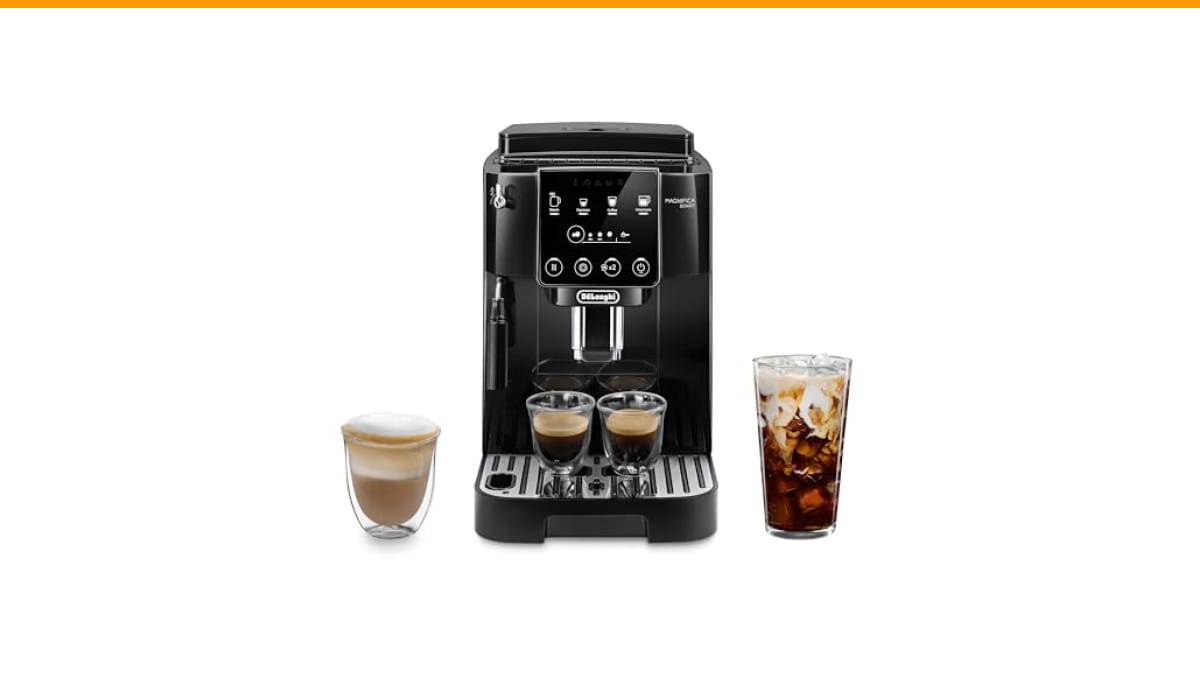
De'Longhi
De'Longhi Magnifica Start Automatic Espresso Machine, Milk…
- #1 Worldwide Espresso Machine Maker* *Independent Research Institute, Sales Leader, Full Year 2025
- 3 ONE-TOUCH RECIPES: Enjoy Espresso, Coffee, and Americano at the touch of a button. Easily adjust the intensity to fit your prefe…
- PERFECT GRINDING: 13 grind settings means all of your bean varieties are optimally prepared for extraction. The conical burr grind…
As an Amazon Associate I earn from qualifying purchases.
If you’re shopping now, the De'Longhi Magnifica Start is a solid entry point. It gives you the core super automatic experience—13 grind settings, one-touch recipes, a manual frother—without the complexity of a high-end Jura. It’s a good reference point for the value discussion later.
The Short Answer: How Many Years Should You Expect?
Plan for 5 to 7 years as a realistic baseline. Push it to 10 or 12 with meticulous care, or watch it fail at year 3 if you never descale and use hard tap water.
Here’s the data from repair shops and user forums: the average lifespan reported by owners clusters around 6.5 years. Machines that fail early almost always share a common story—scale buildup in the boiler, or a jammed brew group that was never cleaned.
Compare that to a manual espresso machine. A quality lever or semi-automatic unit often runs for 15 to 20 years because it has fewer moving parts and no internal grinder. You trade convenience for longevity when you go super automatic.
Why Super Automatics Die Earlier Than Manual Machines
A super automatic packs a grinder, a brew unit, a pump, and a heating system into one chassis. That’s four complex subsystems that can fail independently. Manual machines have a pump, a boiler, and a portafilter. Fewer parts mean fewer failure points.
The Brew Group: The Heart and the Achilles’ Heel
The brew group is the plastic or metal chamber that pushes ground coffee into the brewing position. It moves every single shot. That mechanical motion wears down gears, gaskets, and lubrication over time.
On machines with a removable brew group (most De’Longhi and Philips Saeco models), you can rinse it under the tap weekly. That simple habit extends its life dramatically. On machines with a sealed, non-removable brew group, you’re trusting that the internal lubrication lasts forever. It won’t. When that unit seizes, the repair cost often exceeds the machine’s value.
The Internal Boiler vs. Thermoblock Debate
Machines with a traditional internal boiler hold a reservoir of hot water. That standing water collects scale faster than a thermoblock, which heats water on demand. Jura uses a thermoblock in many models; De’Longhi uses a boiler in the Magnifica line.
Neither design is inherently better. But a thermoblock is easier to flush and less prone to catastrophic scale failure. A boiler, when scaled badly, can crack or leak. That’s a terminal diagnosis for most machines because replacing a boiler costs more than a new unit.
The 5 Critical Factors That Determine Lifespan (Ranked by Impact)
Ranked from most to least destructive, here’s what actually kills these machines.
1. Water Hardness and Descaling Frequency (The #1 Killer)
Hard water leaves calcium deposits inside the boiler and pipes. A thin layer of scale acts as insulation, forcing the heating element to work harder and run hotter. Over time, that leads to overheating, pressure issues, and eventually a dead heating element.
Measure your water’s TDS (total dissolved solids). Ideal range for espresso is 75-150 ppm. If your tap water reads above 200 ppm, use filtered water or a descaling routine every 2-3 months. Below 100 ppm, descale every 6 months. This single factor determines whether your machine sees year 8 or dies at year 4. For a full breakdown of the process, check out our descaling guide.
2. Usage Frequency and Thermal Cycling
Every time the machine heats up and cools down, components expand and contract. That’s thermal cycling. A machine used once a day experiences 365 cycles per year. A machine in a busy office that brews 20 shots a day cycles hundreds of times monthly.
Heating elements and solder joints fatigue from this stress. There’s a sweet spot: daily use is fine, but leaving the machine on 24/7 accelerates wear on the electronics and pump. Turn it off when you’re done brewing.
3. Build Quality and Material Costs
You get what you pay for. A $400 machine uses thinner plastic gears and a cheaper pump. A $2,000 Jura uses metal burrs and a more robust brew unit. The price difference shows up in year 5 when the budget machine starts making grinding noises and the premium one keeps running.
Look for machines with stainless steel boilers and ceramic burrs. Those components resist scale and wear better than brass or plastic alternatives.
4. Maintenance Habits (Daily vs. Monthly)
Daily: empty the drip tray, knock out the spent puck, wipe the steam wand. Monthly: deep clean the brew group, run a cleaning tablet through the brew path. Quarterly: descale.
Owners who skip the monthly brew group cleaning often find mold growing inside the chute. That’s not just a health issue—it clogs the mechanism and causes jams. A 10-minute weekly rinse prevents a $200 repair. Our maintenance routine covers the full schedule.
5. The “Repairability” Factor (Can It Be Fixed?)
Some machines are designed to be repaired. They have accessible screws, standardized parts, and available manuals. Others are glued together with proprietary parts that only an authorized dealer can source.
Before buying, search for replacement parts online. If you can buy a new brew group gasket for $15, that’s a good sign. If the only parts available are for the drip tray, the machine is disposable by design.
Realistic Failure Timeline: What Breaks and When?
Here’s the honest schedule of component failures based on repair data and owner reports.
| Component | Typical Lifespan | Failure Symptom | Repair Cost (Parts) |
|---|---|---|---|
| Grinder burrs | 3-5 years | Inconsistent grind, loud noise | $40-$80 |
| Brew group gaskets | 2-3 years | Leaking water around the group | $10-$25 |
| Internal boiler/heating element | 5-8 years | No heat, or takes forever to warm up | $100-$200 |
| Pump (vibration type) | 5-7 years | Weak pressure, noisy operation | $50-$100 |
| Electronic control board | 6-10 years | Buttons unresponsive, random shutdowns | $100-$300 |
| Steam wand (non-removable) | 4-6 years | Clogged, poor frothing | $30-$60 |
Notice the pattern: the cheap parts (gaskets, o-rings) fail first. If you catch those early, you avoid the cascade where a leak damages the electronics board.
If your machine starts making unusual noises, read our guide on espresso machine noise troubleshooting before assuming the worst.
How to Extend Your Machine’s Life to 10+ Years
- Test your water hardness with a cheap TDS meter. If it’s above 150 ppm, switch to bottled spring water or install an undersink filter.
- Descale on a schedule, not on a whim. Mark it on your calendar. Every 3 months for hard water, every 6 months for soft water.
- Rinse the brew group weekly. Pop it out, run warm water over it, let it air dry. Don’t use soap—it leaves residue.
- Replace the water filter (if your machine has one) every 2 months, or when the indicator lights up.
- Use fresh beans, not oily dark roasts. Oily beans leave residue inside the grinder chute that clogs over time.
- Let the machine warm up fully before brewing. Cold components stress the pump.
- Keep a repair fund. Set aside $50 a year. When the gasket fails at year 3, you’ll have the money for a repair instead of a replacement.
When to Repair vs. Replace (The 50% Rule)
Here’s a simple financial test. Get a repair quote. Compare it to the cost of a new machine. If the repair costs more than 50% of the replacement price, replace the machine.
Example: Your $800 machine needs a new boiler at $250 installed. That’s 31% of replacement cost. Worth fixing. But if the same machine needs a new control board at $400, that’s 50%. You’re better off buying a new model with a warranty.
One exception: if the machine is 8+ years old and you love it, and parts are cheap, keep repairing it. But remember that a new machine likely has better extraction technology and a quieter grinder.
Cost-Per-Year Analysis: Is a Super Automatic Worth It?
Let’s do the math. A $1,000 machine with a 7-year lifespan costs $143 per year in depreciation. Add $30 per year in descaling solution and cleaning tablets. Total: $173 per year.
Now compare that to buying $4 lattes five times a week. That’s $1,040 per year. The super automatic pays for itself in the first year of daily use, even with maintenance costs.
If you brew two shots a day, the machine is effectively free after 18 months. That’s the real value proposition. The machine isn’t an expense—it’s a subscription killer. For a deeper comparison of machine types, see our automatic vs. semi-automatic breakdown.
A $500 machine that lasts 4 years costs $125 per year. A $1,500 machine that lasts 10 years costs $150 per year. The premium machine is barely more expensive per year, and it brews better coffee. Don’t over-optimize for the lowest sticker price.
FAQ: Quick Answers to Common Longevity Questions
Does the De’Longhi Magnifica Start last as long as a Jura?
No. The Magnifica Start is a budget-friendly machine with a simpler build. Expect 5-7 years with good care. A Jura E8 or S8 typically lasts 8-12 years because of higher-grade materials and a better warranty. But the Magnifica costs half as much, so the cost-per-year math still works out.
What’s the first thing that usually breaks?
The grinder burrs or the brew group gasket. Both are wear items. Burrs dull after several hundred pounds of coffee. Gaskets dry out and crack. Both are cheap fixes if you catch them early.
How much does a professional repair cost?
Most repairs run between $100 and $300, including labor. The expensive failures are control boards and boilers. A repair quote above $250 on a machine under $800 is usually not worth it.
Is a 2-year warranty worth paying extra for?
Yes. A longer warranty signals manufacturer confidence. Jura offers 2-year warranties on most models. De’Longhi typically offers 1 year. That extra year covers the period when early failures (pump issues, electronics) usually show up. If you can extend the warranty for under $80, take it.
Can I use vinegar to descale?
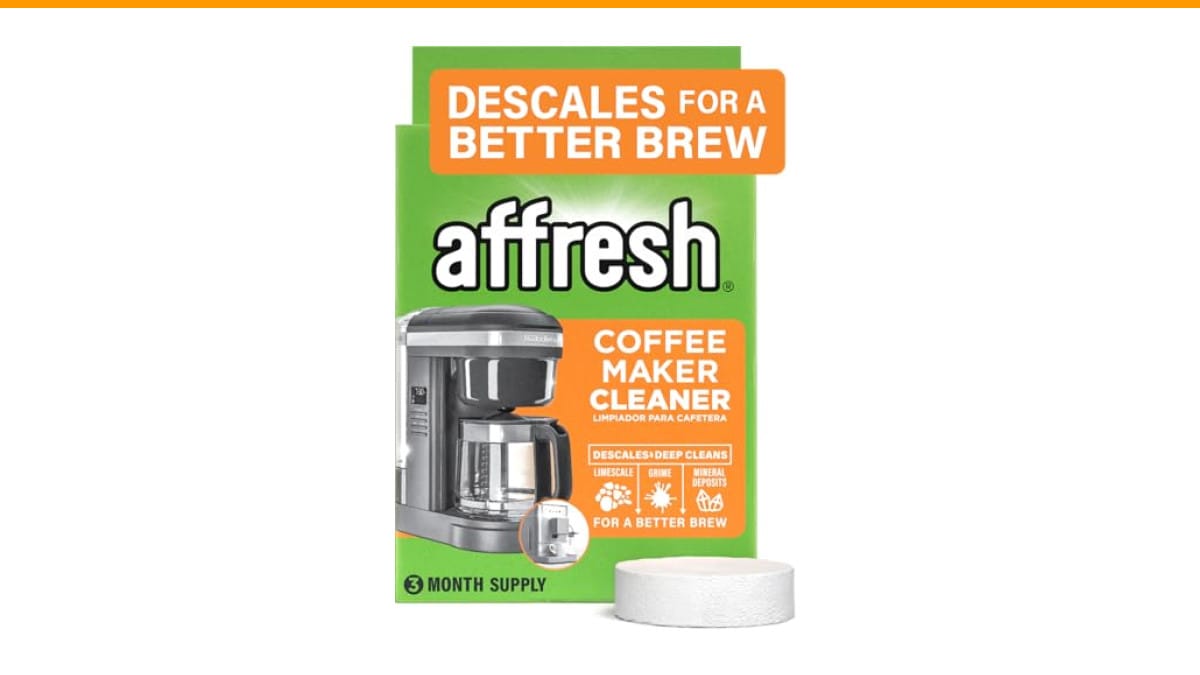
Don’t. Vinegar is acetic acid, which can damage rubber seals and leave a lingering taste. Use a commercial descaler designed for espresso machines. The cost difference is a few dollars, and it’s the difference between a clean machine and a leaky one.
The Bottom Line
Here’s what you should remember when deciding whether to buy or fix a super automatic.
- Plan for 5-7 years as the average lifespan, with 10+ possible under ideal water conditions.
- Water hardness is the single biggest factor. Soft water is the cheapest insurance you can buy.
- Clean the brew group weekly and descale quarterly. This one habit doubles the machine’s life.
- Use the 50% rule for repairs: if the quote exceeds half the replacement cost, buy new.
- Calculate cost-per-year, not purchase price. A $1,000 machine used daily costs less than a weekly café habit.
- Buy machines with removable brew groups and available spare parts. Those are the ones that survive.
- If your machine leaks water, address it immediately. Water damage to electronics is usually fatal. Check our leak troubleshooting guide for quick fixes.
Treat the machine like a tool, not a toy. Give it clean water, regular maintenance, and a repair budget, and it will return years of good coffee. Skip the maintenance, and you’ll be shopping for a new one sooner than you think.
Products related to this article
Sponsored / affiliate links. As an Amazon Associate I earn from qualifying purchases. I may earn additional commission from eligible campaigns.
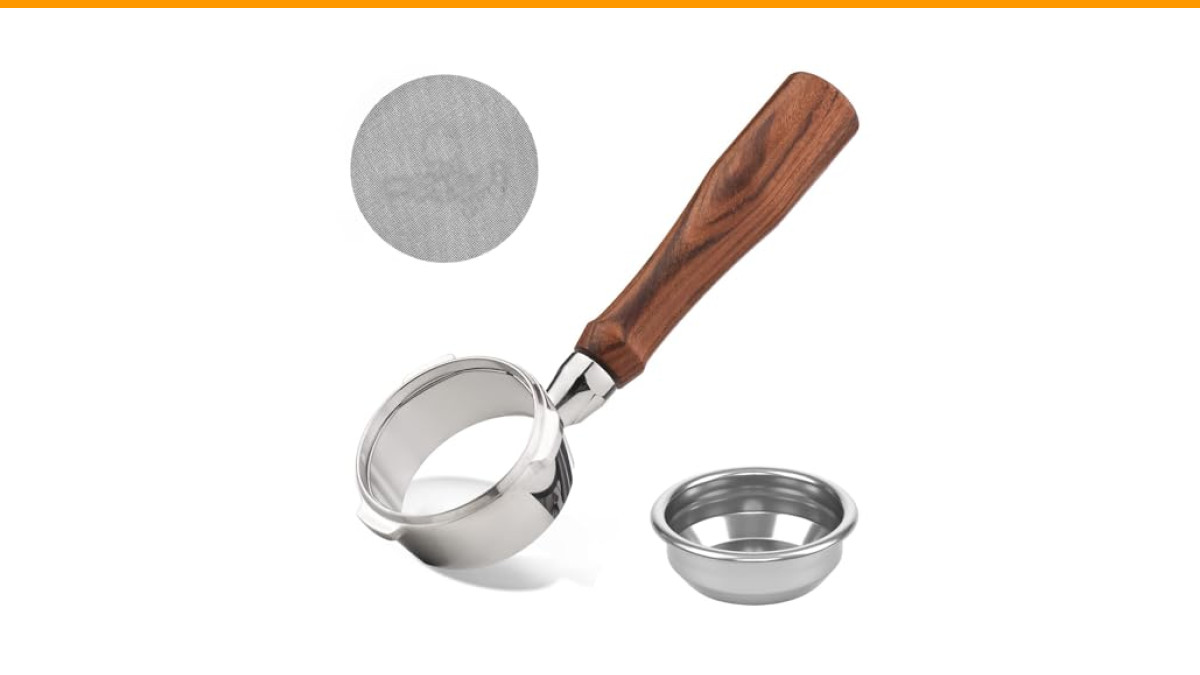
 Coffee Espresso Machine Handle Replacement Parts, Cafe Bracket Handle for Lidl Silvercrest CM4621 CM4218 KF5002 KF500S Barista (for 51mm Portafilter Basket - Not included)
 Meat Cutter Machine, Stainless Steel Electric Meat Slicer Machine with Three functional modes & Inclined Discharge Port Shredded Cutting Machine for Home Restaurants Supermarket (15mm)
 Wooden Coffee Mixing Spoons, 3PCS Long Handle Wooden Mixing Spoon, Cooking Long Handle Tasting Spoons for Kitchen Soup Coffee Cocktail Honey Mixing Stirring