Choose instant coffee if speed, low cleanup, and no brewer matter. Choose ground coffee if you want fresher flavor, more control, and already own a grinder or brewer. Picking the wrong one can mean paying for convenience you do not need, or buying gear that sits unused. This guide compares taste, caffeine, cost, equipment, and the best use case for each.
This guide is part of our Instant coffee guide series.
| Decision factor | Instant coffee | Ground coffee | Winner |
|---|---|---|---|
| Equipment needed | No grinder or brewer needed; just hot water | Needs a brewing method such as drip coffee, French press, espresso, pour-over, or cold brew | Instant coffee |
| Flavor and aroma | Simpler flavor, often less aromatic | Usually more aromatic and complex | Ground coffee |
| Cleanup | Minimal; usually one mug | More parts to rinse or discard | Instant coffee |
| Storage tolerance | More shelf-stable, but still sensitive to moisture after opening | Freshness drops faster after grinding | Instant coffee |
| Control over brewing | Lower; mainly dose and water temperature | Higher; grind size, brew time, water ratio, and method all matter | Ground coffee |
| Best fit for travel or camping | Very practical | Possible only if you pack gear and filters | Instant coffee |
Instant coffee vs ground coffee: the real trade-off


Instant coffee gives up aroma and depth to save time and storage space. Ground coffee makes a fresher, more aromatic cup, but it asks for gear and more cleanup. Most buyers are deciding between convenience now and better extraction later, based on how they drink and what they own.
What instant coffee is
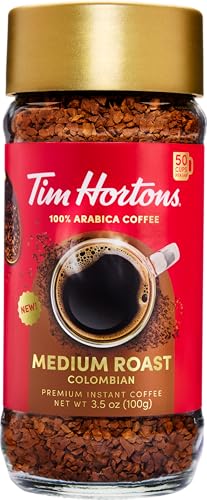
Instant coffee is brewed coffee that has been dehydrated. It dissolves in hot water, so you can make it in a mug with no brewer at all. It stores well, though opened containers still need to stay dry.
What ground coffee is
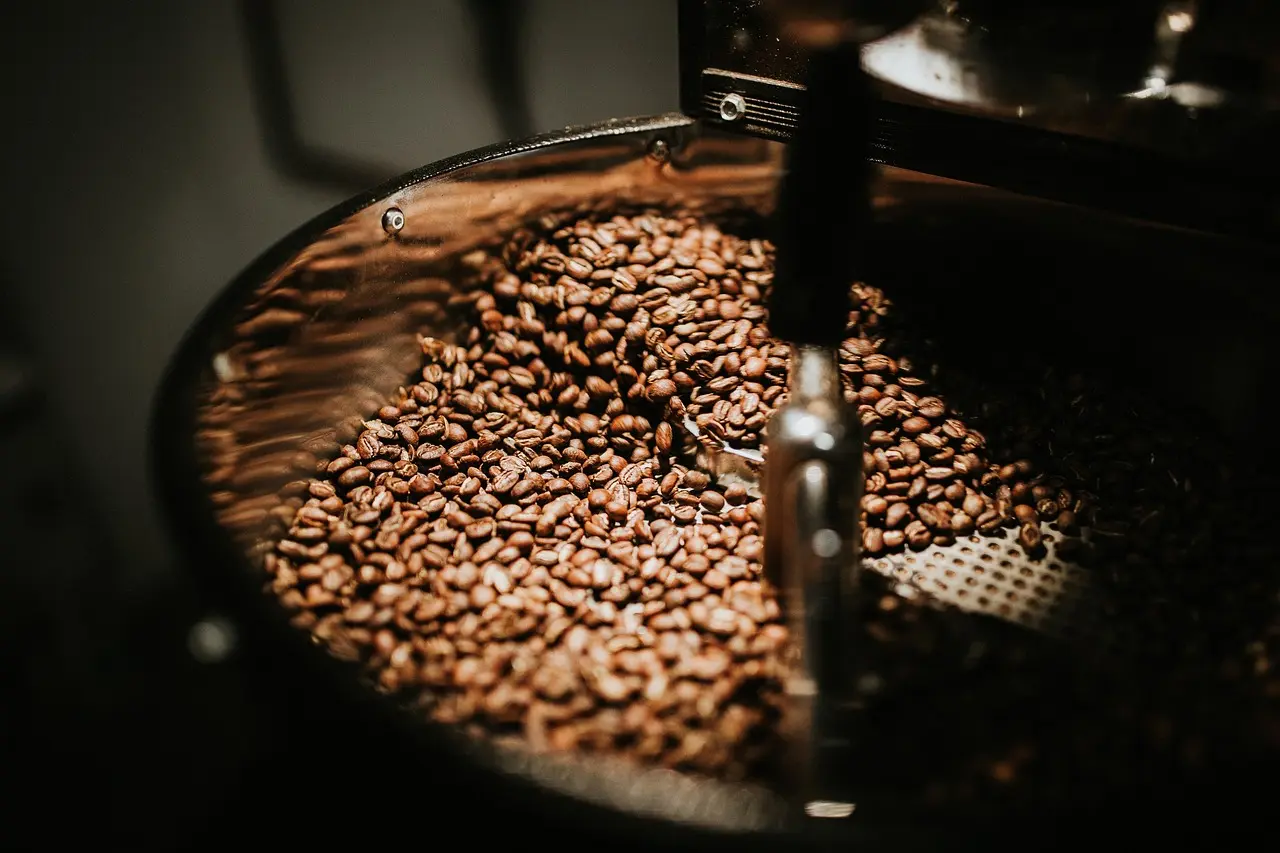
Ground coffee is roasted coffee beans that have been milled for brewing. It does not dissolve in water; it needs a brewing method and usually filtration or steeping. That group can include drip coffee, French press, espresso, pour-over, and cold brew.
The core choice in one line
Choose instant coffee for speed and storage flexibility. Choose ground coffee for aroma, brewing control, and a fuller cup.
How are instant coffee and ground coffee made?
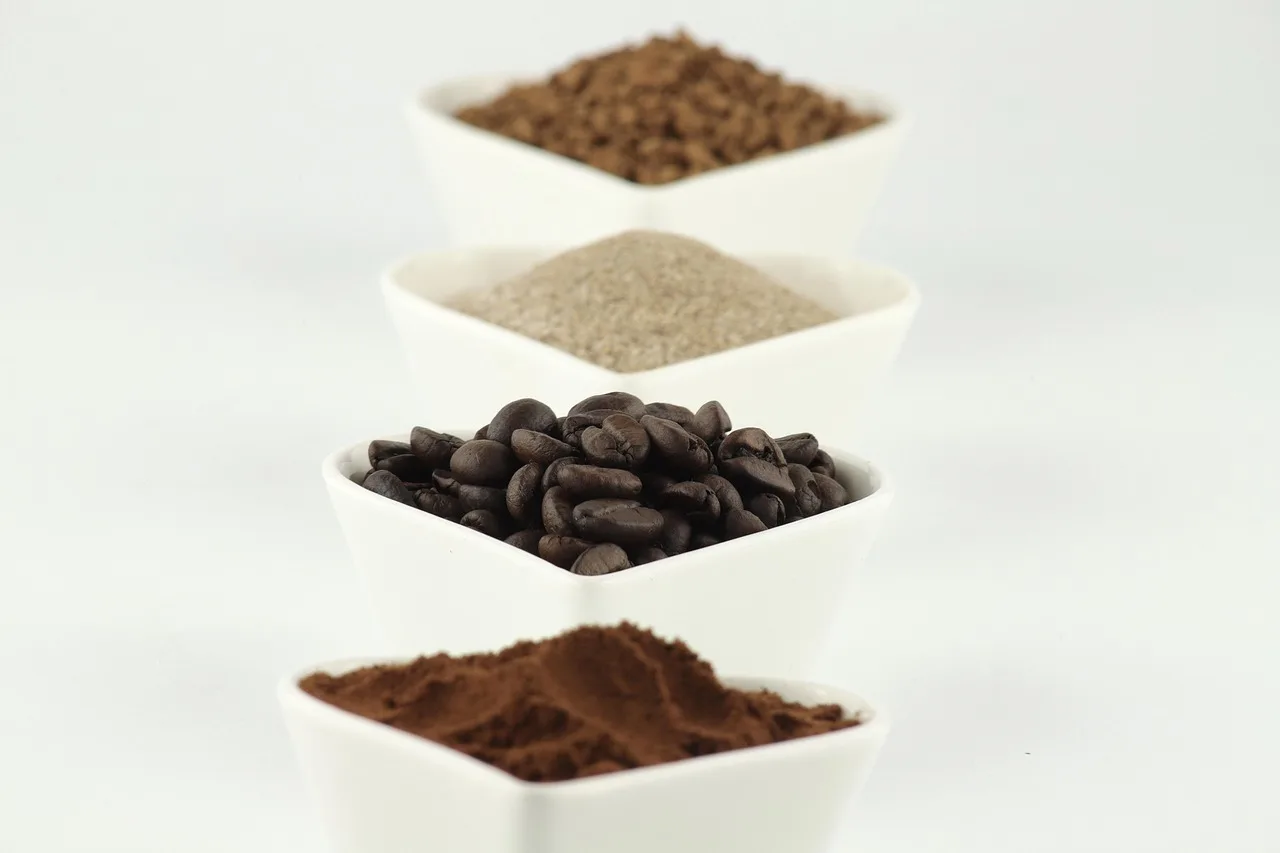
Instant coffee starts as brewed coffee, then it is dehydrated into granules or powder. Ground coffee starts as roasted beans that are crushed for brewing, so the bean structure stays intact enough to release flavor during extraction. That difference explains most of the gap in convenience, freshness, and taste.
Instant coffee: brewed, then dehydrated
Instant coffee uses two main production methods: freeze drying and spray drying. Spray drying turns concentrated coffee into powder with hot air. Freeze-dried coffee is made by freezing concentrated coffee in slabs and breaking it down.
Spray-dried vs freeze-dried instant coffee
Freeze-drying may keep more aroma than spray drying, though it can also be more expensive and time-consuming to make. Spray-dried coffee is common and generally more old-school in flavor quality. That does not make it unusable; it just means the cup is usually simpler.
Ground coffee: roasted beans ground for brewing
Ground coffee is made for extraction, not for direct dissolving. Because the grounds contain oils and aromatic compounds, freshness can drop after grinding as more surface area is exposed to oxygen. That is why sealed whole beans usually hold up better than pre-ground coffee, even before brewing starts.

How do taste and aroma compare?
Ground coffee usually smells stronger and tastes more layered because more volatile aromatic compounds survive until brewing. Instant coffee is often smoother but simpler, and the flavor can seem lighter or flatter, especially in black coffee. Processing method and dose both shape the result.
Why ground coffee usually smells and tastes more complex
When you brew ground coffee, water extracts compounds from freshly ground beans at the moment of brewing. The method matters too: espresso, pour-over, French press, drip coffee, and cold brew each pull different flavors. That is why two bags of ground coffee can taste very different.
Why instant coffee often tastes simpler
Instant coffee has already gone through brewing and dehydration before it reaches your cup. Some aroma is lost during processing, especially with spray drying. Freeze-dried coffee usually does better here, but it still tends to taste less layered than a fresh brew from ground coffee.
How processing changes flavor
Processing changes both aroma and body. If you drink coffee black, the difference is easy to notice. If you add milk or sugar, the gap narrows because those additions cover some of the finer flavor differences.
Which is easier to make and clean up?
Instant coffee is the clear winner for simplicity: scoop, stir, drink. Ground coffee needs at least one brewer, and often a grinder too, plus filters, a press, or a machine to handle the grounds. Cleanup is the tradeoff for tighter brewing control.
Equipment needs for instant coffee
Instant coffee works in a mug with hot water. That makes it useful for dorm rooms, office desks, travel kits, and camping setups where counter space is tight. It also suits people who want coffee without extra parts to wash.
Equipment needs for ground coffee
Ground coffee needs a brewing method. A drip setup, French press, espresso machine, pour-over cone, or cold brew jar can all work, but each adds steps. If you do not already own that gear, the up-front cost and storage space matter as much as the bag price.
Brewing methods tied to ground coffee
Drip coffee is the most common low-effort method. French press, espresso, pour-over, and cold brew all give more control, but they ask for different grind sizes, brew times, and cleanup routines. That control is part of the appeal for people who care about cup quality.
How do price, serving cost, and caffeine compare?
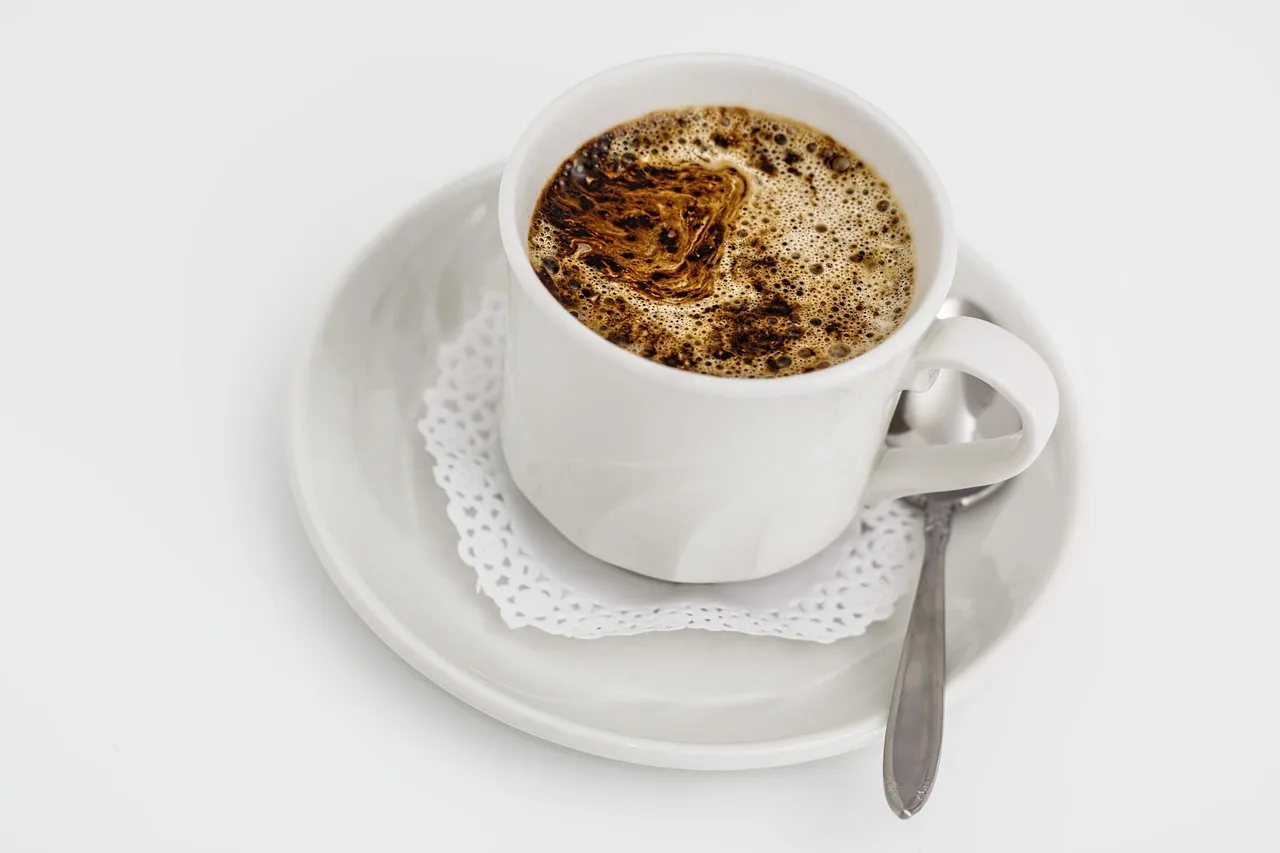
Instant coffee is often cheaper to start with and easier to portion, but the per-cup cost depends on brand, format, and how much powder you use. Ground coffee can be very economical in bulk, especially if you already own the brewer. Caffeine varies in both options because bean type and brew ratio matter.
Per-cup cost and bulk buying
Instant coffee usually wins when you factor in equipment savings and cleanup time. Ground coffee can be the better buy if you already have a grinder and brewer, since a bag can stretch across many servings. The actual value depends on whether you count the cost of machines, filters, and wasted coffee from bad brewing.
Why caffeine can vary by bean type and brew ratio
Caffeine is not fixed by category alone. Robusta beans can raise caffeine in some instant coffee, while brew strength in ground coffee depends on how much coffee you use per amount of water. A weak scoop of instant coffee can have less caffeine than a strong cup of drip coffee, and the reverse can also happen.
How Robusta can raise caffeine in some instant coffee
Some instant coffee blends use Robusta to boost caffeine and body. That can make instant coffee feel stronger even if the flavor is simpler. The cup still depends on the serving size, so a larger scoop can change both strength and total caffeine.
Which option stores better?
Instant coffee often stores better than ground coffee because it is already dehydrated and tends to be more shelf-stable. Both products are sensitive to light, heat, moisture, and oxygen, but ground coffee loses freshness faster after grinding. Opened instant coffee still needs a dry container because moisture can damage the granules or powder.
Light, heat, moisture, and oxygen
All coffee is affected by storage conditions. Heat and oxygen flatten aroma, and moisture is especially problematic for instant coffee once the package is open. Ground coffee also suffers after exposure, but the bigger issue is that grinding accelerates staling from the start.
Why instant coffee is more shelf-stable
Because the coffee has already been dehydrated, instant coffee is built for longer storage. That makes it a strong choice for emergency kits, office drawers, and spare pantry supplies. It is still not immune to bad storage, so sealed containers and dry scoops matter.
Why ground coffee loses freshness after grinding
Grinding exposes more surface area to air. Aromatics escape faster, and the flavor can turn dull sooner than whole beans or instant coffee. If freshness matters and you do not brew quickly enough, ground coffee can drift from lively to flat before the bag is empty.
How is instant coffee different from ground coffee?
The clearest difference is that instant coffee is already brewed, then dehydrated, while ground coffee is just roasted beans prepared for brewing. Instant coffee dissolves; ground coffee does not. That single split explains the gap in equipment needs, cleanup, shelf life, and flavor intensity.
Simple version
Instant coffee is a finished ingredient. Ground coffee is a brewing ingredient. If you want coffee now with a spoon and hot water, instant fits. If you want a brewed cup with more aroma and extraction control, ground coffee fits better.
Instant coffee vs ground coffee health
Neither option is automatically healthier for everyone. The more useful comparison is caffeine, additives, acidity, and portion control. Black coffee from either category is usually simpler than a sweetened or flavored version, and the healthiest choice often depends on what you add to the cup.
Caffeine, additives, acidity, and portion control
Instant coffee and ground coffee both contain caffeine, but the amount changes with bean type and serving strength. Additives matter too: premixed sachets can add sugar or creamer, while plain coffee keeps ingredients minimal. If acidity bothers you, brew style and strength may matter more than the category name.
Instant coffee vs ground coffee which is healthier
For most readers, the healthier choice is the one that keeps the drink simple and the serving size consistent. Plain instant coffee can be a practical low-calorie option. Plain ground coffee can be just as simple, but it usually needs more preparation and more attention to what goes into the cup.
Instant coffee vs ground coffee taste
Ground coffee usually wins on aroma and flavor complexity. Instant coffee is often cleaner, simpler, and sometimes weaker in black coffee, though higher-quality freeze-dried versions can narrow the gap. Milk and sugar can blur the difference, which is why the cup style matters.
Black coffee versus milk and sugar drinks
If you drink coffee black, flavor differences are easy to notice. If you make lattes, sweetened iced coffee, or dessert-style drinks, instant coffee may be more than good enough because other ingredients carry much of the flavor load. That is one reason convenience drinkers often accept instant coffee more easily.
Instant coffee vs ground coffee price
Instant coffee often costs less to start using because it does not require a grinder or brewer. Ground coffee can be cheaper per serving in bulk, especially for people who already own equipment. The real comparison is total cost per cup, including gear, filters, and waste from stale coffee.
When budget buyers should look at each option
If you need the lowest entry cost, instant coffee usually wins. If you already have the right brewer and make coffee regularly, ground coffee can deliver better value over time. A mixed pantry also makes sense: instant for travel and backup, ground coffee for home brewing.
Instant coffee vs ground coffee vs filter coffee
Filter coffee is not a separate material like instant coffee or ground coffee; it is a brewing style that usually uses ground coffee. The comparison that matters is whether you want coffee that is already processed for instant use or coffee grounds that still need a filter, press, or similar brewer. Filter coffee usually sits in the ground coffee camp.
Where filter coffee fits
Filter coffee is often the easiest path to a cleaner cup from ground coffee. It keeps the brewing process simple while still preserving more aroma than instant coffee usually can. If your kitchen already has a drip brewer, filter coffee may be the most practical middle ground.
coffee beans vs ground coffee vs instant coffee
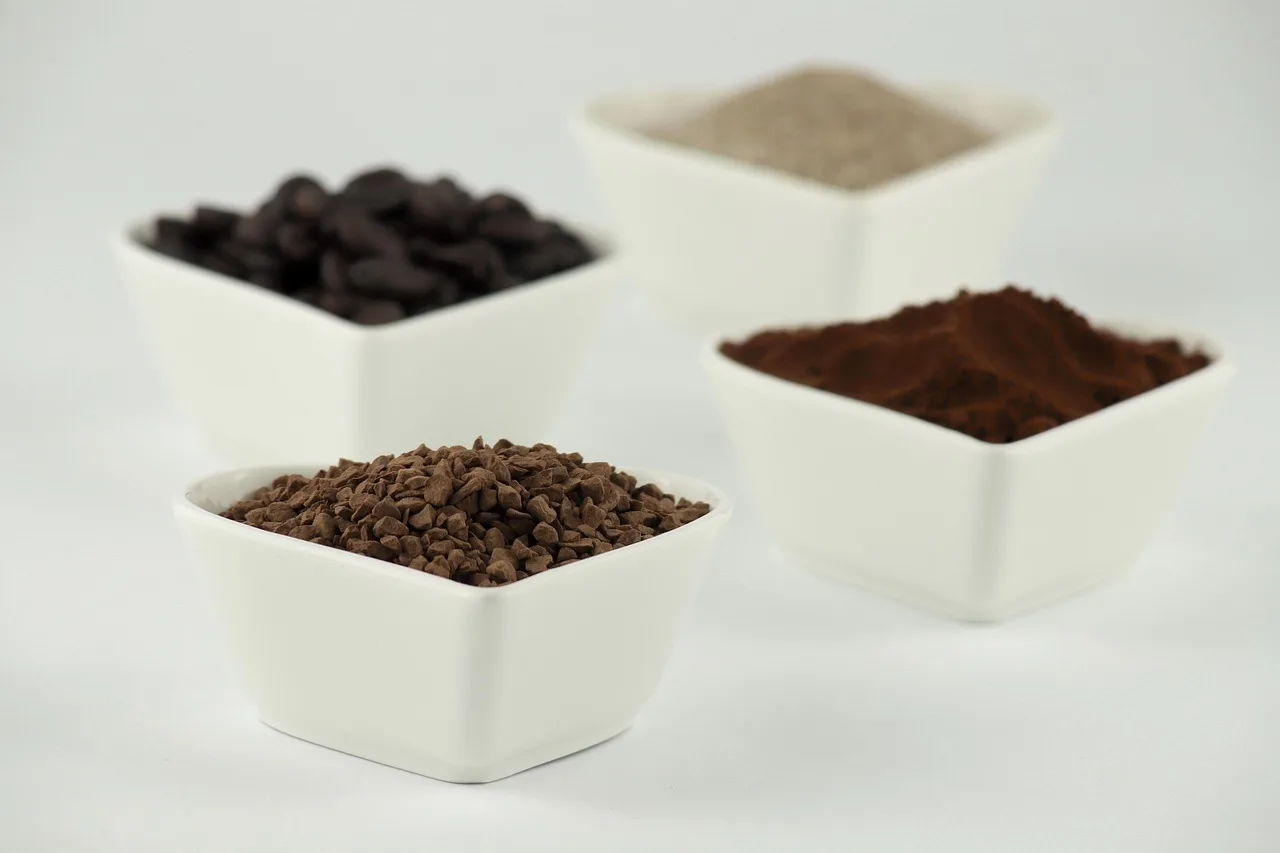
Whole beans hold freshness best, ground coffee is the middle step, and instant coffee is the most processed form. If you own a grinder, whole beans usually give the best control and aroma. If you want speed with no brewer, instant coffee wins. Ground coffee sits between those two.
Whole beans versus pre-ground
Whole beans buy you time before grinding, because the beans protect the coffee inside. Pre-ground coffee is easier, but it stales faster. That is why people chasing flavor often buy whole beans, while people chasing speed often move either to pre-ground or to instant.
Instant coffee vs ground coffee for baking
Instant coffee is usually easier for baking because it doses and mixes quickly, especially in batters, frostings, and dry rubs. Ground coffee can work in some recipes, but it may leave grit unless the recipe expects steeping or filtration. For most home bakers, instant is the simpler option.
When each one works best in recipes
Use instant coffee when a recipe calls for coffee flavor without extra liquid or texture. Use ground coffee when the recipe includes brewing, soaking, or steeping as part of the method. That distinction prevents grainy desserts and uneven flavor.
Decision matrix: which choice fits each use case?
The right answer changes with the setting. A dorm room, a trail bag, and a kitchen with an espresso machine are three different problems. This matrix turns the comparison into specific choices instead of vague taste advice.
| Scenario | Better choice | Why | Main tradeoff |
|---|---|---|---|
| No grinder | Instant coffee | Needs only hot water and a mug | Less aroma and less brewing control |
| Travel or camping | Instant coffee | Light, compact, and easy to prepare anywhere | Flavor is usually simpler than fresh brewing |
| Office desk | Instant coffee | Low cleanup and no shared brewer required | Limited cup quality if you prefer black coffee |
| Budget buying | Ground coffee | Often better value if you already own a brewer | Needs equipment and more cleanup |
| Flavor-first brewing | Ground coffee | More aromatic and adjustable through method and grind | More steps and more chance of bad extraction |
| Long shelf storage | Instant coffee | More shelf-stable after dehydration | Opened containers still need dry storage |
Say your kitchen has one mug, no grinder, and a 7 a.m. deadline. Instant coffee solves the problem with almost no cleanup. If the same kitchen later adds weekend brewing and you want a better black cup, ground coffee becomes the better fit.
Choose instant coffee if… / Choose ground coffee if…
Choose instant coffee if you want the fastest cup, have no brewer, travel often, or need something that keeps well in a dry pantry. Choose ground coffee if you already own brewing gear, care more about aroma and flavor control, or drink coffee often enough to justify the extra steps.
Choose instant coffee if…
You make coffee in an office, dorm, hotel room, or camp setup. You want the smallest cleanup possible. You store coffee for long stretches and want less worry about spoilage from everyday use.
Choose ground coffee if…
You already have a drip brewer, French press, espresso machine, pour-over setup, or cold brew gear. You drink coffee black and want more aroma. You are willing to manage grind size, brew time, and cleanup to get a better cup.
When a mixed pantry makes sense
Many kitchens benefit from both. Keep ground coffee for routine brewing at home and instant coffee for travel, backup mornings, baking, or times when you do not want to clean a brewer. That gives you convenience without giving up flavor when the schedule allows it.
Frequently asked questions
instant coffee vs ground coffee caffeine
Caffeine depends on bean type, blend, and serving strength. Some instant coffees use Robusta to raise caffeine, while ground coffee strength changes with brew ratio and method. A large, strong brew can exceed a modest instant serving, so the cup size matters as much as the label.
Products related to this article
Sponsored / affiliate links. As an Amazon Associate I earn from qualifying purchases. I may earn additional commission from eligible campaigns.
 Coffee Mug Warmer & You are Awesome Mug Set, Electric Cup Warmer for Desk
 Coffee Espresso Machine Handle Replacement Parts, Cafe Bracket Handle for Lidl Silvercrest CM4621 CM4218 KF5002 KF500S Barista (for 51mm Portafilter Basket - Not included)
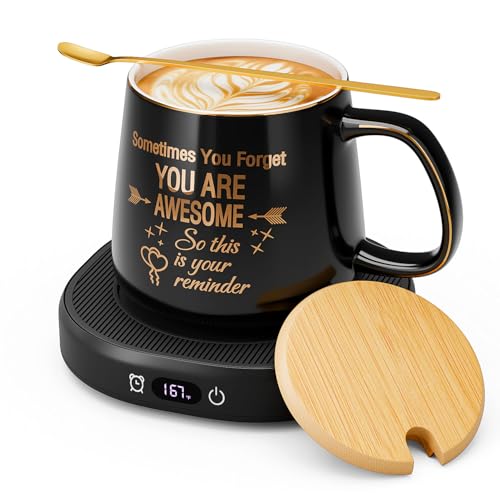 Coffee Mug Warmer & You are Awesome Mug Set, Electric Cup Warmer for Desk