You bought a reusable K cup to save money and cut down on plastic waste. For a few weeks, it worked great. Then your coffee started tasting a little off, or the brew slowed to a trickle. That’s not the pod’s fault — it’s almost always a maintenance problem.
Reusable filters are simple machines, but they need specific care. Coffee oils go rancid. Grounds get stuck in the mesh. Hard water leaves scale that no rinse will remove. This guide covers exactly how to maintain a reusable K cup, what to do weekly versus monthly, and when to just replace the thing.
You’ll walk away knowing the exact routine, the tools that work, and the mistakes that shorten a pod’s life. No guesswork.
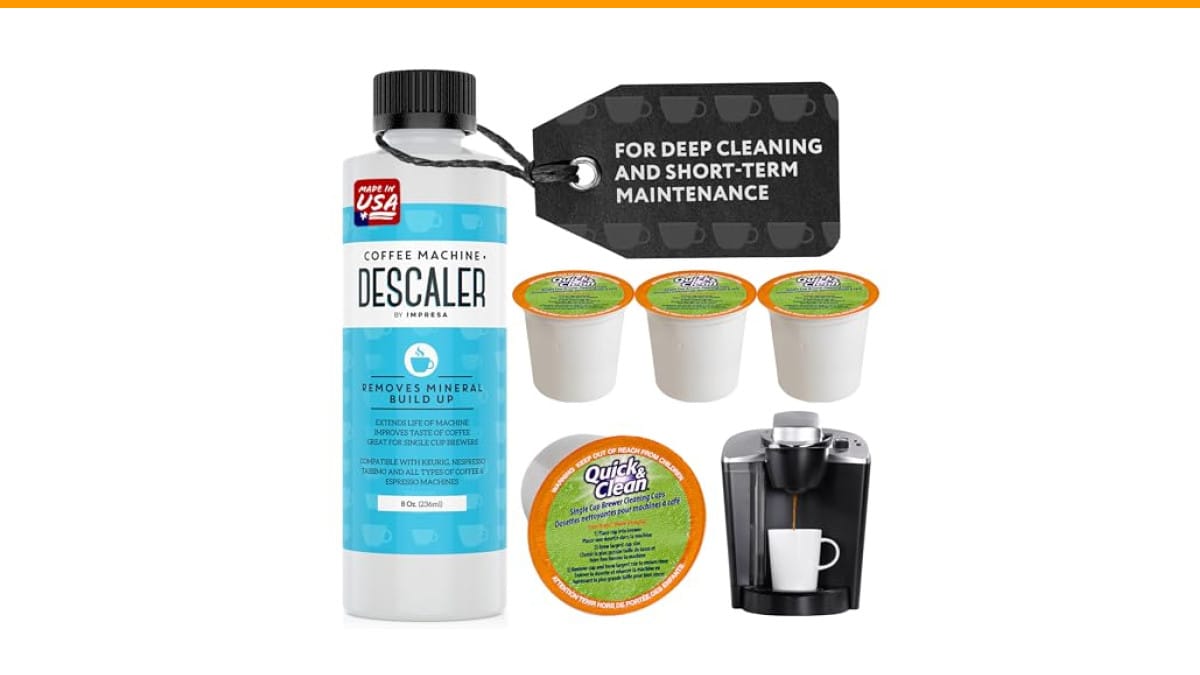
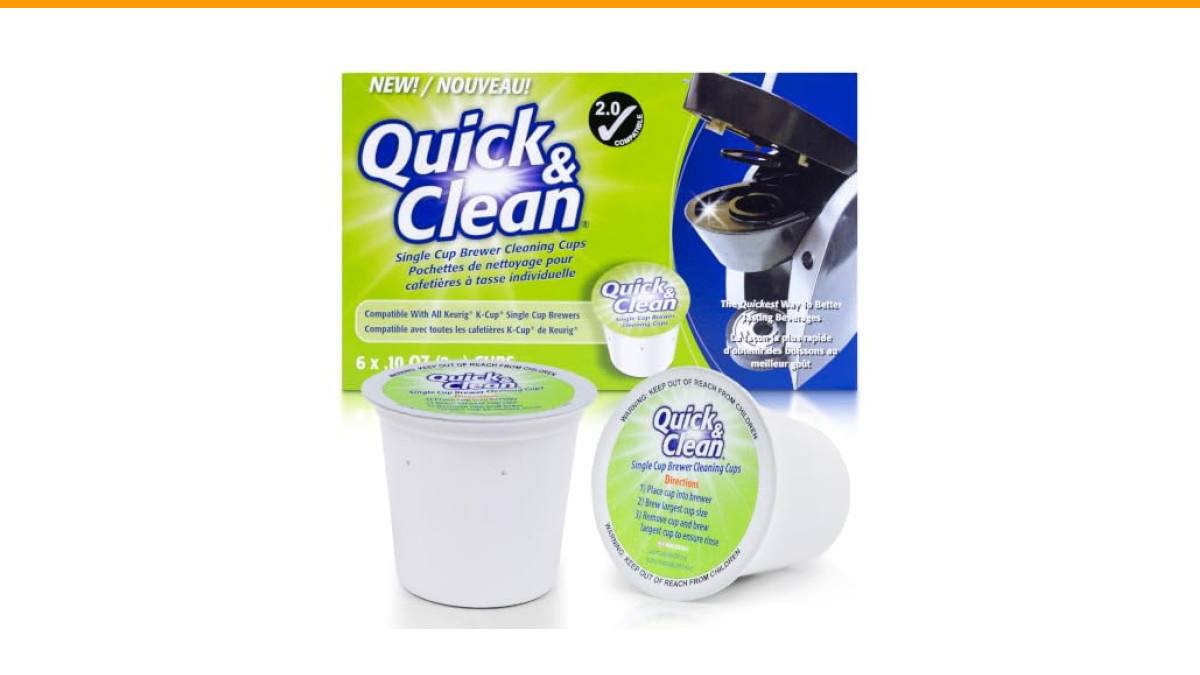
If you want to keep your whole brewer in good shape too, a cleaning pod like the Quick & Clean Keurig Cleaning Pods handles the internal parts your reusable cup can’t reach — the exit needle and the brew chamber. It’s a simple brew-and-discard cycle, and it’s worth doing alongside your descaling schedule.
Why Your Reusable K Cup Gets Gross So Fast
Every time you brew, hot water extracts coffee oils and micro-fines. Those oils cling to the stainless steel mesh. Left alone, they oxidize and turn bitter. That’s the “old coffee” taste you notice around week three.
The second problem is physical blockage. Grounds wedge into the mesh holes. Water still flows, but slower, which means under-extracted coffee. You get a weak, sour cup and you blame the beans. The beans are fine.
Third is mineral scale. If your tap water is hard, calcium deposits build up on the mesh and the pod’s plastic frame. Scale doesn’t rinse off. It needs an acid soak.
So the maintenance routine has three goals: remove oils, clear the mesh, and dissolve scale. Each needs a different method.
The Daily and Weekly Routine That Prevents 90% of Problems
Here’s the habit that makes the biggest difference: rinse the pod immediately after you brew. Don’t let it sit in the sink. Hot coffee residue dries and bonds to the mesh within an hour.
Do this every single day:
- Pop the used grounds into the trash or compost.
- Run hot tap water through the pod from the inside out. Hold it under the stream for 10 seconds.
- Rub the mesh gently with your thumb or a soft sponge. Don’t use a scrub brush with stiff bristles — they can distort the weave.
- Shake off excess water and let it air dry on the dish rack.
That’s it. Two minutes a day. If you do this, you can go weeks without a deep clean.
Once a week, do a slightly deeper rinse. Fill a bowl with hot water and a drop of dish soap. Soak the pod for five minutes, then rinse thoroughly. Soap residue tastes terrible, so make sure it’s completely gone.
One honest caveat: if you brew dark roasts or flavored coffees, you’ll need to do the soap soak twice a week. Those beans leave more oil behind.
The Monthly Deep Clean That Keeps the Mesh Clear
Once a month, your reusable K cup needs a proper soak. This handles the oils and grime that daily rinsing misses.
Mix one part white vinegar with two parts warm water in a small bowl. Submerge the pod completely. Let it soak for 30 minutes. For heavy buildup, go 60 minutes, but no longer — vinegar is acidic and can degrade the plastic over time if left too long.
After the soak, rinse the pod under hot water. Then use an old soft toothbrush to gently scrub the mesh in a circular motion. You’ll see the water run cloudy as the oils release.
For the final rinse, boil some water and pour it through the pod from both directions. That sanitizes and removes any lingering vinegar smell.
If you live in an area with hard water, add a monthly descale step. Soak the pod in a solution of citric acid powder and hot water — one teaspoon per cup — for 20 minutes. Citric acid dissolves mineral scale that vinegar sometimes leaves behind. Rinse thoroughly after.
This monthly routine takes about 15 minutes of active time. It’s the difference between a pod that lasts a year and one that needs replacing after three months.
When to Replace Your Reusable K Cup
No reusable filter lasts forever. The mesh wears, the plastic frame gets brittle, and the lid seal loses its grip. Here are the signs it’s time to toss it:
- The mesh is visibly bent or warped. Once the weave distorts, it won’t filter evenly.
- Water pools on top of the grounds instead of draining. That means the mesh is clogged beyond what cleaning can fix.
- The lid doesn’t snap shut firmly. Grounds will leak into your coffee.
- You smell a sour odor even after a vinegar soak. That’s rancid oil baked into the plastic.
- The plastic has cracks or discoloration. Cracks harbor bacteria.
Most reusable K cups last between six and twelve months with regular care. If you use it three times a day, lean toward the shorter end of that range.
When you do replace it, don’t buy the cheapest option. The mesh quality varies a lot between brands. A pod with a finer stainless steel mesh brews a cleaner cup and resists clogging longer.
Comparing Cleaning Methods: What Actually Works
Not all cleaning approaches are equal. Here’s how the common methods stack up in real use.
| Method | Removes Oils | Removes Scale | Time Needed | Best For |
|---|---|---|---|---|
| Hot water rinse (daily) | Partial | No | 1–2 minutes | Everyday upkeep |
| Dish soap soak (weekly) | Yes | No | 10 minutes | Regular oil buildup |
| Vinegar soak (monthly) | Yes | Yes, mild | 30–60 minutes | General deep clean |
| Citric acid soak (monthly) | Yes | Yes, strong | 20 minutes | Hard water areas |
| Dishwasher | Partial | No | 1 cycle | Quick convenience |
The dishwasher method deserves a warning. Some pods claim to be dishwasher-safe, but the high heat and strong detergents can warp the plastic frame over time. Use it only if your pod’s instructions explicitly allow it, and skip it if you want maximum lifespan.
For the brewer itself, don’t forget the internal parts. A proper coffee maker cleaning routine covers the whole machine, not just the pod. The exit needle and brew basket accumulate residue that no reusable filter can prevent.
Common Questions About Reusable K Cup Maintenance
How often should I clean my reusable K cup?
Rinse it after every use. That’s non-negotiable. Do a soap soak once a week and a vinegar or citric acid soak once a month. If you drink multiple cups a day, move the soap soak to every three or four days.
Can I put my reusable K cup in the dishwasher?
Only if the manufacturer says it’s safe. Many are, but the high heat and aggressive detergent can weaken the plastic and distort the mesh over time. Hand washing is always safer and takes less than two minutes.
Why does my coffee taste bitter even after cleaning the pod?
Check two things. First, your grind size — reusable K cups need a coarse grind, like sea salt. Fine espresso grind clogs the mesh and over-extracts. Second, the machine itself. If the brewer hasn’t been descaled in a while, scale inside the water lines affects flavor. Clean the whole machine, not just the pod.
Is vinegar safe for my reusable K cup?
Yes, in short soaks. White vinegar diluted with water (1:2 ratio) is safe for 30–60 minutes. Don’t soak it for hours or use undiluted vinegar. The acid will degrade the plastic and rubber seals. Rinse thoroughly after.
How do I know when my reusable K cup is beyond saving?
When the mesh is bent, the lid won’t latch, or a vinegar soak doesn’t kill the stale odor. Also, if you see cracks in the plastic, replace it immediately. Cracks harbor bacteria and can leak grounds into your cup.
Can I use a cleaning pod with a reusable K cup?
No. Cleaning pods are for the machine, not the reusable filter. Run the cleaning pod through the brewer on its own to clean the internal lines and needle. Then clean your reusable cup separately with the methods above. For a full machine flush, a product like the Quick & Clean pods works well between descaling sessions.
What to Remember When Your Cup Starts Acting Up
Here’s the short version you can act on right now:
- Rinse the pod immediately after every brew. Hot water, 10 seconds, both sides.
- Do a weekly soap soak if you drink dark roasts or flavored coffees.
- Monthly vinegar soak handles oils and mild scale. Citric acid works better for hard water.
- Never use abrasive scrubbers. A soft toothbrush is all you need.
- Replace the pod when the mesh warps, the lid loosens, or the smell won’t go away.
- Clean the whole brewer, not just the pod. A dirty exit needle ruins a clean filter’s work.
- Check your grind size. Coarse beats fine for every reusable K cup.
Stick to this routine and your reusable K cup will brew clean, fast, and flavorful for a year or more. Skip it and you’ll be back to buying disposable pods within a month, wondering where the savings went.
If you’re dealing with a brewer that’s already acting up, our guide on Keurig K Supreme not brewing full cup covers the most common fix. And for keeping the whole machine alive longer, the coffee machine maintenance article has the full picture.
Products related to this article
Sponsored / affiliate links. As an Amazon Associate I earn from qualifying purchases. I may earn additional commission from eligible campaigns.
 Cascade Platinum Plus Dishwasher Detergent Pods Dish Soap Lemon 57 Count
 Stainless Steel Moka Pot Coffee Filter Disc for Espresso Brewing, Coffee Maker Replacement Filter Plate for Home Office Coffee Bar Cafe (FOR 4 Cups)
 SOLUSTRE Electric USB Coffee Cup Warmer with Temperature Settings Portable Milk and Beverage Heating Coaster for Office Desk Small Lightweight Design Easy to Clean Surface Multi Functional