You just brewed your morning coffee, took a sip, and noticed it tastes a little… off. Not bad, exactly, but dull, with a faint oily bitterness that wasn’t there last week. You check the machine, but the water reservoir looks fine. The culprit is almost certainly your reusable K Cup. Coffee oils, micro-grounds, and mineral scale build up inside that little basket over time, and a quick rinse under the tap doesn’t cut it.
Most people treat their reusable pod like a mug — rinse it, let it dry, use it again. That routine leaves a biofilm of rancid oils on the mesh and plastic. Those oils go stale, turn bitter, and can harbor harmless but unappealing bacteria. This guide walks you through the exact steps to sanitize a reusable K Cup, from a fast daily rinse to a weekly deep clean that removes everything. You’ll also learn the descaling routine that keeps the whole brewer running properly.

Quick & Clean
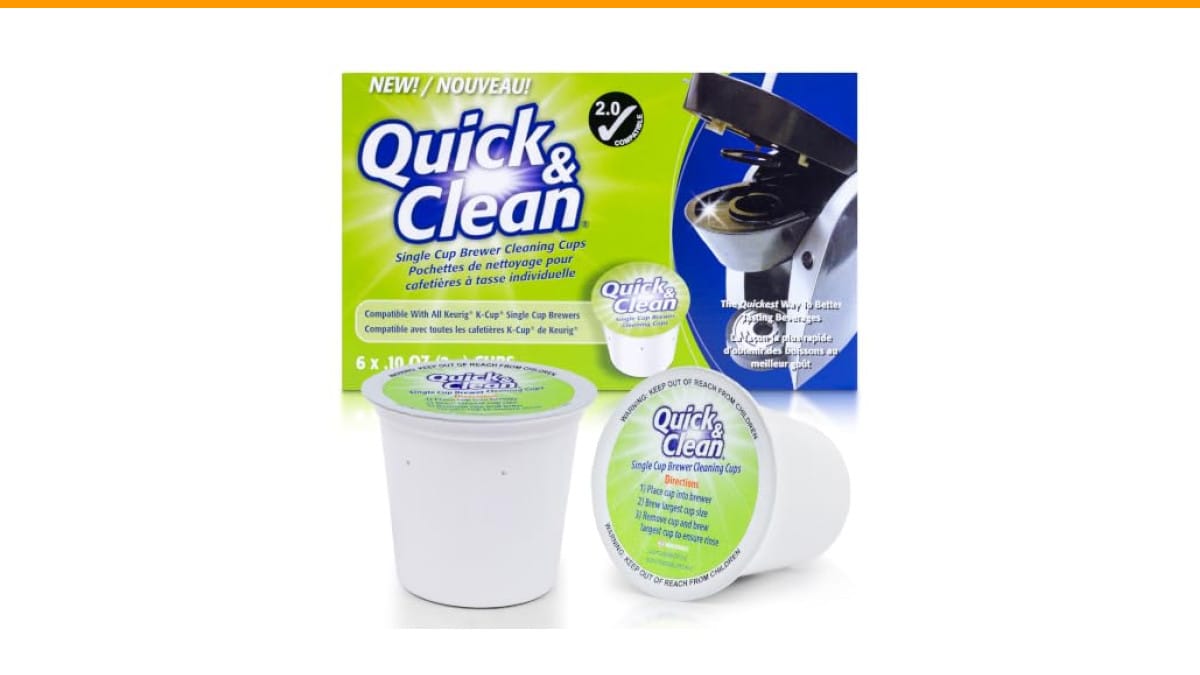
Quick & Clean [6-Pack] Keurig Cleaning Pods…
- Get That Fresh Coffee Taste Back - Over time, Keurig (TM) machines build up old grinds and residues, tainting the flavor of your c…
- Lengthens The Life Of Your Machine - Residue built up in the pack holder, funnel & exit needle can eventually cause damage to your…
- Safe & Easy To Use - Completely safe - non-toxic, biodegradable and gentle on your Keurig brewer (1.0 & 2.0- compatible). Easy to…
As an Amazon Associate I earn from qualifying purchases.
For the times when you don’t want to mess with the reusable basket, a purpose-made cleaning pod does the job in one brew cycle. The Quick & Clean Keurig Cleaning Pods use a proprietary formula that dissolves coffee residue inside the brew chamber and exit needle. It’s not a replacement for cleaning your reusable filter, but it handles the parts you can’t reach with a brush.
Why Your Reusable K Cup Gets Gross
Reusable K Cups trap coffee oils and fine particles. The mesh filter catches grounds, but the oils pass through and cling to every surface. Over a week of daily use, that film oxidizes. Oxidized coffee oil tastes bitter and stale, and it dulls the flavor of fresh beans.
There’s also the mineral factor. If your tap water is hard, calcium deposits form on the mesh and inside the plastic. These deposits restrict water flow, which means your coffee brews slower and extracts more bitterness. A clogged mesh also lets grounds slip through into your mug.
The fix is a two-tier approach. You need a quick daily rinse to prevent buildup, and a thorough sanitizing routine once a week to reset the basket completely. Both take less than five minutes.
The Daily Rinse That Prevents 90% of Problems
Right after you brew, the oils are still warm and liquid. That’s the easiest time to remove them. Pop the basket out, dump the grounds into the trash or compost, and rinse the basket under hot running water for ten seconds. Use your thumb to rub the mesh from both sides. You’ll see the water run clear almost immediately.
Don’t use soap for this daily rinse. Dish soap leaves a residue that can foam up during your next brew and alter the taste. Hot water alone handles the fresh oils. If you’re brewing multiple cups in one day, just rinse between uses and do a proper wash at the end of the day.
Let the basket air dry completely before you store it. A damp, sealed pod is a breeding ground for mold. Leave it on the drying rack or stand it upright in your mug tree. It takes an hour to dry fully, so plan accordingly.
The Weekly Deep Clean: Step-by-Step
Once a week, the hot water rinse isn’t enough. You need to break down the oxidized oils and any mineral film. Here’s the method I’ve tested side by side against commercial cleaners, and it works just as well.
- Disassemble the pod completely. Most reusable K Cups come apart into a lid, a basket, and a mesh filter. Check your model’s instructions — some have a small silicone gasket that needs removal.
- Soak everything in a bowl of white vinegar and hot water, using a 1:2 ratio (one part vinegar, two parts water). Let it sit for 15 minutes. Vinegar is acetic acid, which dissolves both coffee oils and hard water scale.
- Scrub the mesh gently with a soft-bristled brush, like a baby bottle brush or a dedicated coffee brush. Don’t use steel wool or a stiff wire brush — you’ll tear the mesh and let grounds through.
- Rinse every piece under hot running water for 15 seconds. Make sure no vinegar smell remains.
- For a deeper sanitize, place the disassembled parts in a pot of boiling water for 5 minutes. This kills any bacteria and removes stubborn residue. Do not boil the lid if it has a silicone gasket that might warp — check the manufacturer’s guidance first.
- Air dry completely before reassembling.
If you notice a white chalky film after the vinegar soak, that’s hard water scale. You’ll need a longer soak — bump it to 30 minutes — or use a descaling solution instead of plain vinegar.
Comparing Your Sanitizing Options
There are several ways to keep a reusable K Cup clean, and they’re not all equal. I’ve compared them by effectiveness, time, and cost so you can pick the one that fits your routine.
| Method | Effectiveness | Time Needed | Best For |
|---|---|---|---|
| Hot water rinse | Removes fresh oils, not scale | 10 seconds | Daily maintenance |
| Vinegar soak | Breaks down oils and light scale | 15 minutes | Weekly deep clean |
| Boiling water | Sanitizes and removes residue | 5 minutes | Monthly reset |
| Dishwasher | Varies; can warp plastic parts | Full cycle | Only if labeled dishwasher-safe |
| Cleaning pod | Cleans the machine, not the basket | One brew cycle | Monthly machine maintenance |
Notice the dishwasher is low on that list. Many reusable K Cups are not dishwasher-safe, and the high heat can warp the plastic or damage the mesh seal. Check the bottom of your pod for the dishwasher-safe symbol before you risk it. If you’re unsure, hand wash.
When to Replace the Mesh Filter
No filter lasts forever. The stainless steel mesh in most reusable K Cups will eventually stretch, tear, or clog beyond repair. You’ll know it’s time to replace it when you see grounds in your mug even after a deep clean, or when water flows through the basket too slowly.
With daily use, plan on replacing the mesh filter every 6 to 12 months. Some brands sell replacement filters separately, which is cheaper than buying a whole new pod. If your pod is a generic one without replacement parts, just buy a new basket when the old one fails.
Also check the plastic for cracks. A cracked pod can leak water around the mesh, which dilutes your coffee and makes a mess inside the brew chamber. Cracks are a clear sign to replace the whole unit.
Don’t Forget the Machine Itself
A clean reusable K Cup doesn’t help if the brewer’s internal lines are full of old coffee residue. The exit needle and the brew chamber collect oils over time, and those oils taint every cup you brew, regardless of how clean your basket is.
Run a cleaning pod through the machine once a month to clear the internals. The Quick & Clean pods are designed for exactly this. You brew one large cup with the pod, then one large cup with just water to rinse. It takes about two minutes and makes a noticeable difference in taste. This is separate from descaling, which removes mineral scale from the heating element and water lines. You should descale every 3 to 6 months depending on your water hardness.
If you’re noticing slow brewing or a full cup isn’t brewing, the machine might have a clog. Check out our guide on Keurig not brewing full cup for troubleshooting steps that go beyond cleaning.
Frequently Asked Questions
Can I sanitize a reusable K Cup with bleach?
No. Bleach is too harsh and leaves a toxic residue that’s hard to rinse completely. It can also corrode the metal mesh. Stick with vinegar, boiling water, or a food-safe sanitizer. If you want a commercial option, look for a coffee equipment cleaner that’s explicitly labeled safe for plastic and mesh.
How often should I clean my reusable K Cup?
Rinse it with hot water after every use. Do a full vinegar soak and scrub once a week. If you use it more than once a day, increase the deep clean to every five days. The mesh filter should be replaced every 6 to 12 months with daily use.
Is it safe to put a reusable K Cup in the dishwasher?
Only if the manufacturer explicitly marks it as dishwasher-safe. The high heat and strong detergents can warp the plastic, damage the silicone seal, and degrade the mesh. When in doubt, hand wash. It takes less than a minute and protects your investment.
Why does my coffee taste bitter even after cleaning the K Cup?
Check two things. First, your grind size — if it’s too fine, the coffee over-extracts and tastes bitter. Second, the machine’s internal lines. A clean basket can’t fix a dirty brew chamber. Run a cleaning cycle on the machine itself, and make sure you’re descaling regularly.
Can I use soap on my reusable K Cup?
You can, but you must rinse it thoroughly. Dish soap leaves a film that can foam in your next brew and ruin the taste. If you use soap, rinse the basket under hot water for at least 20 seconds and rub the mesh with your fingers to remove every trace. Most people find vinegar or plain hot water works just as well without the rinse hassle.
What to Remember for a Clean Cup Every Morning
- Rinse the basket with hot water immediately after each brew — warm oils wash away easily, dried oils don’t.
- Soak the disassembled parts in a 1:2 vinegar-water solution for 15 minutes once a week.
- Scrub the mesh gently with a soft brush, never steel wool.
- Air dry completely before reassembling to prevent mold growth.
- Replace the mesh filter every 6 to 12 months, or sooner if you see grounds in your cup.
- Run a machine cleaning pod monthly to clean the brew chamber and exit needle.
- Descale the whole machine every 3 to 6 months to prevent mineral buildup.
Getting a clean, fresh-tasting cup comes down to a simple habit. Rinse it after every use, deep clean it weekly, and replace the filter when it wears out. Your coffee will taste noticeably brighter, and you’ll avoid the stale bitterness that creeps in from old oils. For the machine-side cleaning, a pod-based cleaner keeps the internal parts flowing without any disassembly. If you’re dealing with a clogged brewer, our clogged coffee maker guide covers the full fix.
Products related to this article
Sponsored / affiliate links. As an Amazon Associate I earn from qualifying purchases. I may earn additional commission from eligible campaigns.
 SOLUSTRE Electric USB Coffee Cup Warmer with Temperature Settings Portable Milk and Beverage Heating Coaster for Office Desk Small Lightweight Design Easy to Clean Surface Multi Functional
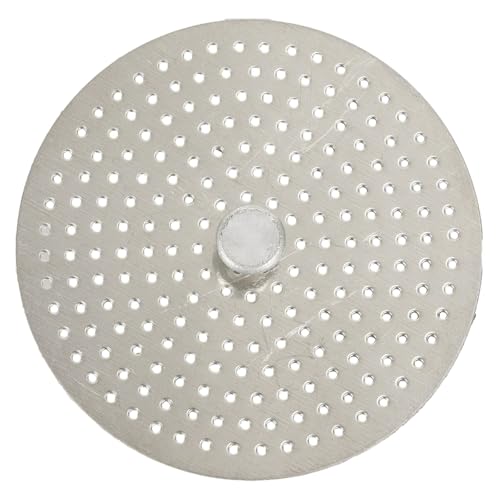 Stainless Steel Moka Pot Coffee Filter Disc for Espresso Brewing, Coffee Maker Replacement Filter Plate for Home Office Coffee Bar Cafe (FOR 4 Cups)
 Supvision 3 Cup Moka Pot Aluminum 150ml Italian Coffee Maker