You bought a reusable coffee filter to save money and cut down on waste. For the first few weeks, it’s great. Then the coffee starts tasting a little off, or the water drains slower than it used to. You wonder: is this thing dead already?
Most people guess wrong. They toss a perfectly good filter because it’s stained, or they keep using one that’s actually past its prime and ruining their brew. The truth depends on what the filter is made of, how hard your water is, and whether you clean it properly. This guide covers the real lifespan of each filter type, the signs that it’s genuinely finished, and the exact maintenance steps that keep it working.
MJULY
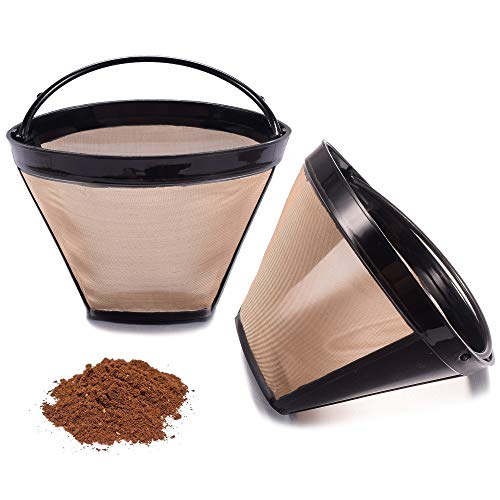
Reusable No.4 Cone Coffee Maker Filters for…
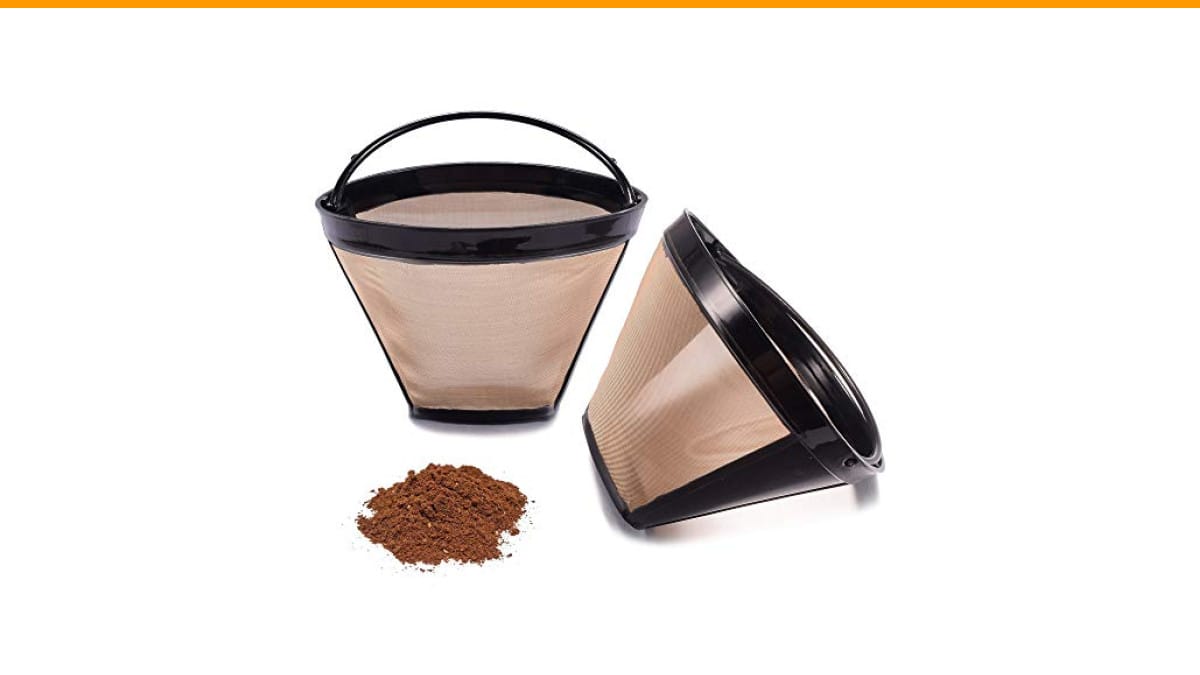
- Package come with 2 PCS #4 Cone Permanent Coffee Filters,easy to clean, repeated use,Save more money than disposable filters paper
- Using food grade stainless-steel woven mesh,the fine mesh makes the filtered coffee taste better.
- #4 cone coffee filter for Ninja coffee bar brewer.8-12 cups.As a replacement coffee filter for your coffee makers.
As an Amazon Associate I earn from qualifying purchases.
You’ll walk away knowing how to test your filter at home, when deep cleaning is worth it, and the environmental break-even point compared to paper filters. No guesswork.
If you’re using a #4 cone brewer like the Ninja Coffee Bar, a stainless steel replacement filter from MJULY offers a solid upgrade. It comes as a two-pack, so you can rotate them while one dries completely.
The Short Answer: Lifespan by Filter Material
Different materials degrade at very different rates. Here’s the honest breakdown based on how these filters actually wear in normal home use.
Stainless Steel Mesh
This is the longest-lasting option. A well-made stainless steel mesh filter, like the MJULY #4 cone, lasts anywhere from 2 to 5 years of daily use. The steel itself doesn’t break down, but the fine woven mesh can eventually stretch, tear, or develop microscopic holes that let coffee grounds through.
The 2-year mark is when you should start inspecting it more carefully. At 5 years, even with perfect care, the mesh has gone through over 1,800 brew cycles. That’s a lot of thermal stress and physical scrubbing.
One thing people don’t expect: stainless steel can rust, but it’s rare. It happens when the filter sits wet in a damp environment for days. The mesh is thin, so surface rust can appear quickly if you leave it in the sink overnight regularly.
Nylon/Plastic Mesh
Nylon filters are cheaper and more flexible, but they don’t last. Expect 6 to 12 months of regular use before the mesh starts to warp or lose its shape.
The biggest problem is heat. Nylon degrades with repeated exposure to boiling water. It doesn’t melt, but it gets brittle. You’ll notice the edges starting to curl or the mesh becoming stiff. Once that happens, the filter no longer sits flush in the brewer, and coffee grounds start sneaking around the sides.
Another issue: nylon absorbs coffee oils aggressively. Even with regular cleaning, the mesh gets clogged faster than stainless steel. If you use a nylon filter daily, replace it every year without question.
Cloth Filters
Cloth filters give you a clean cup with more body than paper, but they have the shortest lifespan. Plan on 3 to 6 months of daily use.
The fabric breaks down from the combination of hot water, coffee acids, and physical handling. You’ll see thinning in the center where the water hits hardest. Once the cloth thins, it stops filtering properly, and you’ll get sediment in your cup.
Cloth also holds onto oils and bacteria. You have to boil it regularly to keep it sanitary. Most people don’t do this, which is why cloth filters often start smelling sour long before they wear out.
This lifespan difference matters more than most people think. A stainless filter costs more upfront but replaces dozens of nylon filters and hundreds of paper ones.
5 Signs Your Filter is Dead (Not Just Dirty)
Dirty filters look bad, but they can be cleaned. These five signs mean the filter has physically failed and needs replacing.
- Visible holes or tears. Hold the filter up to a bright light. If you see pinpricks of light through the mesh, it’s done. Those holes let coffee grounds through.
- Water flows through too fast. A fresh filter creates some resistance. If water pours through instantly and your coffee tastes weak and watery, the mesh has stretched out.
- The shape is permanently warped. Stainless steel filters can get dented at the rim. Nylon filters curl. If the filter no longer sits flat against the brewer cone, replace it.
- Rust spots that won’t come off. Surface rust on stainless steel can sometimes be scrubbed away. But if you see pitting, the metal is compromised. Pits are breeding grounds for bacteria.
- It smells sour after a deep clean. If you’ve done a vinegar soak and a baking soda scrub and the filter still smells like old coffee, the material has absorbed too much. That smell transfers to your brew.
One more subtle sign: your coffee suddenly tastes bitter or metallic. That’s often the filter’s metal reacting with old coffee oils trapped in micro-scratches. A new filter fixes this instantly.
The Real Enemy: Coffee Oils vs. Hard Water
Two things kill reusable filters faster than anything else: coffee oil buildup and mineral scale from hard water. They work together to destroy the mesh.
Coffee beans contain about 15-18% oil by weight. Those oils are sticky. They coat the mesh and fill the tiny gaps between the weave. Over time, the oils oxidize and turn rancid. This is what makes an old filter smell bad and makes your coffee taste flat.
Hard water makes it worse. Calcium and magnesium minerals in hard water bond with coffee oils to form a stubborn scale. This scale is nearly invisible but it plugs the mesh. A filter that looks clean can still be coated in mineral deposits that restrict water flow.
If you live in an area with hard water, your filter will clog roughly twice as fast as someone with soft water. You’ll need to deep clean more often, and the filter will likely need replacement on the shorter end of its lifespan range.
You can test your water hardness with a simple strip test from a hardware store. If your water tests above 150 ppm, you should be using a descaling routine on your filter monthly, not just on your coffee maker. Check our descaling guide for the full process on the machine itself.
The Ultimate Cleaning Routine for Maximum Lifespan
You don’t need fancy cleaners. You need consistency. Here’s the routine that gets you to the 5-year mark with stainless steel.
Daily Rinse vs. Weekly Deep Clean
After every brew, rinse the filter under running water immediately. Hot water works best because it melts the oils. Use your fingers to gently rub the mesh. This takes 15 seconds and prevents 80% of buildup.
Once a week, do a deeper clean. Use a soft brush, like a bottle brush, with dish soap. Scrub both sides of the mesh. Pay attention to the rim and the bottom corners where grounds get trapped.
Avoid the dishwasher for stainless steel filters. The dishwasher detergent is harsh and can discolor the metal. More importantly, the filter can bounce around and get dented. Hand washing is safer and takes less time than you think.
For nylon filters, the same daily rinse applies, but weekly cleaning should be gentler. Nylon scratches easily, and scratches become spots where oils hide.
The Vinegar Soak Method
Vinegar is the best tool for dissolving both coffee oils and hard water scale. It’s cheap and food-safe.
- Mix one part white vinegar with two parts warm water in a glass bowl.
- Submerge the filter completely. Let it soak for 30 minutes.
- Remove and rinse thoroughly with hot water.
- If the water was cloudy or the filter feels slimy, repeat the soak for another 30 minutes.
Do this vinegar soak once a month. If you have hard water, do it every two weeks.
Baking soda is for scrubbing, not soaking. A paste of baking soda and water works well for removing stubborn brown stains. Use it after the vinegar soak if stains remain. However, baking soda is abrasive, so use it sparingly on nylon filters.
One mild warning: vinegar can leave a residual taste if you don’t rinse well. After a vinegar soak, run a brew cycle with just water to flush the filter before making coffee. This also helps with the bitter taste that sometimes follows cleaning.
How to Test Your Filter’s Performance at Home
You don’t need special equipment to know if your filter is working. Two quick tests tell you everything.
The Visual Test: Hold the filter up to a bright light or a window. Look at the mesh pattern. It should be uniform. If you see any bright spots where light shines through more intensely, the mesh has stretched thin in those areas. That’s a weak point that will eventually tear.
The Water Flow Test: Place the filter in a funnel or your brewer cone. Pour a cup of room-temperature water through it. Time how long it takes to drain.
A clean, healthy filter should drain a cup of water in about 10 to 15 seconds. If it takes 30 seconds or longer, the mesh is clogged. Try a deep clean first. If it still drains slowly after cleaning, the filter is scaled up or the mesh has degraded. It’s time to replace it.
If the water flows through in under 5 seconds, the mesh is too open. You’ll get grounds in your cup. Replace it.
These tests take two minutes. Do them every month or two, and you’ll catch problems before they ruin a pot of coffee.
Reusable vs. Paper: The Environmental Break-Even Point
The eco-friendly argument for reusable filters only works if you actually use them long enough. Here’s the math.
A typical paper filter weighs about 2-3 grams. Most are not composted; they end up in landfills. If you brew one pot a day, that’s roughly 365 paper filters a year, or about 1 kilogram of waste.
A stainless steel filter requires more energy and resources to manufacture than a box of paper filters. The break-even point is usually around 20 to 30 uses. After one month of daily brewing, a reusable filter has already paid off its environmental debt compared to paper.
But that math assumes the reusable filter lasts. If you buy a cheap nylon filter and throw it away after 6 months, you’ve created more waste than using paper. The nylon is plastic and won’t degrade in a landfill.
Stainless steel is the only truly sustainable option because it lasts for years and is fully recyclable at the end of its life. Cloth filters are better than paper but not as good as steel.
The bottom line: if you want the greenest option, buy a good stainless steel filter and commit to maintaining it. A filter that lasts 3 years replaces over 1,000 paper filters.
Proper maintenance of the whole machine also extends its life, which is part of the same sustainability picture. See our coffee machine maintenance tips for the bigger picture.
When to Just Buy a New One (And How to Recycle the Old)
There’s no shame in replacing a filter. It’s a wear item, like a car tire. The question is whether you’re replacing it because it’s worn out or because you’re tired of cleaning it.
If you find yourself avoiding your reusable filter because cleaning it feels like a chore, that’s a signal. A filter you don’t use is worse for the environment than paper. In that case, buy a new one that’s easier to clean, or go back to paper.
When you do replace a stainless steel filter, recycle it. Most municipal recycling programs accept stainless steel. Check with your local facility first, but usually, you can put it in the metal recycling bin. Clean it thoroughly first to remove coffee grounds.
Nylon filters are not recyclable in most curbside programs. They’re a plastic #6 or similar. Check with specialty recyclers, but expect to throw it in the trash.
Cloth filters made of organic cotton can be composted, but the metal ring or frame needs to be removed first.
Frequently Asked Questions
Can I use a reusable filter in a Keurig?
Yes, but it’s a different style. Keurig machines use a small, basket-style filter, not a #4 cone. The lifespan rules are the same as the material breakdown above, but the filters are smaller and often clog faster because the mesh is finer. Expect a stainless steel Keurig filter to last 1-2 years before the mesh wears out.
Does a metal filter affect cholesterol?
There’s a common belief that paper filters trap cafestol, a compound in coffee that can raise LDL cholesterol. Metal filters do not trap these oils, so coffee brewed with a metal filter contains more cafestol. If you have high cholesterol, you might want to stick with paper filters or use a metal filter only occasionally. This is a dietary consideration, not a filter quality issue.
Why does my coffee taste like metal with a new stainless filter?
This is usually a manufacturing residue, not the metal itself. New filters often have a thin layer of machine oil or dust from the factory. Wash it with hot soapy water, then do a vinegar soak before the first use. Rinse well. The metallic taste should disappear after one or two brews.
How often should I replace the filter if I brew 3 times a day?
Heavy use shortens the lifespan. If you’re brewing 3 times daily, you’re putting about 1,000 cycles a year on the filter. A stainless steel filter will likely last 1-2 years at that rate. Nylon will last about 4-6 months. The wear is cumulative, so inspect it more often.
Is it safe to use a rusted coffee filter?
No. Rust is iron oxide, and while it’s not toxic in tiny amounts, it’s not something you want in your coffee. More importantly, rust indicates the protective layer of the metal has failed. The filter will continue to degrade and may harbor bacteria in the pits. Replace it immediately.
What to Remember for a Long Filter Life
- Stainless steel lasts 2-5 years; nylon lasts 6-12 months; cloth lasts 3-6 months.
- Rinse the filter immediately after every brew to prevent oil buildup.
- Do a vinegar soak monthly to dissolve scale and oils, more often with hard water.
- Replace the filter if you see holes, warping, rust pitting, or if water drains faster than 5 seconds.
- Hand wash only; dishwashers can dent or discolor the filter.
- A reusable filter becomes greener than paper after about one month of daily use.
- Recycle old stainless steel filters through your local metal recycling program.
Products related to this article
Sponsored / affiliate links. As an Amazon Associate I earn from qualifying purchases. I may earn additional commission from eligible campaigns.
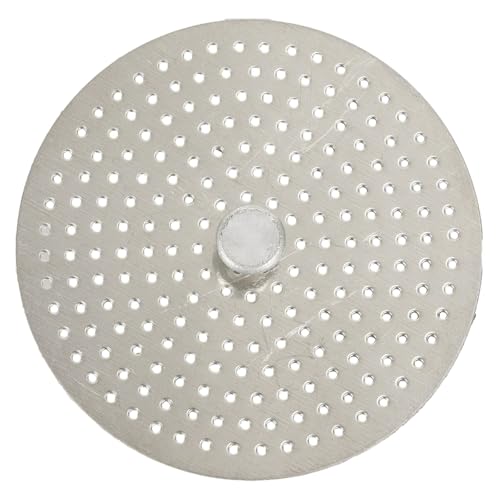 Stainless Steel Moka Pot Coffee Filter Disc for Espresso Brewing, Coffee Maker Replacement Filter Plate for Home Office Coffee Bar Cafe (FOR 4 Cups)
 Wooden Coffee Mixing Spoons, 3PCS Long Handle Wooden Mixing Spoon, Cooking Long Handle Tasting Spoons for Kitchen Soup Coffee Cocktail Honey Mixing Stirring
 Cascade Platinum Plus Dishwasher Detergent Pods Dish Soap Lemon 57 Count