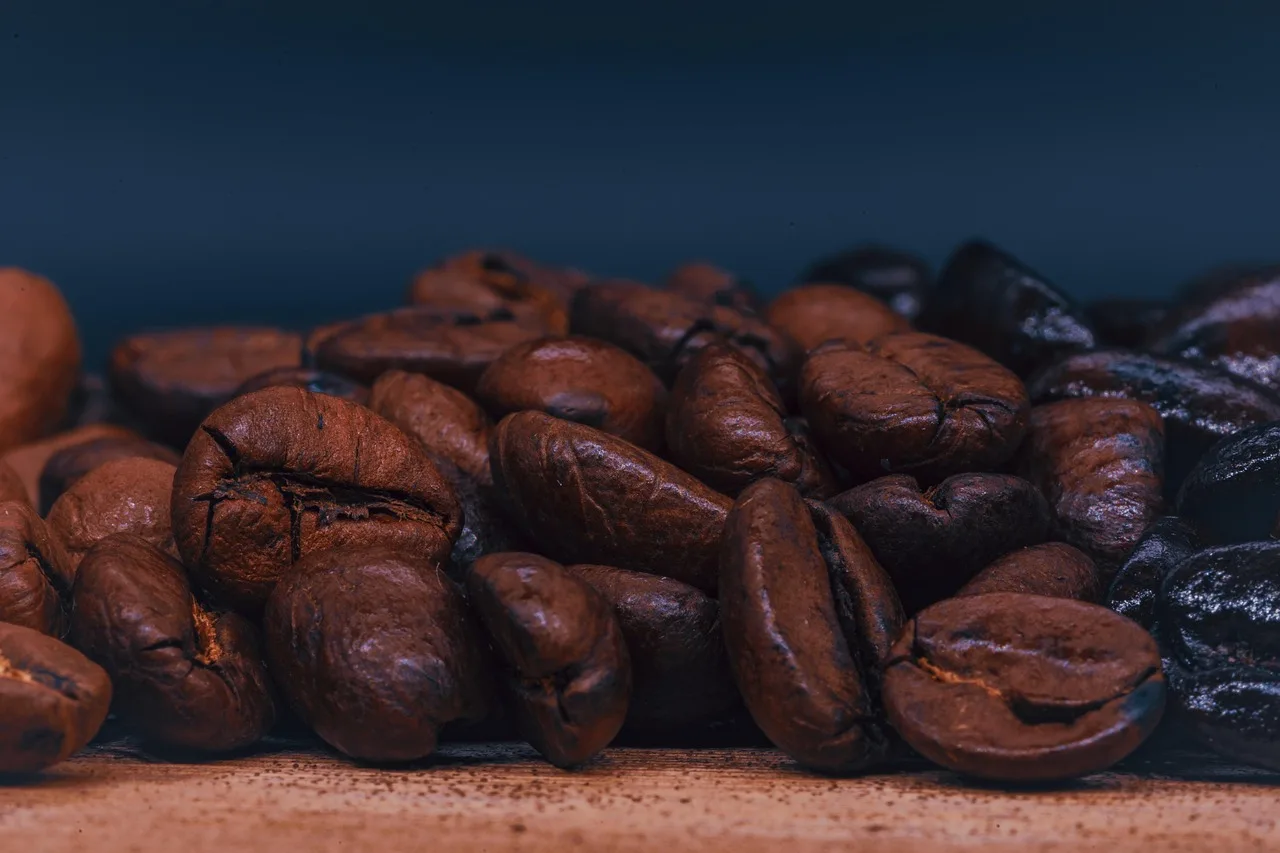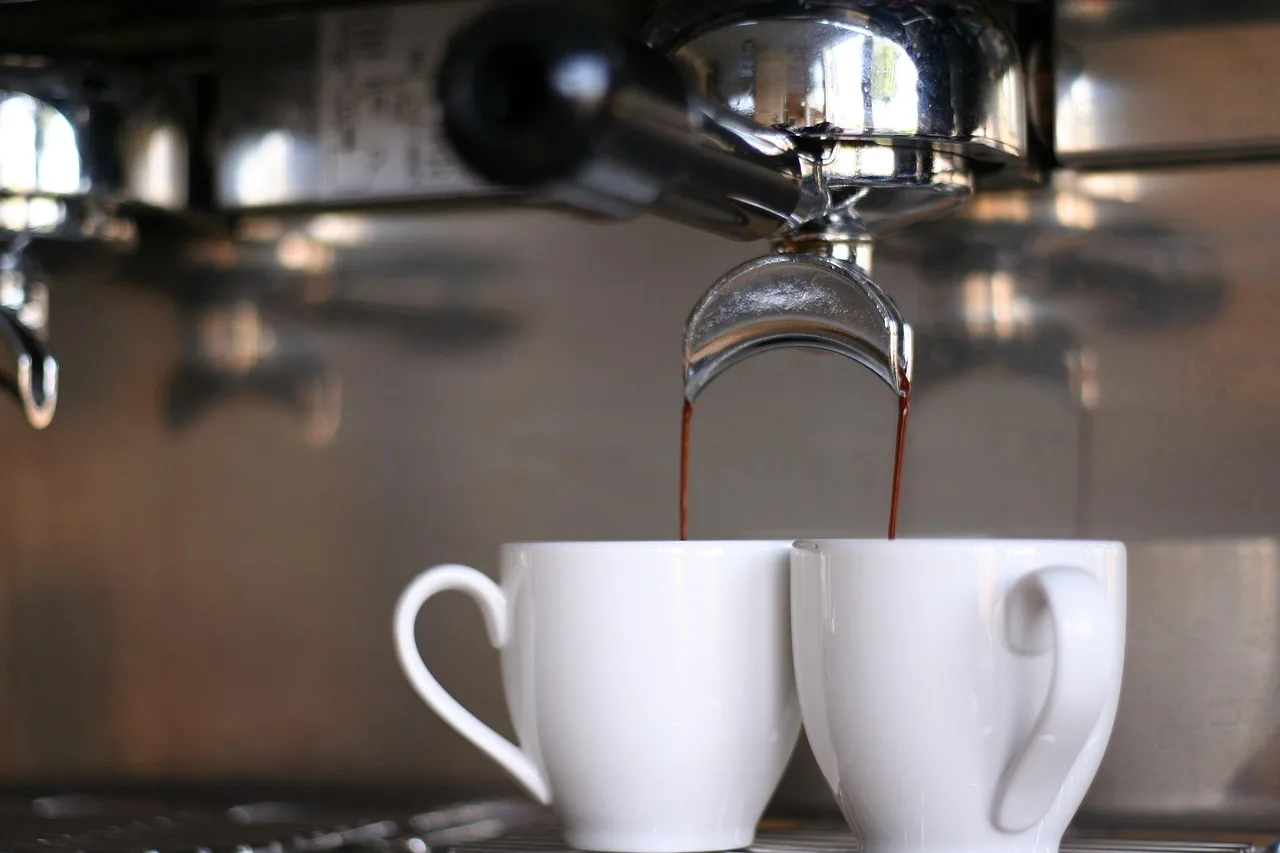
Decaf coffee usually has a small amount of caffeine per 8-ounce cup, and some cups may have noticeably more; decaf espresso often has a few milligrams per shot. Count it as low-caffeine, not no-caffeine. This guide breaks down brewed decaf, decaf espresso, and chain drinks into a caffeine budget you can actually use.
This guide is part of our Decaf coffee guide series.
How much caffeine is in decaf coffee?


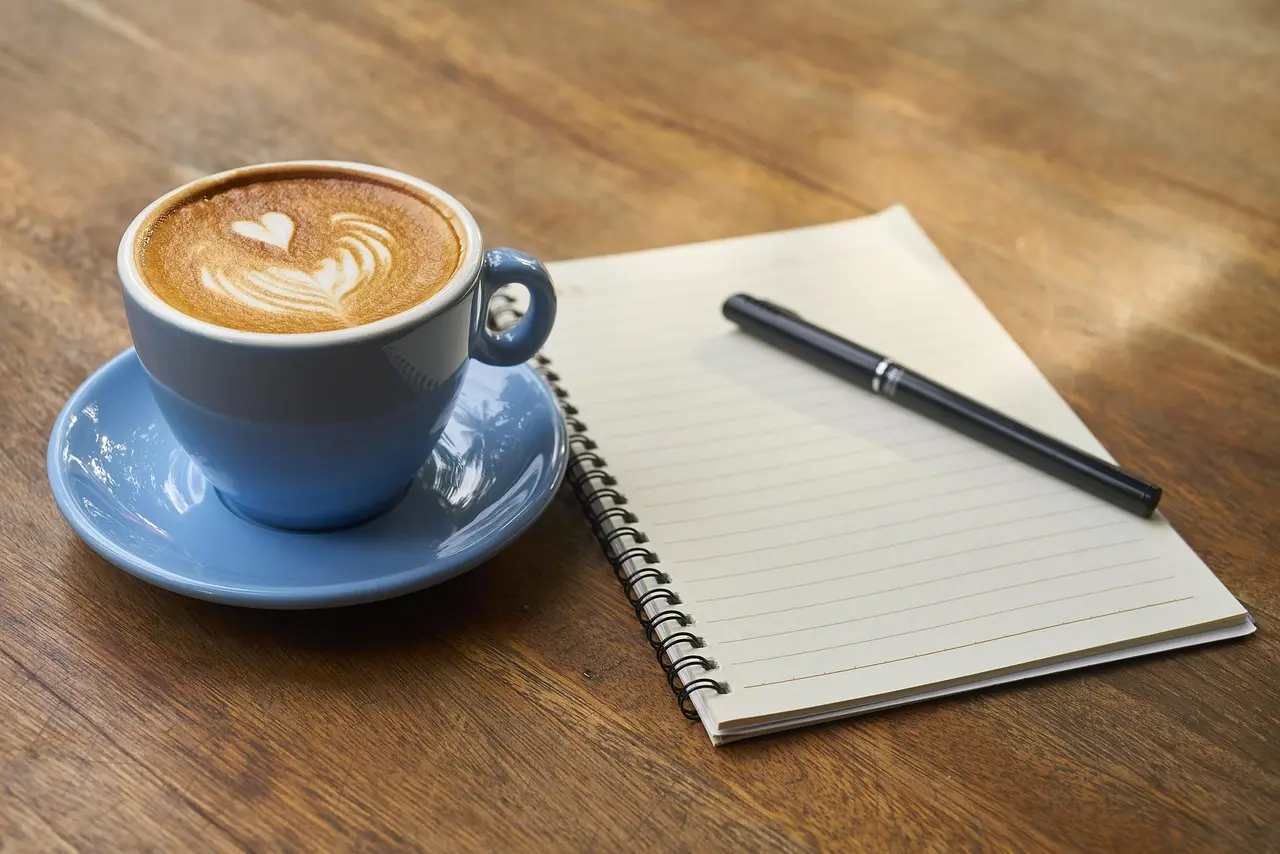
Decaf coffee is not caffeine-free. A typical 8-ounce cup can contain up to 7 mg of caffeine, and some 16-ounce servings average 9.4 mg. Most decaf has at least 97% of the caffeine removed, but every cup still keeps some.
Why “decaf” still means some caffeine
That leftover caffeine comes from the bean, the roast, and the brew method. The point is simple: decaf lowers your dose, it does not erase it. If you need near-zero caffeine, decaf is usually the lower-caffeine choice, not the zero-caffeine one.
How that compares with regular coffee
A cup of regular coffee provides 70–140 mg of caffeine. That makes most decaf cups much lower in caffeine, but the gap changes with serving size. A large mug can hold more total caffeine than a small cup, even when both are labeled decaf.
How does decaf compare with regular coffee?
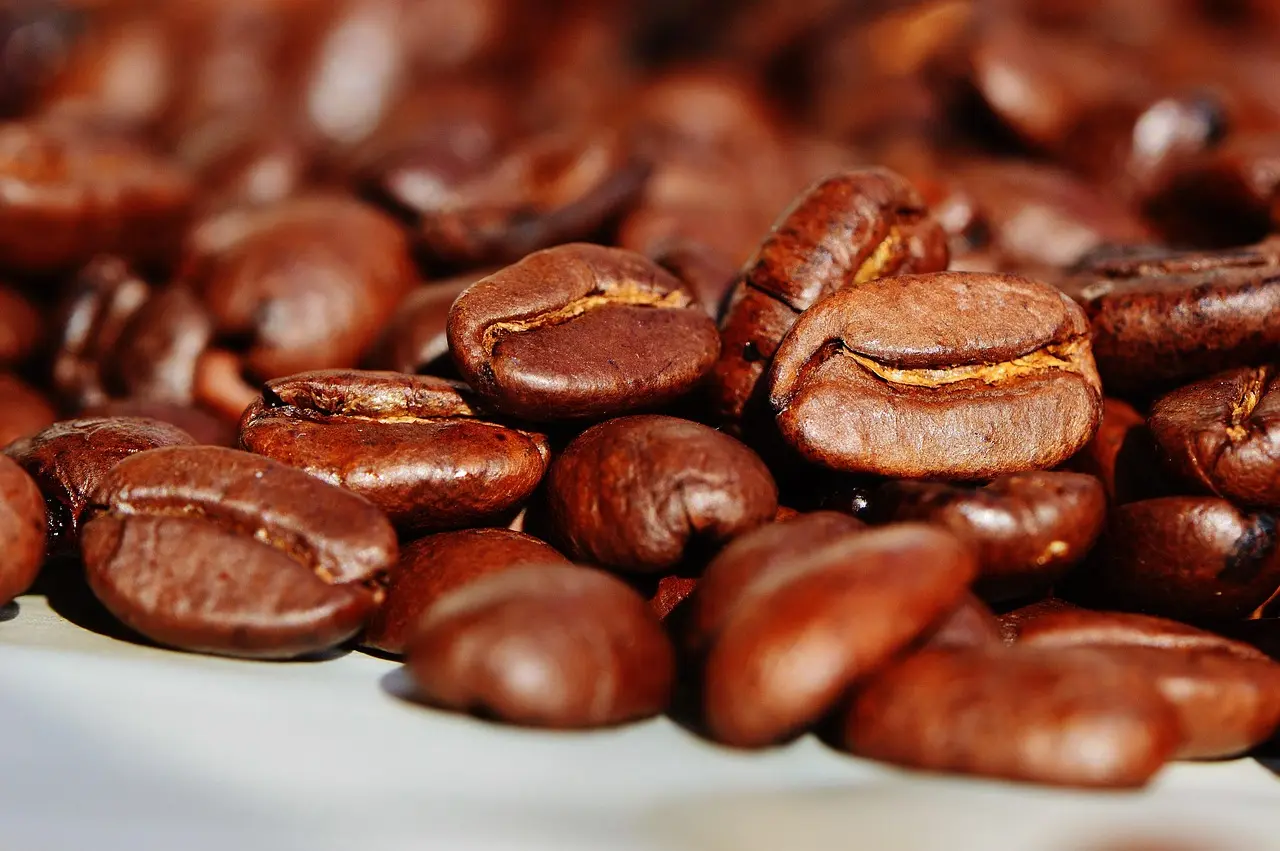
Regular coffee is the better comparison baseline because it shows the size of the caffeine budget you are trying to avoid. An 8-ounce cup of regular coffee typically brings 70–140 mg, while decaf may stay in the single digits. Larger servings change the math fast.
What one decaf cup equals in regular coffee
A simple way to think about it: one 8-ounce decaf cup with up to 7 mg of caffeine equals a small fraction of one regular cup. Using the lower end of regular coffee at 70 mg, that is about one-tenth of a cup. Against 140 mg, it is about one-twentieth.
Why cup size changes the math
Serving size matters more than many labels suggest. A 16-ounce decaf sample averaged 9.4 mg, so two large cups can add up faster than one smaller cup. If you order 20 to 24 ounces, treat the drink as a multi-serving caffeine choice, not a single cup.
A quick way to budget your day
- Check the drink size first.
- Look for the decaf method or chain nutrition data.
- Count each cup as real caffeine, not zero.
- For strict limits, use the lowest measured option, not the biggest mug.
How is decaf coffee made?
Decaf starts as regular coffee beans, then the caffeine is removed before roasting or packaging. The main methods are Swiss water process, solvent-based decaffeination, and carbon dioxide processing. Each reduces caffeine differently, and each can leave you with slightly different residual levels.
Swiss water process
Swiss water process uses water and coffee solids to draw caffeine out of the beans. It is described as the only organic method of decaffeinating coffee. This method is often chosen by buyers who want a water-based process and an organic label.
Solvent-based decaffeination
Solvent-based decaffeination uses methylene chloride and/or ethyl acetate to remove caffeine. Those compounds are used during processing, and trace residues evaporate during production. This is a common industrial method, even though the name sounds harsher than the end result usually is.
Carbon dioxide process
The carbon dioxide process uses CO2 to pull caffeine from coffee. It is a newer method and is described as expensive. Some producers prefer it because it can target caffeine while leaving more of the other coffee compounds in place.
What does the FDA mean by decaf?
For packaged coffee, the USDA regulation caps decaf at 0.10 percent caffeine on a dry basis. That is a labeling standard for the product before brewing, not a promise that every brewed cup will contain the same amount. Brew method and serving size still matter.
Why the label standard is not the same as a brewed-cup reading
A dry-basis rule measures the beans or grounds, while a brewed cup measures what ends up in the mug. Those are related, but not identical. A package can meet the decaf standard and still brew into a cup with more caffeine than a reader expects.
What that means for buyers
If your goal is lower caffeine, look at both the label and the brew context. Packaged decaf tells you the coffee was processed to meet the standard. The cup you drink tells you how much caffeine you actually consumed.
How much caffeine is in decaf espresso and beans?
Decaf espresso still contains caffeine, and it can vary more than many people expect. The Starbucks decaf espresso contained 3–15.8 mg per shot. Decaf coffee beans also contain caffeine because decaffeination reduces, rather than eliminates, the original amount.
Why decaf espresso can feel stronger
Espresso tastes concentrated, so even a low-caffeine shot can seem intense. A single shot may carry less caffeine than brewed coffee, but multiple shots add up quickly. If you order a decaf latte with two or three shots, the total can stop looking small.
Whether decaf coffee beans still contain caffeine
Yes. Decaf coffee beans still contain caffeine, just far less than regular beans. That residual caffeine is why brewed decaf, espresso, and chain drinks all need separate attention. “Decaf” describes a reduction target, not a complete removal.
How much caffeine is in decaf coffee from Starbucks, Dunkin’, and McDonald’s?
Chain decaf drinks are hard to compare because brands use different serving sizes, recipes, and brewing systems. Starbucks decaf coffee had 12–13.4 mg caffeine per 16-ounce serving. Dunkin’ Donuts decaf was listed at 7 mg for 10–12 oz, and McDonald’s decaf was listed at 8 mg for 10–12 oz.
Why chain drinks are hard to compare
A 10-ounce cup and a 16-ounce cup are not the same caffeine budget. Brand-specific data also changes with product line and region. For that reason, use store nutrition or caffeine guides before ordering, especially if you are tracking every milligram.
How to use store data before ordering
Suppose you need to stay under a tight limit and you are choosing between a medium decaf coffee and a decaf espresso drink. Check the chain’s posted caffeine data, then compare the total milligrams against your daily target. That is safer than assuming all decaf tastes the same and acts the same.
Proof table: decaf caffeine by format and chain
This table uses verified measurements and shows the practical “cups to equal one regular coffee” conversion. The comparison uses regular coffee at 70–140 mg per cup, because that is the normal baseline for a standard cup.
| Format | Caffeine in mg | Cups of this decaf to equal one regular coffee |
|---|---|---|
| 8 oz brewed decaf | Up to 7 mg | About 10 to 20 cups |
| 16 oz brewed decaf | 9.4 mg on average | About 7 to 15 cups |
| Decaf espresso, per shot | 3 to 15.8 mg | About 4 to 47 shots |
| Starbucks decaf coffee, 16 oz | 12 to 13.4 mg | About 5 to 12 cups |
| Dunkin’ Donuts decaf, 10–12 oz | 7 mg | About 10 to 20 cups |
| McDonald’s decaf, 10–12 oz | 8 mg | About 9 to 18 cups |
Who should be careful with decaf?
People sensitive to caffeine should treat decaf as a reduced-caffeine choice, not a free pass. That matters for anxiety, insomnia, kidney disease, and medication interactions. If your clinician has told you to limit caffeine, decaf can still count toward that limit.
Anxiety and insomnia
Even small amounts of caffeine can matter if you are sensitive. Decaf coffee in the afternoon may still affect sleep in some people, especially when the serving is large or the day already included other caffeine sources. A lower-caffeine choice is safer than a second large cup.
Kidney disease and medication interactions
Some kidney conditions call for tighter caffeine control, and certain medicines interact with caffeine or are affected by timing. If a medication label warns about stimulants, treat decaf as something to check, not something to assume is harmless. When in doubt, ask a clinician or pharmacist.
A common first-timer mistake
A common first-timer mistake is ordering two 16-ounce decafs and counting them as nothing. That can still mean close to 20 mg of caffeine, before tea, soda, or chocolate enter the day. The safer habit is to add the numbers, not the labels.
How much caffeine is in decaf coffee compared to tea?
Decaf coffee is often lower in caffeine than regular coffee and can be in the same broad range as some teas, depending on the tea and the serving size. Because tea varies widely, the better comparison is milligrams per serving rather than assuming one drink category is always lower.
How many cups of decaf equal one cup of regular coffee?
Using the numbers above, about 10 to 20 cups of an 8-ounce decaf coffee could equal one 8-ounce regular coffee. A 16-ounce decaf may take about 7 to 15 cups to match one regular cup. That is why a daily count matters more than the word “decaf.”
Frequently asked questions
How much caffeine is in decaf coffee compared to regular coffee?
Decaf coffee usually sits in the single digits per cup, while regular coffee typically delivers 70–140 mg in 8 ounces. That makes decaf much lower, but not caffeine-free. The gap narrows when you drink larger servings or multiple cups in one day.
How much caffeine is in decaf coffee on average?
A common estimate is about 2 to 5 mg per 8-ounce cup, though an 8-ounce cup can reach 7 mg and a 16-ounce sample averaged 9.4 mg. The average depends on bean type, brewing style, and serving size, so one number does not fit every cup.
How much caffeine is in decaf coffee from Starbucks?
Starbucks decaf coffee had 12–13.4 mg caffeine per 16-ounce serving in the data cited here. That is still low compared with regular coffee, but it is enough to matter for strict caffeine limits. Check the exact drink size before ordering.
How much caffeine is in decaf coffee from Dunkin?
Dunkin’ Donuts decaf was listed at 7 mg for 10–12 oz. That figure is useful because it shows how brand and serving size shape the total. A medium or large cup could change the count, so verify the store’s current nutrition data.
How much caffeine is in decaf coffee from McDonald’s?
McDonald’s decaf was listed at 8 mg for 10–12 oz. That is still far below regular coffee, but it is not zero. If you are limiting caffeine tightly, use the posted chain data instead of assuming all decaf cups from all chains match.
How much caffeine is in decaf espresso?
Decaf espresso can range widely, and the Starbucks decaf espresso contained 3–15.8 mg per shot. That range matters because espresso drinks may use more than one shot. A decaf latte can therefore add up faster than a single brewed decaf cup.
Is decaf coffee completely caffeine-free?
No. Decaf coffee is not completely caffeine-free. It is typically at least 97% caffeine removed, but residual caffeine remains. That is why decaf works for people who want less caffeine, while people who need near-zero intake still need to watch the dose closely.
How much caffeine is in decaf coffee beans?
Decaf coffee beans still contain caffeine because decaffeination removes most, not all, of it. The exact amount depends on the process and the bean. For buyers, the practical takeaway is that bean-level decaf still becomes a measurable caffeine dose once brewed.
how much caffeine is in decaf coffee compared to regular coffee
Compared with regular coffee, decaf usually contains a small fraction of the caffeine. Regular coffee commonly falls at 70–140 mg per 8 ounces, while decaf may be up to 7 mg per 8 ounces. Bigger cups narrow the gap, so size still matters.
how much caffeine is in decaf coffee vs regular coffee
Decaf coffee vs regular coffee is a comparison of lower versus higher caffeine, not zero versus all. Decaf lowers intake enough for many drinkers, but regular coffee still delivers many times more caffeine. If you are tracking symptoms, count the decaf as part of the total.
Products related to this article
Sponsored / affiliate links. As an Amazon Associate I earn from qualifying purchases. I may earn additional commission from eligible campaigns.
 Quick Heating Cup Warmer, Three Temperature Settings, Splashproof and Portable, for Coffee, Milk, Lightweight ABS Material
 Coffee Mug Warmer & You are Awesome Mug Set, Electric Cup Warmer for Desk
 SOLUSTRE Electric USB Coffee Cup Warmer with Temperature Settings Portable Milk and Beverage Heating Coaster for Office Desk Small Lightweight Design Easy to Clean Surface Multi Functional