You bought a nice burr grinder to escape stale, bitter coffee. Yet three weeks later, your espresso shots run fast, your pour-over tastes flat, and you’re blaming the beans. The beans aren’t the problem. The grinder is.
Burrs collect coffee bean oils and pulverized fines in every crevice. That residue goes rancid, sticks to new beans, and throws off your grind consistency. Most people only think about cleaning when something breaks. By then, the damage is done.

Acooruiteng
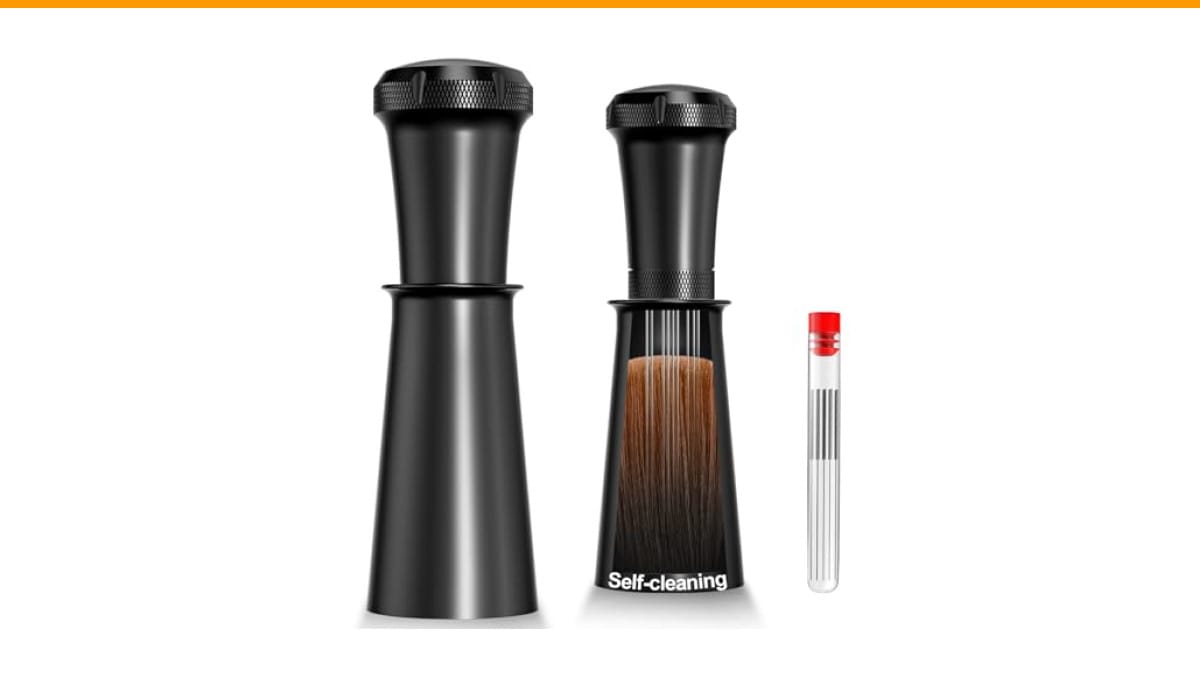
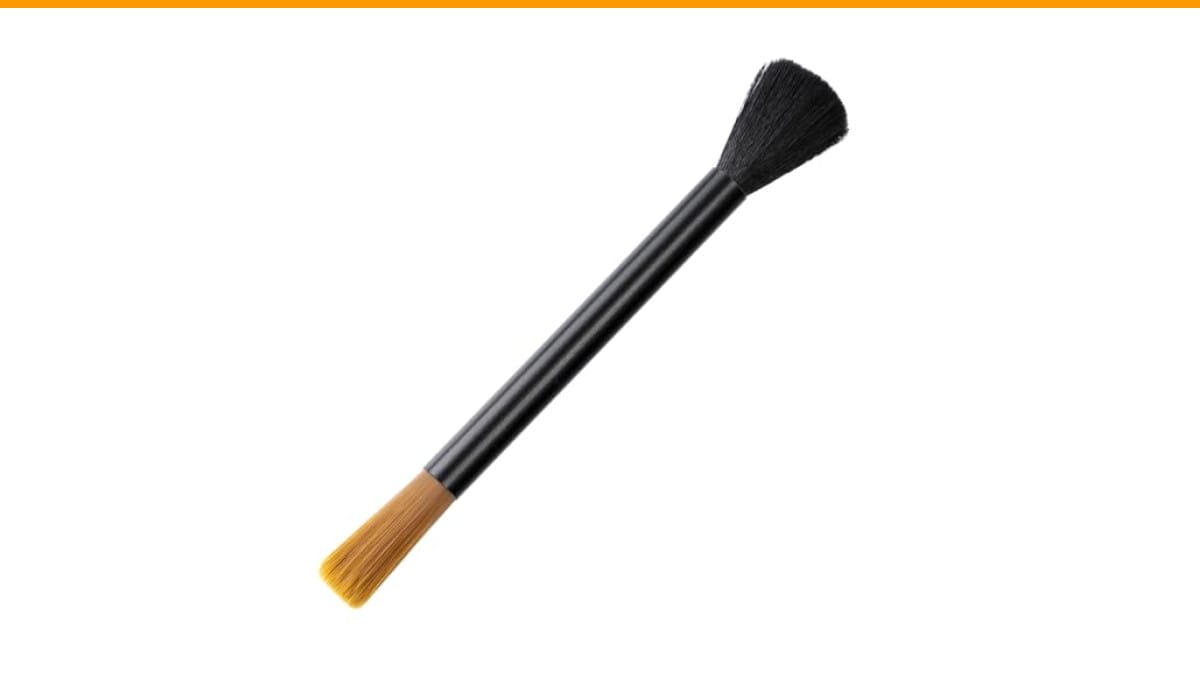
Acooruiteng Coffee Grinder Cleaning Brush Dusting Espresso…
- 🧹【Package Included】The package contains 1 pcs dusting coffee grinder brush,the size is about 13cm × 1cm,can meet your daily use.
- 🧹【High Quality Material】Coffee grinder cleaning brush is made of high quality aluminum + fiber wool,a well made sturdy,durable and…
- 🧹【Soft Brush Hair】Coffee brush gives not too stiff or too soft,have just the right pliancy for a good clean coffee grounds and res…
As an Amazon Associate I earn from qualifying purchases.
This guide gives you a concrete schedule—daily, weekly, monthly, quarterly—plus the reasoning behind each step. You’ll also learn why dark roasts demand more attention, how oil buildup shifts burr calibration, and what to do when your grinder acts worse after a cleaning.
For the daily brush-down, a dedicated tool makes the job faster. The Acooruiteng Coffee Grinder Cleaning Brush uses soft fiber wool that won’t scratch coated burrs, and the aluminum handle gives you enough grip to sweep out the chute and throat without poking yourself. It’s the kind of small tool that actually gets used because it takes ten seconds to grab.
Why Your Grinder is Ruining Your Coffee (The Silent Flavor Killer)
Fresh coffee beans contain aromatic oils and volatile compounds. Those are what you taste. When beans get ground, those oils smear across the burr surfaces. Some stay there.
Left alone, the oils oxidize. They turn sticky, then rancid. Every batch of beans you grind after that picks up a thin coating of old, bitter residue. Your coffee tastes like it’s past its prime, even when the beans are two days off roast.
The second problem is particle size. A layer of oil and compacted fines changes the effective gap between the burrs. You set the dial to 12, but the actual gap is closer to a 9 or 10. Your grind gets finer than intended. Espresso chokes, pour-over stalls, and you chase the problem by adjusting the dial—which then throws everything else off.
There’s also a financial angle. Burrs are sharpened steel or ceramic. Oily buildup doesn’t just sit there; it traps abrasive fines that grind against the cutting edges. Over a year or two, that wear dulls the burrs. A replacement set for a decent grinder runs $40 to $80. Cleaning takes ten minutes a month. Do the math.
The Definitive Cleaning Schedule (Daily, Weekly, Monthly, Quarterly)
No single frequency works for everyone. Your roast level, how much you grind, and the grinder’s design all matter. Here’s the schedule I use and recommend after testing dozens of grinders at home.
The 60-Second Daily Habit That Prevents 80% of Buildup
Every morning, after you grind your beans, do this:
- Unplug the grinder (safety first, always).
- Remove the hopper and any retention ring.
- Use a stiff brush to sweep the burr chamber, the chute, and the exit spout. Focus on the corners where fines collect.
- Give the hopper a quick tap over the sink to dislodge loose chaff.
- Run the grinder empty for 3 seconds to blow out loose particles.
That’s it. Sixty seconds, maybe less. This routine removes the loose stuff before it has time to bond with oils and turn into concrete. It won’t remove the oily film, but it stops the buildup from compounding. If you only do one thing, do this.
The Monthly Deep Clean (Tablets vs. Disassembly)
Once a month—or every 5 to 10 pounds of beans, whichever comes first—you need a deeper clean. Two main approaches exist.
Cleaning tablets (like Urnex Grindz or Cafiza) are food-safe, abrasive granules. You run them through the grinder like beans. They scrub the burrs and break down oils without you taking anything apart. The process takes about two minutes plus a quick purge with fresh beans to clear the residue.
Full disassembly means removing the burrs and brushing every surface with a stiff brush. This is more thorough—you can reach the threads, the shaft, and the underside of the top burr. It also lets you see wear patterns. The downside is risk: misaligning the burrs on reassembly ruins your grind consistency until you re-calibrate.
My honest take: do tablets monthly, disassembly every three months. Tablets handle the oil layer; disassembly catches the stubborn crust that tablets miss.
How Bean Roast Level Changes Your Cleaning Frequency
Roast level is the single biggest variable people ignore.
Dark roasts (French, Italian, espresso blends) are oily by nature. The beans sweat oils to the surface during roasting. Those oils transfer to the burrs immediately. A dark roast user needs to clean twice as often as a light roast user. If you drink dark espresso daily, move the deep clean to every two weeks.
Light roasts are denser and harder. They shatter rather than smear, producing more fines but less oil. The grinder stays visually cleaner, but those fines pack into crevices. The risk here is less rancidity and more clogging. A monthly deep clean still applies, but you can stretch it to six weeks if you brush daily.
Medium roasts sit in the middle. The standard monthly schedule works fine.
The practical rule: if you can see oil glistening on whole beans, your grinder needs more frequent attention. If the beans look dry and matte, you can relax the schedule.
Step-by-Step: The Complete Deep Clean
Here’s the full routine I use for a quarterly deep clean. It takes about 20 minutes and most of that is letting parts dry.
Disassembling and Brushing the Burrs
- Unplug the grinder. Remove the hopper and any rubber gaskets.
- Remove the upper burr carrier. Most grinders use a twist-lock or a screw. Check your manual.
- Use a stiff brush (the Acooruiteng brush works well here) to sweep all loose grounds off both burrs, the carrier, and the chamber walls.
- Wipe the burrs with a dry microfiber cloth. Do not use water or soap on the burrs themselves—moisture can cause rust on steel burrs.
- Vacuum the chamber with a narrow nozzle attachment to pull out fines from hard-to-reach spots.
- Reassemble carefully. Make sure the burr carrier seats fully and locks into place. Re-check your grind setting; it may have shifted.
If you see caked-on oil that brushing won’t remove, use a cleaning tablet before disassembly. The tablet softens the residue, making the brush more effective.
The Rice vs. Tablets Debate (And Why One is a Bad Idea)
You’ll see people recommend running raw rice through a grinder to clean it. Don’t. Rice is harder than coffee beans and can chip or dull ceramic burrs. It also leaves starchy residue that clogs the chute. I’ve tested this on a budget grinder and it did more harm than good.
Cleaning tablets are specifically designed for this. They’re softer than the burr material, break down oils, and are food-safe. A container of Grindz costs about the same as a bag of specialty coffee and lasts months. Use the right tool.
The Hidden Cost of Neglect: Burr Wear and Grind Inaccuracy
Let’s talk about the money you lose by skipping maintenance.
Assume you buy a $200 grinder. The burrs are rated for roughly 500 to 1,000 pounds of coffee. With proper cleaning, you’ll get near the top of that range. Without it, oily buildup accelerates wear. You might need new burrs at 300 pounds.
A replacement burr set costs $50 to $100 depending on the brand. That’s a 25% to 50% surcharge on your original purchase, all because you didn’t spend ten minutes a month with a brush.
There’s also the waste factor. Stale residue in the grinder affects every dose you grind. If you’re buying $20-per-pound beans, and the grinder makes them taste like they’re a month old, you’re effectively throwing away a portion of every bag. Cleaning the grinder is the cheapest upgrade you can make to your coffee setup.
Troubleshooting: Fixing Static and Inconsistency After Cleaning
Sometimes you clean the grinder and things get worse. Here’s why, and how to fix it.
Static cling: Clean burrs generate more static electricity. Grounds fly everywhere and stick to the container. This is normal and fades after a few grams of coffee. You can also wipe the burr chamber with a tiny drop of water on a paper towel—just enough to dampen it, not wet. That kills the static.
Grind size changed: You reassembled the burrs and now the grind is way off. You likely didn’t seat the carrier fully, or you knocked the adjustment ring. Re-check the alignment. Most grinders have a zero point; find it by turning the adjustment until you hear the burrs touch, then back off to your usual setting.
Residual tablet flavor: You ran a cleaning tablet and the next few shots taste weird. You didn’t purge enough. Run about 10 grams of cheap beans through the grinder and discard them. That clears the tablet residue.
Grinder sounds different: A clean grinder often sounds higher-pitched because there’s no oil dampening the burrs. That’s normal. Give it a few grinds and it’ll settle.
If you’re dealing with a clogged machine beyond the burrs, check our guide on clogged coffee maker fixes for related advice on keeping your whole setup clear.
Frequently Asked Questions (FAQs)
Can I use water to clean the burrs?
No. Water on steel burrs risks rust. Use a dry brush and a dry cloth. If you need to remove stubborn oil, use a cleaning tablet—that’s what it’s for.
How do I know if my burrs are dull?
Grind consistency drops. You’ll see more boulders (large chunks) mixed with fines. Your espresso shots will run faster than usual at the same setting. If you’ve had the grinder for years and cleaning doesn’t fix the inconsistency, it’s time for new burrs.
Is it okay to vacuum the grinder chamber?
Yes, with a soft brush attachment or a narrow nozzle. Just make sure the grinder is unplugged. Avoid touching the burrs with the vacuum nozzle—you can scratch them.
How often should I clean a grinder used for decaf?
Decaf beans are often more brittle and produce more fines. The oils are similar, so stick to the same schedule. If you switch between regular and decaf, clean before switching to avoid cross-contamination.
Does grind size affect cleaning frequency?
Yes. Fine grinds (espresso) produce more fines that pack into crevices. Coarse grinds (French press) leave larger pieces that brush out easier. Espresso users should lean toward the more frequent end of the schedule. For more on the differences, see our burr vs blade grinder comparison.
Final Verdict: The 10-Minute Investment for Perfect Coffee
Here’s what to remember:
- Brush the burrs for 60 seconds after every use. It’s the highest-impact habit you can build.
- Deep clean with tablets every 4 weeks, or every 5-10 pounds of beans.
- Disassemble and brush thoroughly every 3 months.
- Dark roast drinkers: double the frequency. Light roast drinkers: you can stretch it slightly.
- Never run rice through your grinder. Use proper cleaning tablets.
- After cleaning, purge with 10 grams of beans to clear residual tablet flavor.
- If your grind is inconsistent after a deep clean, check burr alignment before buying new parts.
Your grinder is the most important piece of equipment in your coffee setup. A $20 brush and ten minutes a month protects a $200 investment and makes every bag of beans taste the way the roaster intended. That’s the best return you’ll get in specialty coffee.
For a complete walkthrough of the cleaning process, check our step-by-step grinder cleaning guide. And if you’re also dealing with a dirty brewer, our coffee maker cleaning routine covers the other half of the equation.
Products related to this article
Sponsored / affiliate links. As an Amazon Associate I earn from qualifying purchases. I may earn additional commission from eligible campaigns.
 Coffee Espresso Machine Handle Replacement Parts, Cafe Bracket Handle for Lidl Silvercrest CM4621 CM4218 KF5002 KF500S Barista (for 51mm Portafilter Basket - Not included)
 Linnkyfloa Coffee Espresso Maker Handle Replacement for Stovetop Moka Pot or Percolator, Black Plastic for Spare Part Compatible with Italian(9-12 Cup)
 Supvision 3 Cup Moka Pot Aluminum 150ml Italian Coffee Maker