You bought a bag of expensive beans, ground them at the store, and got home only to brew a pot that tastes bitter and hollow. Sound familiar? Most people blame the beans, but the real culprit is usually their technique with the machine itself. A drip coffee maker is simple, but simple doesn’t mean foolproof. Small choices—water temperature, grind size, how much coffee you scoop—change the cup more than the price of the machine.
This guide walks through the entire process, from filling the tank to pouring the first cup. You’ll learn the correct coffee-to-water ratio, why your machine might be brewing weak coffee, and how to fix the most common mistakes. No jargon, just the steps that work.

BLACK+DECKER
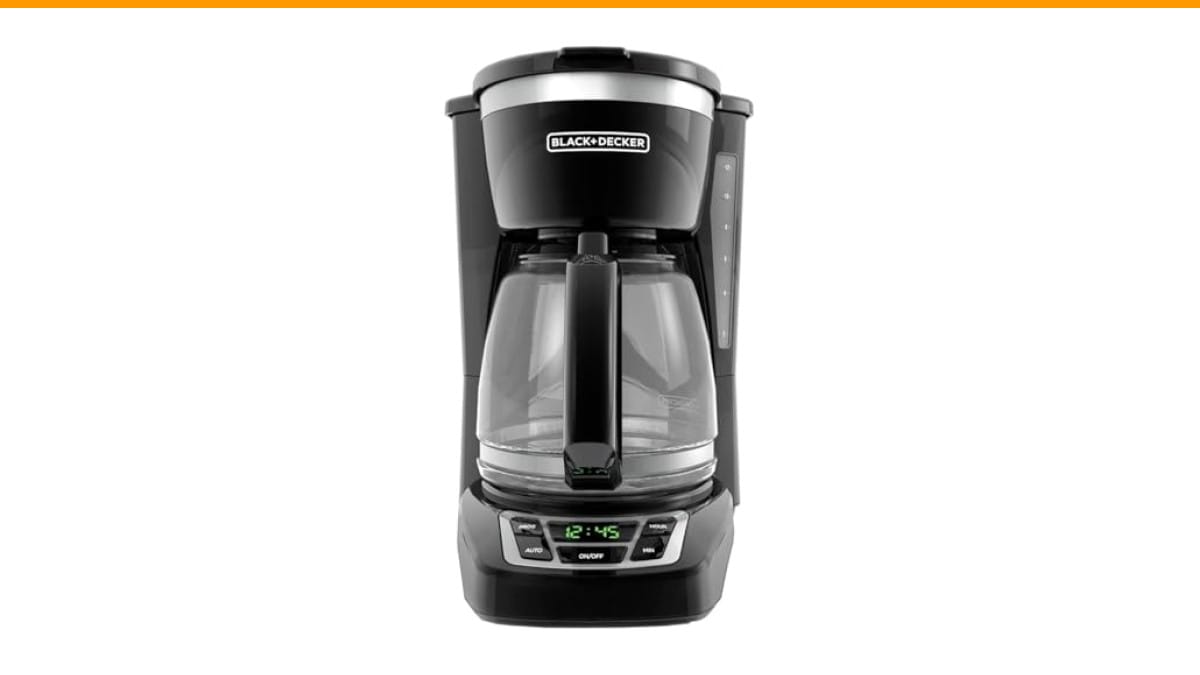
BLACK+DECKER 12-Cup Drip Coffee Maker with Vortex…
- 12-CUP DURALIFE GLASS CARAFE: The sturdy 12-cup* carafe has measurement markings for accurate filling and an easy-grip handle for…
- SNEAK-A-CUP FEATURE TO PREVENT DRIPS: This feature temporarily stops the flow of coffee so you can pour your first cup before brew…
- EASY-VIEW WATER WINDOW: The front-facing window shows you the exact amount of water that will turn into coffee, and the brew baske…
As an Amazon Associate I earn from qualifying purchases.
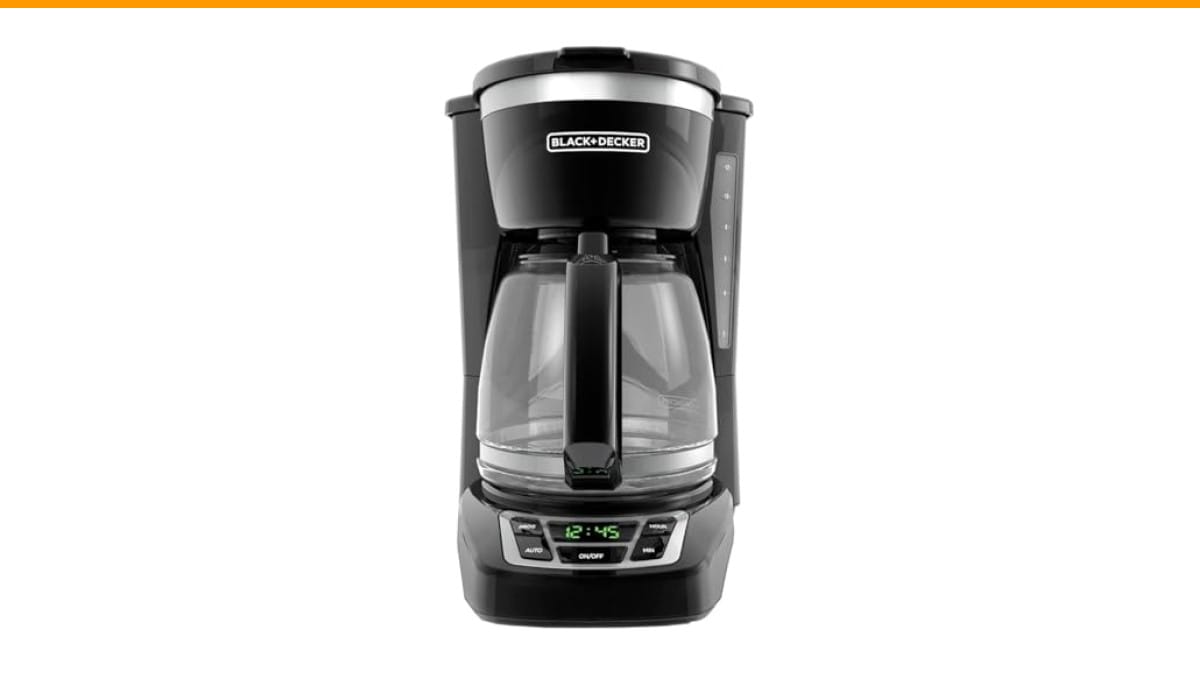
If you’re shopping for a reliable daily brewer, the BLACK+DECKER 12-Cup Drip Coffee Maker handles the basics well. Its front-facing water window makes filling accurate, and the Sneak-A-Cup feature lets you pour a mug mid-brew without dripping coffee everywhere. It’s a solid option if you want something straightforward that doesn’t demand much fiddling.
The Right Ratio: Stop Guessing the Scoop
The most common mistake is using too little coffee. The industry standard from the Specialty Coffee Association is 60 grams of coffee per liter of water. For a standard 12-cup carafe, where a cup is about 5 ounces, that works out to roughly 10 to 11 tablespoons of ground coffee for a full pot.
Most home users scoop with a regular tablespoon, not a coffee scoop. A coffee scoop holds about 2 tablespoons. So if your machine came with a scoop, use one level scoop per cup. If you’re using a kitchen spoon, you need two level tablespoons per cup. That’s the difference between a pale, sour brew and one with actual body.
Start with this baseline, then adjust. Dark roasts often need slightly less coffee because they dissolve faster. Light roasts need a bit more. Write down what works for your beans, because the same bag can taste different from one week to the next as it ages.
Grind Size: The Variable Most People Ignore
Drip coffee makers sit in an awkward spot for grind size. They need something coarser than espresso but finer than French press. A medium grind is the target—think the texture of sea salt. If your grounds look like powder, the water will extract too fast and the coffee will taste bitter and over-extracted. If they look like coarse breadcrumbs, the water will rush through and you’ll get a weak, sour cup.
Pre-ground coffee from the supermarket is usually ground for drip machines, so it works in a pinch. But it goes stale within days of being opened. Buying whole beans and grinding at home with a burr grinder makes a noticeable difference. Blade grinders produce uneven particles, which means some of your coffee is over-extracted while the rest is under-extracted. That inconsistency is why the same bag can taste great one day and terrible the next.
| Grind Type | Best For | Texture Like | Common Mistake |
|---|---|---|---|
| Fine | Espresso, Moka pot | Table salt | Using it in a drip maker → bitter cup |
| Medium | Drip coffee makers | Sea salt | None—this is the sweet spot |
| Medium-Coarse | Pour-over, Chemex | Sand | Water drains too fast in a drip machine |
| Coarse | French press, cold brew | Breadcrumbs | Weak, under-extracted drip coffee |
If your machine has a permanent filter, you can get away with a slightly coarser grind because the mesh lets more fines through. Paper filters trap more sediment, so you can use a touch finer grind with them. Either way, medium is the starting point.
Water: The Ingredient You Already Have Wrong
Your tap water might be ruining your coffee. Hard water with high mineral content leaves scale in the boiler and can make coffee taste chalky. Filtered water is a cheap fix. If you’re using bottled water, avoid distilled or softened water—both lack the minerals that help extraction, and the coffee will taste flat.
Temperature matters too. The ideal brewing temperature is between 195°F and 205°F. Most drip machines heat water internally and land in that range, but older machines or those with heavy scale buildup often run cooler. You can’t control this directly on most home machines, but you can help by descaling regularly. A machine that’s clogged with calcium deposits will brew slower and cooler, which directly affects flavor.
Fill the reservoir with fresh, cold water each time. Don’t leave yesterday’s water sitting in the tank. Stale water picks up a stale taste, and if it’s been sitting for days, it can harbor bacteria that you’ll be brewing into your morning cup.
No, More Watts Doesn’t Mean Better Coffee
People assume a higher wattage machine brews hotter or faster, which means better coffee. That’s not how it works. Wattage determines how quickly the heating element warms the water, not the final temperature. A 900-watt machine and a 1500-watt machine both plateau around the same brewing temperature. The higher wattage just gets there faster.
What actually matters is the shower head design—how evenly it saturates the grounds. A machine that drips water in one concentrated stream will channel water through a small section of the bed, leaving the rest dry. The result is uneven extraction. Machines with wider spray heads, like the Vortex Brewing system on the BLACK+DECKER model, spread water across the basket. You can test your machine by running a brew cycle without coffee and watching how the water falls. If it hits one spot, you’ll need to stir the grounds halfway through the brew to compensate.
Another myth: the hot plate keeps your coffee fresh. It doesn’t. It keeps it warm by continuing to apply heat, which actually accelerates staling. Coffee left on a hot plate for an hour tastes burnt and flat. Pour what you need into a thermal carafe or mug, and turn the machine off. The 2-hour auto shutoff on the BLACK+DECKER is a safety feature, but you should still move the coffee off the burner sooner if you care about the last cup.
Cleaning: The Step Everyone Skips
You can’t taste the old coffee oil coating your carafe, but you can taste what it does to fresh coffee. Rancid oils go bitter and stale. The brew basket and carafe need a wash with soap and hot water after every few uses. The machine itself needs a deep clean once a month.
Run a cycle with equal parts white vinegar and water. Then run two full cycles with plain water to rinse. This clears the mineral scale from the heating element and the internal lines. If you skip this, your machine will eventually brew slower and the coffee will taste dull. A clogged machine is also a common reason a brewer stops working entirely. If you’re dealing with a machine that’s already struggling, check our guide on cleaning a clogged coffee maker for the fix. Regular upkeep is the difference between a machine that lasts five years and one that dies after eighteen months. See our full rundown on proper coffee maker cleaning for the detailed steps.
Don’t forget the grinder, if you have one. Oils from beans build up on the burrs and go rancid. Run a bit of grinding cleaner or a handful of dry rice through it monthly. It takes two minutes and keeps your coffee tasting like the bag says it should.
Frequently Asked Questions
Why does my coffee taste weak even though I use enough grounds?
Check your grind size first. If it’s too coarse, the water runs through too fast and doesn’t extract enough flavor. Next, check the water temperature. If your machine hasn’t been descaled, it might be brewing at 185°F instead of 200°F, which under-extracts. Finally, make sure you’re using fresh beans. Stale beans lose their volatile compounds and brew flat no matter what you do.
Can I use regular ground coffee in a drip maker?
Yes, as long as it’s a medium grind. Supermarket brands labeled ‘auto drip’ are ground correctly. If you bought beans and ground them at the store, select the ‘drip’ or ‘filter’ setting on the grinder. Avoid espresso or Turkish grinds—they’re too fine and will clog the filter.
How much coffee do I use for 4 cups?
For a 4-cup pot, use about 4 level coffee scoops (8 tablespoons) of ground coffee. Remember the machine’s ‘cup’ is 5 ounces, not the 8-ounce mug you drink from. If you brew with 4 scoops and it tastes strong, back off to 3.5 scoops next time. Taste and adjust is the only reliable method.
Is it safe to leave the coffee maker on?
Modern machines with auto shutoff are safer than older ones, but it’s still not a good habit. The hot plate is a fire hazard if something falls on it, and it ruins the coffee. The BLACK+DECKER model shuts off after 2 hours, but you should develop the habit of turning it off right after you pour your last cup.
Why is my coffee maker brewing slower than it used to?
Mineral scale is almost always the cause. The heating element is coated in calcium, so it can’t transfer heat efficiently, and the water takes longer to heat. Run a descaling cycle with vinegar or a commercial descaler. If that doesn’t speed it up, check the spray head for clogs. If you’re still stuck, our article on brewing problems covers other common failures.
What to Do Differently Starting Tomorrow
- Weigh your coffee instead of scooping it. A cheap kitchen scale costs less than a bag of beans and removes the guesswork.
- Buy whole beans and grind them right before brewing. Pre-ground coffee is a compromise you don’t need to make.
- Use filtered water. It’s the cheapest upgrade you can make to your coffee.
- Clean the carafe and basket after every use. Rancid oils ruin a good brew.
- Descale the machine monthly. It keeps the water hot and the machine running.
- Turn off the hot plate after you pour. Your last cup will taste as good as your first.
- If your machine runs cool or drips unevenly, consider a model with better water distribution, like the BLACK+DECKER 12-Cup, before giving up on drip coffee entirely.
Products related to this article
Sponsored / affiliate links. As an Amazon Associate I earn from qualifying purchases. I may earn additional commission from eligible campaigns.
 HomeBeyond Espresso Coffee Maker 12 Cups, Classic Stovetop Espresso Maker, 600ml / 20oz Coffeemaker for Gas & Ceramic Stovetops (Silver)
 Belly Moka Coffee Maker Stovetop Espresso Maker 9 Cup Aluminum Moka Pot Percolator 15oz 450ml Easy Brewing for Electric Ceramic Stoves Home Camping Italian Cuban Café Classic Black
 Belly Moka Coffee Maker Stovetop Espresso Maker 6 Cup Aluminum Moka Pot Percolator 10oz 300ml Easy Brewing for Electric Ceramic Stoves Home Camping Italian Cuban Café Classic Silver