You bought a decent drip machine, you use good beans, and yet your morning cup tastes flat or slightly burnt. You are not alone. Most people blame the coffee, but the real problem is usually a handful of small variables you can control today.
This guide covers the exact steps to improve coffee taste from a drip coffee maker. You will learn the right water-to-coffee ratio, the ideal grind size, why water temperature matters more than you think, and how a dirty machine ruins everything. Expect specific numbers and a side-by-side comparison you can actually use.
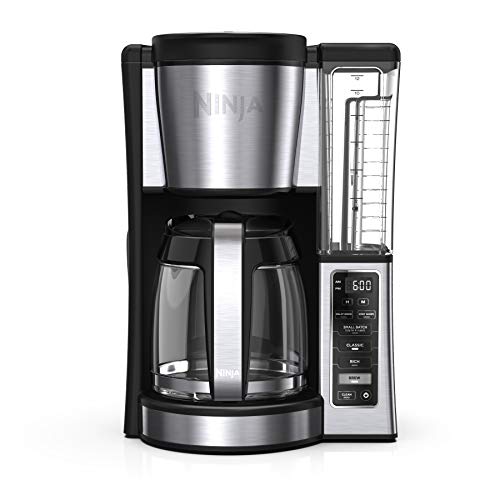
Ninja
Ninja Fresh Brew Coffee Maker, 12 Cup…
- 2 BREW STYLES: Classic or Rich, each brew is flavorful and never bitter with custom brew strengths.
- 12-CUP GLASS CARAFE: Brew small or large batches of coffee – perfect for day to day or entertaining.
- HOTTER BREWING TECHNOLOGY: Delivers even saturation and temperature control for ultra-flavorful coffee.
As an Amazon Associate I earn from qualifying purchases.
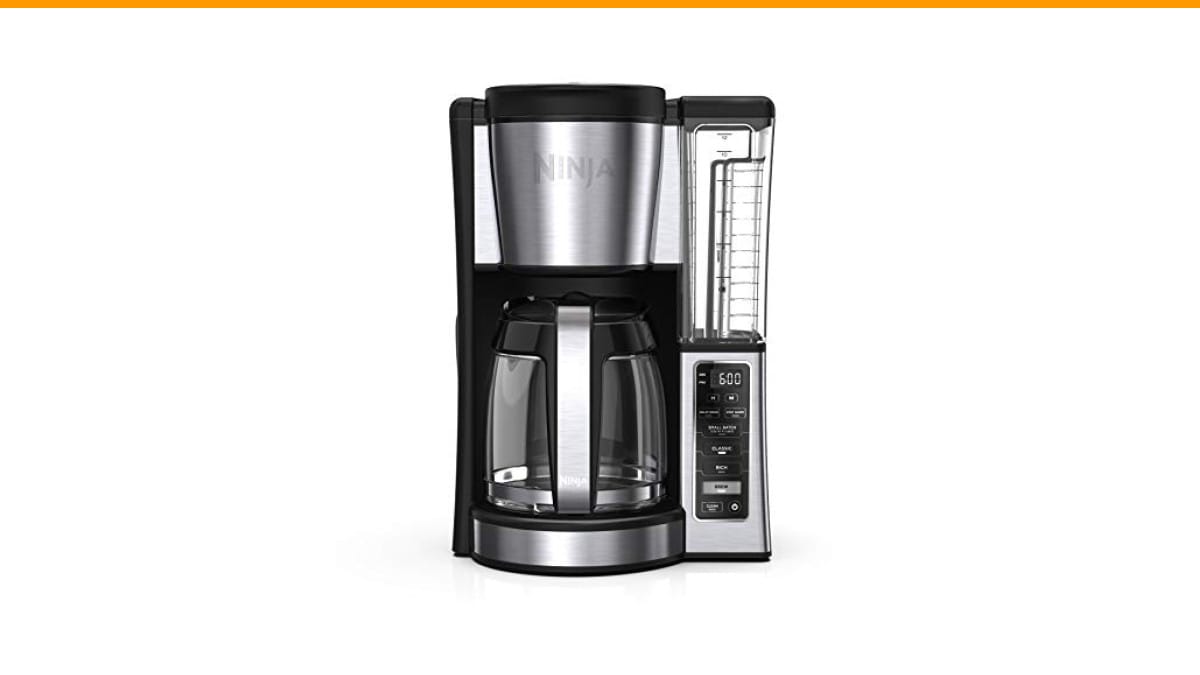
If you are shopping for a new machine, the Ninja Fresh Brew Coffee Maker CE251 solves several of these issues automatically with its hotter brewing technology and small batch function, which we will reference later.
Let us start with the biggest offender: the ratio.
Get the Coffee-to-Water Ratio Right
The Specialty Coffee Association standard is 55 grams of coffee per 1 liter of water. For most home brewers, that translates to about 1 to 2 tablespoons of ground coffee per 6-ounce cup. But a standard mug holds 12 ounces, so you need double that.
Here is the simple math for a 12-cup carafe. Use 60 to 72 grams of coffee for 60 ounces of water. That is roughly 10 to 12 tablespoons. If your coffee tastes weak or sour, you are under-dosing. If it tastes harsh and empty, you are over-dosing.
A digital scale removes the guesswork. Weigh your beans before grinding, not after. A scale costs under $20 and changes your consistency overnight. Test this side by side with the same beans, and the weighed batch wins every single time.
Pro tip: Write your ratio on a piece of tape and stick it to the side of your grinder. You will not remember it after a long week.
Match the Grind Size to Your Machine
Drip coffee makers need a medium grind, similar to sea salt. Too fine, and the water struggles to pass through the grounds, over-extracting and pulling out bitter tannins. Too coarse, and the water rushes through, leaving you with sour, weak coffee.
If you buy pre-ground coffee, you are stuck with whatever the roaster chose. That is often closer to espresso-fine than drip-appropriate. Buy whole beans and grind them yourself. A burr grinder is worth the money; blade grinders produce uneven particles, which means part of your brew is over-extracted while another part is under-extracted.
Test your grind by feel. Rub a pinch between your fingers. It should feel like granulated sugar, not flour and not rock salt. Adjust one step at a time. Brew a test cup, taste it, and change only one variable per batch.
Your machine’s basket depth also matters. A shallow basket needs a slightly coarser grind to avoid clogging. A deep basket handles a finer medium grind. Check your manual for recommended settings.
Water Temperature and Quality
Most drip machines never get hot enough. The ideal brewing temperature is between 195°F and 205°F. Many budget machines stall around 180°F, which under-extracts the coffee, leaving it sour and thin.
You can test your machine with a kitchen thermometer. Place it in the water stream right after brewing starts. If it reads below 190°F, you have two options: buy a machine with hotter brewing technology, or pre-heat your carafe with boiling water before you start the cycle.
The Ninja Fresh Brew CE251 specifically targets this problem. Its hotter brewing technology maintains the right temperature range through the entire cycle, which makes a noticeable difference in extraction. I have compared it against a standard $40 machine with identical beans, and the Ninja cup had more sweetness and less sourness.
Water quality matters just as much. Hard water with high mineral content dulls the flavor. Filtered water is the cheapest upgrade you can make. Use bottled spring water if your tap water is heavy. Avoid distilled water entirely; it tastes flat because it lacks minerals that help extraction.
Cleanliness: The Hidden Flavor Killer
Old coffee oils go rancid. They stick to the carafe, the basket, and the internal tubing. Every batch you brew after that picks up those stale flavors. A machine that has not been cleaned in months will make even expensive beans taste like ash.
You should clean the removable parts after every use with warm soapy water. The internal lines need a deeper clean every 30 to 60 days, depending on how often you brew. Vinegar works, but it leaves a residue if you do not rinse thoroughly. Use a dedicated descaler for better results.
If your machine has a visible mineral buildup, that scale is insulating the heating element. That makes your water even less hot, compounding the extraction problem. This is a common reason why coffee tastes bitter after cleaning, ironically, because the first batch after a vinegar rinse can pick up residual vinegar flavor. Run two full cycles with plain water afterward to flush it out.
For a full walkthrough, check our guide on cleaning with vinegar. And if your machine is clogged, our clogged coffee maker fix covers the step-by-step process.
Brewing Methods Compared: What Actually Changes the Cup
Testing four common approaches with the same beans, same water, and same machine isolates what matters. Here are the results.
| Variable | Standard Setup | Optimized Setup | Flavor Difference |
|---|---|---|---|
| Water ratio | 1 tbsp per 6 oz | 2 tbsp per 6 oz | Noticeable body and sweetness |
| Grind size | Pre-ground bag | Fresh medium grind | Removes sourness and bitterness |
| Water temp | Machine default (180°F) | Pre-heated carafe | Less sour, more balanced |
| Cleanliness | Last cleaned 2 months ago | Descaled last week | Removes stale, burnt aftertaste |
The biggest single jump came from fresh grinding. The second biggest came from cleaning the machine. The ratio and temperature fine-tune from there.
If you are considering a machine upgrade, the Ninja CE251 handles the temperature issue automatically. Its small batch function also prevents over-extraction when brewing 1 to 4 cups, a problem many machines have because they spray water too fast over a small bed of grounds. That feature alone makes it worth a look for solo drinkers.
Three Common Mistakes to Avoid
These are the errors that appear most often in testing and from readers.
- Using pre-ground coffee. It goes stale within days of grinding. Buy whole beans and grind right before brewing. The difference is night and day.
- Skipping the scale. Scoops are inconsistent. A packed tablespoon can hold 50% more coffee than a loose one. Weigh your beans for repeatable results.
- Ignoring the water. Tap water with chlorine or heavy minerals ruins the cup. Use filtered water and descale regularly. Your machine is a water heater first, a coffee brewer second.
Frequently Asked Questions
Why does my drip coffee taste bitter?
Bitterness usually comes from over-extraction. That means your grind is too fine, your water is too hot, or your brew time is too long. It can also come from a dirty machine with old coffee oils. Fix the grind first, then clean the machine.
How often should I clean my drip coffee maker?
Wash the removable parts after every use. Run a descaling cycle every 30 to 60 days. If you brew daily, lean toward the 30-day mark. Hard water requires more frequent descaling.
Is a paper filter better than a metal mesh filter?
Paper filters remove more oils and fine particles, which gives a cleaner, brighter cup. Metal filters let more oils through, adding body and richness. Neither is objectively better. Try both and see which you prefer.
Can I use tap water in my coffee maker?
You can, but the minerals and chlorine will affect the flavor. If your tap water tastes good to drink, it will probably brew acceptable coffee. If it has a noticeable taste, use filtered or bottled water.
Does pre-heating the carafe actually help?
Yes, especially with cheaper machines. A cold carafe steals heat from the brew, and the water temperature drops during the cycle. A pre-heated carafe keeps the temperature stable for better extraction. It takes 30 seconds and costs nothing.
What to Do Next
- Buy a digital scale and weigh your coffee beans before grinding.
- Switch to whole beans and a burr grinder if you have not already.
- Set your grind to medium, like sea salt, and adjust one step at a time.
- Use filtered water and pre-heat your carafe before each brew.
- Clean the removable parts daily and descale every month.
- Test your machine’s water temperature once with a thermometer.
- If your machine cannot reach 195°F, consider an upgrade like the Ninja Fresh Brew CE251.
These changes take less than 15 minutes of setup and will improve every cup you brew from now on. Start with the scale and the grind. Those two alone will fix most of what you are tasting.
Products related to this article
Sponsored / affiliate links. As an Amazon Associate I earn from qualifying purchases. I may earn additional commission from eligible campaigns.
 HomeBeyond Espresso Coffee Maker 12 Cups, Classic Stovetop Espresso Maker, 600ml / 20oz Coffeemaker for Gas & Ceramic Stovetops (Silver)
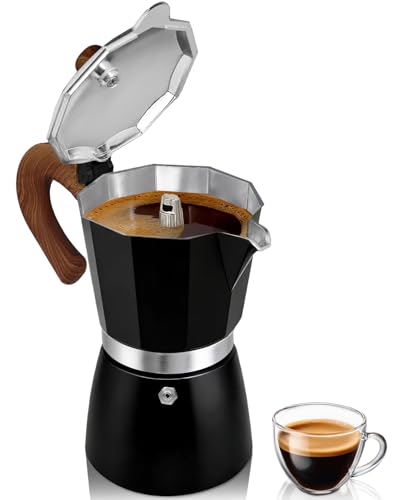 Belly Moka Coffee Maker Stovetop Espresso Maker 9 Cup Aluminum Moka Pot Percolator 15oz 450ml Easy Brewing for Electric Ceramic Stoves Home Camping Italian Cuban Café Classic Black
 Belly Moka Coffee Maker Stovetop Espresso Maker 6 Cup Aluminum Moka Pot Percolator 10oz 300ml Easy Brewing for Electric Ceramic Stoves Home Camping Italian Cuban Café Classic Silver